A Food Lover’s Guide to Xinjiang: 10 Dishes You Must Try on the Silk Road
Last updated: July 15, 2026 · Written by Karl Huang, a Xinjiang travel specialist who has spent time across the region. Practical details are cross-checked against official tourism, transport, and border-regulation sources.
Standing in a night market in Kashgar for the first time is a sensory overload you don’t forget. Smoke from open grills curls into the cold mountain air. Vendors call out in Uyghur, Mandarin, and Kazakh. The scent of cumin, chili, and roasting lamb hits you before you even see the food. This is Xinjiang cuisine — a fusion of Central Asian, Persian, and Chinese influences that has been evolving for over two thousand years along the Silk Road.
Why Xinjiang Food Matters
Xinjiang is China’s largest province, spanning one-sixth of the country’s total area. Its cuisine reflects the people who call it home: Uyghur, Kazakh, Kyrgyz, Tajik, Hui, and Han Chinese communities, each contributing distinct flavors and techniques. If you’re planning a trip, understanding the food is as important as understanding the geography. In fact, many travelers say the food alone is worth the journey. For more background on the region, check out our travel guides before you go.
1. Polo (Hand-pulled Rice with Lamb) — The National Dish
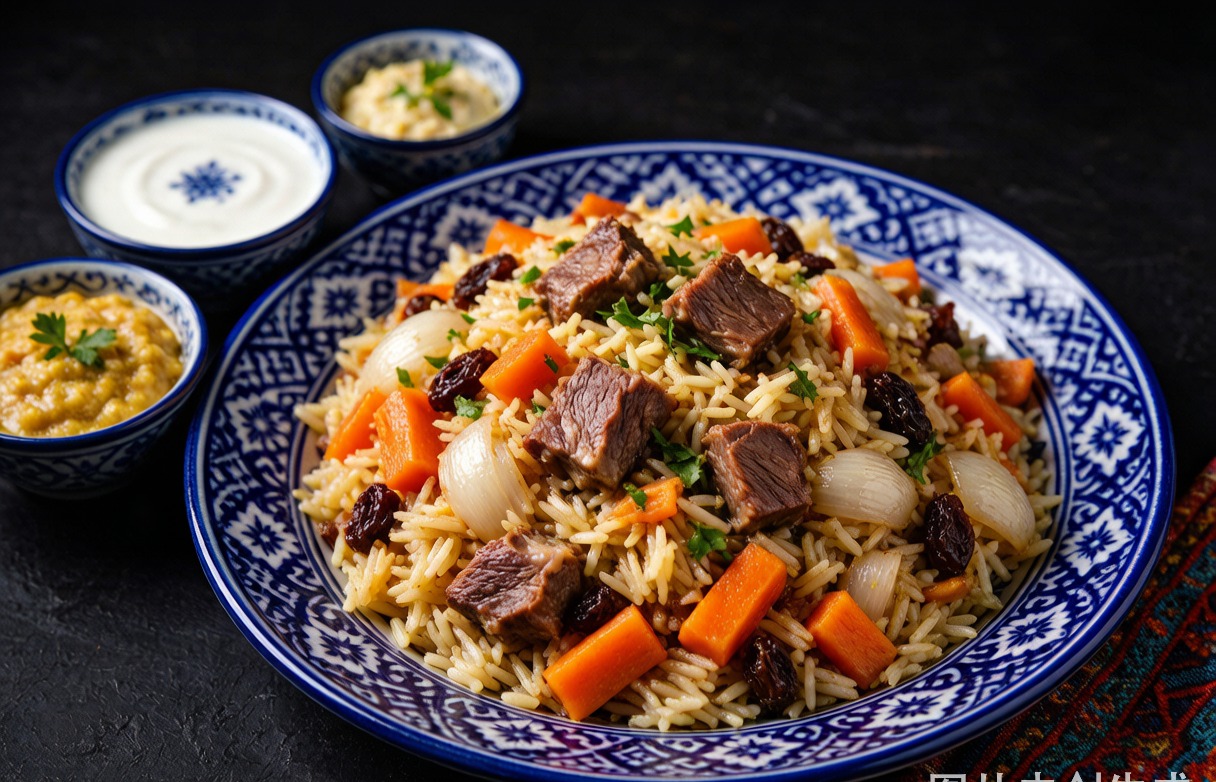
Polo (抓饭) is the dish you’ll encounter everywhere — from roadside yurt camps to Urumqi fine-dining restaurants. It consists of long-grain rice slow-cooked with chunks of lamb on the bone, carrots (cut into matchsticks), onion, and raisins, all infused with lamb fat and cumin. The best versions use Xinjiang’s native sheep, which graze on wild herbs and produce meat with a clean, slightly gamey flavor unlike anywhere else in China.
A proper polo is cooked in a large cast-iron pot (called a qazan) over an open flame. The rice absorbs the lamb’s juices, turning golden from the carrot and fat. It’s traditionally eaten with your right hand, gathered into a small ball and popped into your mouth. Don’t be shy — watching a table of locals do it is part of the experience.
Where to try it: Nearly every Uyghur restaurant serves polo. In Kashgar Old City, look for the clay-oven places where the rice cooks for hours before lunch. Expect to pay ¥25–45 per serving.
2. Lamb Skewers (Chuanr / Kebab) — The Ultimate Street Food
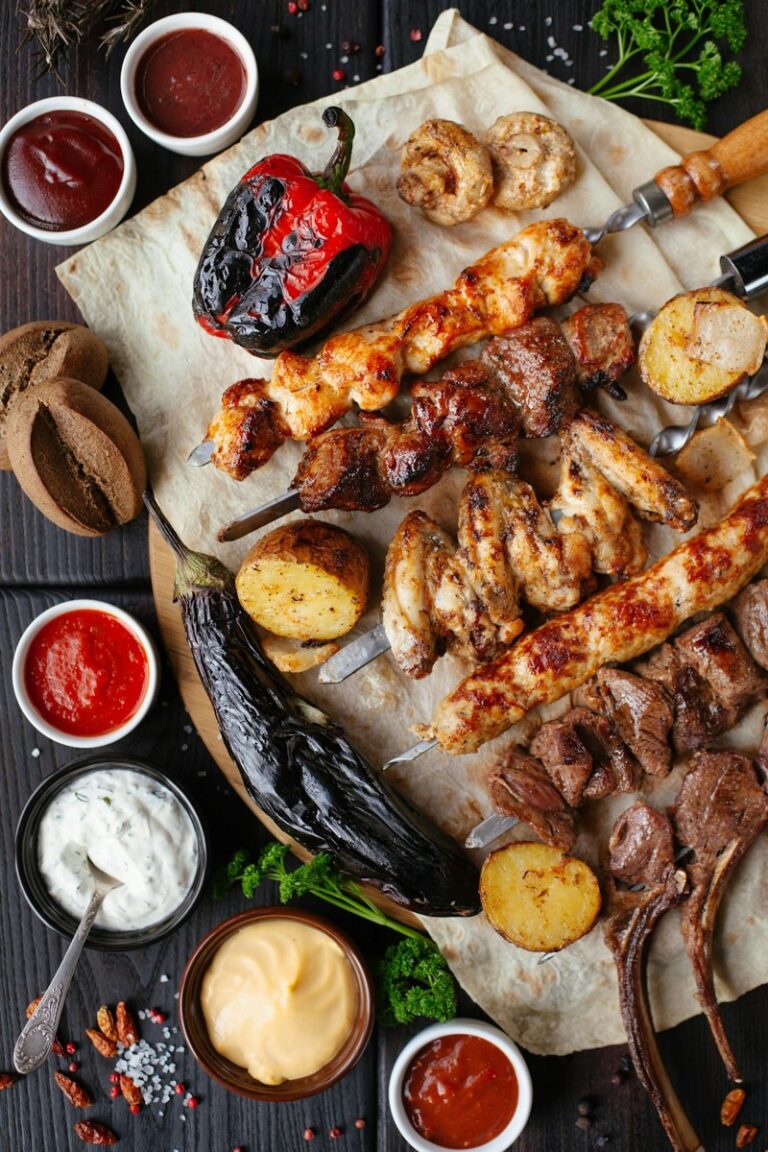
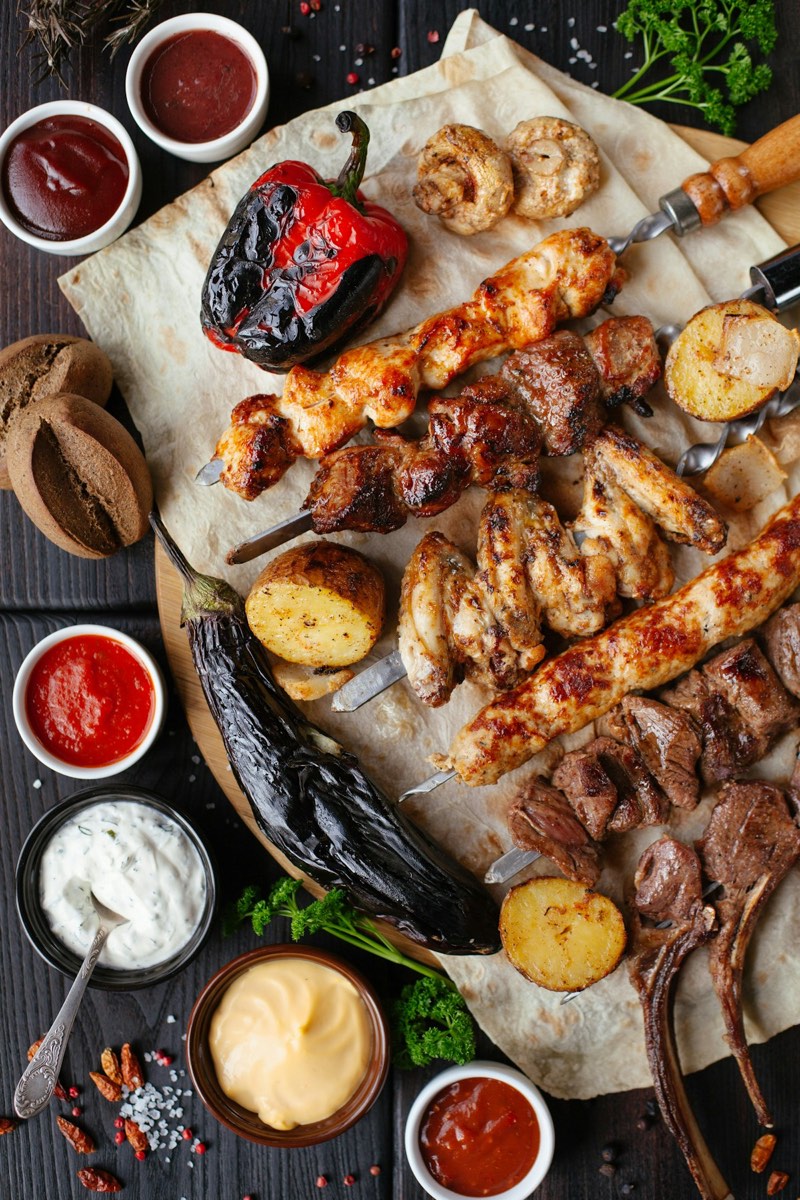
If Xinjiang had an official street food, this would be it. Lamb skewers (羊肉串) are sold on nearly every busy corner from Yining to Kashgar. What sets them apart from generic “kebabs” elsewhere is the spice blend: cumin (heavy hand), chili flakes, salt, and sometimes a sprinkle of ziran (wild pepper). The meat is cut into chunks with fat still attached — that fat is essential, basting the meat as it grills over red willow charcoal.
A classic order is yi chuan (one skewer), but nobody stops at one. Five to ten skewers, a wedge of naan, and a glass of black tea make a perfect quick meal. In the Sunday Livestock Market in Kashgar, you can watch the entire process: lamb butchered on-site, threaded onto skewers, and grilled in front of you.
3. Dapanji (Big Plate Chicken) — The Comfort Food of the Northwest
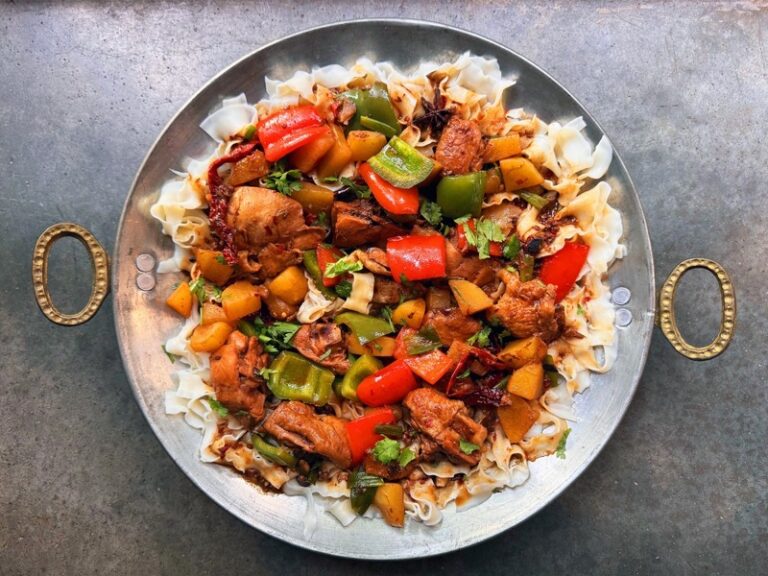
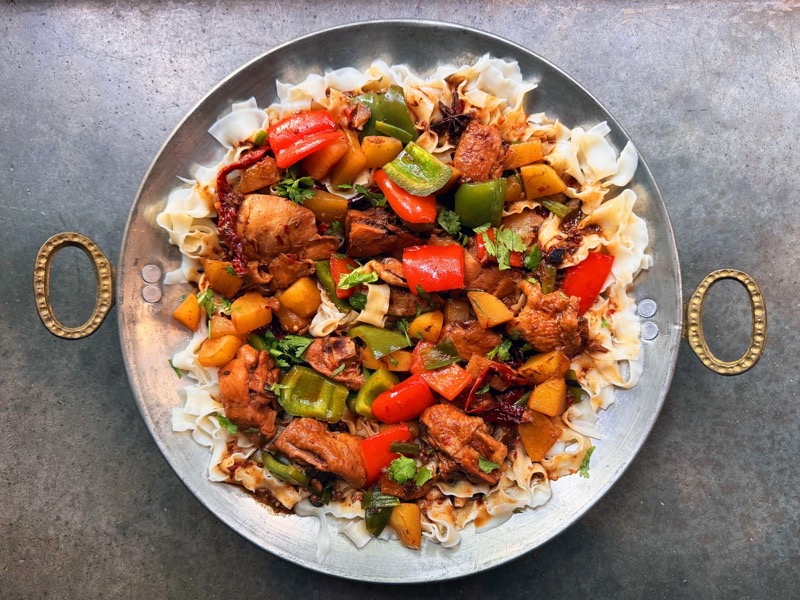
Dapanji (大盘鸡) literally means “big plate chicken” — and it lives up to the name. This is a relatively modern dish, invented in the 1980s in Shawan County, but it has become ubiquitous across Xinjiang and beyond. The recipe is straightforward: chicken pieces stewed with potatoes, green bell peppers, onions, garlic, star anise, and dried chili in a rich, slightly spicy tomato-based sauce. It’s served on a plate the size of a serving platter, with hand-pulled noodles (lachang) folded underneath to soak up the sauce.
The magic of dapanji is the sauce — thick, savory, and just spicy enough to make you reach for your tea. It’s a communal dish, almost always ordered for sharing. In smaller towns, you’ll often see truck drivers and families gathered around a single big plate, tearing off noodles and passing pieces of potato.
Pro tip: Order it with “belt noodles” (pi dai mian) — wide, chewy ribbons that hold the sauce better than thin noodles. If you’re planning a self-drive trip through Xinjiang, dapanji is the perfect recovery meal after a long day on the road.
4. Naan (Nang) — The Bread That Travels
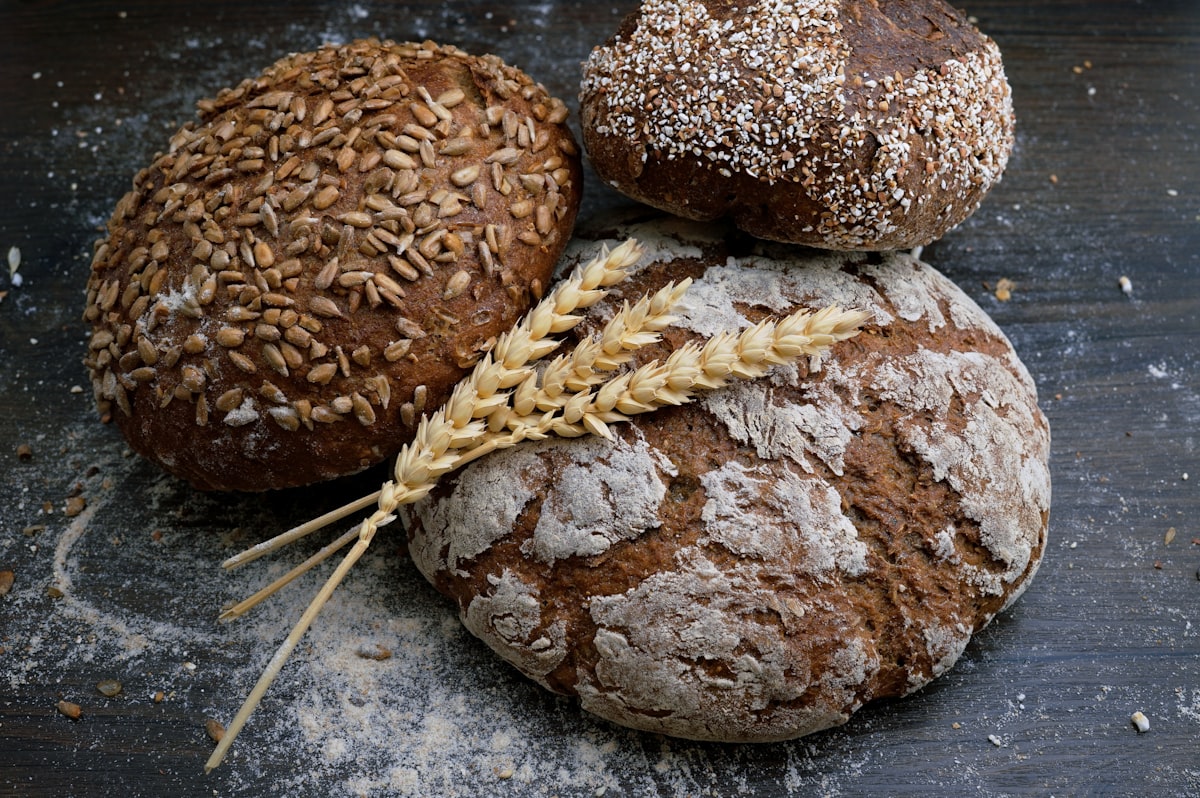
Naan (馕) is the daily bread of Xinjiang, baked in a tandoor-style clay oven called a tunur. It’s flat, round, and slightly leavened, with a dimpled surface brushed with oil, water, or a mixture of egg wash and sesame seeds. A good naan has a crisp exterior and a chewy, satisfying interior. It can keep for days without refrigeration — which is exactly why it was perfected in this land of long caravan journeys.
There are dozens of regional variations. In Hotan, you’ll find ertong nang (thick naan with onions and meat baked inside). In the Ili Valley, sweeter versions with dried fruit and nuts appear. The most common street naan is kucha nang, thin and crispy, sold from baskets by cyclists who pedal through neighborhoods calling out in the morning.
Where to try it: Naan is best eaten within an hour of leaving the oven. In any Xinjiang town, follow your nose to the tunur smoke. A single naan costs ¥3–8 and can serve as breakfast, lunch accompaniment, or trail snack.
5. Laghman (Hand-Pulled Noodles) — Muscle in Every Strand
Laghman (拉条子) is the answer to “what do you eat when you want something hearty but not heavy?” These are hand-pulled wheat noodles, served with a stir-fried topping of your choice: usually lamb, tomatoes, green beans, onions, and peppers in a robust sauce. The dough is kneaded, rested, then pulled table-side into long, uneven strands — a skill that takes years to master. The texture is springy and substantial, nothing like machine-made pasta.
The dish has clear Central Asian roots (the name laghman likely derives from the Uyghur words for “noodles” and “sauce”). In Xinjiang, it has been localized with Chinese stir-fry techniques. A good laghman strikes a balance: the noodles have bite, the sauce clings but doesn’t drown, and there’s always more food than you expected.
6. Samsa (Uyghur Stuffed Pastry) — The Perfect Snack
Samsa (萨姆沙) are small, triangular pastries baked in a tunur. They’re filled with minced lamb, onion, and sometimes pumpkin or molasses (for sweet versions). The dough is stretched thin, folded around the filling, and baked until the edges are crisp and the bottom is slightly charred from the oven wall. A hot samsa, eaten standing on a street corner, is one of the great simple pleasures of travel in Xinjiang.
In Kashgar’s Old City, samsa bakeries operate from holes-in-the-wall with beehive ovens. You’ll see rows of them leaning against the oven wall, baking in layers. ¥5–10 each, and they go fast.
7. Milk Tea (Etkan) and Yogurt — The Daily Ritual
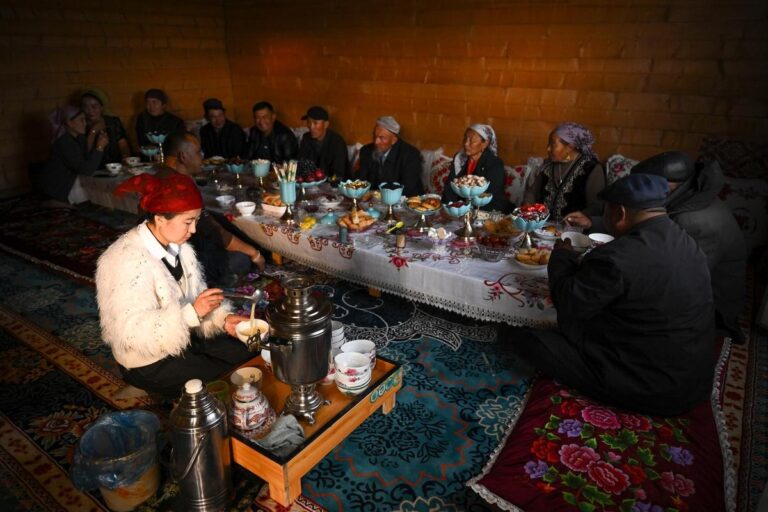
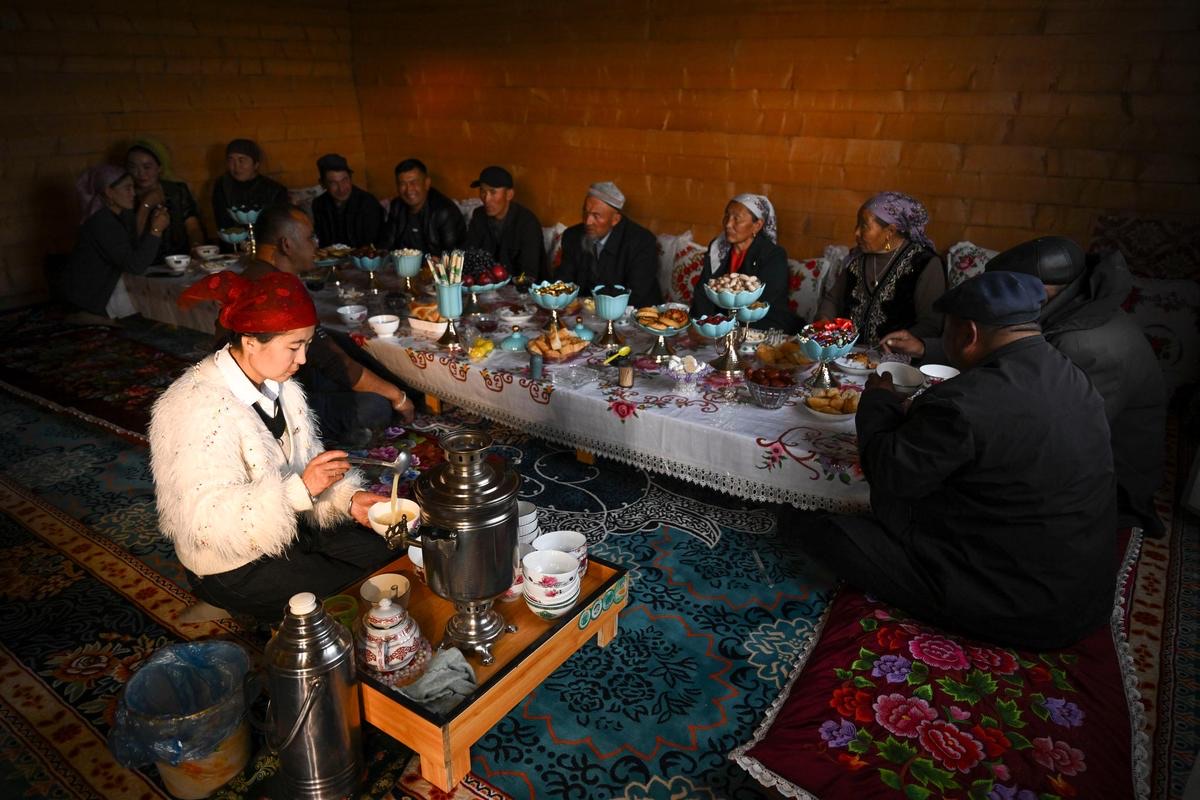
In a Kazakh yurt or a Uyghur home, the first thing offered to a guest is tea. Etkan (milk tea) is black tea simmered with milk (sometimes sheep’s milk), salt (not sugar), and occasionally herbs. It’s warming, savory, and pairs perfectly with naan. Don’t expect the sweet milk tea of Hong Kong or India — this is a pastoral people’s drink, designed to hydrate and sustain.
Xinjiang’s yogurt (酸奶) is traditionally unsweetened and tart, often served with a drizzle of honey or a spoon of jam. In the countryside, it’s still made in clay pots. In cities, you’ll find it sold in bowls at night markets, topped with nuts and fruit.
8. Pitimanta (Thin-Skinned Dumplings) — Delicate and Addictive
Pitimanta (薄皮包子) are steamed dumplings with an almost translucent wrapper, filled with lamb and onion. They’re smaller and more delicate than jiaozi (Chinese dumplings), and the wrapper is so thin you can see the pink filling through it. They’re typically served in a broth or alongside polo. Eating them requires chopstick finesse — puncture the skin and the hot lamb juices escape, so cradle them over your spoon.
9. Xinjiang Fruits — Nature’s Candy at the Edge of the Desert
Xinjiang’s fruit is legendary, and for good reason. The extreme diurnal temperature swing (hot days, cold nights) concentrates sugars in the fruit. Turpan’s seedless grapes, Hami’s melons, and Korla’s pears are all distinct cultivars that have been perfected over centuries. In season (July–October), fruit is everywhere: piled in market stalls, sold from the back of donkey carts, offered as dessert at restaurants.
Don’t miss: Turpan grapes (July–August), Hami melon (August–September), and Korla fragrant pears (September–October). They taste different here — sweeter, more aromatic — because of the growing conditions. You can read more about the best places to visit while these fruits are in season.
10. Whole Lamb (Kao Quanziyang) — The Celebration Dish
For special occasions — a wedding, a festival, or an important guest — a whole roasted lamb is prepared. The entire animal is marinated, stuffed with herbs, and slow-roasted over coals or in a clay oven until the skin is crisp and the meat falls off the bone. It’s brought to the table with ceremony, often with the head facing the guest of honor. Unless you’re dining with a large group, you’re unlikely to order this yourself, but if you’re invited to a local home during a festival, this is what you might be served.
Practical Tips for Eating in Xinjiang
- Halal matters: Most Uyghur, Kazakh, and Kyrgyz restaurants are Halal. Respect the custom — no pork, no alcohol on the premises.
- Cash is king: Many small eateries don’t take cards or mobile pay (especially outside cities). Carry small bills.
- Spice levels: Xinjiang food is flavorful but not typially “burn your mouth” spicy. If you want heat, ask for extra chili flakes (la jiao mian).
- Tea is not optional: Meals almost always come with free tea. It’s not just politeness — the tea helps cut the richness of the lamb-heavy diet.
- Portions are generous: Dishes are meant for sharing. A good rule is one main dish per two people, plus bread and tea.
The Bottom Line
Xinjiang’s food scene is one of the world’s great undiscovered culinary destinations. It’s not fancy, and it’s not trying to be. What it is — from the first bite of cumin-crusted lamb to the last piece of naan dipped in dapanji sauce — is honest, deeply flavorful, and rooted in a landscape and culture that you can’t experience anywhere else. Plan your trip around the food, and the sights will take care of themselves.
Want more Xinjiang travel inspiration? Check out our home page for the latest guides and tips.
-
What are the must-try dishes in Xinjiang?
Must-try dishes include Da Pan Ji (big plate chicken), lamb kebabs, naan bread, and hand-pulled noodles.
-
Is Xinjiang food spicy?
Xinjiang food is flavorful but not necessarily spicy. It features cumin, pepper, and other aromatic spices.
-
Can I find vegetarian food in Xinjiang?
Yes, there are vegetarian options available, though meat dishes are more common in local cuisine.
-
Where is the best place to eat in Xinjiang?
Local night markets and family-run restaurants offer the most authentic dining experiences.