Xinjiang Figs: The Honey-Sweet Fruit of Turpan and the Southern Oases
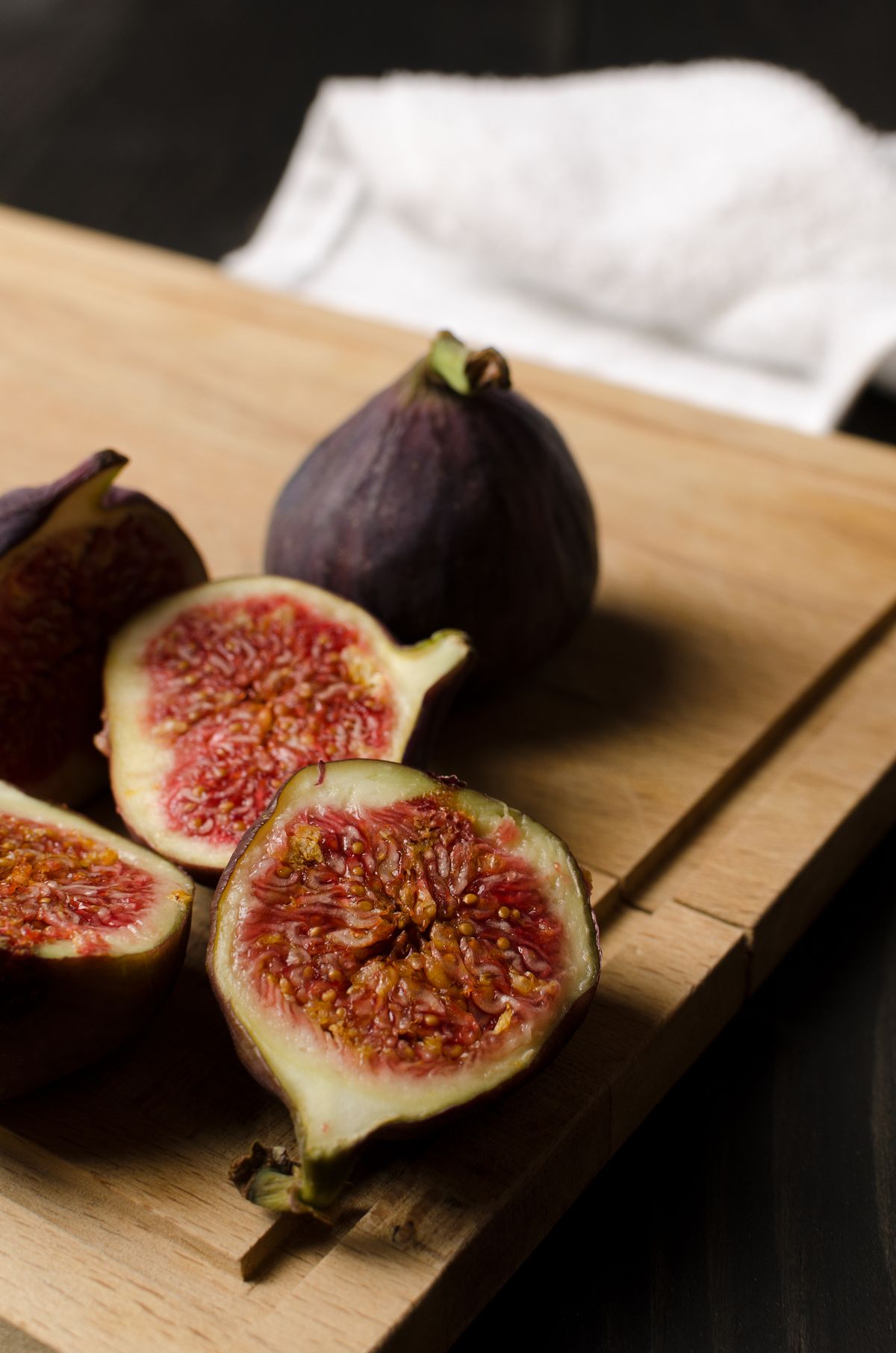
The first time I ate a Xinjiang fig it was in Turpan, handed to me by a vendor who simply said “try.” It was smaller than the fat figs I knew from Europe, but the moment I bit in it was like eating a spoon of jam with the texture of fresh fruit — no gritty seeds, no dryness, just concentrated honey-sweetness. Xinjiang‘s figs, grown around Turpan and in the Artux area near Kashgar, are a different breed from the supermarket import, shaped by heat, irrigation, and a very old horticultural tradition. This guide covers why they taste the way they do, the fresh-versus-dried question, the short season, and where to buy the best ones without getting fooled.
Why Xinjiang Figs Are Different
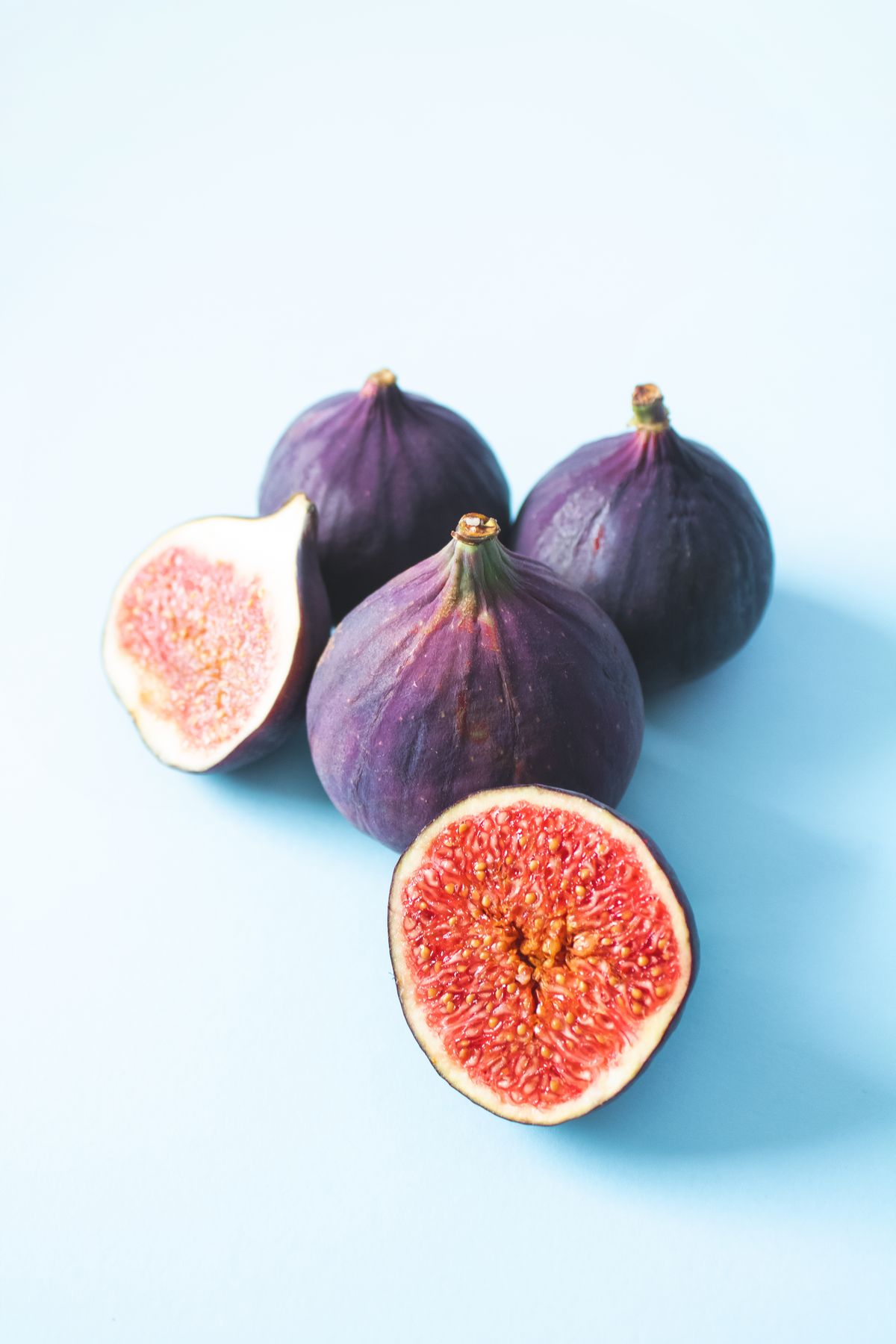
Figs love hot, dry summers and the long growing season of the Tarim and Turpan basins suits them perfectly. The local varieties are often the small, dark, jammy type rather than the large pale ones, and because the climate is so dry, the fruit develops intense sugar with very little watering needed. They are typically tree-ripened and eaten or dried within days, which is why the fresh ones taste nothing like a shipped, gassed import. The region’s place in the broader Xinjiang fruits map is as one of the signature sweet crops alongside grapes and melons.
Fresh vs Dried
Both are worth seeking out, and they are not the same product. Fresh figs are a fleeting pleasure; dried figs are a year-round staple.
A Table of Fig Forms
| Form | Season | Texture | Best use |
|---|---|---|---|
| Fresh, tree-ripened | Jul-Sep | Soft, jammy, delicate | Eat within a day, with yogurt |
| Sun-dried whole | Year-round | Chewy, concentrated | Snacking, baking, tea |
| Vacuum-packed dried | Year-round | Moist, clean | Bringing home, gifting |
| Fig syrup / preserves | Year-round | Thick, sweet | On bread, in yogurt |
Fig Varieties You’ll Meet
| Variety / area | Look | Note |
|---|---|---|
| Turpan dark fig | Small, near-black, soft | The jammy fresh classic of the oasis |
| Artux honey fig | Medium, amber-green | Sweeter, common as dried |
| Kashgar dried | Brown, chewy | Year-round bazaar staple |
Most stalls don’t label a cultivar name the way a Western market would; instead they point at the area. Asking “Turpan or Artux?” gets you a more useful answer than asking for a variety, because the growing region is what actually predicts the flavor and texture you will get. The Turpan figs are the ones to chase for fresh eating, while Artux and Kashgar figs are the ones you will more often find dried and vacuum-packed for the trip home.
The Season
Fresh figs are a late-summer crop. The first tree-ripened fruit appears in July and peaks in August and September; by October the fresh window is closing and only the dried product remains. If you want the fresh experience, time a Turpan or Artux visit for August. Miss it and you will still find excellent dried figs, but you will have missed the thing that makes Xinjiang figs famous.
When to Go
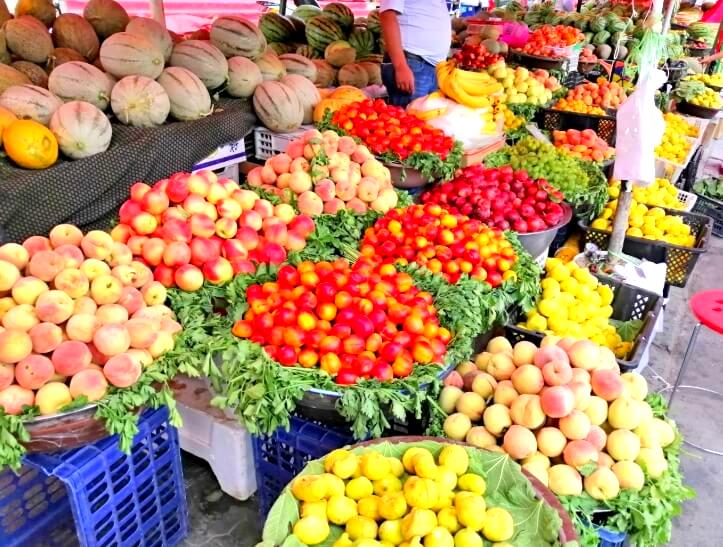
August is the sweet spot — hot enough to ripen the fruit fully, early enough to avoid the autumn travel crunch. The fig stalls in the Turpan bazaars are at their best then, stacked in shallow baskets and sold by the kilogram.
How Locals Eat Them
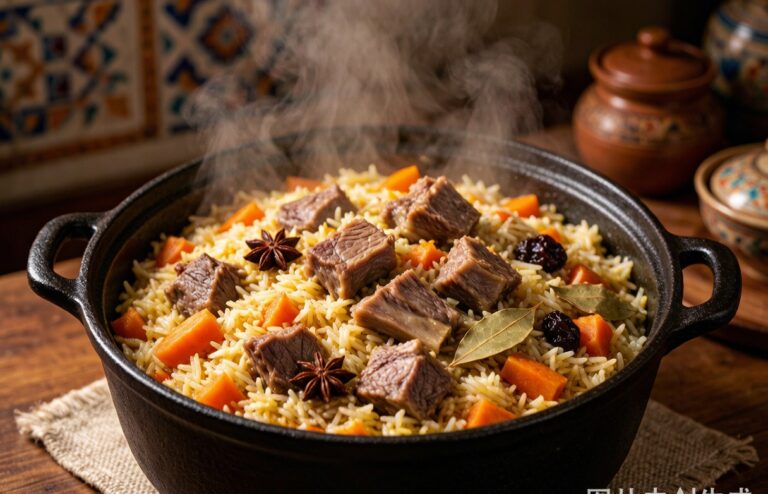
Figs are eaten fresh as a snack, dried as a year-round treat, and folded into both sweet and savory dishes. A common breakfast is a fresh fig halved over thick yogurt with a drizzle of honey. Dried figs go into pilaf, stewed with lamb, or simply chewed on their own with tea. In Kashgar I was once served a lamb-and-dried-fig pilaf where the fruit’s sweetness cut the fat of the meat — a combination that sounds odd until you try it and realize the contrast is the whole point, not a gimmick.
Fresh
Eat fresh figs the day you buy them. They bruise easily and don’t travel, so the best ones are the ones you eat standing at the stall. A pinch of salt on a very ripe fig is a local trick that sharpens the sweetness.
Dried
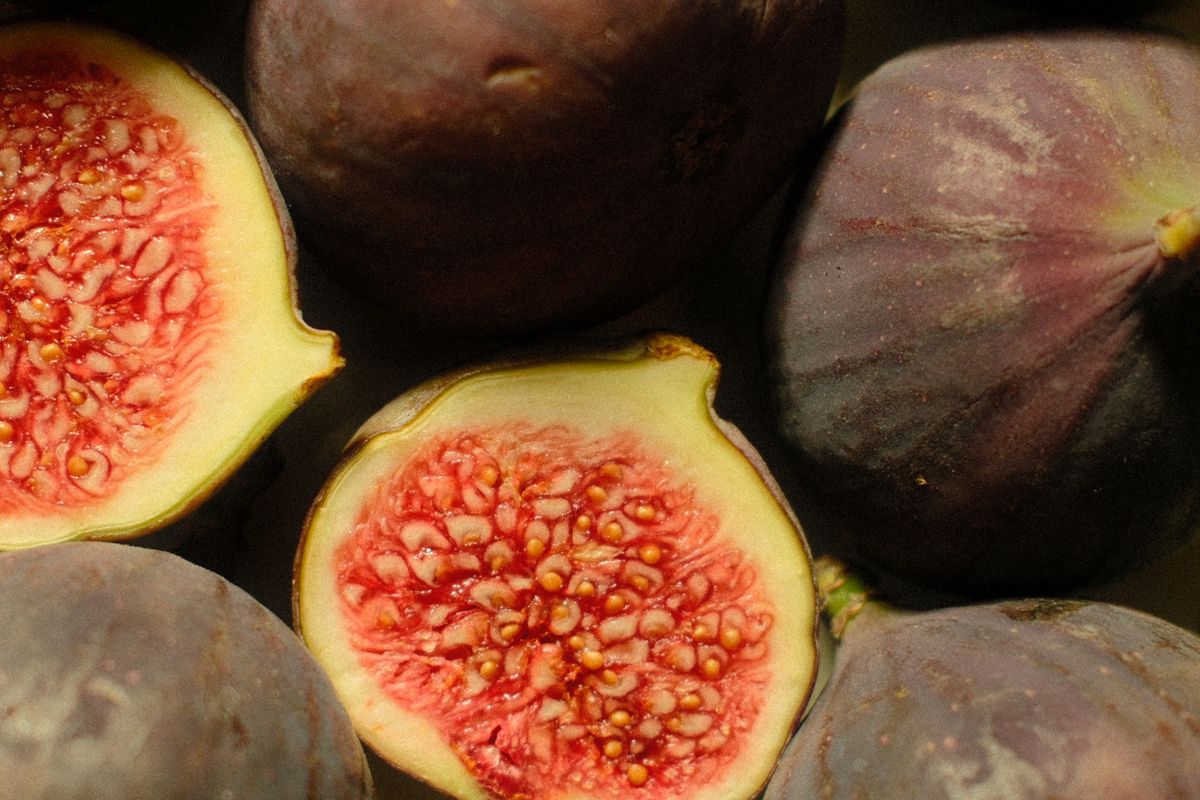
Dried Xinjiang figs are soft, dark, and intensely sweet without added sugar because the fruit already has so much. They are the better souvenir: they keep for months and pack without bruising. The best dried figs still look like fruit rather than a uniform brown pellet, and they bend rather than snap — if a “fig” shatters like a biscuit it has been over-dried or is old stock left over from a previous season.
Where to Buy the Best
Turpan is the fresh-fig capital, with roadside stalls and bazaar baskets in season. Artux, near Kashgar, is the other major growing area and a good place to buy both fresh and vacuum-packed dried. The Kashgar Sunday Bazaar in Kashgar is also a reliable dried-fig stop year-round, with vendors who will let you taste before you buy.
Spotting Quality
- Fresh: skin intact, slightly soft to gentle pressure, no sour smell.
- Dried: pliable, not rock-hard or sugary-white on the outside (that white is often added sugar).
- Vacuum packs from a known Kashgar or Turpan brand beat anonymous bulk.
- Taste one — real Xinjiang figs are sweet, not bland or sour.

Packing Figs Home
Fresh figs will not survive a long trip, so eat those on the spot and buy vacuum-packed dried for the journey. Dried figs travel well in checked luggage for months and pass customs easily as a clearly commercial, sealed product. Keep a receipt if you want to be tidy at the border, and double-bag them so the scent doesn’t drift into your clothes.
Eating them fresh is the part visitors miss. A warm fig from a street stall in Hotan, split open with a spoon, is nothing like the dried version, and it is the reason I now plan one afternoon of the trip around the fig season rather than buying figs in a supermarket in February and concluding I dislike them.
Frequently Asked Questions
Are Xinjiang figs the same as Mediterranean figs?
They are the same species (Ficus carica) but a different eating experience. The Xinjiang varieties are smaller, darker, and far sweeter and jammy because of the climate, and they are usually eaten tree-ripened rather than shipped green, so the texture is softer and the seeds less noticeable.
When is fig season in Xinjiang?
Fresh figs run from roughly July through September, peaking in August. Dried figs are available all year. If fresh figs are your goal, plan an August visit to Turpan or Artux.
How much do they cost?
In season, fresh figs run about 10 to 20 yuan per kilogram at local stalls; dried figs range from 30 to 60 yuan per kilogram depending on grade and packaging, with vacuum-sealed gift packs at the top of that range.
Can I bring dried figs through customs?
Sealed, commercial dried figs are usually fine, but rules vary by country and some restrict fruit products. Keep them in original sealed packaging with a receipt, and declare them if your home country requires it.
Are they healthy?
Dried figs are high in fiber, natural sugar, and minerals like potassium and calcium, which makes them a reasonable sweet snack in moderation. Fresh figs are lower in calories and similarly fiber-rich. They are a treat, not a free food, because of the sugar density when dried.
What do they pair with locally?
Fresh figs with thick yogurt and honey is the classic; dried figs with lamb pilaf or strong black tea are the savory and the everyday versions. Both pairings show up across the oasis towns and are worth trying before you leave.