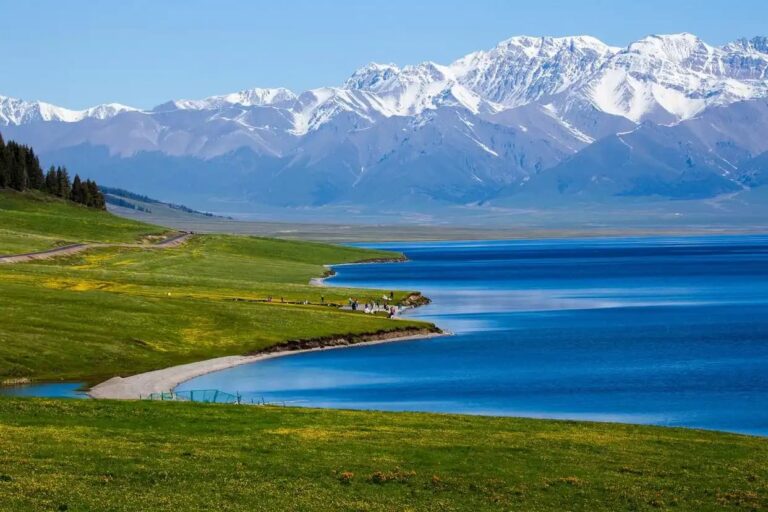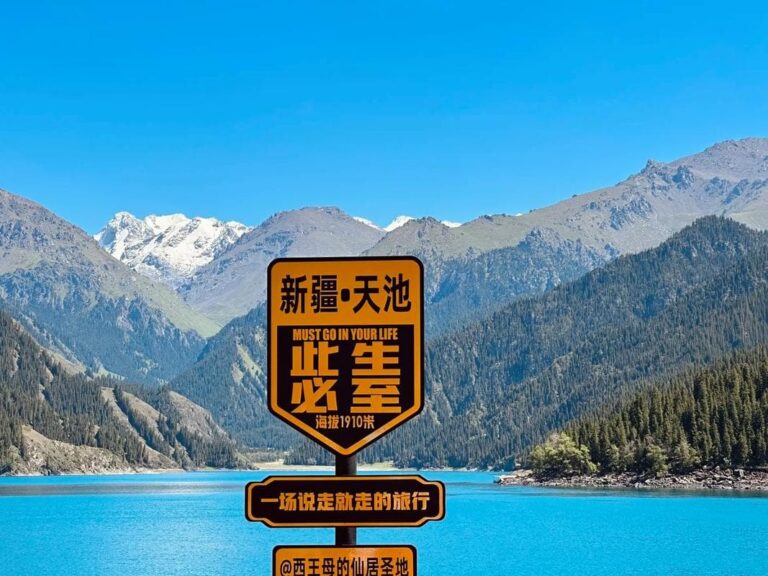
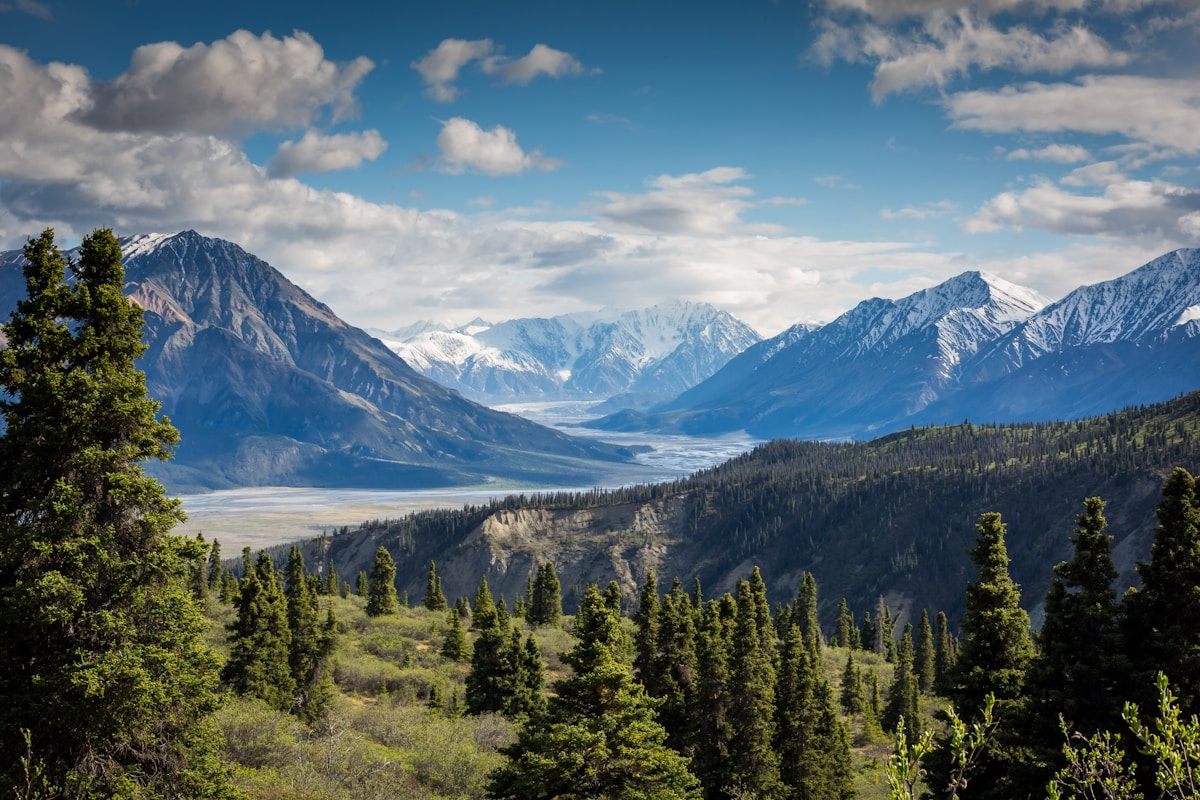
The Anjihai Red Valley (101 Danxia): Xinjiang’s Lesser-Known Color Canyon
Why it is worth the detour
The Anjihai Red Valley, often called the Anjihai Danxia or simply the Red Valley, is a stretch of eroded, color-banded earth along Xinjiang’s famed Scenic Route 101, the old military road that threads the northern Tianshan from Urumqi toward the west. Unlike the ticketed Danxia parks elsewhere in China, this canyon is wild and unmanaged: a maze of red, yellow, and grey gullies cut by a tributary of the Manas River, open to anyone who finds the right pull-off.
Its obscurity is its charm. There are no gates, no crowds, and no fixed paths, just a landscape that looks painted and a road that runs along its rim. For self-drivers willing to slow down, the Red Valley is one of the most rewarding spontaneous stops in northern Xinjiang, a place where the geology of the whole region seems laid out for inspection.
The road in, in numbers
The valley sits along Route 101, roughly 100 to 130 kilometers southwest of Urumqi in the foothills of the Tianshan. The classic approach is by private car or rental, since the road is scenic but not served by public transport and passes through long stretches with no services. From Urumqi, allow three to four hours including stops, as the road itself is the attraction and you will want to pause often.
Route 101 is partly paved and partly gravel, and conditions vary by season and section, so a vehicle with decent clearance is advisable, especially after rain. Download offline maps before you leave, because signal is patchy along the corridor. The Red Valley is best reached as part of a broader 101 drive rather than as a standalone trip, since the surrounding pass and meadows are themselves worth the journey.
Which months to aim for
The accessible season runs from late May to early October, when the snow has left the passes and the steppe is green. Summer offers the most reliable road conditions and the fullest color contrast, while September brings cooler air and golden light that flatters the red strata. Spring can still have closed or muddy sections, and autumn beyond October risks early snow at altitude.
Light is everything here. The banded cliffs glow at sunrise and sunset, when low sun rakes across the gullies and saturates the reds. Midday washes them out, so plan to be at a viewpoint in the first or last hour of daylight. After rain the colors deepen dramatically, though the unpaved road becomes slick, so weigh the photographic payoff against the driving risk.
The sights that count
Drive the rim slowly and use the natural pull-offs to look down into the gully system, where erosion has sculpted a labyrinth of narrow canyons and rounded buttes in shades from brick red to pale cream. The layering is the main event: you can read the sediment bands like tree rings, a visible record of the Tianshan’s geological past.
Walk carefully to the edge where it is safe to do so, and look for the small side drains that cut intricate miniature versions of the main canyon, perfect for close-up photography. In the wider sections, the red earth gives way to green meadow and distant peaks, a transition that makes the Red Valley feel like several landscapes stacked together. Few visitors venture beyond the first viewpoint, so walking a little further usually buys you complete solitude.
Bring a drone only if you have confirmed it is permitted, as parts of Route 101 lie near controlled zones. Even without one, a standard camera and a zoom lens capture the texture of the cliffs beautifully. Pair the stop with a roadside picnic, since there is nowhere to buy food once you leave the city behind.
Little things
The rim is unfenced and the edge is unstable in places, so keep a safe distance and never stand on overhanging soil. Wear sturdy shoes, carry plenty of water, and tell someone your route, because help is far away if something goes wrong. Fuel up and stock food in Urumqi, as the 101 has essentially no services once you are underway.
Drive conservatively on the gravel sections, and turn back if weather turns foul rather than pushing on. Respect the land by carrying out all trash, since the site is unprotected and litter accumulates. Allow a full day for the corridor so you are not rushing the red sections in bad light or driving the mountain road after dark, when livestock and potholes make it hazardous.
Side trips
Route 101 connects a string of lesser-known sights, including high mountain meadows, Kazakh herding camps, and the northern approaches to the Tianshan. Urumqi, with its International Grand Bazaar and museums, is the natural start and finish. For those continuing west, the road eventually links toward the Ili corridor and Sayram Lake, making the Red Valley an ideal first taste of the wild northern landscapes that lie beyond the capital.
Worth taking back
The Anjihai Red Valley is Xinjiang for the independent traveler: unscripted, uncrowded, and unexpectedly beautiful. It rewards those who trade the comfort of a ticketed park for the freedom of an open road and a pair of willing shoes. Drive the 101, stop where the earth turns red, and let the valley surprise you.