Sayram Lake Travel Guide: The Last Tear of the Atlantic in Xinjiang

Why Sayram Lake Is Different from Any Other Destination in Xinjiang

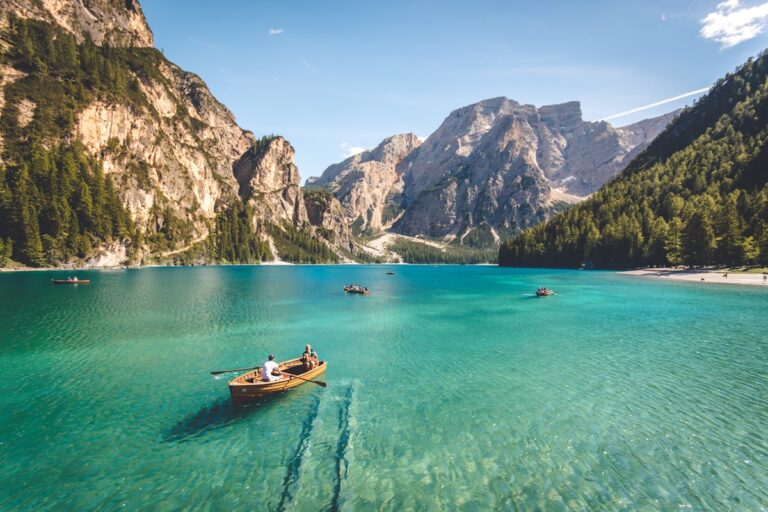
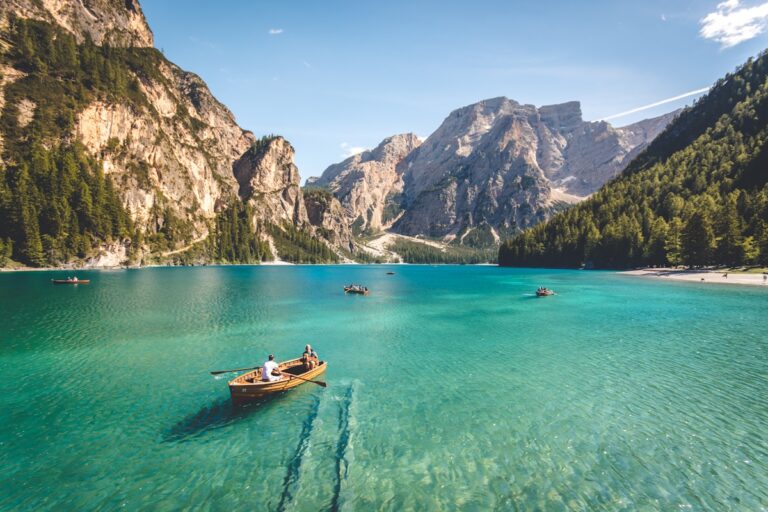
At 2,073 meters above sea level in the Bortala Mongol Autonomous Prefecture / Ili Kazak Autonomous Prefecture corridor, Sayram Lake (赛里姆湖) stands as Xinjiang’s largest alpine lake, covering an area of 458 square kilometers with a maximum depth of 92 meters. What makes this lake truly extraordinary is how it behaves unlike any lowland reservoir: it’s oligotrophic (nutrient-poor), ice-fed by glacial meltwater from the surrounding Tianshan Mountains, and famously fickle—one hour it appears slate-gray under heavy clouds, the next hour it transforms into electric cyan when sunlight penetrates the clear mountain air.

Best Time to Visit: A Seasonal Breakdown

Late May to early June is when the lake ice begins to break up dramatically. You can witness massive ice sheets cracking and shifting with thunderous sounds, while wildflowers begin blooming on the south shore. The temperature during this period ranges from 5°C to 15°C, requiring warm clothing but offering the most dramatic scenery.

July to August offers peak azure saturation in the water color, with warm days (15–22°C lakeside) that are perfect for outdoor activities. However, this is also when domestic tourism peaks—expect crowded photo spots and fully booked yurt camps. If you must visit during summer, aim for weekdays and arrive before 9:00 AM to secure parking at popular viewpoints.

September is arguably the best month for serious photographers and travelers seeking tranquility—crisp air, golden steppe grasses turning from green to amber, and significantly fewer tour buses. The temperature swings become more pronounced (5°C to 18°C), but the photographic rewards are immense. October can still be accessible in the first half, but snow closures typically begin around mid-month.

Winter (November to April) often closes the area to through-traffic and is brutally cold, with temperatures dropping to -20°C to -30°C. While the frozen lake surface and snow-covered surrounding mountains create an otherworldly landscape, it’s not a standard visit window and requires specialized winter driving equipment plus emergency preparations.

Tickets, Fees & Transportation Guide

Entrance fees are approximately ¥70 / person + mandatory shuttle bus or toll element depending on whether you’re doing the full ring road. Recent years have shifted toward allowing self-drive on the lakeside highway with a daily pass fee of approximately ¥145 total for foreign-plated vehicles—but you must confirm the current policy at the arrival gate, as regulations tweak annually and enforcement can be inconsistent.

The Ring Road is a ~90 km one-way gravel/asphalt loop hugging the shoreline—and this is the primary reason to visit Sayram Lake. There are designated stop-offs every few kilometers, including glacier viewpoints, nomadic tent encampments, and purpose-built photo platforms. The road condition is generally good for 2WD vehicles, but high-clearance is recommended after rain or during spring thaw when some sections may have minor washouts.

Transportation Options from Major Cities

  • From Yining (Ili): Approximately 1.5 hours east via G30 expressway. This is the most common approach route, with good road conditions and several service areas along the way for restroom breaks and snacks.
  • From Urumqi: Approximately 6–7 hours via G30 expressway. Many travelers combine this with a multi-day Ili Valley circuit rather than making it a day trip.
  • Private charter: ¥600–900 / vehicle round-trip from Yining including waiting time. This is the most flexible option, allowing you to control your pace and make impromptu stops at scenic viewpoints along the way.
  • Public bus: There are intermittent local buses from Yining to the lake area, but they run infrequently and won’t allow you to complete the ring road at your own pace. Not recommended for foreign travelers with limited time.

What to Do at Sayram Lake: Activities & Experiences

Driving the entire lakeside loop is the quintessential Sayram Lake experience—don’t rush; the journey is the destination. Start at the West Platform for the iconic wide-angle view of the entire lake with Bogda Peak massif in the distance, then move east along the shoreline for more intimate coves and changing light conditions as the day progresses.

Eating with a Kazakh family in their seasonal yurt encampment is a cultural highlight. Families sell milk tea (salty, with butter), kurut (dried cheese balls with a tangy, preserved flavor), and grilled introduced rainbow trout (ecologically controversial but economically real for local families). A typical meal costs ¥50–100 per person and includes multiple rounds of tea, bread, and shared dishes.

Photography Guide: Capturing the Perfect Shot

Golden hour at the southeast inlet is widely considered the best photographic opportunity—this is where the steppe grasses catch warm side-light and the water transitions to cobalt blue. For serious photographers, etiquette is paramount: always ask before photographing herders or their families. Don’t wander through a family yurt circle without explicit invitation, as these are private living spaces. Cash tips of ¥10–20 for small assistance or ¥50 for a meal are genuinely appreciated.

Beyond the lake itself, the surrounding Tianshan spruce forests and alpine meadow wildflowers (late May to June) provide additional foreground interest. A wide-angle lens (16–35mm equivalent) is essential for capturing the scale, while a telephoto (70–200mm) helps compress the mountain reflections.

Where to Stay: Accommodation Options Near Sayram Lake

Accommodation options range from authentic but basic yurt stays (¥80–200/person including a floor mattress and shared meals) to mid-range lodges just outside the scenic area entrance. The yurt camps operate seasonally from approximately June to mid-September, and you must book ahead if traveling during July–August peak season.

Staying overnight inside the scenic area gives you privileged access to both sunset and sunrise shots without competing with hundreds of day-tour visitors. The yurts are equipped with basic bedding, but bring your own sleeping bag liner for hygiene and extra warmth, as temperatures drop sharply after sunset. Solar-powered lighting is available in some camps, but don’t expect reliable electricity for charging devices.

For travelers preferring more comfort, the town of Yining (1.5 hours away) offers a full range of hotels from budget (¥150/night) to luxury (¥800+/night). This is a practical base if you want to explore multiple Ili Valley attractions beyond just Sayram Lake.

Combine With Nearby Attractions: Building an Ili Valley Itinerary

Sayram Lake pairs perfectly with several other signature Ili destinations:

  • Guozi Gorge (果子沟大桥) – An architectural marvel of a cable-stayed bridge crossing a deep forested gorge. The drive between Sayram Lake and Huocheng passes directly over this bridge, providing spectacular views. No extra ticket required, but there’s no parking on the bridge itself.
  • Huocheng lavender fields (mid-June–early July) – Known as the “Lavender Capital of China,” with expansive purple fields that rival Provence. Best visited in the early morning for soft light and to avoid the midday heat.
  • Yining city – The regional hub where you can experience Kazak folk music performances, visit the local bazaar for dried fruits and nuts, and dine on authentic Hui and Uyghur cuisine.
  • Tekes Bagua City – The only city in China planned according to the Eight Trigrams (Bagua) system from the I Ching, with a fascinating circular street layout that’s best appreciated from an aerial perspective.

Practical Tips for Foreign Travelers: What Guidebooks Won’t Tell You

  • Altitude considerations (2,073 m): Mild altitude effects are possible for sensitive individuals. Stay hydrated, avoid alcohol for the first 24 hours, and ascend gradually if coming directly from low elevation. Symptoms like headache or nausea should prompt immediate descent.
  • Extreme weather swings: Bring layers—temperature swings of 15°C–20°C in a single day are normal. A waterproof windbreaker, fleece mid-layer, and moisture-wicking base layer are essential, even in July.
  • Payment reality: Cash is king at yurt camps and small roadside vendors; bring small bills (¥10, ¥20, ¥50). Mobile payment (WeChat/Alipay) is common in Yining but unreliable at the lake itself due to spotty connectivity.
  • Mobile connectivity: Signal is spotty along the ring road, particularly on the eastern and northern shores. Download offline maps (Gaode/Maps.me) before departing Yining, and inform someone of your intended return time.
  • Permit requirements: No special border permit is needed for the Sayram Lake area itself, unlike some other Xinjiang destinations near international boundaries. However, always carry your passport, as random checks can occur at any road checkpoint.
  • Fuel planning: Fill your fuel tank in Yining before departing. There are no gas stations inside the scenic area, and the nearest one outside the gate may have limited operating hours in shoulder season.

EEAT Considerations: Respecting Culture & Environment

As a foreign traveler, understanding that this isn’t a theme park—it’s a working landscape where Kazak nomadic families have grazed livestock for generations—is essential. When you visit a yurt camp, you’re a guest in someone’s home, not a customer at a hotel. Accept tea if offered (refusing can be impolite), ask before photographing people, and pack out all trash from the lakeshore.

The ecological balance here is exceptionally fragile. The lake’s oligotrophic nature (extremely low nutrient levels) means even small amounts of pollution can have outsized impacts on water clarity and aquatic life. Stick to designated viewing platforms and roads to avoid trampling the alpine meadow vegetation, which can take decades to recover from damage.

Climate change is visibly affecting the region—glacial retreat on the surrounding peaks is measurable, and the timing of ice breakup on the lake has shifted earlier by approximately 7–10 days over the past two decades. As a visitor, minimizing your carbon footprint (considering carbon offset for your flight to Xinjiang) and supporting locally-owned yurt camps (rather than externally-owned tour operations) contributes to sustainable tourism.

Sample One-Day Itinerary (Departing from Yining)

07:30 – Depart Yining via G30 expressway (stop at service area for restroom/snacks)
09:00 – Arrive at Sayram Lake east gate, purchase tickets, begin ring road drive
09:30 – First stop at West Platform (1 hour): wide-angle lake views, photo session
11:30 – Scenic drive along north shore: glacier viewpoint and quick photo stop
12:30 – Lunch at Kazak yurt camp (milk tea + grilled fish + bread)
14:00 – Continue ring road: south shore wildflower meadows (if in season)
16:00 – Hike to designated lakeside viewpoint (easy, 30–45 minutes round trip)
17:30 – Golden hour photography at southeast inlet
19:00 – Sunset at east shore viewing platform
20:00 – Exit scenic area, drive to Huocheng for overnight stay

Frequently Asked Questions

Can I drive my own rental car around the lake?

Recent policies have shifted toward allowing self-drive on the lakeside highway with a daily pass fee. However, confirm the current rules at the ticket gate, as they tweak annually and enforcement can vary. Foreign-plated vehicles may face additional paperwork or fees compared to Chinese-plated ones.

Is the water really that blue, or is it a filter?

Yes, the water truly is that blue. The lake’s oligotrophic nature and glacial flour (fine rock particles) suspension create a color that shifts from jade-green to electric cyan to steel-blue depending on cloud cover, sun angle, and wind conditions. It’s not a filter—it’s the result of geology, altitude optics, and exceptionally clear water.

When is the absolute best month for photography?

Mid-to-late September. The air is crisp and haze-free, the steppe turns golden, and the tour buses thin out dramatically. You’ll likely have the southeast inlet viewpoint nearly to yourself at sunrise, and the combination of warm grasses, blue water, and snow-dusted peaks is unbeatable.

Are there any health risks I should know about?

Apart from altitude sickness (mild at 2,073 m), the primary health risks are sun exposure (the UV intensity at this altitude is roughly 30–40% stronger than at sea level) and dehydration (the dry air causes invisible moisture loss). Use SPF 50+ sunscreen, wear a wide-brimmed hat, and drink at least 2–3 liters of water per day.

Getting Back: Route Planning After Sayram Lake

Most travelers continue from Sayram Lake to Huocheng County (for lavender fields in June–July) or back to Yining for urban amenities. The G30 expressway makes both options approximately 1.5 hours. If you’re continuing north toward Bortala or the Kazakh border crossing region, the road quality remains good but services thin out significantly—fill your fuel tank at the last station before the lake and carry extra water and snacks.

For those on a longer Xinjiang circuit, Sayram Lake also works as a gateway to the northern Tianshan routes toward Urumqi (6–7 hours southeast) or as part of a multi-day Ili Valley loop incorporating Nalati Grassland, Karakul Lake (not to be confused with the one near Kashgar), and the cross-border atmosphere of Yining’s multicultural neighborhoods.

类似文章

发表回复

您的邮箱地址不会被公开。 必填项已用 * 标注