Duku Highway North: Driving from Dushanzi to the Tianshan Heart
The Duku Highway (G217) is the most famous road in Xinjiang, and its northern half — from Dushanzi up into the Tianshan and over toward the southern end — is the part people frame on their wall. It climbs from desert foothills to alpine meadow and snow in a single, winding day, crossing terrain that took five years and hundreds of lives to build. Self-drivers call it the bucket-list; this guide covers the northern approach and what makes it special.
Note: the full Duku runs Dushanzi to Kuqa, ~560 km. The north section (Dushanzi to the midpoint near the Tianshan spine) is the most dramatic.
The Route North
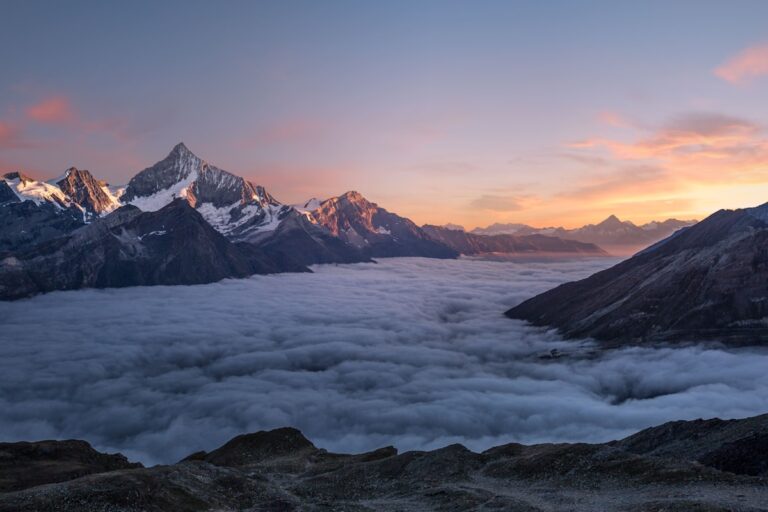
From Dushanzi (a city on the northern rim), the road immediately begins to climb. Within an hour you leave the scrub and enter pine forest, then meadow, then bare rock. The Hashiligen tunnel (highest point, ~3,400 m) punches through the divide. Pull-offs along the way look back over the Dushanzi gorge — one of the great road views in China.
Why the North Is the Star
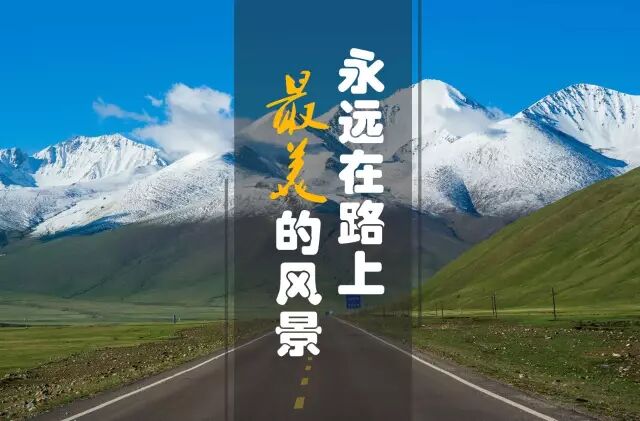
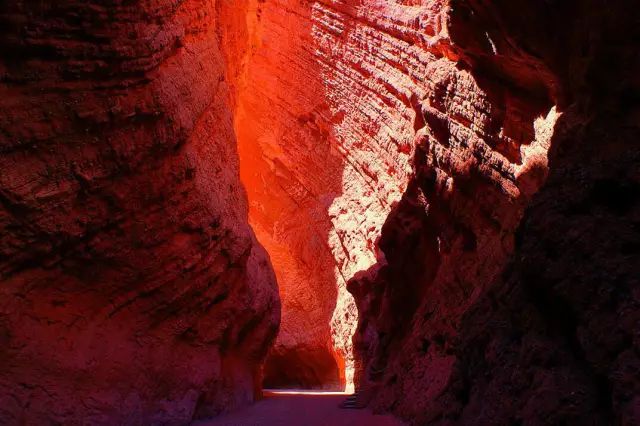
The southern half descends into red-rock desert (near Kuqa); the north ascends into green and white. For most travelers the northern climb — forest, lake, grassland, snow — is the more beautiful half and the one that pairs naturally with a Sayram–Ili loop. Many drive the north section as a day trip from Urumqi or Yining and turn back rather than commit to the full crossing.
The checkpoints, honestly
They are tedious rather than dangerous, and the driver’s document pack is the only thing that makes them quick. You will stop at checkpoints. They are short, they are not hostile, and the whole process for a foreign plate takes longer than for a local one because the officer has to make an entry. Keep passport and car documents in the glovebox rather than the boot so you are not unpacking in front of a queue. Nobody has ever been rude to me at one of these. Write down the address of tonight’s accommodation, because that is the question they ask. I wrote the driving side up in our [[duku-highway-season-driving-tips|Driving the Duku Highway: Season, Stops and…]] as well.
Where to sleep on the road and where to park
Ask for a room away from the yard, since the yard is where the trucks sleep. In Tianshan the hotels cluster along the through road and the value one is usually the second block back, five minutes from the misnamed central place and half the price. The county town on this route is where to overnight, not the scenic stop, because the scenic stops have no quiet parking and no kitchen open after eight. Where most people get the logistics wrong is covered in our [[the-duku-highway-driving-chinas-most-spectacular-road|The Duku Highway: Driving China’s Most…]].
Fuel, and the gaps where there is nothing
I have been on a road in this region where the next fuel was two hours back, the reason being a closure, and the only thing that got me moving was a trucker with a spare can. The bad news is the distance between them through the middle sections, enough that a full tank is arithmetic rather than paranoia. Every town on this route has a station and every station takes cards, which is the good news. Fill before you leave anything with a city name on the map, even if the next is only ninety minutes out. The short version, with the numbers, is in our [[the-g219-in-xinjiang-driving-the-wild-southern-frontier-highway-from-yecheng|The G219 in Xinjiang: Driving the Wild…]].
What a local driver would refuse to do
A driver who knows this road gives you the honest distance. My host in Tianshan said the pass was two hours, meaning two hours driving without the stops, and that is the number to plan around, not the one the map shows. What they will happily do is leave at five in the morning to catch the light, and that is the version worth asking for. What they will refuse is a night drive over the high sections in winter, and they are right.
Season and Rules
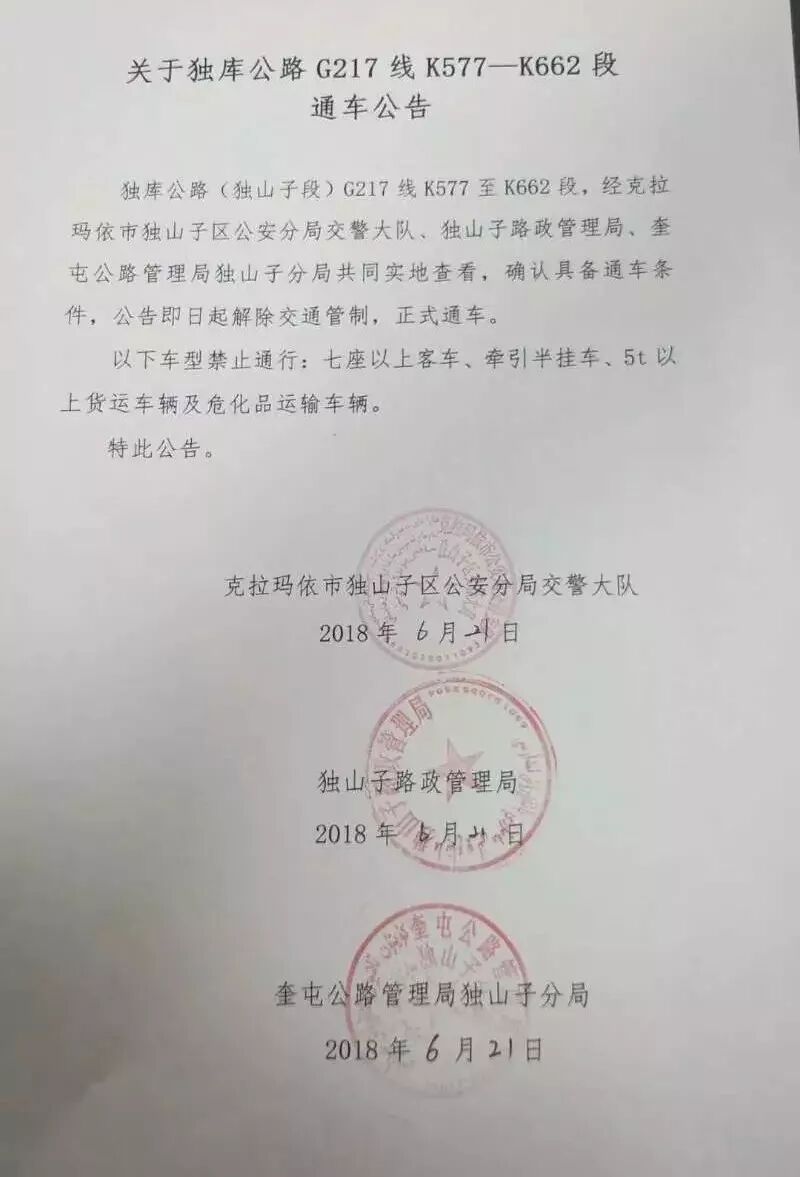
The Duku opens roughly June to October, depending on snow; it’s closed in winter and can close for weather even in season. It’s one-way-timed in sections and has a daily vehicle cap in peak months — start early. No fuel on the high stretch; fill in Dushanzi or at the north-end towns. The road is paved but narrow with cliff edges; drive the speed limit and enjoy the pull-offs.
Pairing It
Combine the north Duku with Sayram Lake and the Ili loop for a green-and-mountain week, or drive the whole Duku south to Kuqa for a desert payoff. Either way, the northern climb is the memory — a road that compresses half a continent of landscape into a single morning.
For the complete driving plan, my The Duku Highway: Driving China’s Most Spectacular Road breaks down every section, the fuel stops, and the seasonal opening window.