Driving an EV in Xinjiang: Charging Across the Long Distances
Where Charging Works
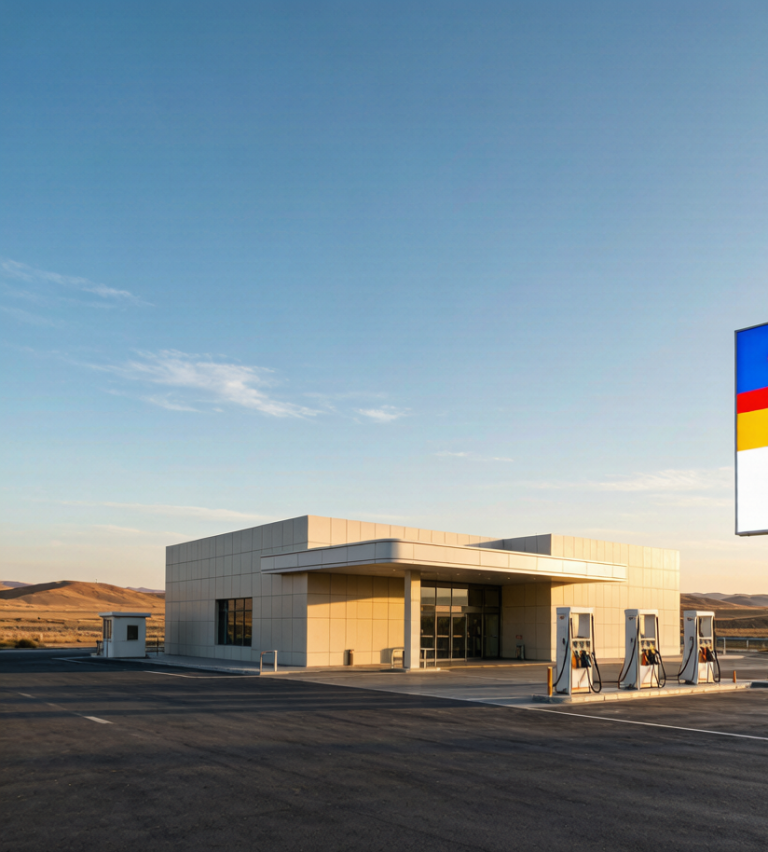
Urumqi, Kashgar, Yining, Turpan, and the main highway corridors (G30, the Tarim rim) have public fast chargers — at malls, service areas, and the big gas-and-charge plazas. City-to-city on the main roads is feasible in a modern EV with 400+ km range. Apps like 高德 show charger locations; plan stops around them as you would fuel.
The Gaps
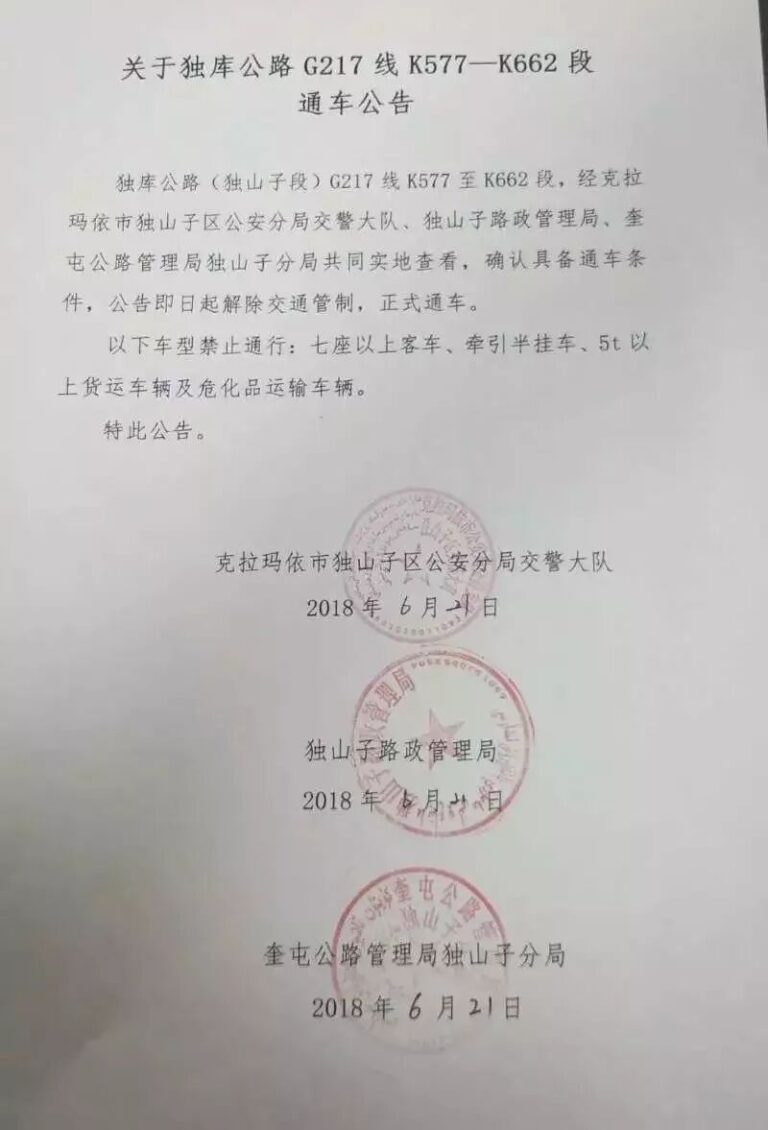
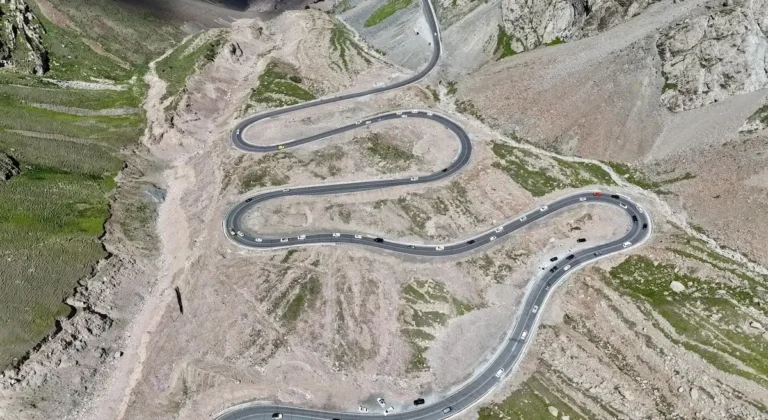
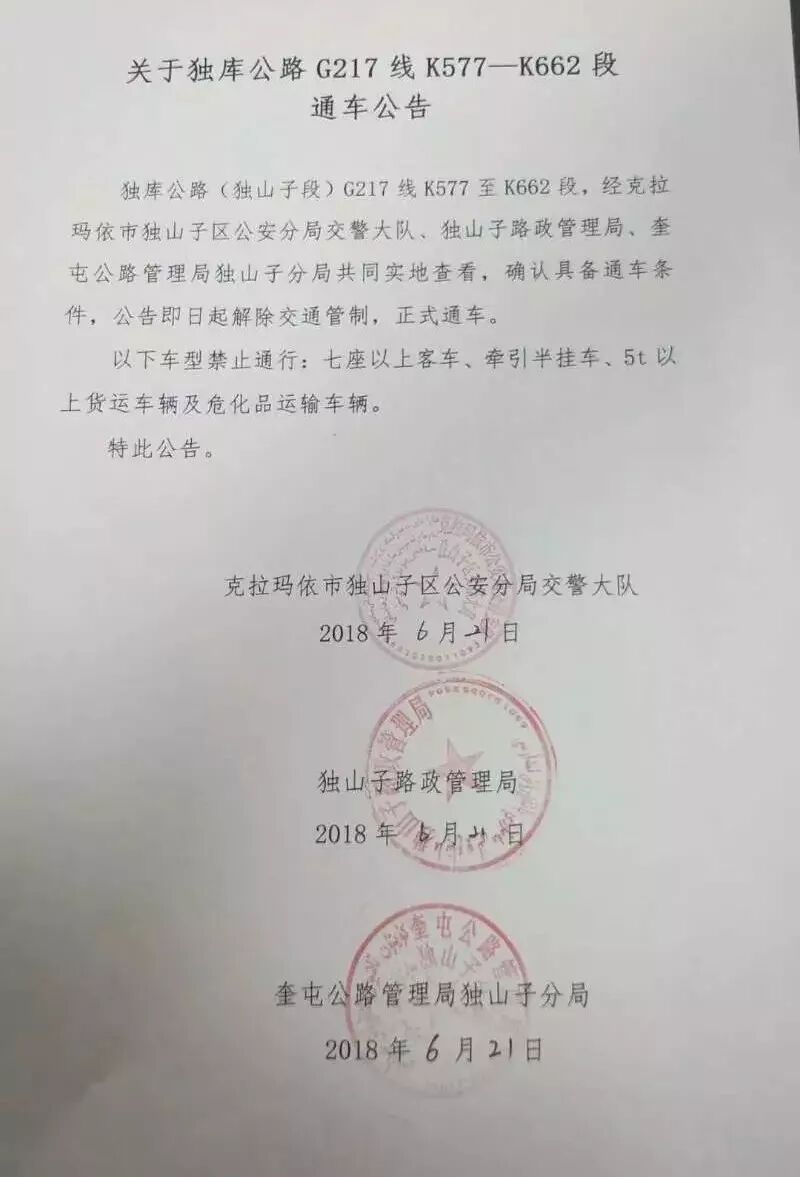
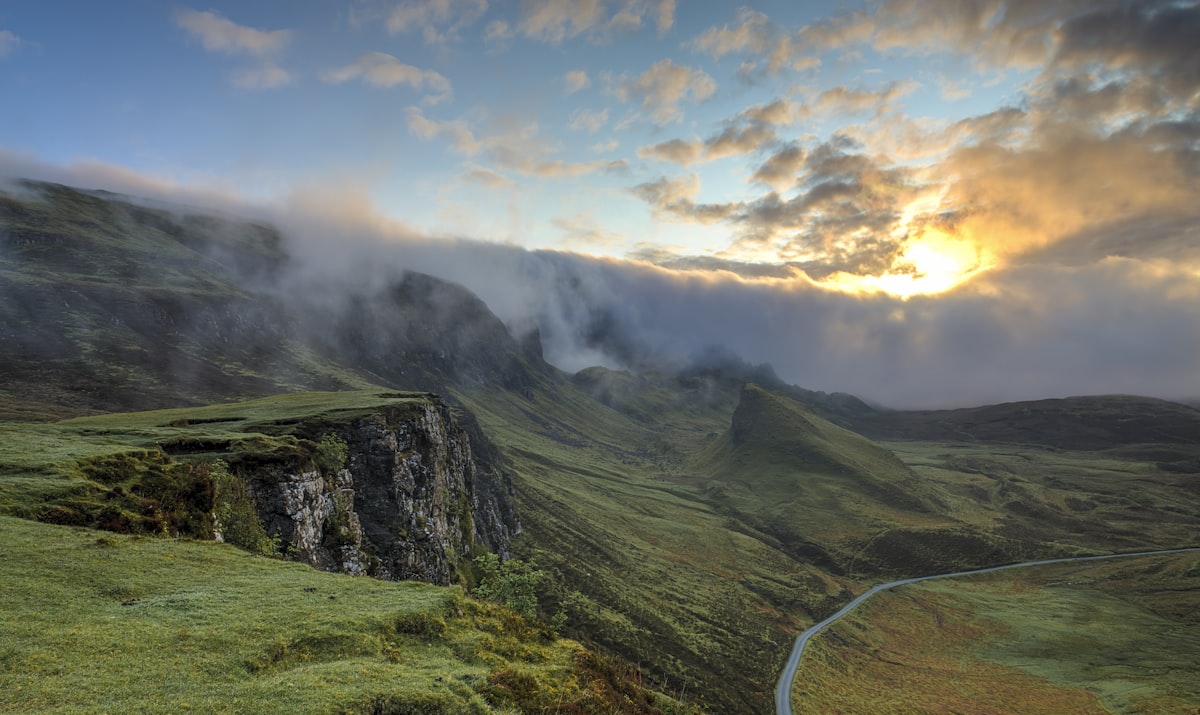
The mountain passes (Duku, Pamir upper sections) and the deep desert crossings have few or no chargers — a problem if you’re not topped up. The Taklamakan middle and the high Pamir are petrol territory for now. Cold also cuts range hard (-20°C can halve it), so winter EV travel needs bigger buffers. Rent an EV for the city-and-corridor loops, not the remote expeditions.
Planning a Charge-Aware Route
Map chargers before each leg; never leave a town below 80% if the next charge is uncertain. Carry the rental’s charge app and a backup payment method. For the Pamir or the desert highway, take a petrol car or a hired driver — the EV gap there is real. In summer, an EV does the Urumqi–Turpan–Kashgar corridor comfortably with planned stops.
Is It Worth It
For the main corridors, yes — quiet, cheap to run, and increasingly easy. For the frontiers, not yet. Match the car to the route: EV for the highways, petrol for the passes. Xinjiang’s charging map is young but growing; check it per trip, because it changes fast — and the long road that once killed EVs is slowly getting plugs.
Where the Chargers Are
Urumqi, Kashgar, Yining and Turpan, plus the main highway corridors (the G30 and the Tarim rim), now have public fast chargers at malls, service areas and charge plazas. City-to-city on the main roads is feasible in a modern EV with 400+ km of range; apps like 高德 (Amap) show charger locations, so plan stops around them as you would fuel. The Urumqi-Turpan-Kashgar corridor is comfortably doable in summer with planned charging.
Where to sleep on the road and where to park
Ask for a room away from the yard, since the yard is where the trucks sleep. In Xinjiang the hotels cluster along the through road and the value one is usually the second block back, five minutes from the misnamed central place and half the price. The county town on this route is where to overnight, not the scenic stop, because the scenic stops have no quiet parking and no kitchen open after eight. The evening version of that plan is in our [[xinjiang-night-driving|Night Driving in Xinjiang: When It Helps…]].
What winter does to this road
The problem is that a pass at this height can shut for a day with no warning and reopen at dawn, and nobody announces it until somebody radioes it in. The surface is fine. Drive it in summer and none of this matters. Between November and March you are planning around a gate that moves. Snow chains help, warm layers in the cabin matter more, and a full tank matters more than both. The evening version of that plan is in our [[xinjiang-night-driving|Night Driving in Xinjiang: When It Helps…]].
Fuel, and the gaps where there is nothing
Every town on this route has a station and every station takes cards, which is the good news. Fill before you leave anything with a city name on the map, even if the next is only ninety minutes out. I have been on a road in this region where the next fuel was two hours back, the reason being a closure, and the only thing that got me moving was a trucker with a spare can. The bad news is the distance between them through the middle sections, enough that a full tank is arithmetic rather than paranoia.
The checkpoints, honestly
Keep passport and car documents in the glovebox rather than the boot so you are not unpacking in front of a queue. Nobody has ever been rude to me at one of these. Write down the address of tonight’s accommodation, because that is the question they ask. You will stop at checkpoints. They are tedious rather than dangerous, and the driver’s document pack is the only thing that makes them quick. They are short, they are not hostile, and the whole process for a foreign plate takes longer than for a local one because the officer has to make an entry.
The Gaps You Must Respect
The mountain passes – the Duku Highway and the upper Pamir sections – and the deep desert crossings have few or no chargers. The Taklamakan Desert Highway‘s middle and the high Pamir are still petrol territory. Cold also cuts range hard (around -20°C can roughly halve it), so winter EV travel needs bigger buffers. Rent an EV for the city-and-corridor loops, not the remote expeditions.