4WD in Xinjiang: When You Need Four-Wheel Drive and Which Routes Demand It
Last updated: July 15, 2026 · Written by Karl Huang, a Xinjiang travel specialist who has spent time across the region. Practical details are cross-checked against official tourism, transport, and border-regulation sources.
What makes it different
Xinjiang is a dream destination for self-drive travelers — the wide highways, dramatic landscapes, and the freedom to stop wherever a snow-capped peak or a desert dune catches your eye make it one of the best road-trip regions in the world. But as you plan your Xinjiang driving adventure, a crucial question arises: Do you need a 4WD (four-wheel drive) vehicle, or wil a standard 2WD sedan or SUV suffice?
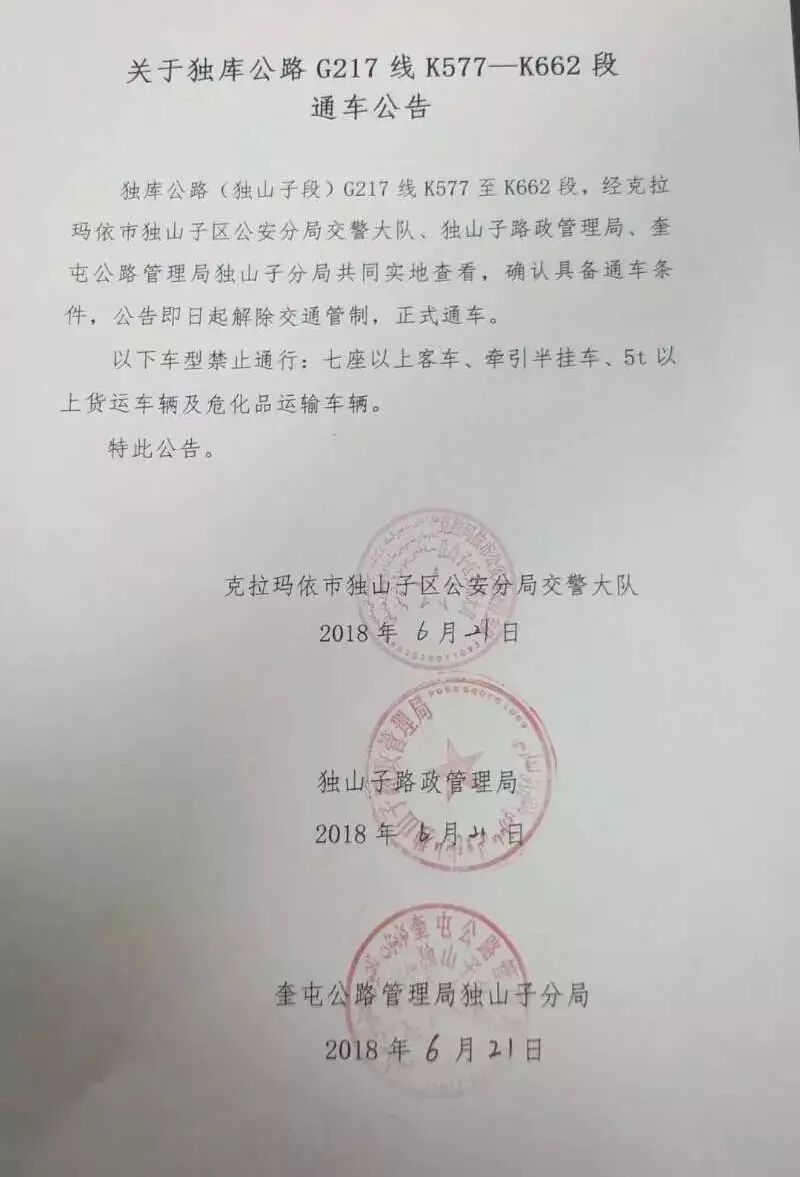
The answer, as with most things in travel, is: it depends. Most of Xinjiang’s main tourist routes — including the Duku Highway (during its summer opening), the highway from Kashgar to Tashkurgan, and the road to Sayram Lake — are fully paved and regularly maintained. You can (and many travelers do) drive these routes in a standard 2WD rental car without any problems. However, there are specific routes, seasons, and situations where 4WD is not just nice to have — it’s essential for safety and accessibility.
This guide breaks down exactly when 4WD is necessary in Xinjiang, which routes absolutely require it, which routes are fine without it, and what kind of vehicle to rent if you do decide to go with 4WD. We also cover the practicalities of renting 4WD in Xinjiang, including costs, insurance considerations, and the off-road regulations you need to be aware of.
When 4WD is Necessary in Xinjiang
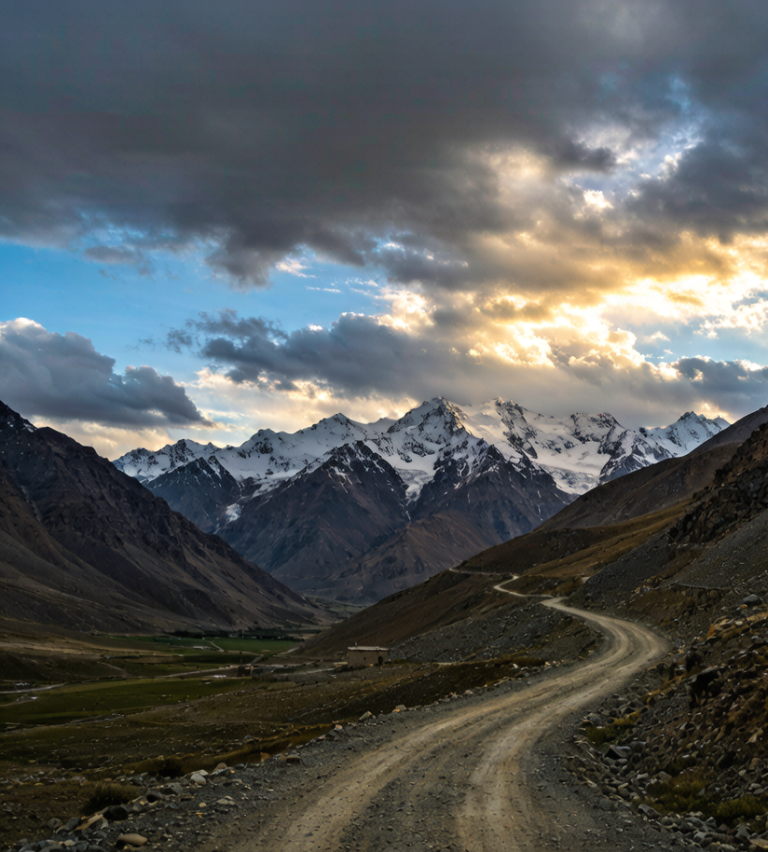
1. The Duku Highway outside of summer: The Duku Highway (G217) is Xinjiang’s most famous scenic drive, crossing the Tianshan Mountains from Dushanzi to Kuqa. It is typicaly open only from June to September (exact dates depend on snow conditions). During the oficial open season, the road is fully paved and passable by any standard vehicle. However, if you are attempting to drive the Duku in late May or early October — the shoulder seasons when the road may have just opened or be about to close — there can be unexpected snow at the higher passes (the highest point is about 3,400m). In these conditions, 4WD with winter tires or chains is strongly recommended.
2. The Karakoram Highway (G314) in winter or early spring: The KKH from Kashgar to the Khunjerab Pass (China-Pakistan border) is paved and generally accessible from April to November. But winter storms can bring heavy snow to the high passes, and a 4WD vehicle provides crucial traction and stability in these conditions. Even in summer, if you plan to detour onto side roads leading to remote vilages or trailheads, 4WD opens up options that a standard car cannot handle.
3. Desert routes and unpaved sections: While the main Taklamakan Desert Highway (G216) is paved, some of the most rewarding side trips involve driving on unpaved or sandy tracks. For example, accessing remote sections of the Lop Nur area (with proper permits) or visiting certain desert oases off the main highway requires driving on sand or gravel. A 4WD vehicle with good ground clearance is essential for these adventures.
4. Mountainous areas after rain or snow: Xinjiang’s weather can change rapidly in the mountains. A sunny morning can turn into a snowy afternoon at elevation. If you are driving in spring (April–May) or autumn (October–November) in mountainous areas like the Tianshan or Pamir ranges, 4WD provides a critical safety margin. It won’t make you invincible, but it wil help you maintain control on slick or uneven surfaces.
5. River crossings and flood-prone areas: In some remote areas (particular in the Pamirs and certain sections of southern Xinjiang), heavy rain can temporarily wash out sections of road or create shallow river crossings. While you should generally avoid driving through flowing water, a high-clearance 4WD vehicle is better equipped to handle unexpected rough patches than a low-clearance sedan.
Routes That Demand 4WD (and Those That Don’t)
Routes where 4WD is recommended or required:
The Wusun Ancient Road (乌孙古道) approach roads: The Wusun Ancient Road is a famous trekking route, but accessing the trailheads often involves driving on rough, unmaintained mountain roads. 4WD is highly recommended for reaching the starting points.
The G219 (Xinjiang-Tibet Highway) sections: Parts of this epic cross-border route involve high mountain passes, unpaved sections, and seasonal snow. 4WD is strongly advised, and some sections may be restricted to high-clearance 4WD only.
Remote sections of the G218 (Yining to Korla): While the main highway is paved, some of the most scenic detours (into the grasslands or to remote Kazakh yurt encampments) require leaving the pavement. 4WD allows you to explore these side routes safely.
Routes where 2WD is perfectly adequate:
The Duku Highway (June–September): Fully paved, wel-maintained during the open season. Any standard car can handle it. That said, a higher-clearance vehicle (even 2WD SUV) is more comfortable on the winding mountain sections.
Urumqi to Turpan: Excelent highway, completely paved. No special vehicle needed.
Kashgar to Tashkurgan (June–October): The Karakoram Highway is paved and maintained. A standard rental car is fine. Just be aware of the altitude (Karakul Lake at 3,600m) and drive cautiously.
Urumqi to Sayram Lake via the G30: Highway all the way. Easy drive in any car.
The Ili Valley loop (Yining → Nalati → Tekes → Zhaosu → Yining): Al paved roads, suitable for any vehicle. This is one of the most scenic and accessible loops in Xinjiang.
Vehicle Rental Guide: 4WD Options in Xinjiang
Renting a 4WD vehicle in Xinjiang is straightforward in major cities but requires some planning. Here’s what you need to know:
Where to rent: Urumqi has the widest selection of rental vehicles, including 4WD SUVs and off-road vehicles. Major rental companies (both Chinese and international) have outlets at Urumqi Diwopu International Airport. Kashgar also has rental options, though the selection is more limited. Booking in advance (especialy for peak season, June–September) is essential — 4WD vehicles are in high demand and can sel out.
Types of 4WD vehicles available: The most commonly available 4WD rental in Xinjiang is the Toyota Land Cruiser (or its Chinese equivalent, the Foton Tunland or Great Wall Wingle). These are rugged, reliable, and have high clearance — ideal for Xinjiang’s mixed road conditions. Other options include the Jeep Cherokee, the Nissan X-Trail (if you want something smaller), and various Chinese-branded 4WD SUVs. For serious off-road driving, the Land Cruiser is the gold standard.
Costs: Expect to pay ¥500–900 per day for a 4WD SUV rental, depending on the model, season, and rental duration. Insurance is typicaly extra (¥50–150 per day). Some rental companies require a security deposit (¥3,000–10,000), which is refunded after the vehicle is returned undamaged. Fuel costs are the driver’s responsibility — in remote areas, gasoline can be slightly more expensive than in cities.
Documents needed: To rent a car in Xinjiang (4WD or otherwise), you wil need a valid driver’s license from your home country (plus an oficial Chinese translation or an International Driving Permit, though enforcement varies), a passport, and a credit card in the driver’s name. Note that some rental companies may have additional requirements for foreign travelers — it’s best to confirm in advance.
Insurance considerations: Standard rental insurance in China typicaly covers basic collision and theft but may have a high deductible (¥2,000–5,000). Consider purchasing additional coverage, especialy if you plan to do any off-pavement driving. Also note that insurance may be void if you drive on clearly marked prohibited roads or into restricted border areas without the proper permits.
” alt=”Rental 4WD SUV parked at a scenic overlook in Xinjiang, showing the type of vehicle ideal for self-drive travel”>
Off-Road Regulations and Permits: What You Need to Know
Driving off-road or on unpaved tracks in Xinjiang is not as simple as just pointing your 4WD into the desert. There are regulations and permit requirements that you need to be aware of:
Border permits (边境通行证): Many of Xinjiang’s most remote and scenic areas are near international borders (Pakistan, Kyrgyzstan, Kazakhstan, Mongolia, Russia, India, Afghanistan). To visit these areas, you need a border permit, which can be obtained in Kashgar or Urumqi (for some areas) with your passport. The permit specifies which border regions you are allowed to enter. Driving a 4WD into a border zone without the proper permit can result in being turned back at a checkpoint — or worse, fines and delays.
Restricted areas: Some areas in Xinjiang are completely off-limits to foreign travelers, regardless of vehicle type. These include certain military zones and areas near sensitive border crossings. Always check the current regulations (they can change) before planning a remote 4WD adventure. Your hotel or a local travel agency can usualy provide up-to-date advice on where foreigners are allowed to go.
Off-road driving rules: Technically, driving off the designated roads (i.e., on open desert or mountain terrain) is prohibited in many parts of Xinjiang without special permission. In practice, driving on unpaved but established tracks (like those leading to a remote vilage or a ranger station) is often tolerated, but you should always ask locally before venturing off the main road. The principle is: if there’s an existing track, it’s probably OK; if you’re making fresh tracks across pristine desert, you’re probably in violation of something.
Environmental protection: Xinjiang has fragile desert and mountain ecosystems. Driving off-road can damage vegetation and disturb wildlife. Stick to existing tracks whenever possible, and never drive over archaeologically sensitive areas (there are strict laws protecting Silk Road ruins). The general rule: leave no trace, and if you’re unsure whether a route is allowed, don’t take it.
Seasonal Considerations: 4WD by Time of Year
Spring (April–May): Snow is stil present at higher elevations. Mountain roads can be slippery. 4WD is useful, especialy if you plan to drive in the Tianshan or Pamir regions. However, some high passes (including parts of the Duku Highway) may stil be closed. Check road conditions before departure — the Xinjiang Department of Transportation posts updates on WeChat.
Summer (June–August): This is peak season. Most roads are open and in good condition. 4WD is not strictly necessary for main routes, but it gives you peace of mind and the flexibility to explore side roads. Be aware that summer afternoon thunderstorms in the mountains can cause temporary road washouts — 4WD helps in these situations.
Autumn (September–October): Many travelers consider this the best season for Xinjiang road trips. The weather is stable, the colors are spectacular, and the crowds have thinned. However, the first snow of the season can arrive as early as late September in the high mountains. If you’re driving in October, 4WD with winter tires or chains is a wise precaution, especialy on routes like the Duku Highway (which typicaly closes in mid-to-late October).
Winter (November–March): Most mountain roads are closed to non-essential traffic. The Duku Highway is closed. The Karakoram Highway may be open but is extremely hazardous without proper winter driving experience and equipment. Unless you are an experienced winter driver with a properly equipped 4WD vehicle, we do not recommend self-driving in Xinjiang during winter. Take the train instead.
Practical Tips for 4WD Self-Drive in Xinjiang
Fuel: Gas stations in Xinjiang require ID checks (passport) for foreign travelers. This is normal and applies to all vehicles. In remote areas, gas stations can be far apart — always fil up when your tank drops below half. Carry an emergency fuel canister if you plan to do remote desert driving (check local regulations on fuel transportation).
Navigation: Google Maps works intermittently in Xinjiang. Baidu Maps (百度地图) or AutoNavi (高德地图) are more reliable but require some Chinese reading ability. Download offline maps before you go. A GPS device (or a phone with offline GPS) is essential for remote areas where there is no celular signal.
Spare tire and tools: Make sure your rental vehicle has a functional spare tire, a jack, and basic tools. If you’re driving in remote areas, consider bringing an extra spare tire — blowouts can happen on rough roads, and you don’t want to be stranded 100km from the nearest town.
Communication: Celular coverage in Xinjiang is surprisingly good along highways but can be spotty in remote valleys or deserts. A satellite communicator (like a Garmin inReach) is a worthwhile investment if you plan to do serious off-pavement exploration. At minimum, inform someone of your itinerary and expected return time before heading into remote areas.
Driving culture: Chinese driving culture can be assertive. On highways, the left lane is for passing — don’t hog it. In mountain areas, use your horn at blind curves (this is standard practice). And never, ever drive after drinking alcohol — China has extremely strict DUI laws, and as a foreigner, you are subject to the same (or stricter) enforcement.
The bits worth remembering
Four-wheel drive in Xinjiang is not a necessity for most travelers — the region’s main attractions are accessible by wel-maintained highways that any standard rental car can handle. But for those who want to venture beyond the pavement, who dream of reaching remote mountain lakes, desert oases, or high-altitude passes that tour buses can’t access, 4WD opens up a whole new dimension of Xinjiang. The key is to match your vehicle choice to your itinerary: if you’re doing the classic northern or southern Xinjiang loops on paved roads, save your money and rent a comfortable 2WD SUV. But if your Xinjiang dream includes side trips down unpaved tracks, high-mountain detours, or travel in the shoulder seasons when weather is unpredictable, 4WD is the way to go. Rent from a reputable company, understand your insurance coverage, carry the right permits, and always prioritize safety over adventure. The wildest, most beautiful corners of Xinjiang are waiting — and with the right vehicle, they’re within your reach.