
Xinjiang Photography Locations: A Shooter’s Map of the Region
The Icons
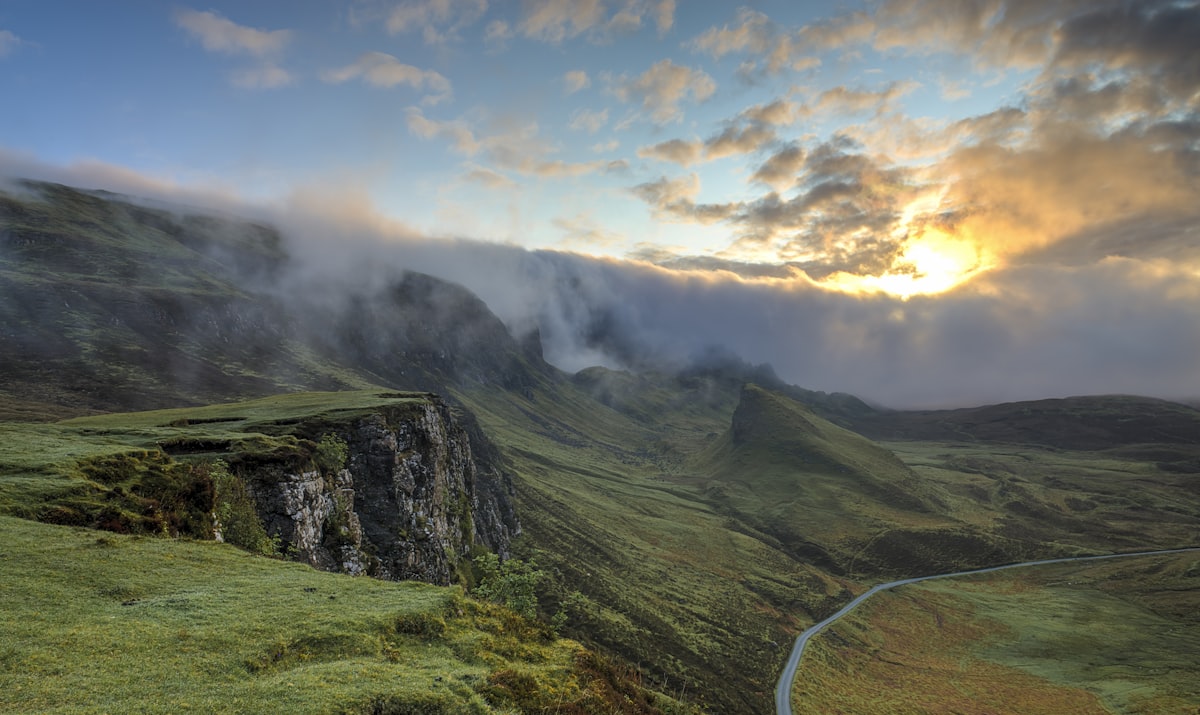
Hemu sunrise: smoke rising from birch-ringed cabins at first light — the classic, best in autumn gold. Arrive before dawn; the viewpoint fills.
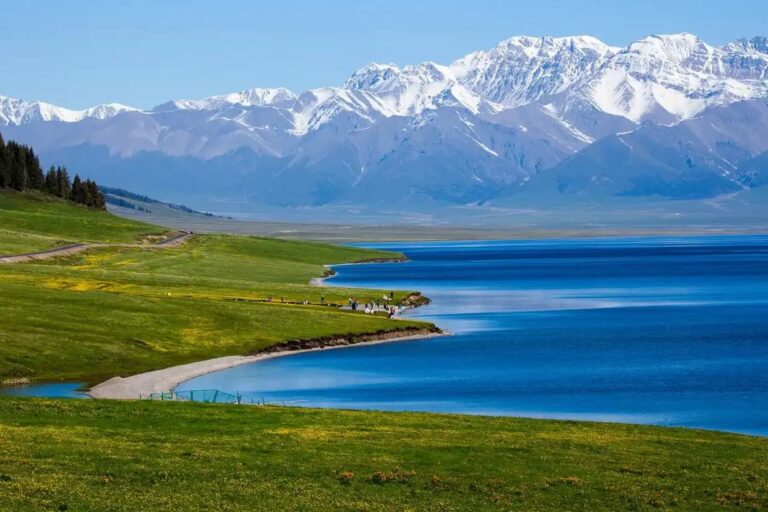
Sayram mirror: the lake still at sunrise, mountains doubled. Summer blue, off-season ice.
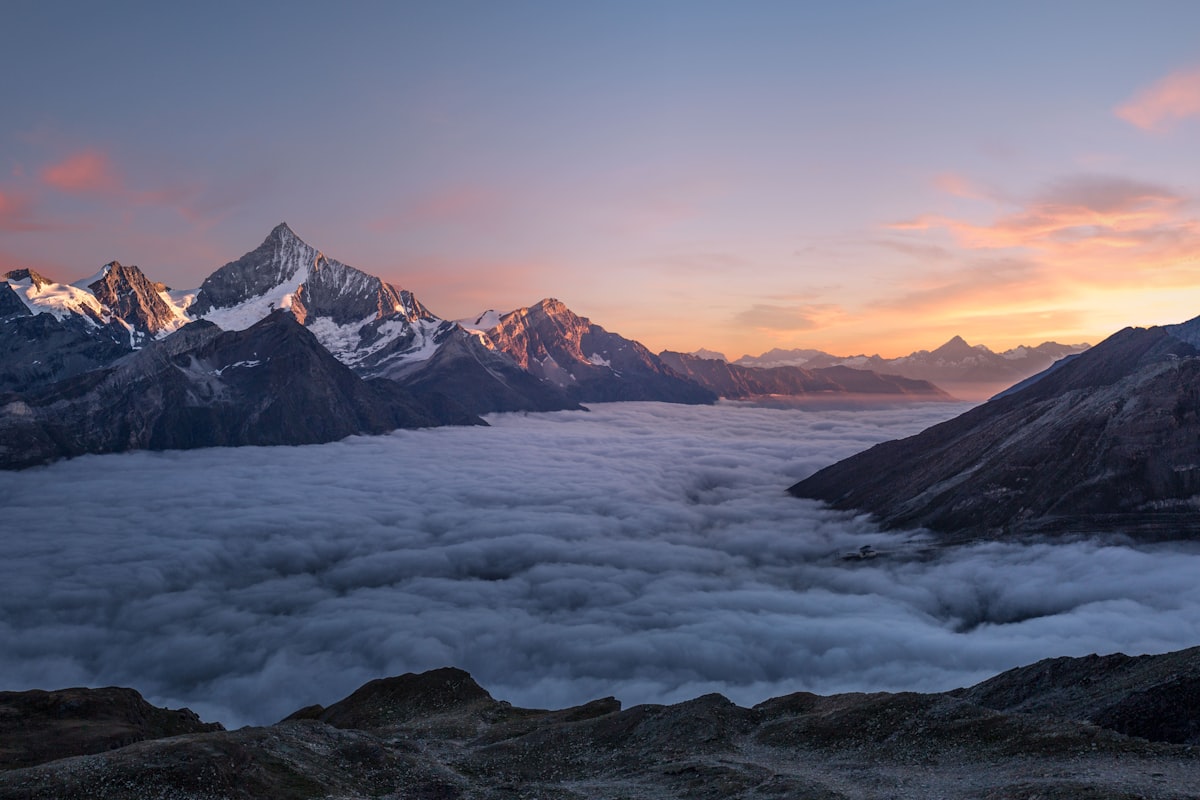
Karakul reflection: Muztagh Ata in the dawn water — sleep lakeside to catch it.
Duku cliffs: the high road at golden hour, with the valley far below.
Light and Season
Xinjiang’s dry air means clean, contrasty light — great for landscapes, harsh at noon. Shoot early and late; midday is for travel. Autumn (late Sep–early Oct) is the color peak but the crowds; spring (apricot blossom) is the quiet alternative. A polarizer tames the lake glare; a ND filter helps the water. The dust is constant — clean lenses nightly and bring plenty of cards.
Gear and Reality
A wide zoom (16–35) for the landscapes, a standard (24–70) for villages, and a tele (70–200) for peaks and wildlife. A sturdy tripod for the sunrise shoots. Power: the cold drains batteries fast — carry spares and keep them warm. Signal is nil on the passes, so shoot raw and edit later. And ask before photographing people — a smile and a gesture usually gets a yes.
Beyond the Postcards
The real wins are the unscripted ones: a herder on the grassland, a bazaar face, a dune edge at dusk. Xinjiang rewards patience and an early alarm more than any lens. Map the icons, then leave room for the frame you didn’t plan — the region hands those out for free.
The Region’s Signature Frames
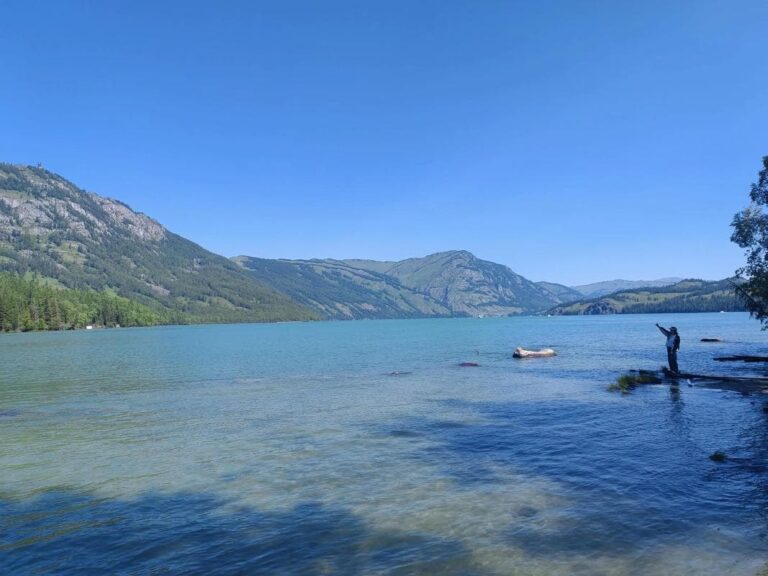
Xinjiang’s most concentrated shots are its alpine lakes and high passes. Karakul Lake mirrors Muztagh Ata at dawn – sleep lakeside to catch it. Sayram Lake is still at sunrise, mountains doubled in the water; summer blue, off-season ice. Kanas Lake in the Altai is the birch-and-mist classic, best in autumn gold. Pick two or three icons and time them, rather than chasing all of them.
How much time the place really needs
Half a day is enough to understand it. A full day is what you want when the point of coming was Xinjiang Photography Locations A itself rather than a stop on the way. The second I gave it a morning and a late-afternoon return and saw two completely different places, because the light moved across the surface and the crowds thinned to nothing. The first time I rushed it and spent the whole visit looking up at the same rock from one spot. My own rule now: if I have to choose between this and an extra evening in Xinjiang, I keep the evening.
Most first-timers plan two hours and then get stranded. The gates open early and the last entry tends to stop a couple of hours before closing, so the promise of coming back for sunset is not always possible. Budget the full morning. That covers the walk in, the slow look at the main feature, the side trails almost nobody does, and getting back to the car before the light goes flat. Ninety minutes is enough to tick the box.
If the timing is the question, our [[xinjiang-photography-spots|Best Photography Spots in Xinjiang: Light,…]] goes through it properly.
Who should think twice about {P}
I am not going to pretend this is gentle. There is a lot of unshaded ground, the altitude is real if you came from a low-altitude city, and the swing between the car and the viewpoints is enough to give you a headache on an empty stomach. Who it does suit: someone wanting one strong memory, someone driving the Xinjiang loop anyway, someone willing to be out before breakfast. Who it does not: anyone whose main goal is a relaxed few days, and anyone who has already done this same thing twice here. It suits a traveller with a car and a flexible morning.
If you are short on days, this is the thing to cut, and no guidebook will tell you that. Xinjiang Photography Locations A is superb, but it is also an hour or more in each direction from everything else you planned, and the drives are what eat the schedule. It suits people who like landscape and can walk a few kilometres at their own pace. It does not suit a family with a small child who needs a shade stop every forty minutes, and it does not suit anyone in week two of a high-altitude trip still feeling it. The honest version: take half a day if that is all the arithmetic allows, and save the full day for the thing that is genuinely once in a lifetime. The evening version of that plan is in our [[xinjiang-street-photography-guide|Street Photography in Xinjiang: Capturing…]].
Light, Season and Gear
The dry air gives clean, contrasty light – great for landscapes, harsh at noon. Shoot early and late; use midday for travel. A polarizer tames lake glare and an ND filter smooths water. The dust is constant, so clean lenses nightly. Power is the quiet problem: cold drains batteries fast, so carry spares and keep them warm, and shoot raw since signal is nil on the passes.