Self-Driving the Duku Highway in 2026: What Foreigners Need to Know
{ “@context”: “https://schema.org”, “@type”: “Article”, “headline”: “2026 Ultimate Self-Driving Guide for Foreign Travelers on Xinjiang’s Desert Highway”, “description”: “Imagine driving an off-road vehicle along a straight endless highway, surrounded by boundless golden sand dunes stretching to the horizon. At the road’s…”, “url”: “https://www.xinjiangtraveltips.com/2026-ultimate-self-driving-guide-for-foreign-travelers-on-xinjiangs-desert-highway/”, “datePublished”: “2026-05-12”, “dateModified”: “2026-05-12”, “mainEntityOfPage”: { “@type”: “WebPage”, “@id”: “https://www.xinjiangtraveltips.com/2026-ultimate-self-driving-guide-for-foreign-travelers-on-xinjiangs-desert-highway/” }, “publisher”: { “@type”: “Organization”, “name”: “Xinjiang Travel Tips”, “url”: “https://www.xinjiangtraveltips.com” }
}
Last updated: July 15, 2026 · Written by Karl Huang, a Xinjiang travel specialist who has spent time across the region. Practical details are cross-checked against official tourism, transport, and border-regulation sources.
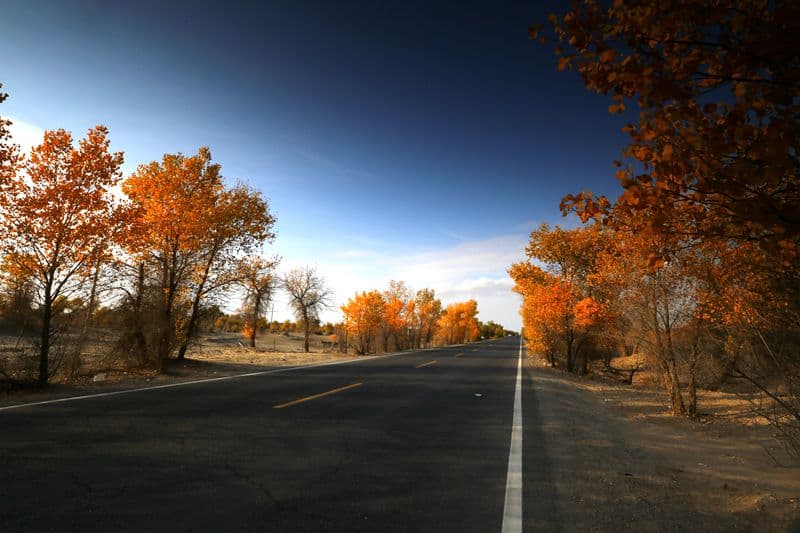
Imagine driving an off-road vehicle along a straight endless highway, surrounded by boundless golden sand dunes stretching to the horizon. At the road’s end lies a golden forest glowing brightly under the sun, burning with the vitality of life. This is the epic landscape painted by Xinjiang’s Taklamakan Desert Highway and its iconic populus euphratica forests. For international travelers in pursuit of extreme adventure and breathtaking natural scenery, a self-driving tour along the desert highway in 2026 will be an unforgettable lifelong journey. More than just a geographic crossing, it is a time travel journey from modern civilization to ancient natural wonders. This ultimate guide details how to plan and set off on this dream desert highway self-driving adventure in 2026, covering mandatory documents, travel preparations, and every stunning scenic spot along the route.
Part 1: Why Choose a Desert Highway Self-Driving Tour in 2026
2026 is a special year for travelers planning a self-driving trip along Xinjiang’s desert highway. Beyond the timeless magnificent landscapes, new policy conveniences make itinerary planning far smoother than ever before.
First, the most significant update: the electronic reform of the Border Control Permit. Starting April 15, 2026, China officially launched the nationwide electronic Border Control Permit system. While mainland Chinese residents aged 16 and above can apply online, residents of Hong Kong, Macao, Taiwan, overseas Chinese, and foreign nationals are still required to submit applications in person at exit-entry administration bureaus of county-level public security organs or designated police stations.
The application process has become more standardized and transparent for foreign visitors. Upon arriving in major Xinjiang cities such as Urumqi, Korla or Kashgar, foreign travelers are advised to contact qualified local travel agencies or professional guides immediately for assistance with the permit application. Local agents are familiar with official procedures and will help prepare required documents — generally your passport, Chinese visa and travel itinerary statement — ensuring smooth access to the desert highway and adjacent border control zones.
Second, with the continuous upgrading of Xinjiang’s tourism infrastructure, service facilities at supply stations along the desert highway (such as Tazhong Town) have matured greatly. Though still simple in condition, they fully meet basic travel needs. Traveling in 2026 allows you to experience the raw, awe-inspiring solitude and grandeur of the “Sea of Death” with improved travel convenience.
Part 2: Pre-Trip Core Preparations – The Foundation of a Safe Crossing
A safe and seamless self-driving tour along the desert highway starts with meticulous pre-trip arrangements.
1. Documents & Permits
- Passport & Chinese Visa: Ensure your passport has sufficient validity and hold a valid Chinese tourist (L) visa applied in advance.
- Border Permit (Critical Requirement): As mentioned above, this permit is mandatory for foreign travelers to access the Taklamakan Desert Highway and surrounding areas (including some sections near Ruoqiang). Complete the application via official local channels in Xinjiang well before your trip.
- Driver’s License: Hold a valid domestic driver’s license accompanied by a notarized Chinese translation, or apply for a temporary Chinese driving permit. Confirm specific requirements with your car rental agency before booking a vehicle.
2. Vehicle & Essential Gear
Vehicle Selection
Prioritize a reliable high-chassis SUV or off-road vehicle. While the main desert highway is paved with asphalt, unpaved rough roads lead to branch scenic spots such as remote desert viewing platforms and Emerald Lake. Ensure the vehicle is in perfect condition, with special inspection of tires and air conditioning systems.
Must-Have Equipment
- Navigation & Communication: Download offline maps of Xinjiang (Baidu Maps / Amap) in advance, as mobile signal is weak or completely absent across most desert sections.
- Emergency Supplies: Sufficient drinking water (minimum 3–4 liters per person per day), high-energy snacks, first-aid kit, SPF50+ sunscreen, sunglasses, wide-brimmed hat, and wind-sand proof headscarf/mask.
- Vehicle Emergency Kit: Full-size spare tire, jack, tow rope, air pump, sand recovery boards (to free stuck vehicles), and at least one extra fuel filter.
3. Travel Insurance & Emergency Rescue
Purchase comprehensive travel insurance covering self-driving activities within China and full coverage of Xinjiang regions. Save emergency rescue contacts provided by your car rental company or local travel agency. Never drive alone deep into remote desert areas far from the main highway.
Part 3: Best Travel Time – Chase the Golden Populus Euphratica
Timing is decisive for your desert highway self-driving tour in 2026, defining the landscapes you will witness.
Prime Season: Autumn (Mid-October – Early November)
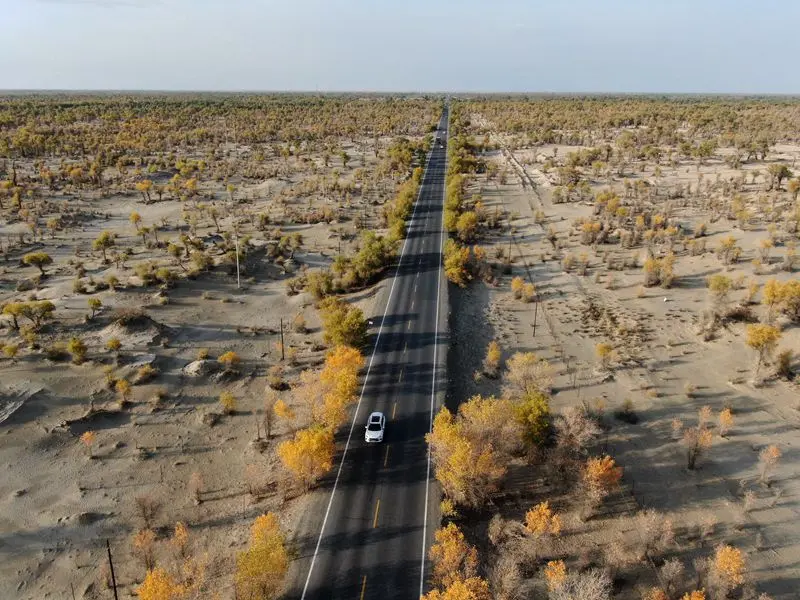
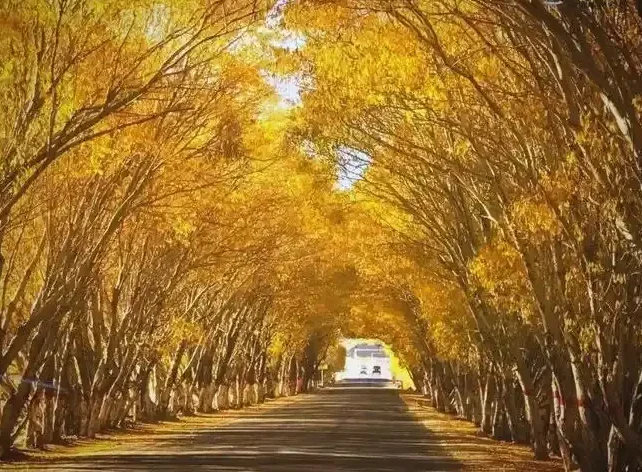
This is undoubtedly the peak travel window for the desert highway self-driving tour. Intense summer heat in the Taklamakan Desert fades away, with pleasant daytime temperatures ranging from 15°C to 25°C and cool nights. Most importantly, populus euphratica forests along the Tarim River enter their most glorious season. Leaves turn from green to golden, forming a dazzling sea of gold that creates striking oil-painting contrasts with the blue sky and yellow sand.
Luntai Tarim Populus Euphratica Forest Park is the core viewing destination, with the optimal foliage period falling roughly October 10 to early November. Traveling at this time lets you embrace both the vastness of the desert and the golden splendor of the ancient poplar forests.
Other Seasonal Experiences
- Spring (April – May): Frequent sandstorms; poplar trees turn fresh green with relatively plain scenery, though temperatures are mild.
- Summer (June – August): Extreme heat prevails in the desert, with daytime temperatures exceeding 40°C. Not suitable for long-distance self-driving, posing severe challenges to both vehicles and travelers.
- Winter (December – February): Cold weather with some service stations closed. Yet you can witness the unique charm of snow-dusted populus euphratica forests, ideal for adventure seekers pursuing ultimate tranquility.
Part 4: Classic Self-Driving Route Plan
A classic desert highway crossing route centers around the iconic populus euphratica forests, balancing travel experience and accessibility.
Recommended Route: Korla / Luntai – Tazhong Town – Minfeng / Hotan (Reverse Route Available)
This is the most classic crossing of the Luntai–Minfeng section of the Taklamakan Desert Highway, covering around 600 kilometers in total, with 450 kilometers running through the desert.
Day 1: Korla / Luntai – Tazhong Town (280 km, 4–5 hours driving)
Start from the Zero Kilometer Mark of the Desert Highway in Luntai to begin your desert crossing journey. Admire the reed grid sand-fixing projects along the road, showcasing the greatness of human ecological engineering.
Stop at safe laybys to photograph the stunning linear landscape of rolling sand dunes merging with the straight highway.
Arrive at Tazhong Town, an oasis hidden deep in the desert and the most vital supply hub along the route, equipped with gas stations and accommodation. Drive to nearby sand dunes in the evening to watch an unforgettable desert sunset.
Day 2: Tazhong Town – Luntai Populus Euphratica Forest – Korla
Depart Tazhong Town early in the morning and head back toward Luntai.
Explore Luntai Tarim Populus Euphratica Forest Park, one of China’s largest poplar forest reserves. Take the sightseeing train deep into the forest or climb the observation tower for a panoramic view of the golden woodland and winding Tarim River. If visiting during the Tarim Poplar Festival in October, you may also enjoy local folk performances.
Return to Korla for rest after sightseeing.
Extended In-Depth Route
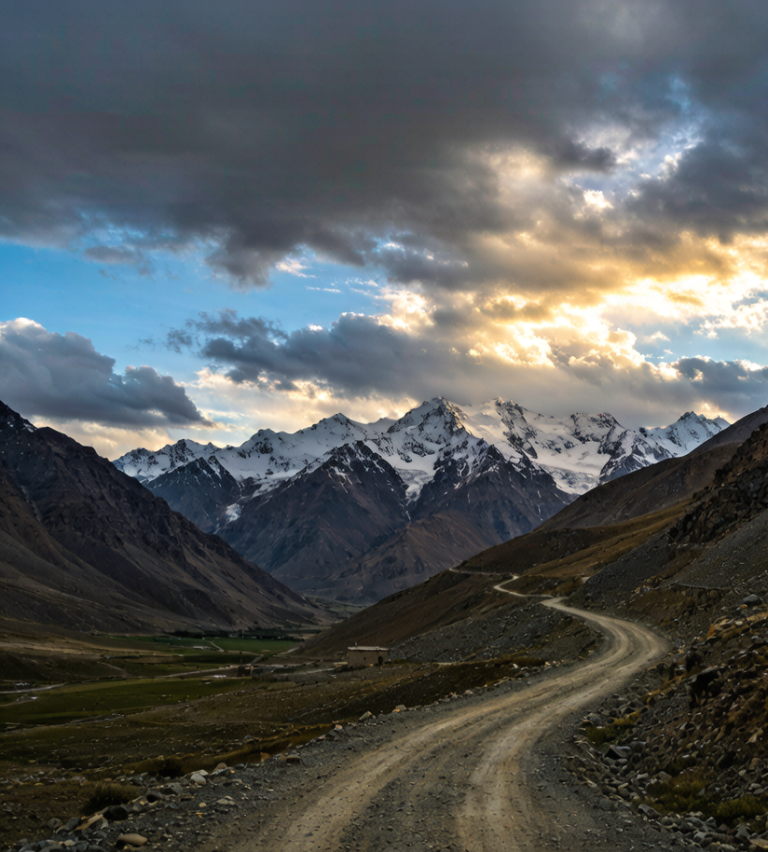
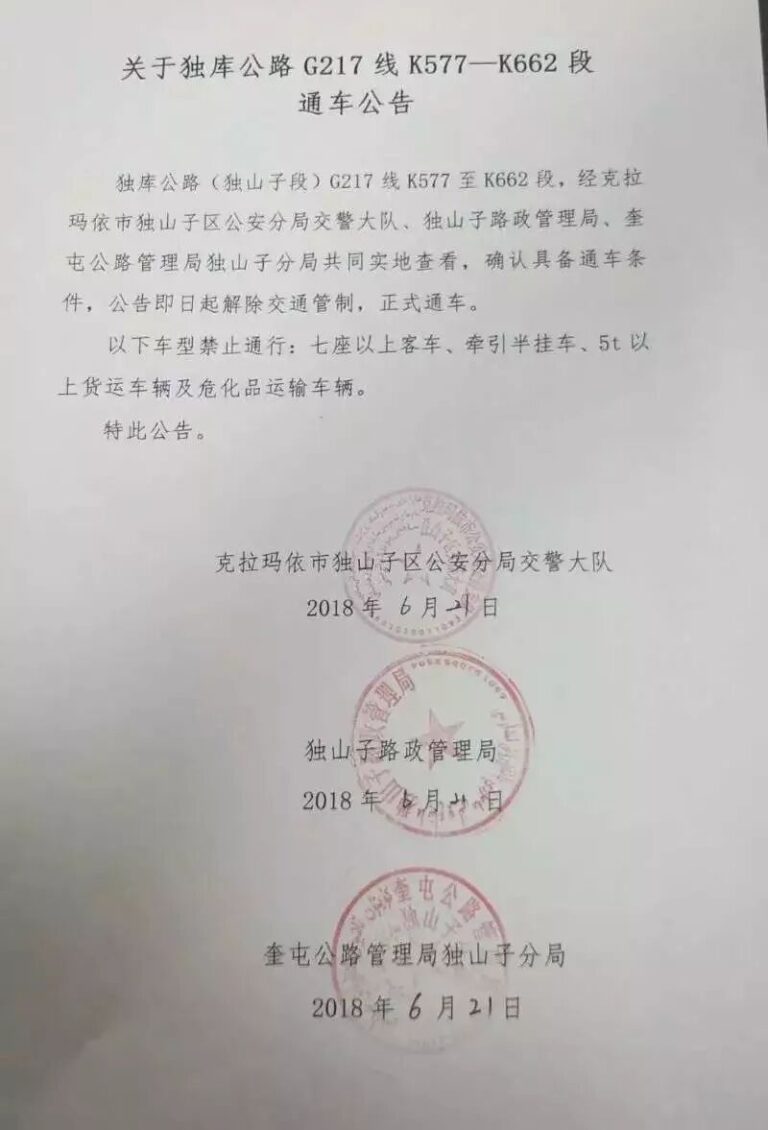
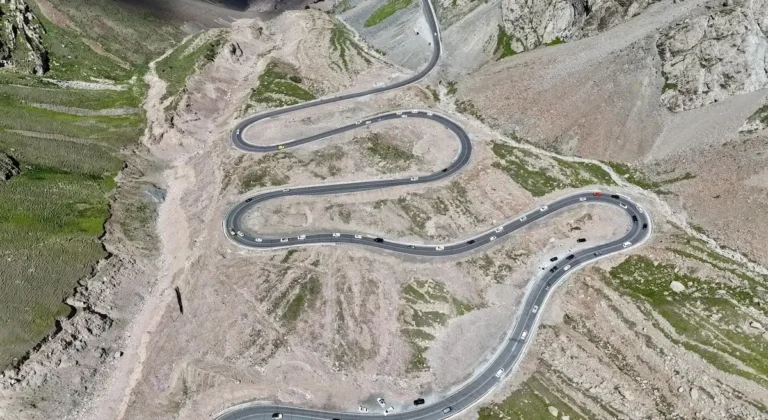
With extra time, integrate this route into the Southern Xinjiang Grand Loop: depart from Kashgar, enter the desert highway via Hotan, cross to Kuqa, then return via the Duku Highway (seasonal opening) or Korla for a complete loop, experiencing both ethnic culture and natural landscapes of Southern Xinjiang in full.
Part 5: Unmissable Core Experiences & Attractions
A complete desert highway self-driving tour is far more than just driving along the road.
1. Desert Highway Driving Experience
Cruise along the world’s longest paved highway across a shifting desert, embracing ultimate solitude and freedom. The straight road stretches endlessly to the horizon, flanked by undulating sand dunes dotted with resilient tamarisks and populus euphratica trees. It offers a one-of-a-kind meditative driving experience.
2. Tribute to the Eternal Populus Euphratica
- Luntai Tarim Populus Euphratica Forest: As the top destination for poplar viewing, the best photography hours are early morning and dusk, when soft light makes golden leaves glow translucent.
- Wild Populus Euphratica Along the Highway: Beyond the scenic park, wild poplar groves scatter along river branches beside the desert highway, featuring wilder and more rugged shapes perfect for dramatic landscape photography.
3. Hidden Desert Treasures: Tazhong Town & Emerald Lake
- Tazhong Town: A desert town born from oil exploration, it feels like a futuristic oasis in the wilderness. Refuel, dine and stay here, and chat with drivers and workers from all over China to glimpse real desert life.
- Taklamakan Emerald Lake: A secret lesser-known stops on the edge of Southern Xinjiang’s desert. Its striking turquoise waters contrast sharply with surrounding yellow sand. Accessible from the Hotan side, the final section requires an SUV to traverse unpaved roads. Autumn is the best time to visit, capturing the rare view of golden poplars mirrored in emerald lake waters.
4. Historical & Cultural Highlights
Extend your itinerary to include cultural sites such as Niya Ruins (ancient Jingjue Kingdom), Kuqa Royal Palace, and Kizil Thousand-Buddha Caves, adding depth and historical charm to your desert journey.

Part 6: Practical Travel Tips & Safety Guidelines
- Driving Safety: The desert highway speed limit is generally 80–100 km/h. Drive cautiously and slow down on sections covered by drifting sand. Never drive off the paved road onto soft sand for photos or curiosity — vehicles easily get stuck, with expensive and difficult rescue services available only remotely.
- Refueling Strategy: Follow the rule of refueling at every available station. Fill up your tank fully in Luntai or Minfeng before entering the desert, and top up again in Tazhong Town to guarantee sufficient range.
- Accommodation & Catering: Accommodation in Tazhong Town is basic; book well in advance during the peak poplar season. Dining options are limited to simple meals and local Xinjiang flavors at slightly higher prices. Prepare extra snacks for the journey.
- Photography Tips: Use a wide-angle lens to capture the highway’s sense of depth, and a telephoto lens to compress sand dune contours. Drones deliver breathtaking panoramic shots; always abide by local flight regulations and protect photography equipment from sand and dust.
- Environmental Protection: Take away all garbage and leave no trace. Protect the fragile desert ecosystem and avoid crushing wild vegetation.
Conclusion: Set off on Your 2026 Western Frontier Expedition
A 2026 self-driving tour along Xinjiang’s desert highway is more than just a trip — it is an expedition of courage, patience and discovery. It lets you face the grandeur of nature and marvel at the tenacious vitality of populus euphratica trees, which live for a thousand years, stand for a thousand years after death, and remain unyielding for a thousand years after falling.
With increasingly convenient policies, 2026 is the perfect time to fulfill this travel dream. Start planning now, prepare your vehicle and documents, and set off on this life-crossing road through the “Sea of Death”. Create magnificent memories that will last a lifetime. The golden populus euphratica forests deep in the desert are waiting for your arrival.
-
Do I need a visa to visit Xinjiang?
Yes, you need a valid Chinese visa. Some areas near borders may require additional permits.
-
What is the best time of year to visit Xinjiang?
The best time is from May to October. July and August are peak season with the best weather.
-
How many days do I need for a Xinjiang trip?
We recommend at least 7-10 days to see the highlights of both northern and southern Xinjiang.
-
Is it safe to travel to Xinjiang?
Yes, Xinjiang is safe for tourists. The region has extensive security measures and low crime rates.
For the complete driving plan, my The Duku Highway: Driving China’s Most Spectacular Road breaks down every section, the fuel stops, and the seasonal opening window.