Halal Dining Etiquette in Xinjiang: What to Know Before You Sit Down
A practical guide to halal dining etiquette in Xinjiang: hand-washing, seating, sharing plates, alcohol, and the small courtesies that make hosts welcome you.

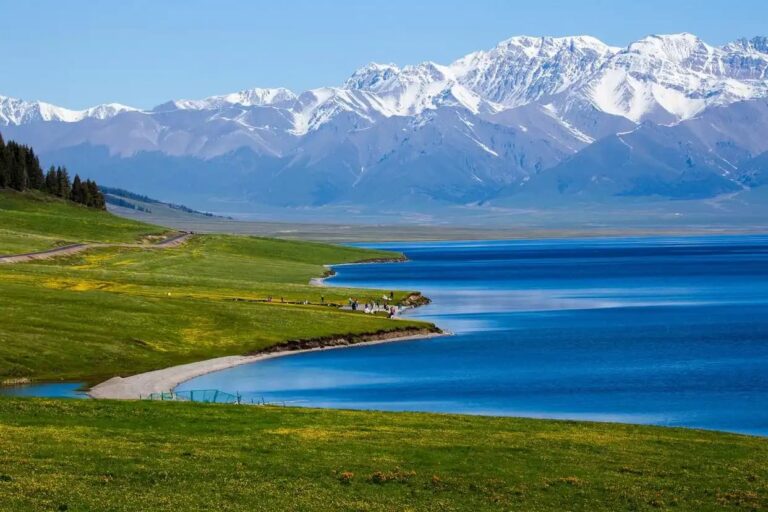
A practical guide to halal dining etiquette in Xinjiang: hand-washing, seating, sharing plates, alcohol, and the small courtesies that make hosts welcome you.
A practical guide to buying Xinjiang dried fruits in the bazaars: what’s in season, fair prices in RMB, how to judge quality, and how to pack them home.

Xinjiang ayran (airan) is a salty, frothy yogurt drink that pairs with every grilled meal. Learn how it’s made, where to drink it, and why it beats soda.
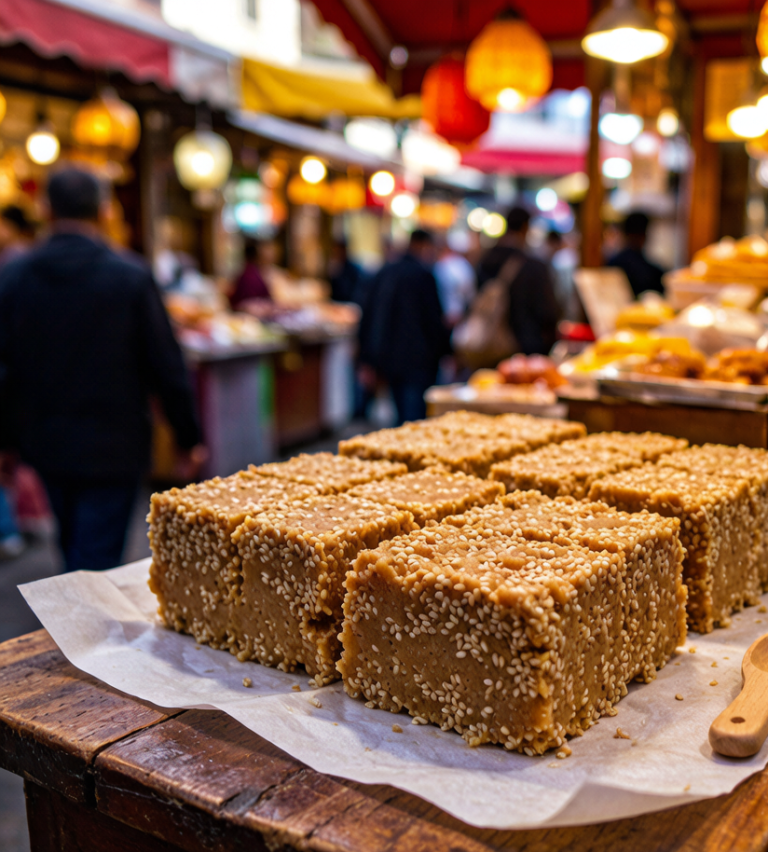
Halva in Xinjiang is a dense sesame and sugar sweet with roots across Central Asia. It is nothing like the fluffy stuff elsewhere, and it makes a great road snack and souvenir.
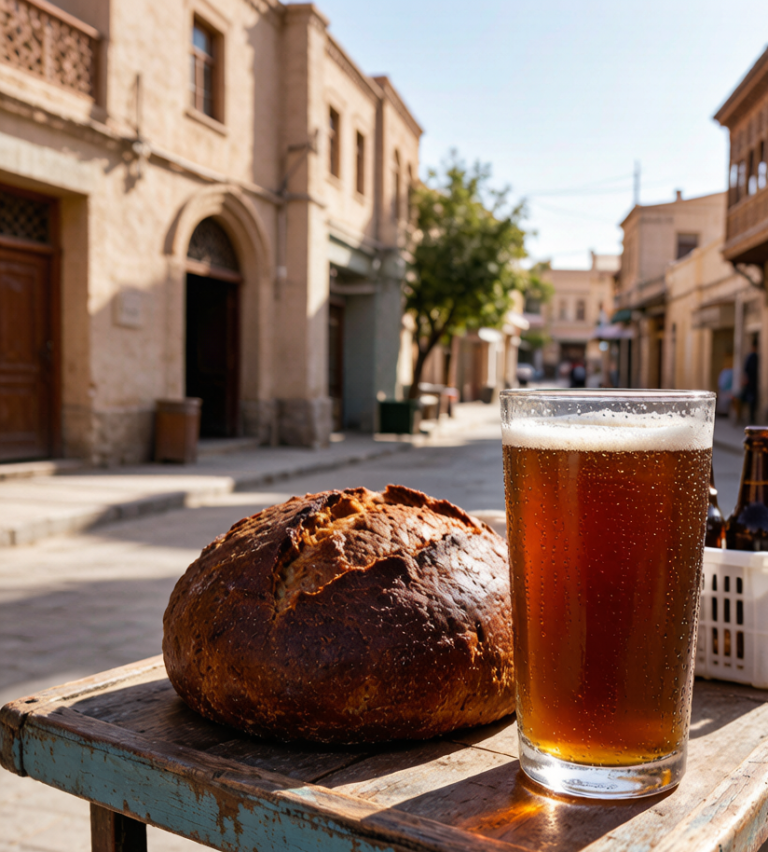
In the Ili valley you will find kvass, a faintly sour fermented drink left behind by Russian settlers. It is nothing like beer or soda, and it is worth a try on a hot day.
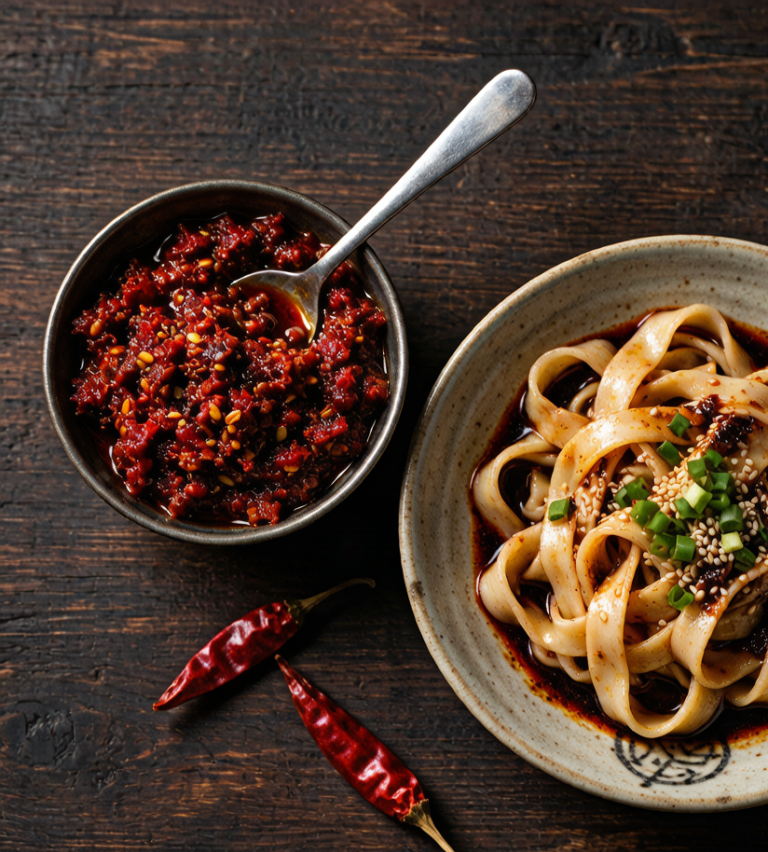
Xinjiang food is not ‘spicy’ the way Sichuan is, but one ingredient runs through almost everything: lagan, the local chili. Here is what it is and why it matters on your plate.
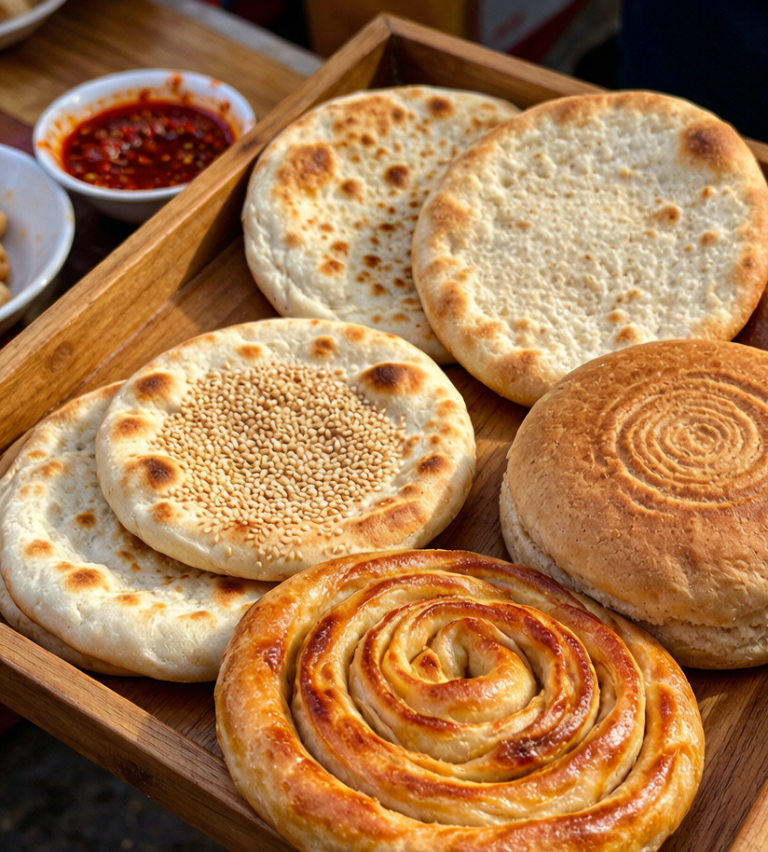
The first Xinjiang bread most visitors meet is naan. It is good, but it is one player on a deep bench: steamed youtazi, Russian leba, and market bakeries that close by noon.
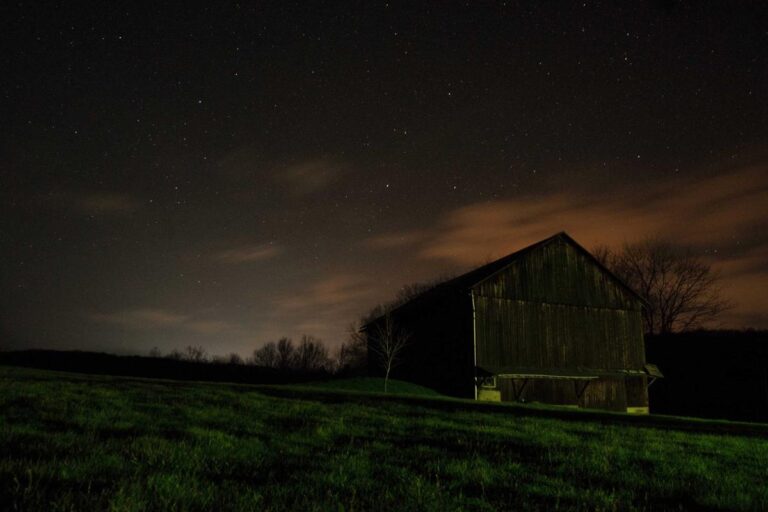
Coffee in Xinjiang is a surprisingly real story, even though the region is far better known for salty milk tea and sweet chai. This guide is compiled from café listings, traveler reports, and local business sources, not the author’s personal café visits. Travelers report that a small but steady specialty coffee scene has taken root…
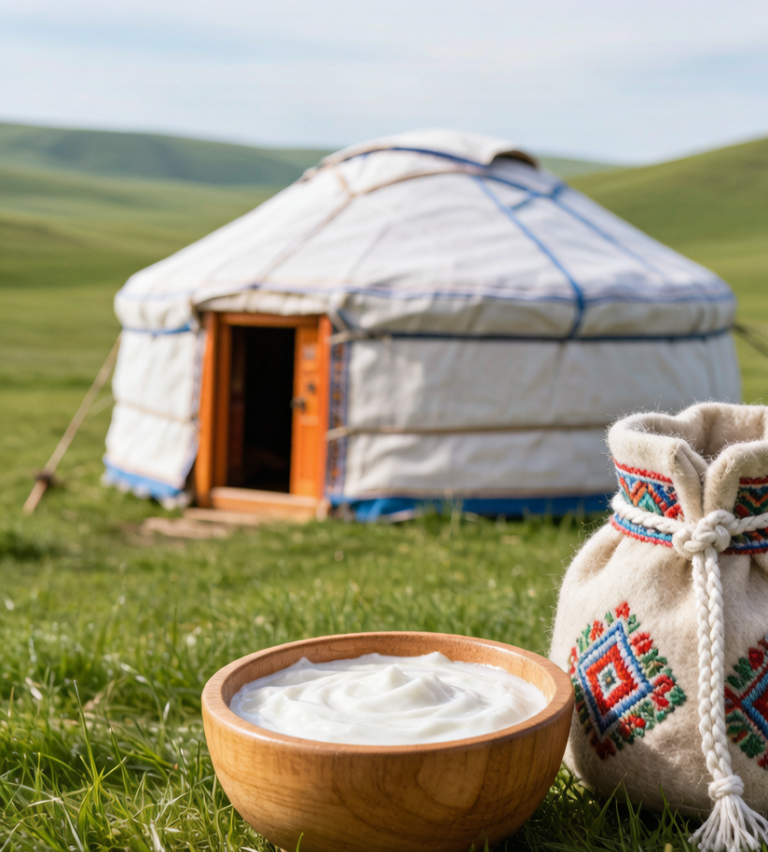
A first-hand account of kumiss, Xinjiang’s fizzy fermented mare’s milk, and where it fits in a grassland or yurt stop.

Maran tang, Xinjiang’s pressed nut candy, is the original road snack. A first-hand look at what it is and how to buy it well.