Xinjiang Polo (Pilaf): Regional Twists on the Rice That Feeds the Steppe
Polo is Xinjiang’s everyday rice. Compare Uyghur, Kazakh and Dungan versions, the carrot colors, and where to eat the best bowl on your trip.


Polo is Xinjiang’s everyday rice. Compare Uyghur, Kazakh and Dungan versions, the carrot colors, and where to eat the best bowl on your trip.

From apricots to almonds, Xinjiang’s dried fruit and nuts are the region’s everyday snack. Learn what to buy, what it costs, and how to pack it home.
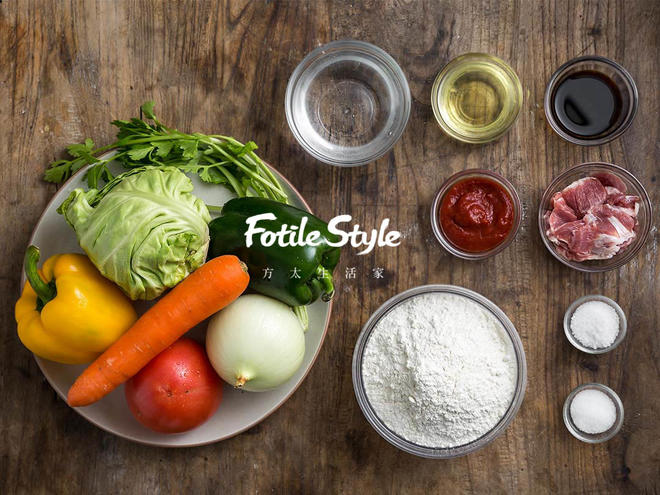
Xinjiang green tea (chay) is poured before every meal. Learn the Uyghur tea ritual, how it is brewed, and where to sit down for a proper pot.
Don’t point and guess. A practical phrase guide for ordering food in Xinjiang — the Uyghur and Mandarin words for skewers, noodles, bread, and ‘no spicy, please.’
Love Xinjiang milk tea? Here’s how to make the salty, creamy nai cha at home — the ingredients, the ratios, and the mistakes to avoid, so the trip lives on in your kitchen.

Xinjiang’s food changes with the seasons — and festivals mark the best eating. A guide to when grapes, lamb, and dairy peak, and which festivals to plan around.
Xinjiang street food is delicious and generally safe. A practical hygiene and stomach-survival guide: what to eat without worry, what to watch, and how to bounce back.
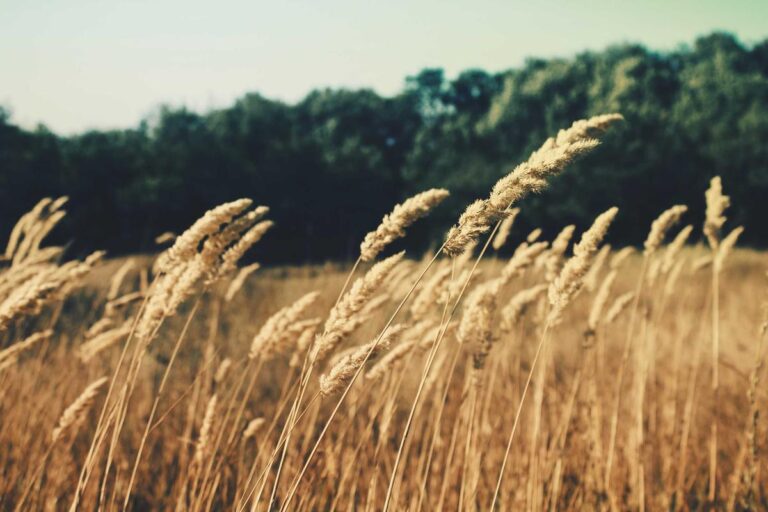
Naren and beshbarmak are the Kazakh feast dishes of northern Xinjiang — and they’re often confused. A clear comparison of these hand-eaten grassland meals.

Xinjiang grills more than lamb. A guide to vegetable, tofu, and mushroom kawap for plant-based travelers: what to order, where to find it, and how to eat well meat-free.
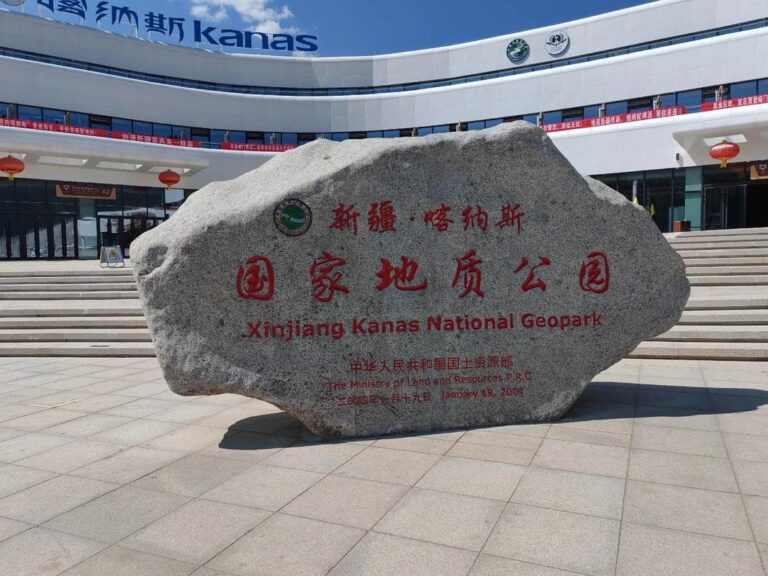
Xinjiang kawap tastes like nowhere else because of its spice mix. A guide to the cumin, chili, and zira behind the lamb skewer, plus a home marinade you can copy.