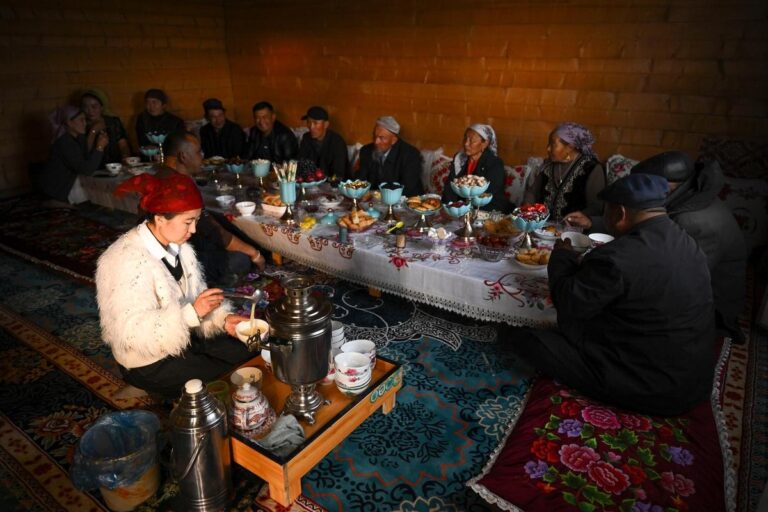
Xinjiang Dastarkan: Central Asian Feast Table Explained
What is a Xinjiang dastarkan? A research guide to the Uyghur, Kazakh, Kyrgyz and Tajik feast table: breads, polo, meats, dairy, tea, costs and etiquette.


What is a Xinjiang dastarkan? A research guide to the Uyghur, Kazakh, Kyrgyz and Tajik feast table: breads, polo, meats, dairy, tea, costs and etiquette.
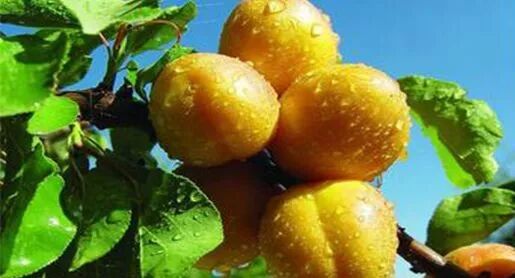
Hami melon is just the start. A guide to Xinjiang’s sweet fruit — melons, grapes, apricots, and why the desert climate makes them so sugary.

A practical buyer’s guide to Xinjiang dried fruits, nuts and spices: where to buy, what to pay in 2025, how to judge quality, and how to bring them home.
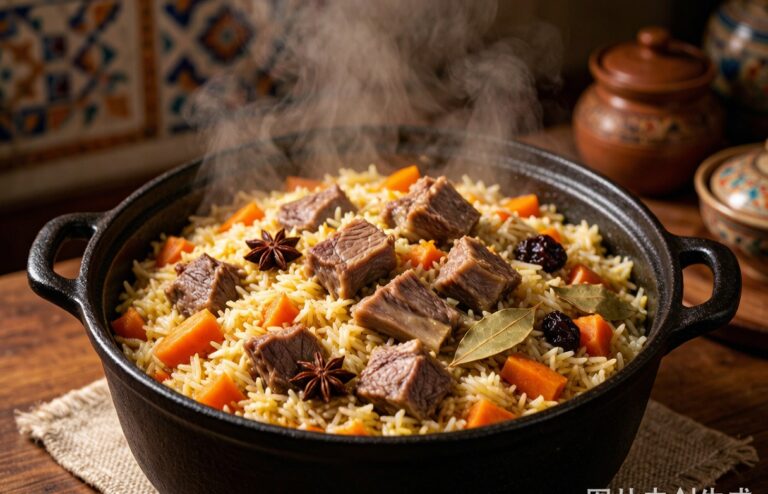
The Morning I Understood Uyghur Cuisine The first time Uyghur cuisine really hit me was in the grey light of an early Kashgar morning, when I bought a still-warm naan from a tandoor oven and ate it standing in the dusty lane outside my guesthouse. I had read about the Silk Road for years, but…
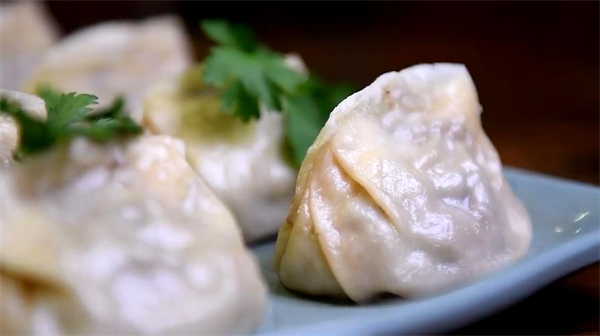
Discover Xinjiang manta — plump Uyghur steamed dumplings of lamb and onion. Where to eat them, how they are made, and what to pair them with.
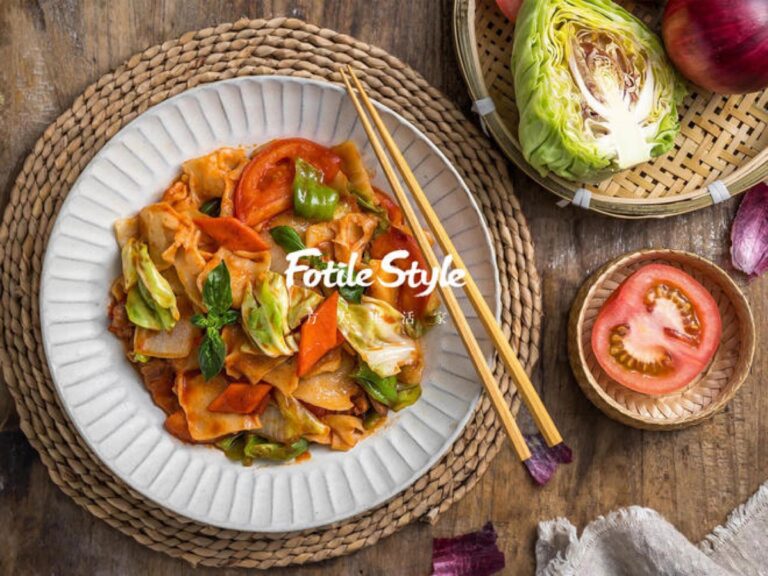
Naren is Xinjiang’s celebratory hand-pulled noodle dish served at weddings and holidays. Learn its meaning, where to try it, and how it is eaten by hand.

Beshbarmak is the Kazakh nomad’s banquet of boiled meat and wide noodles eaten by hand. Discover where to taste it in Xinjiang’s north and what it means.
Koumiss is the fizzy, tangy fermented mare’s milk drunk by Xinjiang’s nomads for centuries. Learn where to try it, how it’s made, and what it tastes like.
Göshnan is Xinjiang’s deep-fried meat pie, a crisp cousin of the baked samsa. Find out where to eat it, how it differs, and why it is worth the grease.

Turpan’s vineyards produce China’s oldest wine tradition. Explore the desert grape wines, where to taste them, and how a Silk Road oasis became a wine region.