Samsa, Pitimanta & Manta: A Field Guide to Xinjiang’s Stuffed Breads
Samsa, pitimanta, and manta all look like stuffed dough — but they’re distinct. A field guide to Xinjiang’s three famous stuffed breads: how they’re made, filled, and eaten.


Samsa, pitimanta, and manta all look like stuffed dough — but they’re distinct. A field guide to Xinjiang’s three famous stuffed breads: how they’re made, filled, and eaten.

Laghman and la mian are Xinjiang’s two famous hand-pulled noodles — but they’re not the same. A clear comparison of shape, sauce, and where to eat each.

A practical 2026 price guide to food in Xinjiang: street skewers, noodle bowls, restaurant meals, and bazaar buys, with a daily budget for backpackers and comfort travelers.

Urumqi after dark is a carnival of grills, noodles, and sweets. A practical night-market food crawl: the best spots, what to eat, and how to pace a 10-skewer evening.
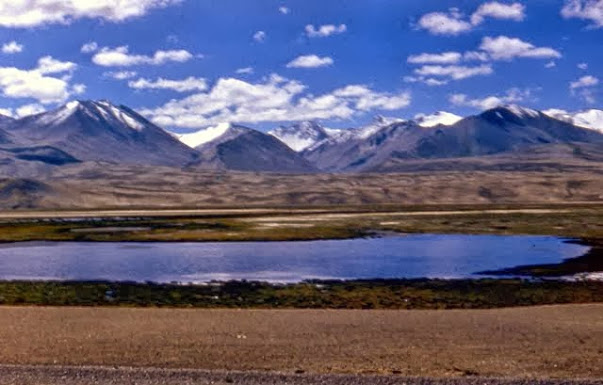
Turpan is Xinjiang’s hottest, lowest oasis — and its cuisine is built on grapes, raisins, and cooling noodles. A traveler’s eating guide to Turpan’s markets and dishes.
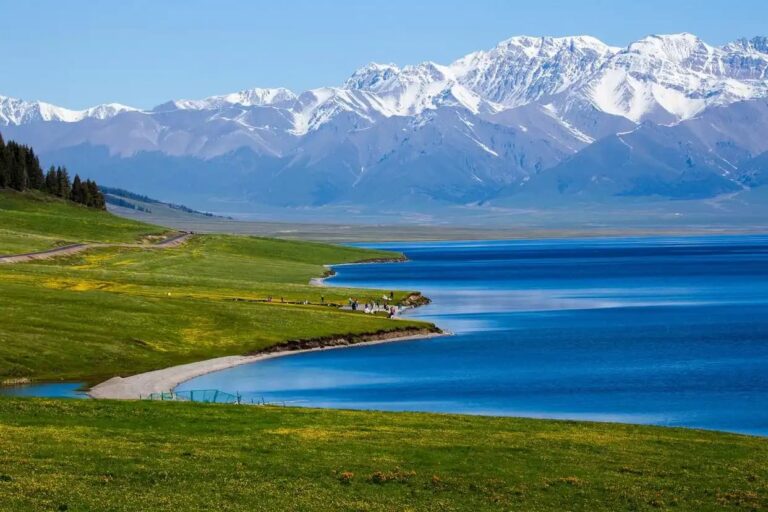
Hotan in southern Xinjiang is famous for walnuts, jade, and a sweet, nutty cuisine. A traveler’s food guide to Hotan’s bazaars, bakeries, and desert-oven dishes.

Yili (Ili) is Xinjiang’s green northwest, and its food shows it: dairy, horse meat, naan, and Kazakh feasts. A traveler’s eating guide to Yining, Zhaosu, and the grasslands.
Beyond muscle meat, Xinjiang grills lamb liver, heart, and kidney as kawap. A guide to offal skewers: what they taste like, where to try them, and how to order without fear.

Naan gets the fame, but Xinjiang’s tandir oven bakes girdeh, tokach, and more. A field guide to the region’s other breads, where to find them, and how they’re made.

Xinjiang tea houses (chaykhana) are where the region pauses. A guide to the chaykhana culture, what’s poured, and the best ones to sit in Urumqi, Kashgar, and Yili.