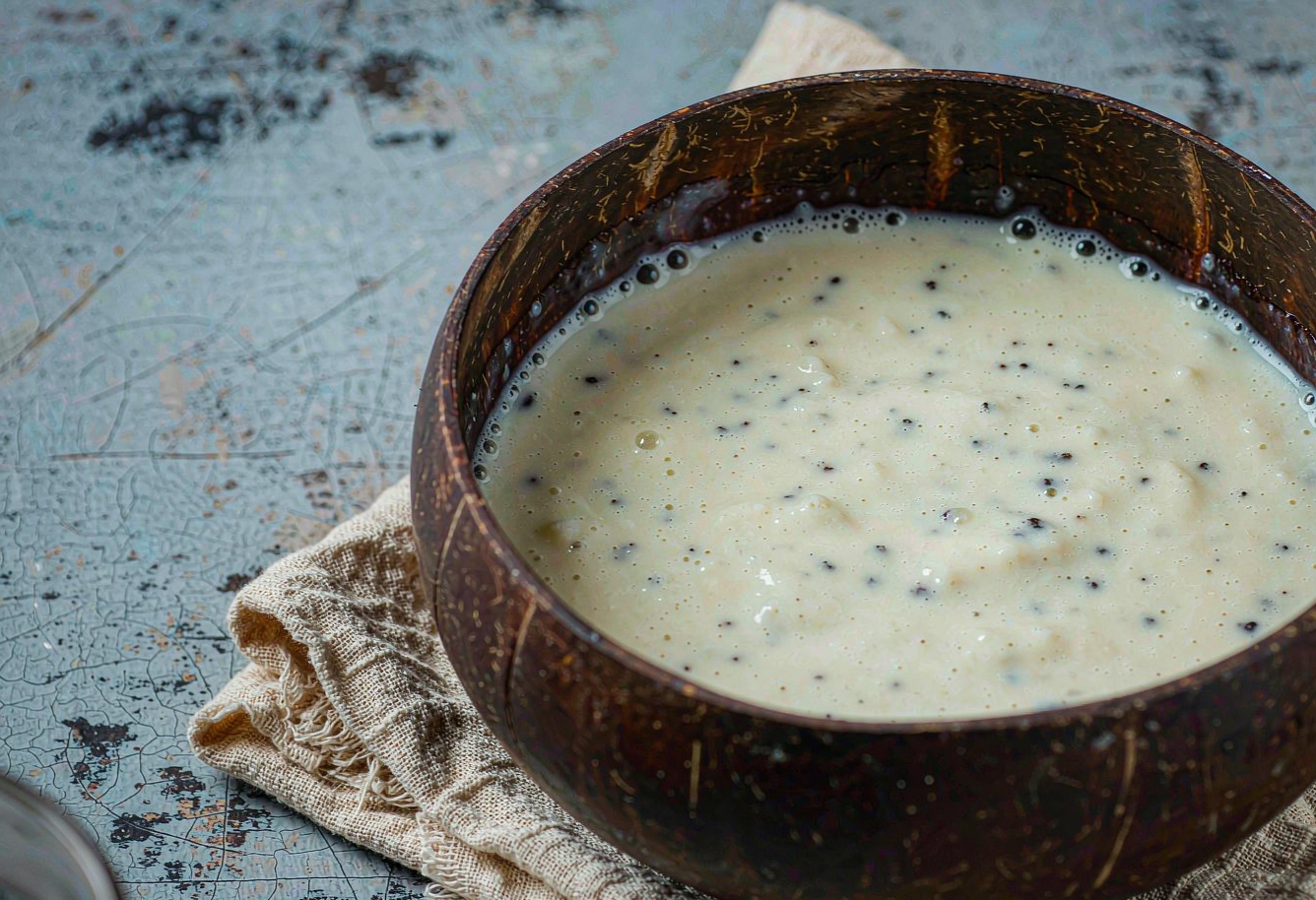
Bozo and Other Ferments: Xinjiang’s Sour Drinks You Either Love or Learn From
The first sip of bozo I took expecting something like beer and got something like bread that had decided to bubble. It is a fermented millet drink, faintly sweet, faintly sour, and gently alive. I did not love it. Then I had it cold on a hot day in the south and understood why people drink it by the bowl.
It sits in a family with the other sours of the region. The field guide to fermented drinks covers the whole set, and the summer drinks page is where bozo belongs. It is nothing like kumiss, which is sharper and animal, or kvass, which is bread-soft and Russian.
What I learned is that these drinks are food, not novelty. They are how people stayed safe in heat before refrigeration, and the fizz is the culture doing its work. The milk and yogurt side of the region is the dairy cousin of the same idea.
Where to try it: small stalls in the southern towns, in summer, served cold in a bowl you return. I avoid the bottled versions; they taste like the fermentation was told about rather than done.
The honest take: bozo is an acquired taste only if you expect a soda. Go in expecting bread that learned to fizz, and it is a fine thing on a hot afternoon, which is exactly when it was invented. I have since tried to make it once, failed, and decided the stall woman earned her spoon of adjustment. Some drinks are better left to the people who have been getting them right longer than I have been alive, and bozo is one of them.
The bozo that won me over came from a stall with no sign, run by a woman who tasted mine before she served it, frowned, and added a spoon of something from a jar. She was adjusting the batch for the heat, she said, and the sour needed balancing against the day. I have bought branded bozo in a bottle since and it is flat and ashamed of itself next to hers. The lesson of these ferments is that they are alive and local to the hour, not a recipe you bottle. I now treat the stall versions as the real thing and the supermarket ones as a memory of it. The woman never charged me extra for the adjustment, which told me the drink was hers to get right, not mine to specify and pay for by the gram.
The fuller set of sours is in the fermented drinks guide; bozo is the millet one, kvass the bread one, kumiss the mare’s milk one, and the summer drinks page is where they belong in season. Try each once, cold, from a stall, not a bottle. The milk and yogurt side is the dairy cousin. None of them taste like soda, and all of them taste like a place that figured out how to keep food safe without a fridge. I drink bozo in summer and kvass when I find it and kumiss only when offered, because kumiss is a commitment. The sours are the region’s oldest retained wisdom, and the wisdom is: let it ferment, then drink it slow.
A second look on day two
I did, and the second visit was better, because the first had been spent working out where to stand. The second time you can skip the obligatory viewpoint and walk along the base of the ridge where the light comes in sideways, and that is the photograph you keep. Almost nobody does Xinjiang Fermented Bozo twice. If your itinerary has a spare morning, spend it here again rather than at the bigger name on the far side of town. More on the other end of that day is in our [[xinjiang-yogurt-fermented-milk-guide|Xinjiang Yogurt & Fermented Dairy: Süzmä,…]].
Timing your visit to {P}
The first time I rushed it and spent the whole visit looking up at the same rock from one spot. The second I gave it a morning and a late-afternoon return and saw two completely different places, because the light moved across the surface and the crowds thinned to nothing. My own rule now: if I have to choose between this and an extra evening in Xinjiang, I keep the evening. Most first-timers plan two hours and then get stranded. The gates open early and the last entry tends to stop a couple of hours before closing, so the promise of coming back for sunset is not always possible.
Budget the full morning. That covers the walk in, the slow look at the main feature, the side trails almost nobody does, and getting back to the car before the light goes flat. Half a day is enough to understand it. Ninety minutes is enough to tick the box. A full day is what you want when the point of coming was Xinjiang Fermented Bozo itself rather than a stop on the way.
I wrote the driving side up in our [[how-to-go-to-xinjiang|How to Get to Xinjiang: Entry Requirements…]] as well.