Haggling for Carpets in a Xinjiang Bazaar: A Visitor’s Plain Guide
The first carpet I ‘bought’ I overpaid for by about double, and the seller knew it, and we both knew I knew by the time I left. Haggling in Xinjiang is not rude; it is the conversation. Refusing to bargain reads as strange, not polite.
Start with the shopping guide so you know the real range before you open your mouth. The handicraft markets page explains the cloth; the Kashgar Sunday bazaar is the arena, and Hotan has its own carpet corners.
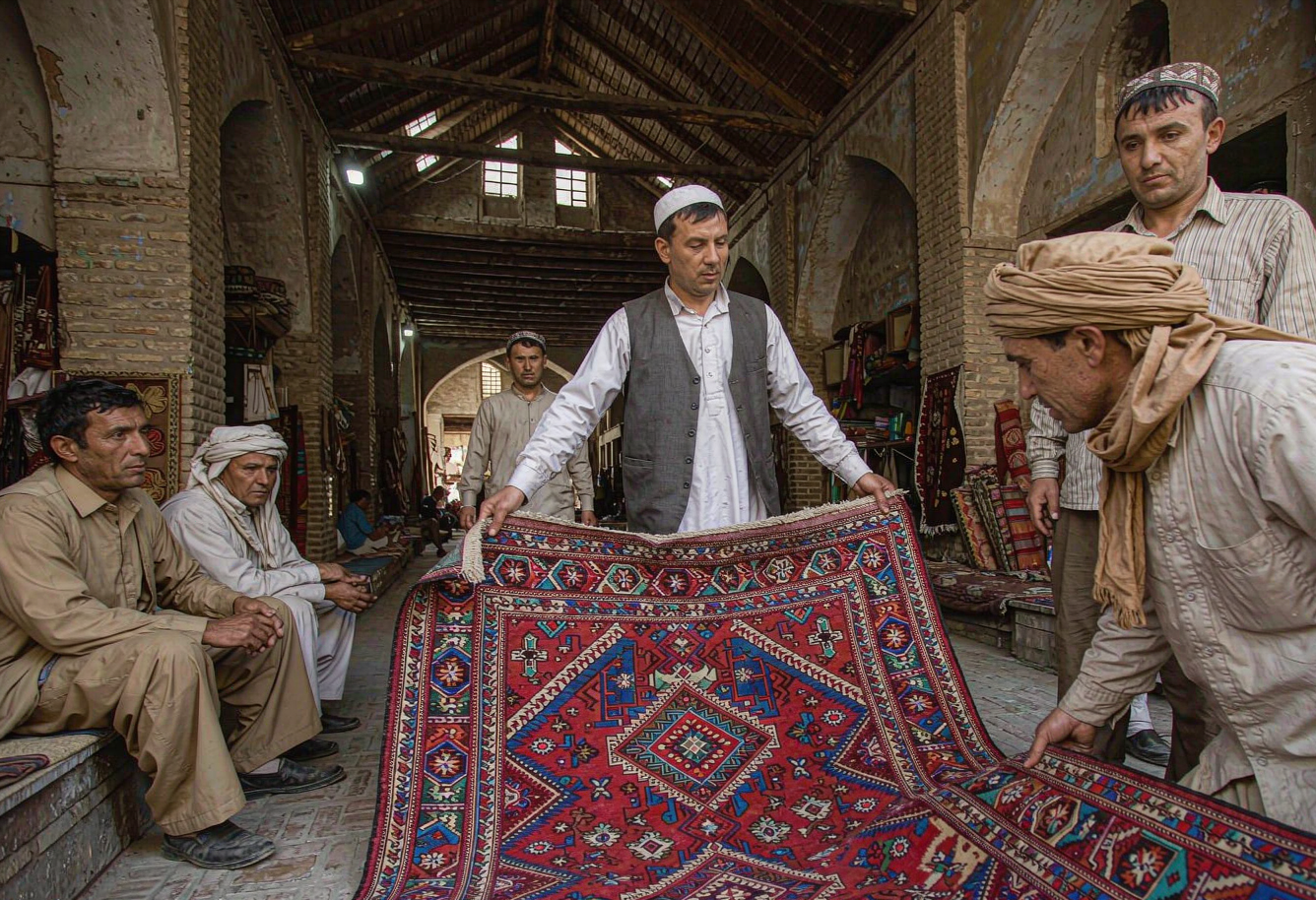
Reading a real carpet from a printed one is the skill that saves you. Flip it: the back of a hand-knotted carpet shows individual knots, slightly uneven; a printed one shows a flat, repeated ink. The where-to-buy list names sellers I trust not to switch the rug between the floor and the wrap.
Money manners matter. The bargain and money guide covers the rest, but the short version: carry cash for the bazaar, know the rate, and do not perform anger. A calm walk-away is the strongest move you have, and sellers respect it more than a loud one.
My method: name a price a third under the ask, hold it, drink the tea they offer, and meet somewhere fair. I have left with rugs I love and rugs I did not buy, and the ones I left behind are the ones I never think about. The seller who walks you to the gate is the one to buy from; the one who lets you leave alone was never selling to you, only at you. I learned that from the old man with one good eye, and I have not overpaid since, which is the cheapest lesson the bazaar ever gave me.
The carpet I kept was the one I almost walked away from. The seller, an old man with one good eye, named a price, I named mine, and we sat in the gap for an hour of tea while he wove a smaller one in his lap without looking. When I stood to leave he stood too, not to stop me but to walk me to the gate, and at the gate he named a price between us, final, and I took it. The rug is good, not great, but it carries that hour, which is why it is the one on my wall and not the prettier one I bought in a panic elsewhere. Haggling in Xinjiang is not about the lowest price. It is about the walk to the gate, and whether the seller walks it with you or lets you go alone.
Read the back before the face: hand-knotted shows individual, uneven knots; printed shows flat ink. The handicraft markets page explains the cloth, and the where-to-buy list names sellers who will not switch the rug between floor and wrap. The money guide covers cash and the rate. My method, stated plain: offer a third under, hold, drink the tea, meet fair, and walk if it is not. I have left rugs behind and never regretted one. The Kashgar bazaar is the arena; Hotan has its own corners. A carpet is a decade of floor; buy the one whose hour you liked, not the one whose price was lowest.
Two days in {P}, if you have two days
Day two is whatever sits outside the walls, which is the part most visitors never reach. One day of town, one day of everything around it, and no attempt to do the famous thing twice in two days. Day one is the old quarter and the market, starting early while the stalls are still setting out and finishing at the teahouse as the call goes up. That is the shape I would give it again. More on the other end of that day is in our [[xinjiang-felt-carpets-craft|Xinjiang Felt Carpets: The Kazakh Shyrdak…]].
What locals do on a weekend
This is the cheapest research you will do in the region. Sit where they sit and order what they order. Follow them for half a day and you find the Xinjiang Bazaar Haggling Carpets the guidebooks skip. Families go to the park in the late afternoon, the young crowds to the tea house with the music, and the whole city eats in the same lane every Saturday for reasons nobody can explain.
Old town or the new city: where to sleep
The old town is the reason to stay in Xinjiang Bazaar Haggling Carpets, but it is not comfortable in the way a business hotel is. I have done both and I keep going back to the old town, but only in the season when the courtyards stay warm past ten. Rooms in a converted courtyard house are small, bathrooms are shared more often than not, and the whole quarter goes quiet at eleven, which is either rest or a problem depending on your flight. The new city side is ten minutes by taxi, has the airport line, the supermarkets and the lifts, and is the right call with an early train or small kids.