Xinjiang Milk Tea & Yogurt: The Dairy That Fuels the Grasslands
In southern Xinjiang, tea is black and sweet. In the north, it is milk and salt — and that single difference tells you which half of the region you’re in. Dairy runs through Xinjiang’s pastoral cultures: the Kazakh, Kyrgyz, and Mongolian herders of the grasslands built their diet around mare’s milk, cow’s yogurt, and brick-tea milk tea long before noodles and rice arrived. For travelers, it’s also the most comforting thing to drink at 3,000 meters.
The two drinks you’ll meet most are salty milk tea and sweet milk tea — don’t assume they’re the same.

Salty Milk Tea (Suutei Tsai)
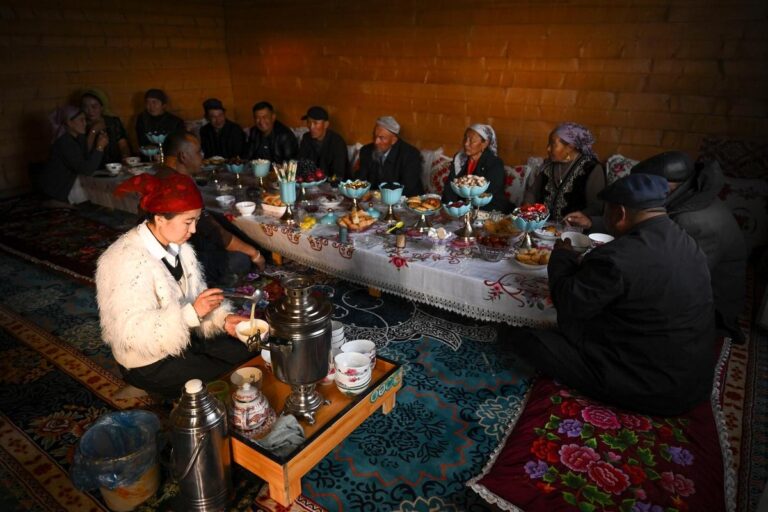
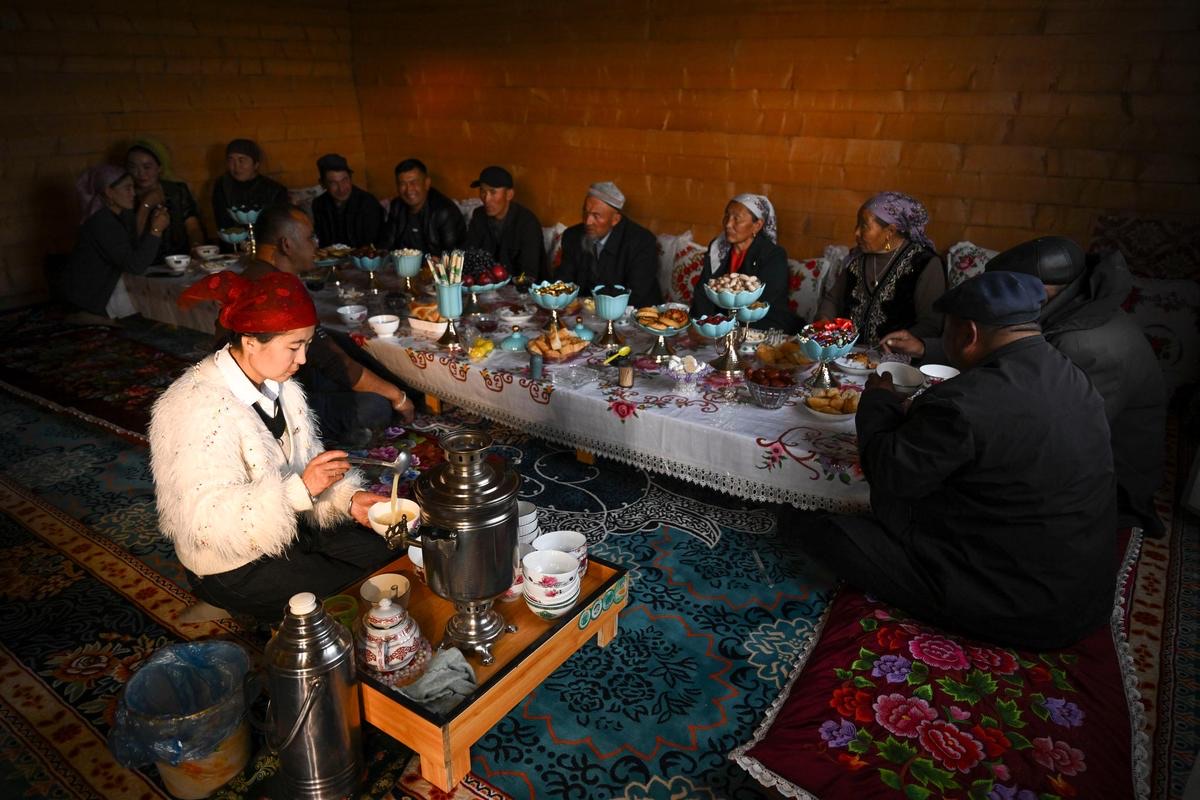
The northern standard is brick tea boiled with water, then milk and a pinch of salt added — no sugar. It sounds odd to a sweet-tea palate, but at altitude, after a cold morning ride, it is deeply soothing: salty, fatty, and warming. Kazakh and Mongolian households serve it in bowls, often with a pat of butter floated on top. In pasture yurts it comes endless and free. If you’re offered it, accept — refusing reads as rude, and the second bowl is better than the first.
Sweet Milk Tea
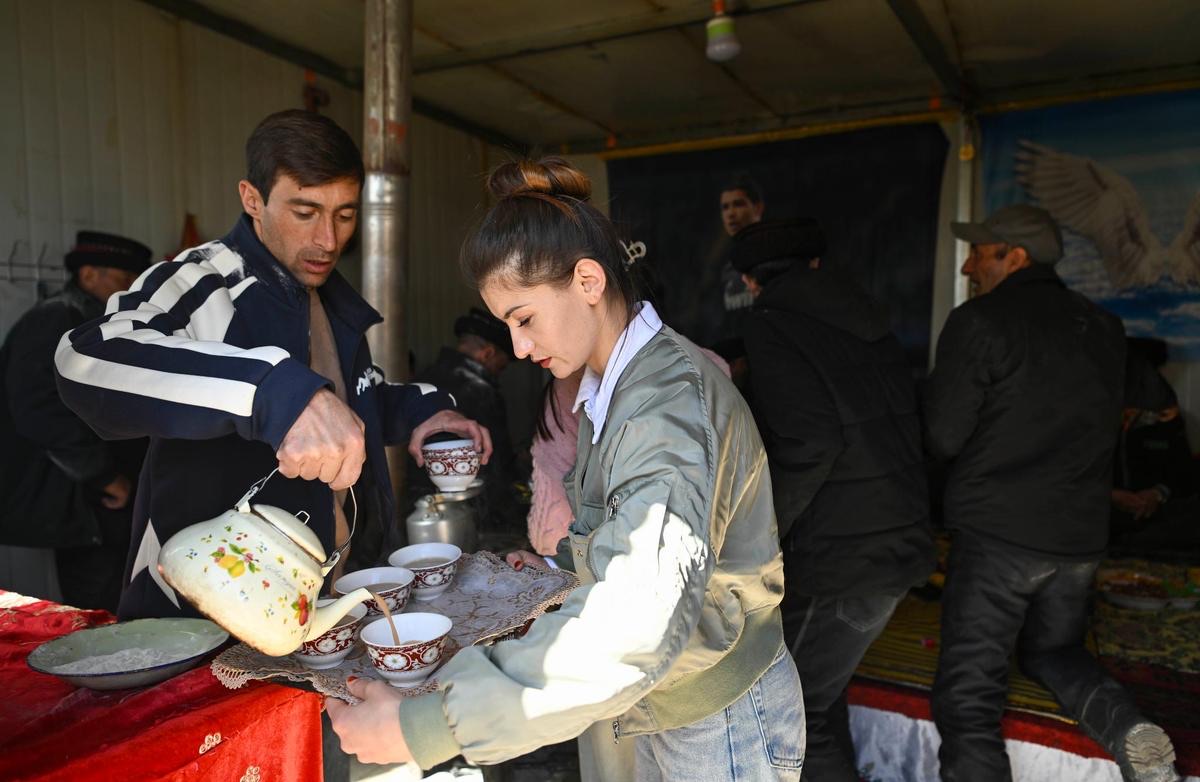
In the south and in the cities, milk tea is usually sweet — black tea with milk and sugar, closer to a chai. The Uyghur version is lighter, sometimes spiced, and sold from street carts in paper cups. It’s the everyday drink of Kashgar and Hotan, a gentle counter to spicy grilled food. Both styles use full-fat milk; this is not a skinny latte culture.
Yogurt and Ferments
Xinjiang yogurt (酸奶) is thick, tart, and unsweetened unless you add sugar or honey yourself. Sold in small bowls at markets, it’s a genuine probiotic hit — nothing like the sugary cups back home. A Kazakh specialty is kumis (airag), fermented mare’s milk, lightly alcoholic and an acquired taste; try a small bowl at a festival if offered.
Another staple is dried curd (干酪) and airat (a drinkable fermented milk), both portable protein for herders. In Urumqi and Yining you’ll find modern yogurt shops doing fruit-and-nut bowls, but the traditional version — plain, sour, topped with a spoon of white sugar — is the real thing.
Where to Try It
Markets in Yining, Zhaosu, and the grassland towns are best for authentic salty tea and fresh yogurt. In cities, look for ‘哈萨克奶茶’ signs. A bowl of plain yogurt with a drizzle of local honey after a heavy lamb meal is the region’s perfect palate reset — and one of the few light things on the menu.