Motorcycle Xinjiang: Routes, Permits, and What Riders Report
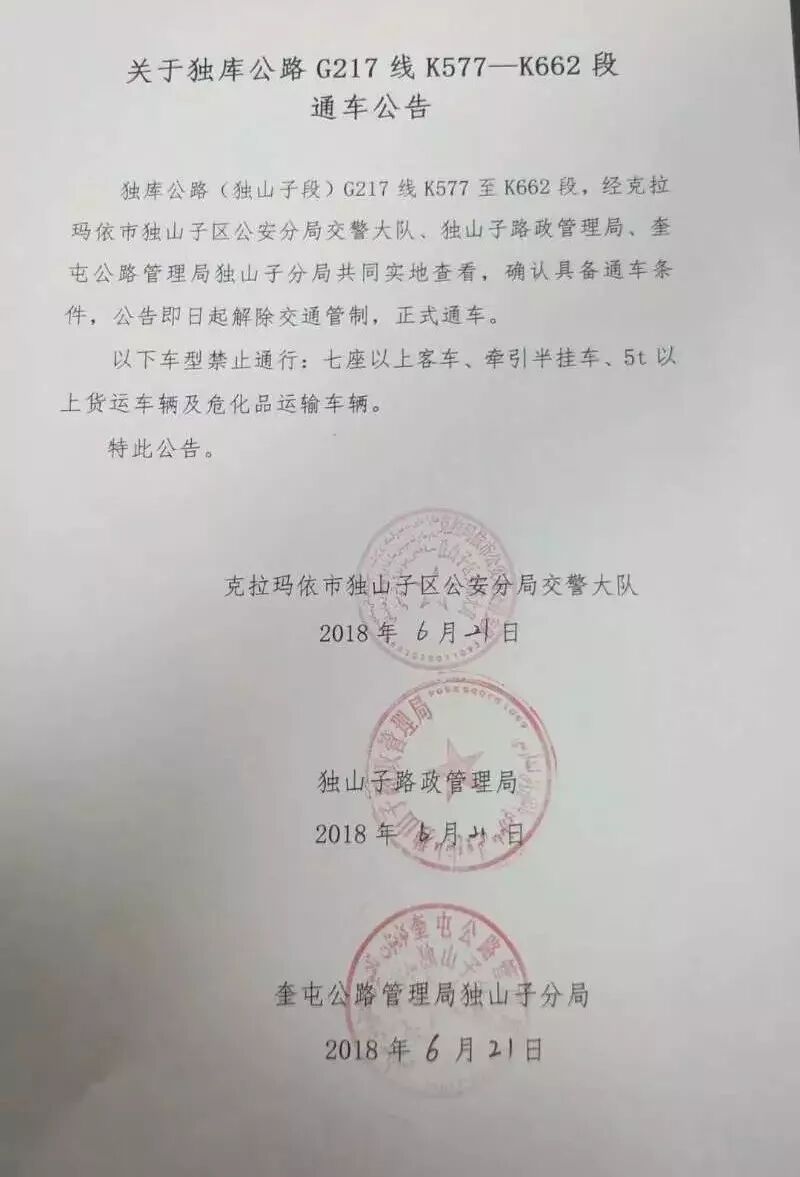
The route data, permit notes, and cost figures below are drawn from official road and border information, published rider trip reports, and tour-operator briefings. The region spans roughly 1.6 million square kilometers, so route planning matters more than riding skill alone. The standout rides are the Duku Highway (561 km, crossing the Tianshan), the Karakoram Highway (reaching the Pakistan border at Khunjerab), and the Taklamakan Desert Highway (crossing the world’s second-largest shifting-sand desert). Riders report that fuel, tire condition, and permit timing decide most trips more than the bike itself.
The drive in
Most international and domestic riders start in Urumqi. Flying with a bike is rarely practical because airlines treat motorcycles as oversized cargo with strict battery and fuel rules. The common options are: ship the bike by rail or road freight to Urumqi; ride in from neighboring Gansu or Qinghai; or rent a motorcycle from a Urumqi-based operator. Rider reports note that crated shipping from eastern China takes 5 to 10 days and costs more than many expect. Operators in Urumqi offer 250cc to 650cc dual-sport rentals with basic riding gear.
Shipping detail that riders share: drain the fuel tank and disconnect the battery before crating, because freight rules forbid liquid fuel and live batteries. Use a wooden or metal crate with the handlebars turned and mirrors removed, and pad the fairings with foam. Rail freight to Urumqi from cities like Shanghai, Guangzhou, or Chengdu is the most reported method; road freight is faster but costs more. Plan for 5 to 10 days in transit plus a day at each end for depot handling. Insure the bike for its declared value, since damage claims are easier with paperwork in hand. Riders recommend labeling the crate with a local contact number, because depot staff will not call an out-of-region phone.
Entry fees
These are 2024 to 2025 reference figures from rider reports and operator briefings. Confirm every price locally before you travel because Xinjiang pricing shifts with season and fuel costs.
| Item | Estimated Cost (CNY) | Notes |
|---|---|---|
| Fuel (whole loop) | 1,200 to 1,800 | Based on 3,000 to 4,000 km at local petrol prices |
| Bike rental (per day) | 300 to 700 | 250cc to 650cc dual-sport |
| Crated bike shipping (one way) | 1,500 to 3,500 | From eastern China to Urumqi |
| Border permit processing | 0 to 200 | Often free; agent fees vary |
| Guesthouse (per night) | 120 to 300 | Rider-friendly options |
| Park and scenic entry | 50 to 150 | Per site on Duku and KKH corridors |
For broader trip budgeting, see our Xinjiang travel budget guide.
Picking the right weeks
Riders consistently report June through September as the safe window. The Duku Highway typically opens in early June after snow clearance and closes by late September or early October. July and August bring the warmest temperatures but also the most tourist traffic at scenic stops. September offers cooler nights, fewer crowds, and clearer mountain views. The Karakoram Highway stays open longer but high passes still see early snow. Avoid November through April for any mountain route. Our best time to visit Xinjiang page covers regional differences in detail.
The itinerary I would follow
This 10-day loop is built from rider-reported timing on the Duku and northern corridor. Times are departure or activity anchors, not exact schedules.
| Day | Route | Key Time | Focus |
|---|---|---|---|
| 1 | Urumqi arrival | 09:00 prep, paperwork, bike check | Gear and permit setup |
| 2 | Urumqi to Dushanzi | 07:30 departure | Enter Duku Highway north |
| 3 | Duku Highway to Bayinbuluke | 08:00 departure, 18:00 alpine meadows | Tianshan crossing |
| 4 | Bayinbuluke to Kuqa | 07:00 departure | Complete Duku south end |
| 5 | Kuqa rest and service | 10:00 tire and chain check | Maintenance day |
| 6 | Kuqa to Aksu | 08:30 departure | Desert edge ride |
| 7 | Aksu to Kashgar | 07:30 departure | Long highway stretch |
| 8 | Kashgar to Karakoram start | 09:00 permit check, 12:00 Upal | Border zone entry |
| 9 | KKH to Tashkurgan | 08:00 departure | High-altitude pass ride |
| 10 | Tashkurgan to Kashgar return | 09:00 departure | Loop close, servicing |
The Duku Highway and Karakoram Highway are the backbone of this loop.
Day 1, Urumqi arrival. Use the morning for permit paperwork and a full bike check: tire pressure, chain tension, brakes, and lights. Riders suggest buying a fuel canister and a basic tool roll here, since Urumqi has the widest selection. Keep the afternoon light to rest before the long days.
Day 2, Urumqi to Dushanzi. An early departure beats city traffic. The ride to Dushanzi is flat highway that warms up the bike and lets you confirm everything works before the mountains. Refuel fully; Dushanzi is the last easy stop before the Duku climb.
Day 3, Duku Highway to Bayinbuluke. This is the headline Tianshan crossing. Start early for clear views and fewer tour buses. Riders report temperature drops of 15 degrees across the passes, so carry layers. Reach the alpine meadows by late afternoon and park the bike before dark.
Day 4, Bayinbuluke to Kuqa. The southern Duku descent is long and curvy. Take it slow; rider reports note loose gravel near some pull-offs. Arrive in Kuqa with time to inspect tires and the chain after two mountain days.
Day 5, Kuqa rest and service. A scheduled maintenance day. Riders use it for a tire and chain check, an oil top-up if needed, and laundry. Booking the next nights on the desert run is easier from here with good signal.
Day 6, Kuqa to Aksu. The route runs along the northern edge of the Taklamakan. It is fast, straight, and windy. Riders warn of crosswinds near open desert and advise a full tank before leaving Kuqa.
Day 7, Aksu to Kashgar. The longest highway stretch of the loop. Start before heat builds and take regular water breaks. Kashgar old town is the base for the border permit step, so arrive with daylight to handle paperwork.
Day 8, Kashgar to Karakoram start. Submit permit documents in Kashgar, then ride out via Upal. Riders note the road gains altitude through the afternoon; sleep low where possible and avoid heavy exertion to aid acclimatization.
Day 9, KKH to Tashkurgan. A high-altitude pass ride along the Karakoram Highway. Carry warm gear and water. Riders report thin air above 3,000 meters and recommend a relaxed pace with frequent stops.
Day 10, Tashkurgan to Kashgar return. The loop closes with a descent back to Kashgar for bike servicing and a final fuel stop. Riders use the evening to repack and confirm freight or flight plans home.
A place to crash
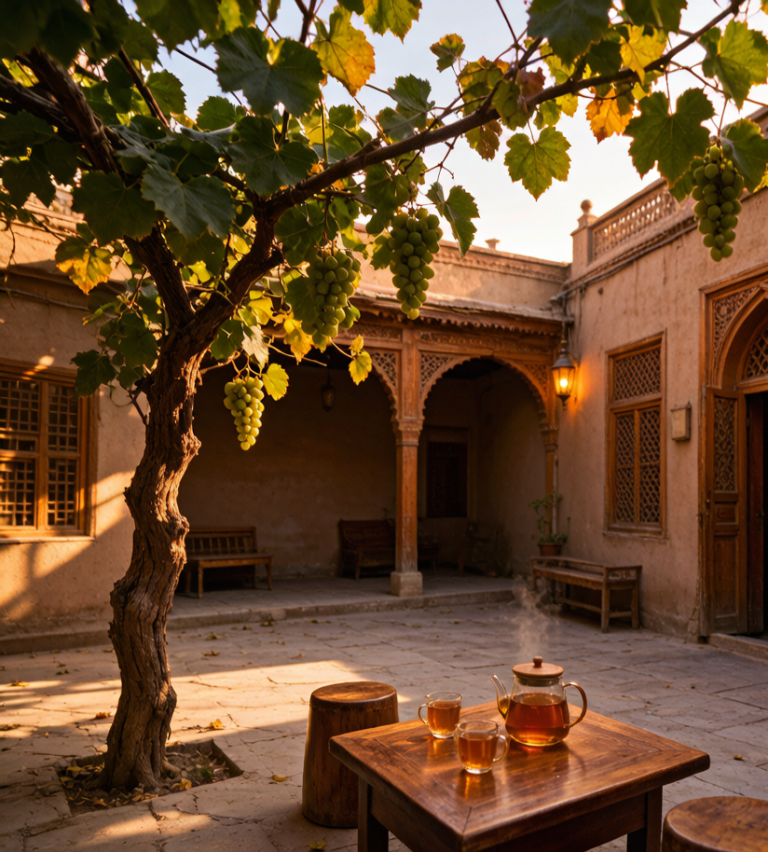
Rider reports favor guesthouses that allow secure bike parking and early breakfast. In Urumqi, riders use city hotels near the freight depots. Along the Duku, Bayinbuluke yurts and guesthouses fill fast in July and August, so book ahead. Kashgar’s old town hostels are the standard base before the Karakoram ride. Tashkurgan has basic hotels suited for altitude acclimatization. Riders note that smaller towns on the Taklamakan edge offer simple but clean rooms with courtyard parking, useful for Taklamakan Desert Highway transit.
Food (What & Where to Eat Nearby)
Xinjiang road food is meat and carb heavy, which suits long riding days. Urumqi and Kashgar have the widest choice, from hand-pulled laghman noodles to mutton skewers and big-plate chicken. Along the Duku, roadside stops serve warm noodle soups that riders welcome at altitude. In Tashkurgan, kyowa (fried dough) and yak meat dishes are common. Riders report carrying extra water and snacks because desert stretches between Aksu and Kashgar have sparse services. Halal options dominate, and most rider-friendly guesthouses offer early breakfast if you ask the night before.
What locals know
Permits: the Karakoram corridor into Tashkurgan requires a border-area permit, typically arranged in Kashgar with passport and visa details. The Duku Highway needs no special permit for domestic riders but enforces seasonal closures. Altitude: Tashkurgan sits above 3,000 meters, and the Duku crosses passes near 3,400 meters, so acclimatize and watch for headache and fatigue. Tires: rider reports stress carrying a repair kit and a spare tube because remote stretches have no shops. Fuel range: keep at least 200 km reserve; the Taklamakan crossing has spaced stations. Border zones: never photograph military sites and stay on marked roads near the frontier.
Tire choices. Dual-sport or 50/50 trail tires are the most reported option, balancing paved curves with gravel. Some riders fit 60/40 or 70/30 tires for more highway comfort on the desert runs, accepting less grip on the Karakoram gravel. Check tread depth before the Duku and carry a repair kit, a spare tube or plug kit, and a compact compressor.
Fuel cans. Carry at least one approved 5 to 10 liter fuel canister with a stable mount. Riders report stations spaced 150 to 250 km on desert and border legs, so a canister turns a missed station from a breakdown into a minor delay. Fill it only from a proper pump and vent it daily in heat.
Altitude. Above 3,000 meters the air is thin and the sun is intense. Riders advise a relaxed first day at altitude, extra water, and monitoring for persistent headache or nausea. The Duku passes near 3,400 meters; Tashkurgan sits above 3,000. Descend if symptoms worsen.
Border-zone behavior. Near the Karakoram and Khunjerab frontier, do not photograph military posts, vehicles, or barriers, and stay on the marked road. Riders report that checkpoint staff check permits and may ask about destinations; answer plainly and keep documents handy. Drones are restricted near borders.
What to carry. Beyond riding gear, riders list a fuel canister, tire repair kit, tool roll, first-aid kit, sun protection, warm layers, water, snacks, a paper map as backup, and photocopies of passport and permits. A phone with offline maps covers most navigation, but signal drops on remote passes.
Getting the paperwork right
- Needing a special license — Domestic riders need a valid Chinese motorcycle license matching their bike’s displacement.
- Renting a motorcycle — Some Urumqi operators rent to foreign visitors with the right permits, but availability is limited and paperwork takes time.
- Duku highway open all year for motorcycles — No.
- Cost — Riders suggest a practical range of at least 300 km with a 200 km reserve.
- Needing a border permit — Yes, the section toward Tashkurgan and Khunjerab requires a border-area permit.
- Tires work best for motorcycle xinjiang routes — Dual-sport or 50/50 trail tires are the most reported choice, balancing paved mountain curves with gravel sections.
- Safer to join a guided motorcycle tour — Many first-time riders choose a guided tour for permit handling, backup vehicles, and fuel planning.
Work through that list a few days before departure, not on the morning you fly. Most of the grief I have seen on this route comes from leaving it until the last minute.
About the Author
Karl Huang compiles Xinjiang travel guides from official road data, published rider trip reports, and tour-operator briefings.