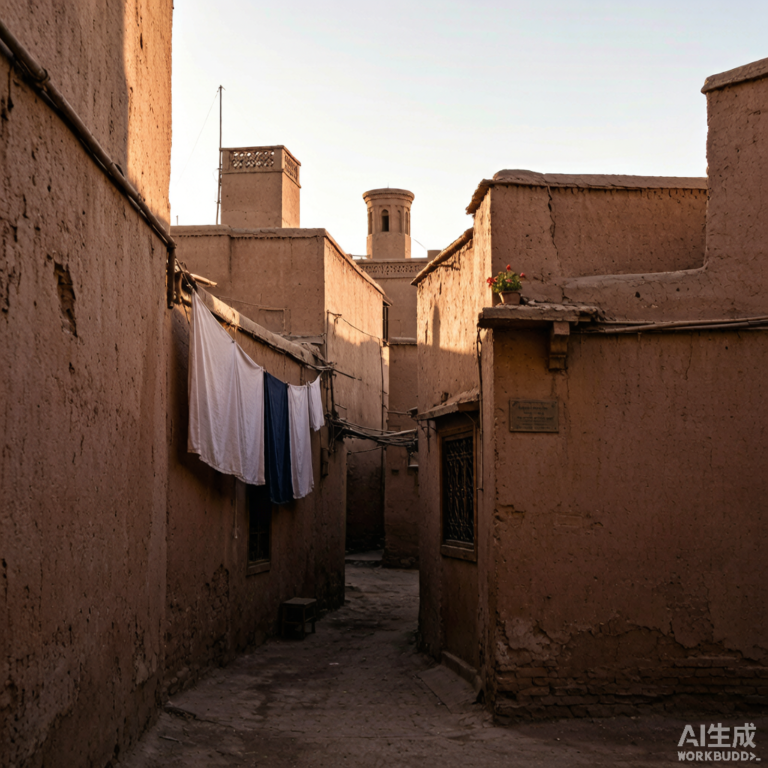
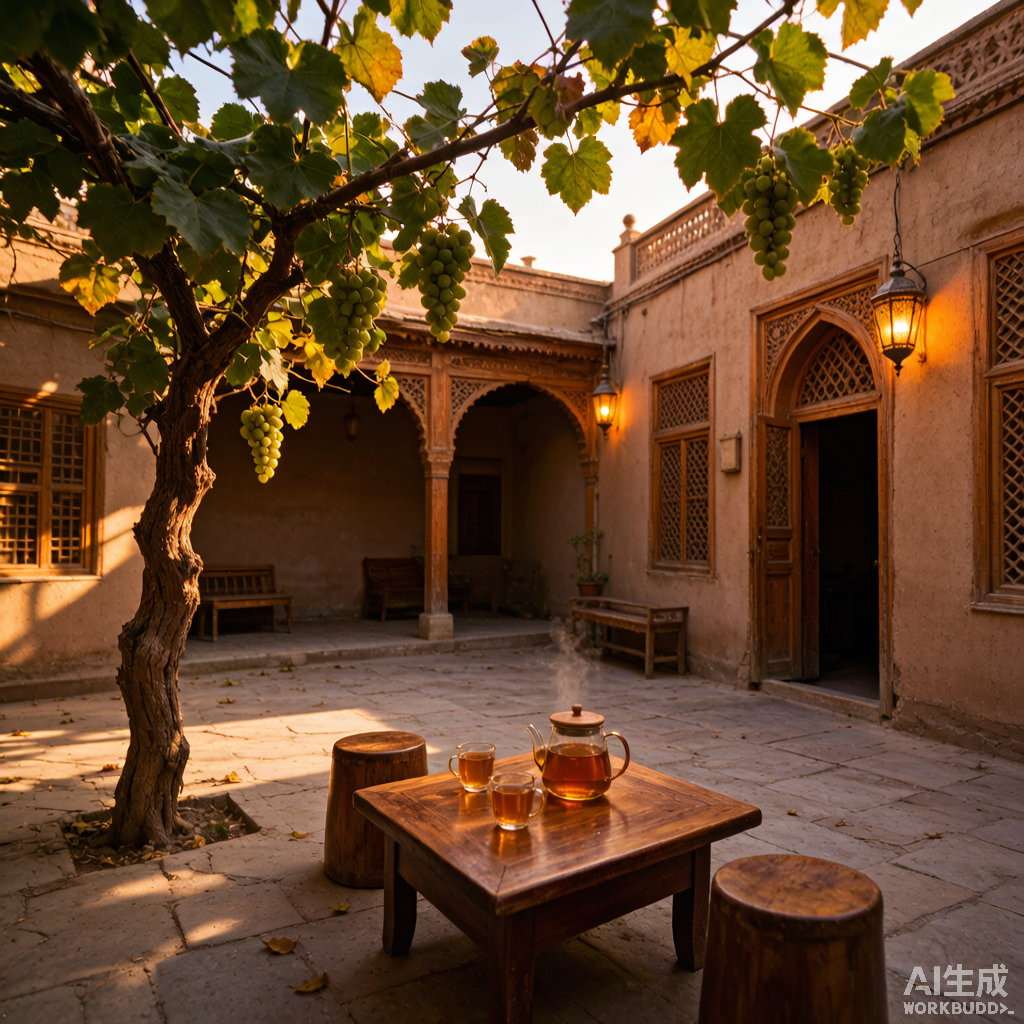
Staying in a Uyghur Home: What a Xinjiang Homestay Is Really Like
A hotel tells you about a place. A Uyghur home tells you about the people in it, and that is why a homestay has become my favourite kind of stop. The first one I stayed in rewrote how I understood the region, and I have sought them out since.
The hospitality is the headline. You are fed, often more than you expect, and the meal is the event. That table etiquette overlaps with what I describe in eating halal and vegetarian in Xinjiang, because the home kitchen is almost always halal and the courtesy around it matters. Wash hands before food, accept tea, and let the host lead the seating.
Comfort is honest, not luxury. A homestay is closer to the old-town guesthouse feel than to a resort, and that is the point. You trade a glossy lobby for a courtyard, a routine, and conversation. I have slept better in some homes than in some hotels, precisely because the pace slowed.
Booking takes the same care as any hotel as a foreigner, with the extra step of confirming registration, since small family places sometimes fumble it. I ask up front, and the reliable hosts sort it without drama. The unreliable ones are a sign to book elsewhere.
The cultural gain is the real product. Sitting in a Uyghur courtyard at dusk, hearing the call to prayer drift over the lanes, is the texture of the place that no viewpoint delivers. It pairs naturally with a yurt night if you want both grassland and oasis hospitality on one trip.
My advice is to treat the home as a privilege, not a cheap room. Be curious, be tidy, and be ready to be fed more than once. Do that, and a homestay becomes the memory the rest of the drive orbits around.
One caution born of experience: confirm the price before you sleep, not at checkout, because a home stay without a clear number is a small stone waiting to drop. The honest hosts state it plainly, and those are the ones to choose. Pay in cash if asked, and round up a little for the meal you were given.
The memory I keep is a courtyard at night, a string of lights, and a family ignoring my awkwardness while treating me as kin. That is the product, and no hotel sells it.
The language gap is smaller than it looks. A smile and a willingness to mimic covers most of a meal, and I picked up a handful of Uyghur words that opened doors wider than any phrasebook. Children in the home often speak some Mandarin from school and become the translators, which is its own delight. I learned to bring a small gift, fruit or sweets from the bazaar, as a thank-you, because arriving empty-handed to a table you did not pay to set feels wrong. The gift is refused once and accepted the second time, and that small dance is the hospitality itself. Leave with the host’s number if they offer it; mine led to a wedding invitation I still regret missing.