
Dabancheng & the Wind Corridor: A Half-Day Drive East of Urumqi
If you leave Urumqi heading east you quickly meet a wall of wind. The Dabancheng corridor funnels air off the Tianshan into a perpetual gale, and someone has planted thousands of white turbines across the plain to catch it. It is one of the easiest and strangest half-day drives from the city — and a fine first taste of how Xinjiang mixes the ancient and the industrial.
What you are actually driving through
Dabancheng sits in a saddle between the Bogda peaks and the desert. For centuries it was the hard part of the Silk Road — the pass caravans dreaded. Today a good highway runs through it, and the only drama is the wind that rocks a parked car. The Sayram loop to the west offers similar mountain-valley transitions on a grander scale.
The wind farms
The turbines are not a ticketed attraction; they are infrastructure you drive past. Pull off at a safe lay-by and walk a few steps into the roar — it is genuinely humbling. Bring a jacket even in summer; the gusts are cold and the dust they lift stings. A wrap-around is wise.
Pair it with the high plain
North of the corridor the highway toward the northern loops opens onto open grassland and, depending on the season, a shallow lake that migratory birds cross twice a year. The contrast — industrial blades on one side, nomads on the other — is the real Dabancheng, and a neat summary of modern Xinjiang.
Logistics
- Distance from Urumqi: about 40 km, under an hour each way.
- Road: the G30 expressway or the older parallel road; both paved and busy with trucks.
- Best light: late afternoon, when the turbines throw long shadows across the plain.
- Mind the wind for cameras and drones — a tripod is useless here, and loose gear blows.
Why bother?
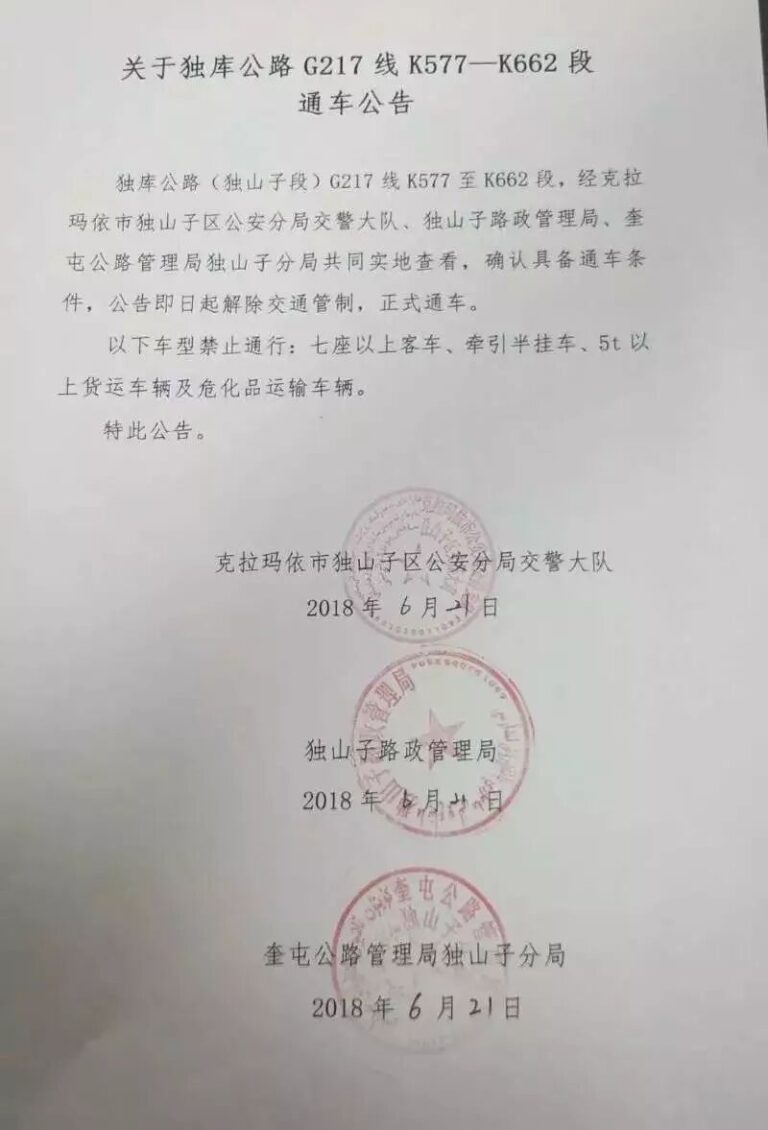
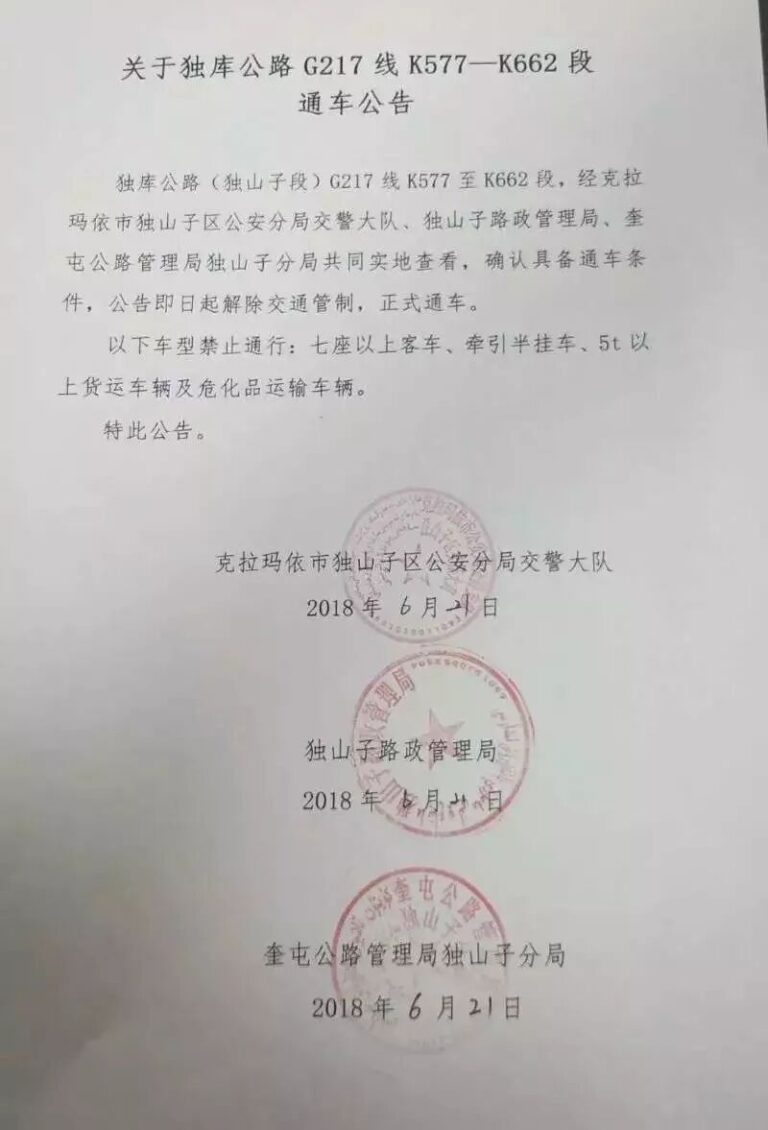
It is a gentle warm-up for the bigger drives like the Duku Highway, close enough to Urumqi to fit before a flight, and different enough from the postcard scenes to feel like a discovery. Pack a windproof layer and a sense of scale.
Pair it with Tianchi
If you want a fuller day east of Urumqi, the Heavenly Lake (Tianchi) sits on the same mountain flank, an hour or so north. Do Dabancheng in the wind and Tianchi in the calm of the morning and you get two very different faces of the Tianshan in one loop. The lake is the postcard; the corridor is the texture.
Best season
Summer brings the strongest wind (and the best turbine photos with churned skies); late spring and early autumn are calmer and better for a relaxed walk. Winter is brutally cold but eerily beautiful, with frost on the blades. I prefer September: cool, clear, and the gusts have eased enough to enjoy the plain on foot.
The checkpoints, honestly
They are tedious rather than dangerous, and the driver’s document pack is the only thing that makes them quick. You will stop at checkpoints. They are short, they are not hostile, and the whole process for a foreign plate takes longer than for a local one because the officer has to make an entry. Keep passport and car documents in the glovebox rather than the boot so you are not unpacking in front of a queue. Write down the address of tonight’s accommodation, because that is the question they ask. Nobody has ever been rude to me at one of these.
What winter does to this road
Between November and March you are planning around a gate that moves. Drive it in summer and none of this matters. Snow chains help, warm layers in the cabin matter more, and a full tank matters more than both. The surface is fine. The problem is that a pass at this height can shut for a day with no warning and reopen at dawn, and nobody announces it until somebody radioes it in. The short version, with the numbers, is in our [[xinjiang-dabancheng-wind-town-guide|Dabancheng: Urumqi’s Windy Gateway and the…]].
What the wind corridor actually is
This stretch southwest of Urumqi is one of China’s largest wind-power bases, and the first time you drive it the sight is genuinely odd: thousands of white turbines marching across a brown plain as far as you can see, turning slowly in a wind that never seems to stop. Dabancheng (达坂城) gives the corridor its name, and on a clear day the Tianshan wall sits snow-line-high to the south the whole way.
Driving it, season by season
Wind here means the road can be brutal in spring — gusts strong enough to push a high-sided vehicle, and the occasional closed pass. I avoid the corridor on red-flag wind days and prefer a calm morning. In summer it’s hot and bright; in winter the plain goes white and the turbines look like they’re standing in snow. There’s a windsock logic to the whole drive: if the flag is horizontal, slow down and grip the wheel. A short stop at the small town for laghman noodles makes a good midpoint break.