Renting a Car in Xinjiang: Self-Drive Rules, Costs, and Routes
Xinjiang’s distances are so vast that a car transforms the trip. Trains and flights connect the cities, but the grasslands, lakes, and Pamir villages that define the region sit far from stations — and a self-drive (or private driver) is the only way to reach them on your own schedule.
Licenses: foreign visitors need an International Driving Permit plus a Chinese notarized translation, or — more commonly — hire a car with a local driver, which sidesteps the paperwork and adds a knowledgeable guide. Domestic travelers use a standard Chinese license. Either way, insurance and a clear contract are essential.
Costs: a compact rental runs roughly 200–400 RMB/day in peak season, SUVs more; cross-region drop-off fees apply if you don’t return to the same city. Fuel is cheap by global standards. A private driver with car typically costs 800–1,500 RMB/day including the driver’s time — often the simpler choice for visitors unfamiliar with local rules and language.
Rules and reality: drive on the right, observe the frequent speed cameras (the highways are heavily monitored), and carry your documents. Many scenic areas restrict private cars to designated lots with shuttle buses. Checkpoints are normal near border regions; keep your passport handy. The Xinjiang Travel Guide self-drive section lists current checkpoint expectations.
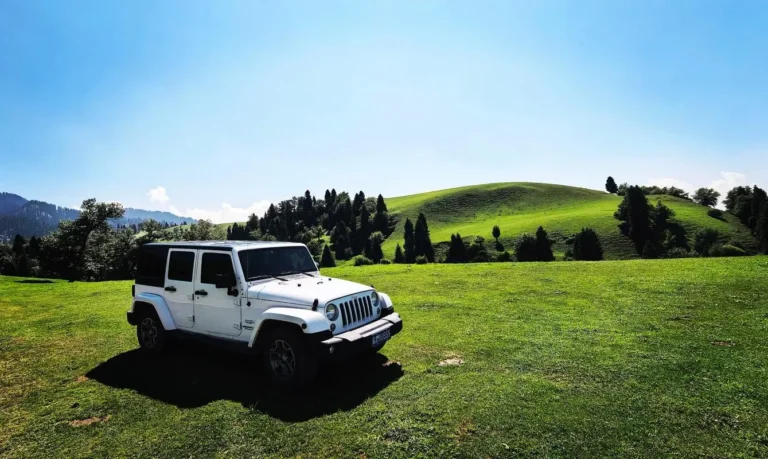
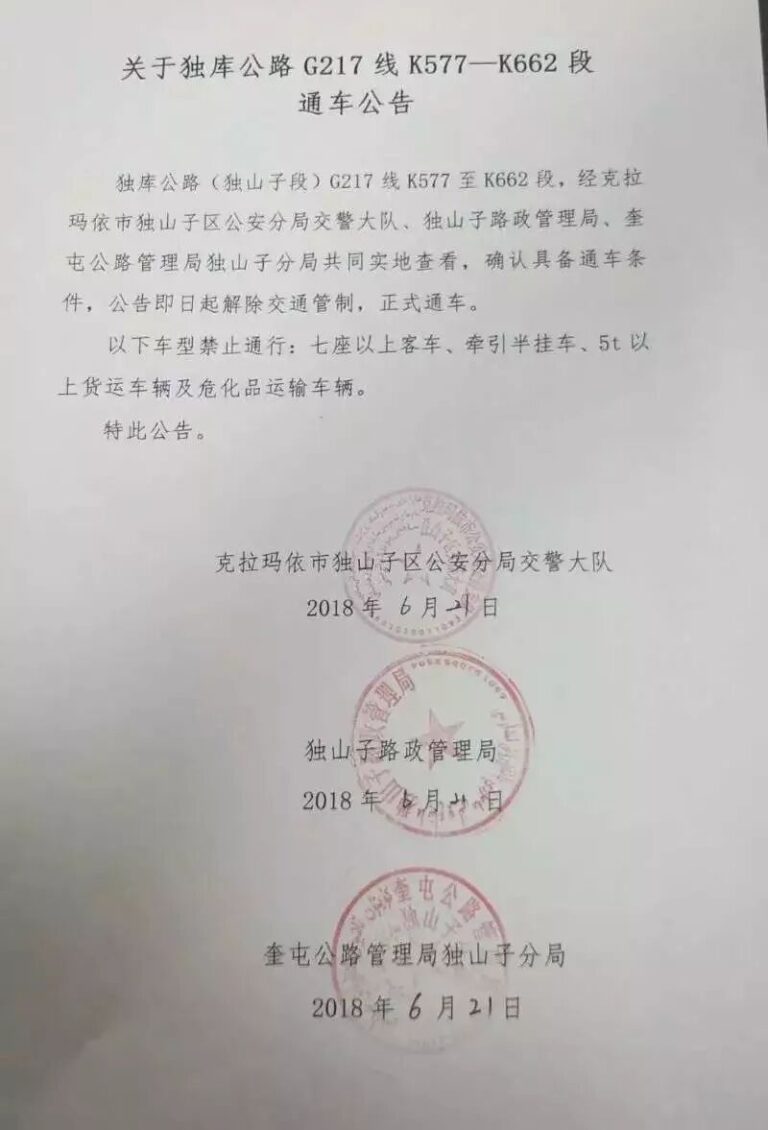
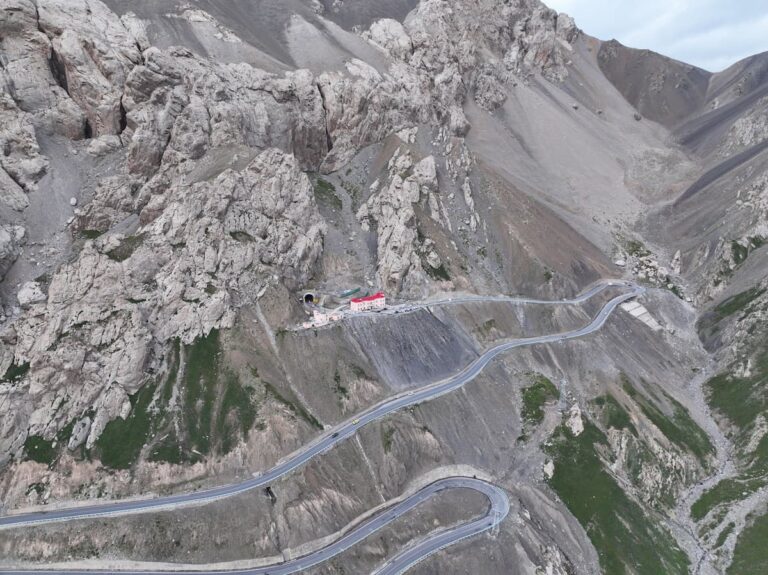
Classic routes: the northern loop (Urumqi–Tianchi–Kanas–Ili–Sayram) is the scenic crown; the Duku Highway is the single best day; the southern run (Urumqi–Turpan–Kashgar–Tashkurgan) is cultural and dramatic; and the Taklamakan desert highways (glass-smooth roads across the world’s second-largest shifting-sand desert) are a surreal experience best done with a full fuel tank and a plan.
When not to self-drive: winter closes mountain passes (Duku, Karakoram) and makes remote stretches risky. In peak summer, popular roads get congested — start at dawn. If you are unsure, a driver lets you enjoy the view instead of the speedometer.
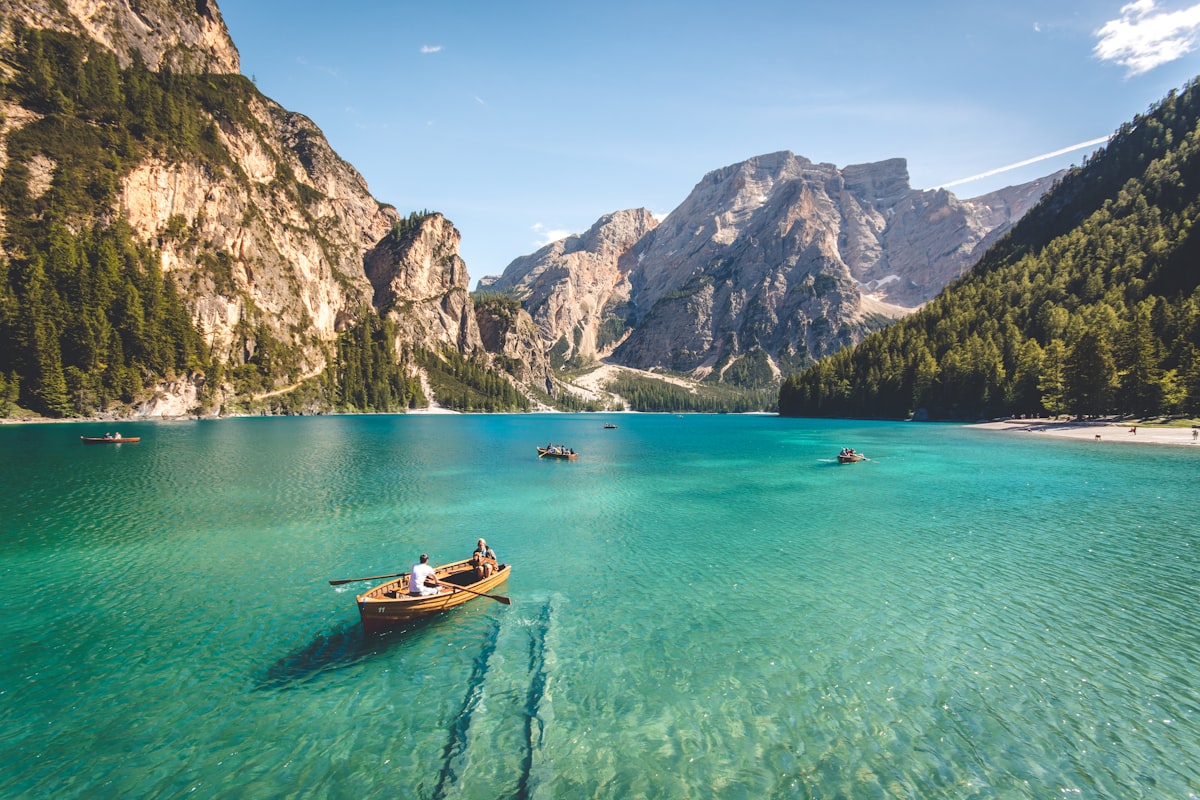
Final advice: rent from a reputable city outlet, photograph the car at pickup, confirm what’s included (mileage caps, insurance excess), and download offline maps — signal vanishes in the mountains and desert. Done right, a car turns Xinjiang from a list of cities into a continuous, spontaneous journey through some of Asia’s most staggering landscapes.
What a local driver would refuse to do
What they will happily do is leave at five in the morning to catch the light, and that is the version worth asking for. My host in Xinjiang said the pass was two hours, meaning two hours driving without the stops, and that is the number to plan around, not the one the map shows. A driver who knows this road gives you the honest distance. What they will refuse is a night drive over the high sections in winter, and they are right. The short version, with the numbers, is in our [[xinjiang-self-drive-travel-guide|2026 Xinjiang Self-Drive Travel Guide]].
What winter does to this road
The problem is that a pass at this height can shut for a day with no warning and reopen at dawn, and nobody announces it until somebody radioes it in. Drive it in summer and none of this matters. Between November and March you are planning around a gate that moves. Snow chains help, warm layers in the cabin matter more, and a full tank matters more than both. The surface is fine. The evening version of that plan is in our [[train-vs-self-drive-vs-flight-xinjiang|Train vs Self-Drive vs Flight: How I Choose…]].
Fuel, and the gaps where there is nothing
Every town on this route has a station and every station takes cards, which is the good news. The bad news is the distance between them through the middle sections, enough that a full tank is arithmetic rather than paranoia. Fill before you leave anything with a city name on the map, even if the next is only ninety minutes out. I have been on a road in this region where the next fuel was two hours back, the reason being a closure, and the only thing that got me moving was a trucker with a spare can. For the part people underestimate, see our [[car-rental-xinjiang-self-drive-guide-2026|Car Rental in Xinjiang: What Foreigners…]].
The checkpoints, honestly
Write down the address of tonight’s accommodation, because that is the question they ask. They are tedious rather than dangerous, and the driver’s document pack is the only thing that makes them quick. Nobody has ever been rude to me at one of these. You will stop at checkpoints. They are short, they are not hostile, and the whole process for a foreign plate takes longer than for a local one because the officer has to make an entry. Keep passport and car documents in the glovebox rather than the boot so you are not unpacking in front of a queue. For the part people underestimate, see our [[xinjiang-duku-highway-self-drive-guide|Duku Highway Viewpoints: The Best Stops…]].