Xinjiang Travel Budget 2026: Real Daily Costs, 7-Day and 2-Week Trips
Last updated: July 2026 · Written by Karl Huang, a Xinjiang travel specialist who has spent time across the region. Practical details are cross-checked against official tourism, transport, and border-regulation sources.
One of the first questions anyone asks before coming to this part of the world is simple: how much does Xinjiang travel actually cost? The honest answer is that it depends heavily on your style, your route, and how far off the main rails you go. Xinjiang is enormous — it covers about one-sixth of China’s land area — so transport is the single biggest variable in your budget. This guide gives you realistic 2026 numbers based on what travelers are actually paying, not optimistic brochure figures.
We break costs down by travel style (backpacker, mid-range, and comfort), walk through every line item you’ll encounter, and then show you two complete sample budgets: a focused 7-day trip and a fuller 14-day loop. Use these as planning anchors, then adjust for your own appetite for comfort and a bit of adventure along the way.
At a Glance: Xinjiang Travel Budgets
| Item | Backpacker | Mid-range | Comfort |
|---|---|---|---|
| Daily spend (excl. flights to Xinjiang) | ¥250–400 | ¥600–900 | ¥1,200–2,000+ |
| Suggested trip length | 7–10 days | 10–14 days | 14+ days |
| Domestic flights / trains needed? | Yes (budget sleeper) | Yes (mix) | Yes (more flights) |
| Permits required? | Usually no | Sometimes (border) | Sometimes (border) |
| Best value season | May / Sep | Jun / Sep | Jul–Aug (book early) |
Realistic Daily Budgets by Travel Style
Backpacker (¥250–400 / day)
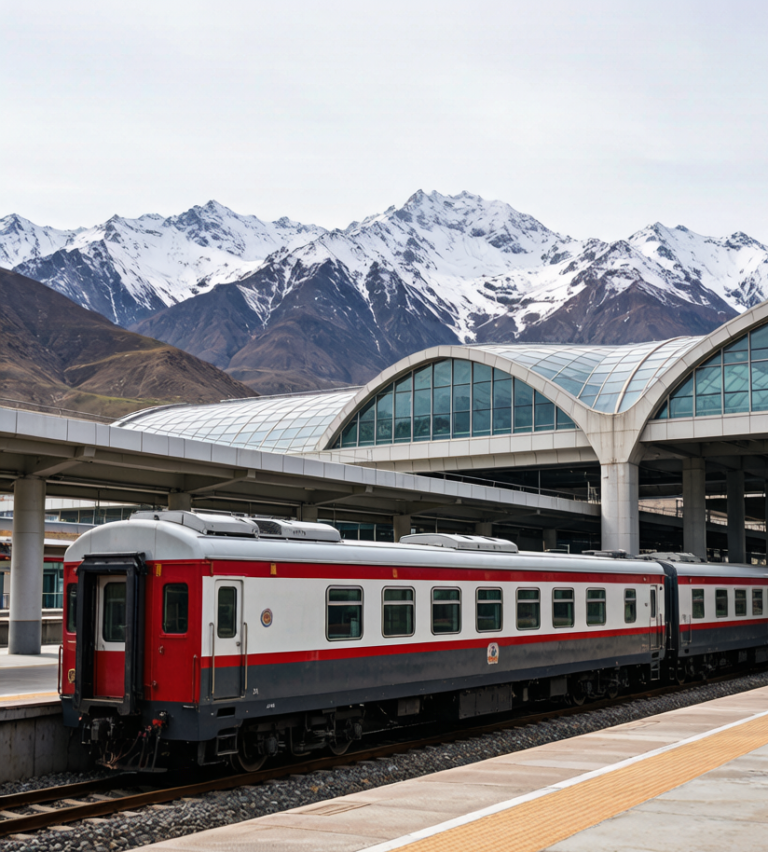
This is the hostel-and-train approach. You stay in dorm beds or the cheapest private rooms, eat at local noodle shops and night markets, and move around on public buses and hard-sleeper trains. When we rode the overnight train from Urumqi to Kashgar in a hard sleeper, the berth cost under ¥300 and doubled as a hotel — a classic backpacker move that saves a night’s accommodation. You’ll skip paid guides and most entrance fees where walking is possible, but you’ll trade time for money on long bus hauls, and you’ll need patience with schedules that slip in remote counties.
Mid-range (¥600–900 / day)
This is the sweet spot for most independent travelers. You get clean three- or four-star hotels, comfortable private transport for day trips, and you eat a mix of local restaurants and the occasional nicer meal. On a trip to Kashgar we rented a car with a driver for two days to reach the Karakoram Highway villages — it ran about ¥600 per day including fuel, which split between two people was far cheaper than a packaged tour and far more flexible. Mid-range also lets you book the occasional scenic hotel inside a park, which saves repeated gate-entry shuttles.
Comfort (¥1,200–2,000+ / day)
Here you fly between regions, stay in the best available hotels (often ¥800–1,500 a night in peak season), hire private guides, and eat well. Comfort travelers also save the most time, which matters because distances here are brutal — a self-drive from Urumqi to Kanas can be 10+ hours if you don’t break it up. For many visitors the real luxury is not the thread count but the hours returned to your trip by not sitting on a bus.
Cost Breakdown: Where Your Money Goes
Transport
Transport is usually your largest expense after international flights. Domestic one-way flights within Xinjiang run roughly ¥400–900 depending on route and season. Sleeper trains are far cheaper (¥200–400 for a berth). Car rental with driver averages ¥500–800/day; self-drive is cheaper on paper but you pay fuel, tolls, and parking, plus the cost of your own time behind the wheel. For route logistics, our transportation in Xinjiang guide covers trains, flights, and road conditions in detail, including which legs are worth flying versus driving.
Hotels
Expect ¥120–250 for a decent budget room, ¥300–600 mid-range, and ¥700–1,500+ for comfort in popular spots like Urumqi, Kashgar, and the Ili grasslands during July–August. Prices spike on holiday weeks (National Day in early October, Spring Festival), so book ahead. A useful trick we use: in peak season, book the first and last night of a region’s hub city and keep the middle nights flexible, since weather and road openings can reshuffle a loop.
Food
Xinjiang is a food lover’s bargain. A plate of hand-pulled laghman noodles costs ¥15–25, a mutton kebab ¥3–5 each, and a filling naan ¥3–6. A good sit-down meal for two with skewers, polo (pilaf), and tea runs ¥80–150. Our Xinjiang food guide maps out what to eat region by region so you don’t overpay at tourist traps near the big ticket offices. Markets are where you eat cheapest and best — a ¥10 baked bun at a Kashgar morning stall beats a ¥60 hotel breakfast every time.
Permits, Guides, and Entrance Fees
Most mainstream sights (Kanas, Nalati, Kashgar Old City) charge entrance fees of ¥30–100, with some scenic areas bundling shuttle buses at ¥60–100. Border regions like the Khunjerab Pass require extra permits arranged in advance — budget time, not just money, for those. Private guides in national parks cost ¥300–600/day and are worth it if you want context rather than just a photo stop. Many parks also require the internal shuttle, so read the ticket fine print before you assume you can drive your own car to the viewpoint.
Hidden Costs Travelers Forget
A few line items surprise first-timers. Airport transfers in smaller cities often mean a ¥60–120 taxi because ride apps are thin. SIM data and a local eSIM or physical card run ¥50–150 for a week. Laundry on the road, bottled water in dry heat (you’ll drink more than you expect), and tips for drivers add another ¥20–40/day. None of these break the bank, but they explain why a trip feels 10–15% pricier than the headline math suggested.
Sample 7-Day Budget (Mid-range, North Xinjiang)
This is a realistic Urumqi–Kanas–Ili–Duku loop for two people sharing costs:
- Flights/trains within Xinjiang: ¥1,600 (per person, ~¥800)
- Hotel 6 nights @ ¥450 avg: ¥2,700 (¥1,350/person)
- Car + driver 4 days @ ¥650: ¥2,600 (¥1,300/person)
- Food 7 days @ ¥150/day: ¥1,050 (¥525/person)
- Entrance + shuttle fees: ¥700 (¥350/person)
- Incidentals (SIM, snacks, tips): ¥500 (¥250/person)
Per person total: roughly ¥4,575 (~¥650/day) excluding your international flight to Urumqi. A backpacker version of the same route lands near ¥2,800–3,200; a comfort version pushes past ¥8,000. If you’d rather see the day-by-day routing, our 7-Day North Xinjiang Itinerary lays it out stop by stop.
Sample 14-Day Budget (Comfort, North + South Loop)
Stretching to two weeks lets you add Turpan, Kashgar, and the southern desert route. Budget roughly:
- Internal flights (3–4 legs): ¥2,400/person
- Hotels 13 nights @ ¥800 avg: ¥5,200/person
- Private car/guide 8 days: ¥3,200/person
- Food @ ¥250/day: ¥3,250/person
- Fees + permits: ¥1,000/person
Per person total: about ¥14,850 (~¥1,060/day). If you want a tighter plan, our Xinjiang 10-day itinerary splits the difference and shows where you can trim a day without losing the highlights.
Money Tips That Actually Save You Cash
Carry Cash for Remote Areas
Mobile payment (WeChat Pay / Alipay) rules the cities, but in small villages near the Karakoram Highway or remote pastures, card readers and signal drop out. We once sat in a mountain teahouse where only cash worked — having ¥500 in small bills saved the day. ATMs are common in county towns but scarce above the village level, so refuel your wallet whenever you pass a bank in a hub city.
Bargain (Politely) at Markets
Fixed-price restaurants are fine, but at bazaars — especially around the Kashgar Old City — friendly haggling is expected on carpets, knives, and dried fruit. Smile, walk away once, and you’ll usually land 20–30% lower. The bargaining itself is part of the experience; nobody is offended if you politely pass.
ATMs, Cards, and Booking Trains
Major banks (ICBC, Bank of China) accept foreign cards at city ATMs, though fees apply. Tell your bank you’re traveling, and withdraw a few hundred yuan at the airport on arrival. For train bookings, the official China Railway site lets you check schedules and prices before you commit, which helps you decide whether a ¥250 sleeper beats a ¥700 flight on a given leg.
Questions from readers