Xinjiang Food Safety for Travelers: How to Eat Well Without Getting Sick
Xinjiang food safety is the single biggest everyday concern travelers raise before a trip here, and it is also one of the most solvable. That single habit — follow the crowd — turned out to be the most reliable signal I found. What helps is a clear, repeatable set of rules.
Xinjiang Food Safety: Overview & Key Facts
Xinjiang food safety starts with a simple reality: the region’s street food has a generally sound reputation when it is freshly cooked. The dishes that define Uyghur cuisine — kebabs over charcoal, naan from a tandoor, laghman noodles boiled to order — are prepared at high heat, which kills most pathogens. The risks that do exist are rarely about the cuisine itself and more about temperature control, water, and hand hygiene.
The common risk categories reported by travelers and public-health sources break down like this:
- Temperature abuse — food left in the summer heat between cooking and serving.
- Contaminated water and ice — used to wash produce or chill drinks.
- Hand contact — vendor handling of ready-to-eat food without frequent hand washing.
- Raw or undercooked items — unpeeled fruit washed in tap water, rare meat, unpasteurized dairy from unknown sources.
- Reheated buffets — large trays held warm for hours rather than cooked to order.
None of these is unique to Xinjiang. They are the standard street-food hazards anywhere in the world, and the standard defenses work here too.
In practice, a handful of habits have kept me symptom-free across multiple trips, and they are the ones I tell every first-timer to lock in first:
- Drink bottled or boiled water, and skip the ice. The single biggest avoidable risk in summer is ice made from untreated tap water in your cold drinks. Bottled water is cheap and everywhere; ask for drinks without ice.
- Peel, don’t rinse. Produce washed in tap water is a common culprit. Bananas, oranges, and pomegranates you peel yourself are safe; leafy salads from uncertain sources are not.
- Carry hand sanitizer and use it. Before every street meal, especially when there is no sink. Most trouble enters through your own hands.
- Follow the crowd to the hottest stall. The busiest kebab and naan vendors turn over stock fastest and cook at the highest heat — that throughput is your safety signal.
- Think about Hep A before you fly. Hepatitis A is food- and water-borne; the vaccine is worth considering for a longer Xinjiang trip. Talk to a travel clinic at home.
Getting There: How Food Fits Into Your Travel
Food is not a side activity in Xinjiang; it is central to the experience. Long drives between cities such as Urumqi, Turpan, Kashgar, and the Ili Valley mean you will rely on roadside stops, wet markets, and small restaurants rather than a single hotel buffet. Understanding where risk concentrates helps you plan.
Wet markets vs restaurants. Wet markets sell raw meat, live poultry, and loose produce. They are fascinating and culturally rich, but they are not where you should be tasting samples. Buy whole fruit you can peel yourself, and leave raw preparation to licensed restaurants. Sit-down restaurants and busy noodle houses that cook to order are lower-risk than a market stall selling pre-cut fruit in the midday sun. A sensible pattern is to browse markets for the atmosphere and buy cooked items, then eat your main meals where you can see food being freshly heated.
Tickets & Costs: Eating on a Budget Without the Risk
Eating well in Xinjiang is cheap, and price itself is a rough safety signal. Extremely low prices on meat items can mean older stock or cuts handled carelessly; reasonable, locally normal pricing at a busy stall is usually a better bet.
Lamb skewers ~3–6 RMB as of 2025 — confirm locally, as prices shift with season and tourism. A filling cooked meal (noodles or rice dish) often runs 20–40 RMB, and naan costs a few yuan each. Safe versus risky price signals:
| Safe price signal | Risky price signal |
|---|---|
| Normal local price at a stall crowded with residents | Skewers far below market rate, especially meat |
| Transparent pricing written on a board | No price shown, vague “bargain” setups |
| Hot food cooked in front of you | Pre-cooked trays sitting at room temperature |
| Costs align with nearby stalls | Sudden markup aimed at obvious tourists with no quality difference |
Budget roughly 80–150 RMB per day for food if you mostly eat street-cooked and restaurant items, more if you dine in hotels. Carry small cash and a payment app, since remote stalls may not take cards.
Best Time to Visit: Heat, Cold, and Spoilage
Season changes the food-safety math. Summer (June–August) brings 35–40°C heat across the Tarim and Dzungarian basins. That heat accelerates bacterial growth on anything held warm or at room temperature, so summer demands stricter rules: eat only piping-hot food, avoid pre-cut fruit, and skip street ice. Winter (November–March) is genuinely safer for many preserved and slow-cooked foods — dried fruits, polo (pilaf) kept hot, and hearty stews — because cold slows spoilage and you are less tempted by room-temperature snacks.
Spring and autumn are the comfortable middle: mild temperatures mean a wider safe window for cooked street food, though the peel-or-cook rule still applies to raw produce.
Day-by-Day: A “Safe Eating Day” Framework
You do not need a rigid itinerary, but a daily rhythm reduces risk. Here is a sample safe-eating day with clock times you can adapt:
| Time | Meal | Safe choice | Why |
|---|---|---|---|
| 08:00 | Breakfast | Fresh naan + hot milk tea | Bread from a hot tandoor, tea boiled |
| 10:30 | Snack | Whole peeled fruit you prepare yourself | Peel removes surface contamination |
| 13:00 | Lunch | Hot cooked lunch — laghman or Da Pan Ji | High-heat cooking kills pathogens |
| 16:00 | Drink | Bottled water, sealed | Avoids tap-water exposure |
| 19:00 | Dinner | Busy night-market stall, grilled skewers cooked to order | Crowds + open flame = fresh turnover |
| 21:30 | Late bite | Nothing raw; only hot or sealed items | Late-night cold food is highest risk |
Repeat this skeleton daily and your stomach will thank you. The 13:00 hot cooked lunch and 19:00 busy night-market stall are the two anchors I relied on most.
Where to Eat: Safe Choices and What to Avoid
The safest places share three traits: high turnover, visible cooking, and local crowds. Noodle houses where dough is pulled and boiled to order, kebab rows where coals glow continuously, and bakeries with a steady stream of naan coming out of the tandoor are all good signs.
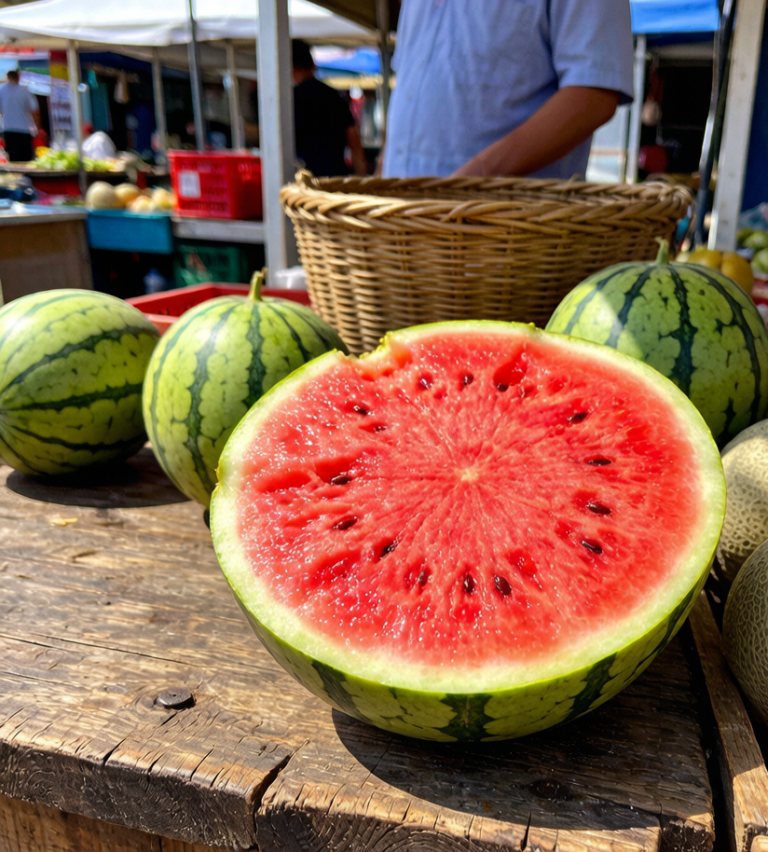
What to avoid: stalls with flies on uncovered trays, pre-cut watermelon or melon sitting in the sun, unlabeled dairy, and any place reheating a big tray that has clearly been out for hours. If a stall looks empty while the one next door has a line of locals, trust the line. A quiet stall is not automatically unsafe, but a busy one gives you turnover, and turnover is the quiet engine of Xinjiang food safety — the food simply does not sit long enough to spoil.
| Safe choices | Risky choices |
|---|---|
| Grilled skewers cooked over open coals to order | Pre-grilled meat kept warm uncovered |
| Naan straight from a hot tandoor | Day-old bread stored at room temperature and handled often |
| Boiled or stir-fried noodles made fresh | Buffet trays held lukewarm for hours |
| Sealed bottled drinks | Street ice, tap-water drinks, open jug tea of unknown source |
| Whole fruit you peel yourself | Pre-cut fruit washed in tap water and left out |
Food: What & Where to Eat Nearby
The core dishes are both delicious and, when handled right, low-risk. Learn the names and you can order confidently anywhere.

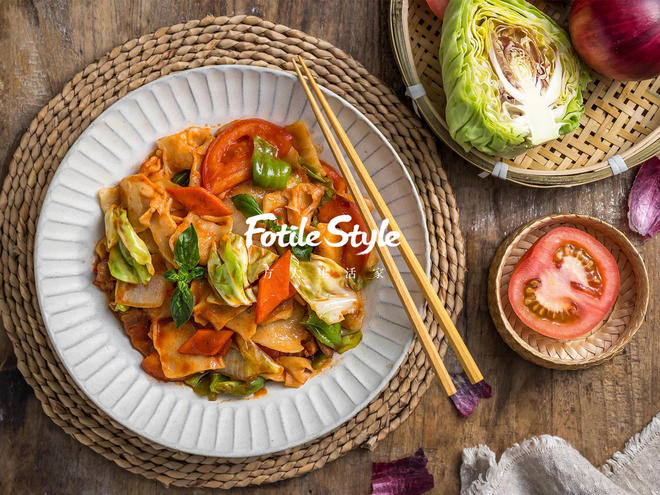
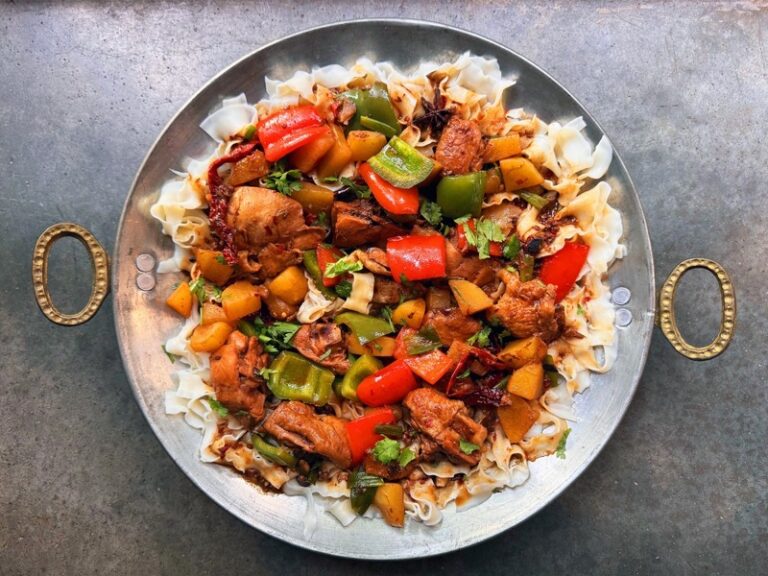
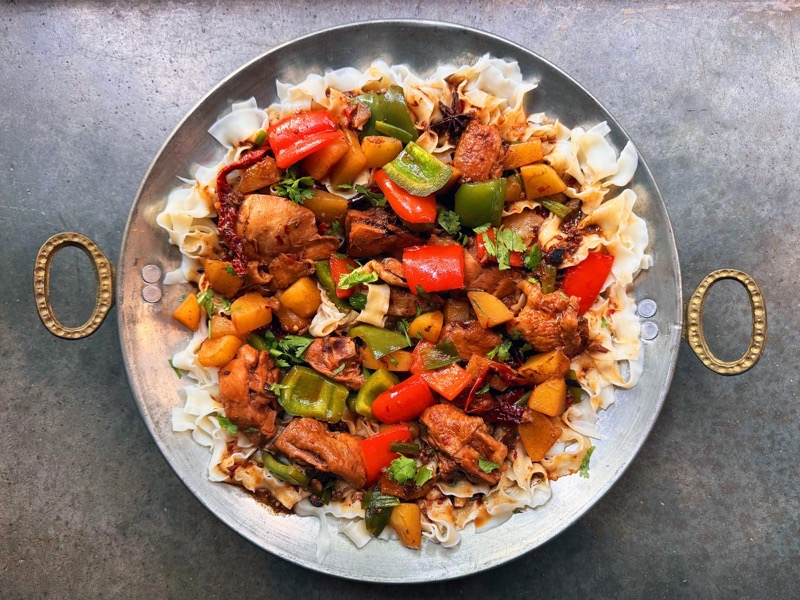
Da Pan Ji (big-plate chicken) is a stew of chicken, potatoes, and belt noodles simmered in a spicy sauce — always served hot, which makes it a safe bet. Read our Da Pan Ji guide for where to find the best versions. Lamb skewers (kawap) are the iconic night-market food; choose stalls where you watch them grill. Our Xinjiang lamb skewers guide covers what to look for. Naan from a tandoor is safe, shelf-stable for a day, and perfect for breakfast — see the Naan guide. Milk tea (nai cha) is usually boiled with salt and tea, so it is safer than cold dairy; the Xinjiang milk tea guide explains regional styles. For a deeper dive into the old city’s lanes, our Kashgar food guide maps the stalls.

For a broader sweep across the region’s kitchens, start with our Xinjiang food guide. Most of these dishes appear in the Xinjiang travel hub as well.
Practical Tips: The Daily Defenses
These are the habits that actually move the needle:
- Hand washing. Wash with soap and water before eating, or use an alcohol hand sanitizer when water is unavailable. This single step prevents more illness than any food choice.
- Bottled water. Drink sealed bottled water and use it to brush your teeth if you are sensitive. Do not assume tap water is potable.
- Peel-or-cook rule. Eat fruit and vegetables only if you peel them yourself or they are thoroughly cooked. Skip the pre-cut salad.
- Ice. Decline ice in drinks; it is often made from untreated water. A cold bottled drink from the fridge is fine, cubed ice is not.
- Street ice cream. Be cautious with unbranded soft-serve from unknown carts. Sealed, branded frozen treats from a shop are safer.
- Altitude appetite. In higher areas like the Pamirs your appetite and digestion slow; eat lighter, cooked meals and stay hydrated rather than loading up on heavy or raw food.
- Stomach meds to carry. Pack oral rehydration salts, a probiotic, and an anti-diarrheal such as loperamide for emergencies. Know the location of the nearest clinic in remote areas.

Original FAQ: Xinjiang Food Safety Questions
Is street food in Xinjiang safe to eat?
Generally yes if it is cooked hot in front of you and the stall is busy. The risk is not the cuisine but temperature and hygiene, so apply the peel-or-cook and follow-the-crowd rules.
Can I drink the tap water?
Most travelers should not. Use sealed bottled water for drinking and teeth brushing, and avoid ice made from tap water.
Are lamb skewers safe?
Yes when grilled over open coals to order at a busy stall. Avoid pre-cooked skewers held warm uncovered. See our Xinjiang lamb skewers guide.
Is naan safe for travelers?
Yes. Baked in a hot tandoor and handled minimally, it is one of the safest staple foods. Whole fruit you peel is similarly low-risk.
What about milk tea and yogurt?
Boiled milk tea (nai cha) is usually safe. Unpasteurized or unlabeled cold dairy from unknown vendors is riskier; choose branded, sealed dairy products.
Do I need stomach medicine?
Carry oral rehydration salts and an anti-diarrheal as a precaution even if you follow every rule, since changes in diet and water can still upset digestion.
Is winter better for food safety?
Cold weather slows bacterial growth, making preserved and slow-cooked foods safer and reducing the temptation of room-temperature snacks.