Xinjiang Samsa: The Clay-Oven Pastries That Define a Roadside Break
The first time I properly ate a samsa, I was stranded for two hours at a dusty crossroads outside Korla waiting for a shared car that never came on schedule. A man wheeled a metal drum oven the size of a beer keg to the roadside, cracked the top, and started slapping palm-sized dough parcels against the scorching inner wall. Twenty minutes later I was holding something that tasted like a cross between a croissant and a lamb pie, still too hot to hold, for about eight yuan. That roadside samsa is still the clearest memory I have of Xinjiang street food, and it is also the most underrated.
What Exactly Is a Samsa?
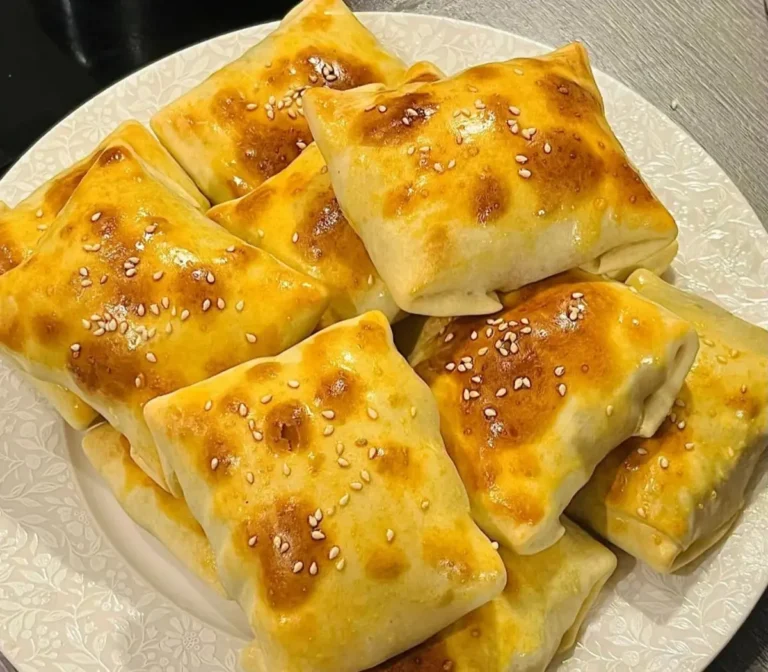
A samsa is a handheld pastry built from laminated dough — fat rolled into the layers the same way you would for a good puff pastry — wrapped around a filling and baked stuck directly to the wall of a tanur, the cylindrical clay oven you see outside bakeries across the region. The word travels with the Silk Road: the triangle of dough is a cousin of the Indian samosa and the Central Asian samsa found from Turkey to Xinjiang. What makes the Xinjiang version distinct is the oven and the fat. Most roadside samsa use lamb tail fat or a neutral oil worked into the dough, which gives the crust its shattering, almost glassy flake.
The Shape Tells You the Region
In Urumqi and the north you mostly meet a round, flat samsa the size of a coaster. In Kashgar and the south the pastry is more often folded into a fat triangle. Neither is “right” — they are just local habits — but if you want the crispest shell, look for the round ones baked right against the hottest part of the tanur wall.
How Samsa Are Cooked: the Tanur and the Roadside Oven
The tanur is the whole show. It is a clay or steel cylinder, fired with charcoal or wood at the bottom, with the inner wall heating to well over 300°C near the top. The baker presses each piece of filled dough onto the wall with a wet cloth pad, where it sticks and bakes from the outside in. Because the pastry is exposed to dry radiant heat rather than sitting in a tray, the bottom crisps while the top stays delicate. When it is done it simply releases and drops onto the ash below, where the baker scoops it out with a long hook. A good samsa comes out mottled brown and black in spots — that is flavor, not burning.
The Fillings You’ll Actually Meet
Most travelers only ever try the lamb samsa, which is a shame because the vegetarian options are often better. Here is what you will find, roughly in order of how common it is:
| Filling | Where it’s common | What it tastes like | Typical price (2025) |
|---|---|---|---|
| Lamb & onion | Everywhere | Rich, fatty, peppery; the default | ¥6–10 |
| Pumpkin (kadoo) | South, Hotan, Kashgar | Sweet, soft, mildly spiced | ¥4–7 |
| Onion & cumin | Urumqi, Turpan | Savory, almost caramelized | ¥5–8 |
| Chicken & potato | Han-run bakeries, north | Mild, filling, kid-friendly | ¥7–10 |
| Spinach or greens | Yili, seasonal | Earthy, less oily than lamb | ¥5–8 |
If a bakery only has one tray in the window, it is lamb. Ask “kadoo barmu?” (do you have pumpkin?) and you will often get a smile and a point to a second oven.
A First-Person Stop in Korla
Back at that Korla crossroads, the baker let me peer into the drum. The lamb samsa were already gone; only pumpkin remained. I bought three, folded the warm pastry into a napkin, and ate them leaning against a fence while trucks roared past. The pumpkin version was nothing like the savory lamb — sweet, a little oily, with cumin you could smell across the road. It cost less than a bottle of water would have back home and kept me full until dinner. That is the entire argument for samsa: cheap, fast, and better than anything you can buy seated.

Where to Eat Samsa
You do not need a restaurant. You need a bakery with a tanur out front and a stack of sold trays. Three reliable patterns:
Urumqi
Walk any residential block in the morning and you will pass two or three nan shops with samsa in the window. The Urumqi food map points to the densest clusters near the southern bus stations, where shared-car drivers grab them by the fistful.
Kashgar
The old town has triangle samsa at nearly every corner bakery, often beside nan and boiled eggs. Go before 11am; the best ones sell out.
Yili and the Grasslands
Smaller towns near Nalati and Tekes bake greener fillings in summer when produce is fresh. These are lighter and worth seeking if you are doing a longer Xinjiang cuisine tour.
Samsa vs Other Xinjiang Breads
Do not confuse samsa with nan (the flat disc bread) or gox garda (fried dough). Samsa is the only one that is a filled, enclosed pastry baked in the tanur rather than laid flat or dropped in oil. If you want the comparison in one line: nan is bread, samsa is a meal you can hold in one hand.
Taking Samsa on the Road
Samsa travels better than most hot food. On the long desert drives between Kashgar and Hotan I have packed four lamb samsa in a cloth bag at 9am and eaten the last one at 4pm still soft and safe — the dry bake means there is little moisture to spoil. They make the single best road provision in the region, beating bought sandwiches by a mile, and they save you from the grim highway-rest-stop microwaved option.
How to Order and Eat It
Point at the tray, hold up fingers for the number, and say “bir” (one), “ikki” (two). Pay cash — many roadside ovens have no scanner. Eat it standing up; there is no plate, and the flaky crust sheds everywhere. If the filling is lamb, expect a little grease on your wrist. That is normal.
What other travelers wrote in to ask
Are Xinjiang samsa safe to eat from a roadside oven?
Yes. The tanur wall is hot enough to kill pathogens, and the pastry bakes through in minutes. The only real risk is burning your mouth, not the food itself. Stick to ovens with a steady local queue — high turnover means fresh dough.
Is samsa usually halal?
Almost always. Xinjiang bakeries are overwhelmingly halal, and meat samsa use lamb or beef, never pork. If you are avoiding meat, the pumpkin and onion versions are your safest bet and are clearly vegetarian.
Can I find vegetarian samsa easily?
In the south, yes — pumpkin samsa is common and often cheaper than lamb. In the far north or at Han-run bakeries the only option may be chicken or potato. Asking “goshtsiz” (without meat) gets the point across.
How much does a samsa cost?
Between ¥4 and ¥10 depending on the filling and the city, with Kashgar and smaller towns usually cheaper than Urumqi tourist areas. Three samsa make a light lunch for most people.
Can I reheat a samsa later?
You can, but the crust suffers. If you must, a dry frying pan over low heat restores some crunch better than a microwave, which turns the layers soggy. Best eaten within an hour of baking.
Is samsa the same as a samosa?
Cousin, not twin. Both are filled pastries from the same Silk Road family, but the Xinjiang samsa is baked against a clay oven wall in laminated dough, while the samosa is usually deep-fried in a thinner wrapper. Different texture, same comforting idea.