Koumiss (Kumys): Xinjiang’s Ancient Fermented Mare’s Milk Drink
The case for visiting
Most visitors to Xinjiang meet the region through its milk tea, but the nomads of the north have a stranger, older drink: koumiss. Made by fermenting mare’s milk, koumiss is faintly fizzy, sharply tangy, and lightly alcoholic, a beverage that has sustained the horse-herding peoples of the steppe for thousands of years. Genghis Khan’s armies reportedly drank it by the gallon, and the tradition is alive today in the Kazakh yurts of Xinjiang’s grasslands.
Unlike the salty suutei tea or the mild yogurt of the south, koumiss is an acquired taste. Fresh from the bag it is thin and white, with a sour edge that lands somewhere between plain yogurt and a dry white wine. The fermentation is alive — natural yeasts and bacteria turn the lactose into a small amount of alcohol and a gentle carbonation, so a strong batch can leave your head buzzing if you drink enough.
For travelers, koumiss is a genuine cultural encounter rather than a refreshment. It is the drink of the open steppe, tied to the migration of herds and the rhythm of nomadic life. Tasting it connects you to a culinary lineage that runs from the Scythians to the modern Kazakh herder, and it is one of the few Xinjiang foods you simply cannot find outside the nomadic world.
There is also a medicinal reputation that surrounds koumiss wherever it is made. Across the steppe it has long been prescribed for everything from weak digestion to exhaustion, and sanitariums in neighboring Central Asian countries still offer koumiss cures. Whether or not the health claims hold up, the drink is undeniably alive with beneficial bacteria, and the nomads’ faith in it is part of why the tradition has survived unchanged for so long.
Getting in and driving out
Koumiss is a northern, nomadic drink, so your best chances are in the Kazakh and Mongolian communities of the Ili Valley and the Altai. The summer pastures around Nalati, Kuerdening, and the Kanas region are the classic spots, where yurt camps often keep a bag of fermenting mare’s milk near the door. Ask your host directly; koumiss is a point of pride and usually offered to guests without being on any menu.
Yining is the practical gateway, with road access into the surrounding grasslands where Kazakh families settle for the summer. In the Altai near Hemu and Kanas, some Tuvan and Kazakh households also produce it, though supplies are seasonal and small. Reaching these areas means a flight or train to Yining or Urumqi followed by a scenic drive, and the yurt stay itself is the easiest way to be served a proper bowl.
If you have no yurt booked, the fringe of Sayram Lake and the roads above Tekes also host Kazakh herders in summer, and a respectful request at a roadside camp can sometimes yield a bowl. The key is to be in genuinely pastoral country rather than a town; koumiss is a farmhouse drink, not a café one, and the search itself is part of the adventure of reaching the northern grasslands.
When the road and weather line up
Koumiss follows the horses. It is made from early summer to early autumn, when mares are foaling and producing the milk needed for fermentation. The peak months are June through August, exactly when the grasslands are green and the yurts are open to visitors. Outside this window the mares are dry and the drink all but disappears.
The first koumiss of the season, made in late spring, is considered the most medicinal and is traditionally given to the weak or the recovering. By mid-summer the supply is plentiful and the flavor at its roundest. If you want the authentic steppe experience, plan a grassland stay in July or August and ask to watch the churning, which is as much ritual as production.
Within the season, the time of day matters too. Koumiss is typically churned in the morning and served fresh through the day, losing its fizz and gaining sharpness as it sits. The early bowl is milder and creamier; the late bowl is stronger and more sour. Ask for a morning serving if you are uncertain about the acidity, and save the bolder evening batch for when your palate has adjusted.
Sights worth the time
The making of koumiss is a daily chore in a nomad’s summer. Fresh mare’s milk is poured into a leather sack or wooden barrel and churned — traditionally by swinging the container or using a special paddle — to introduce oxygen that feeds the fermentation. Over a day or two the milk thickens, sours, and lightly carbonates. The longer it ferments, the stronger and more alcoholic it becomes.
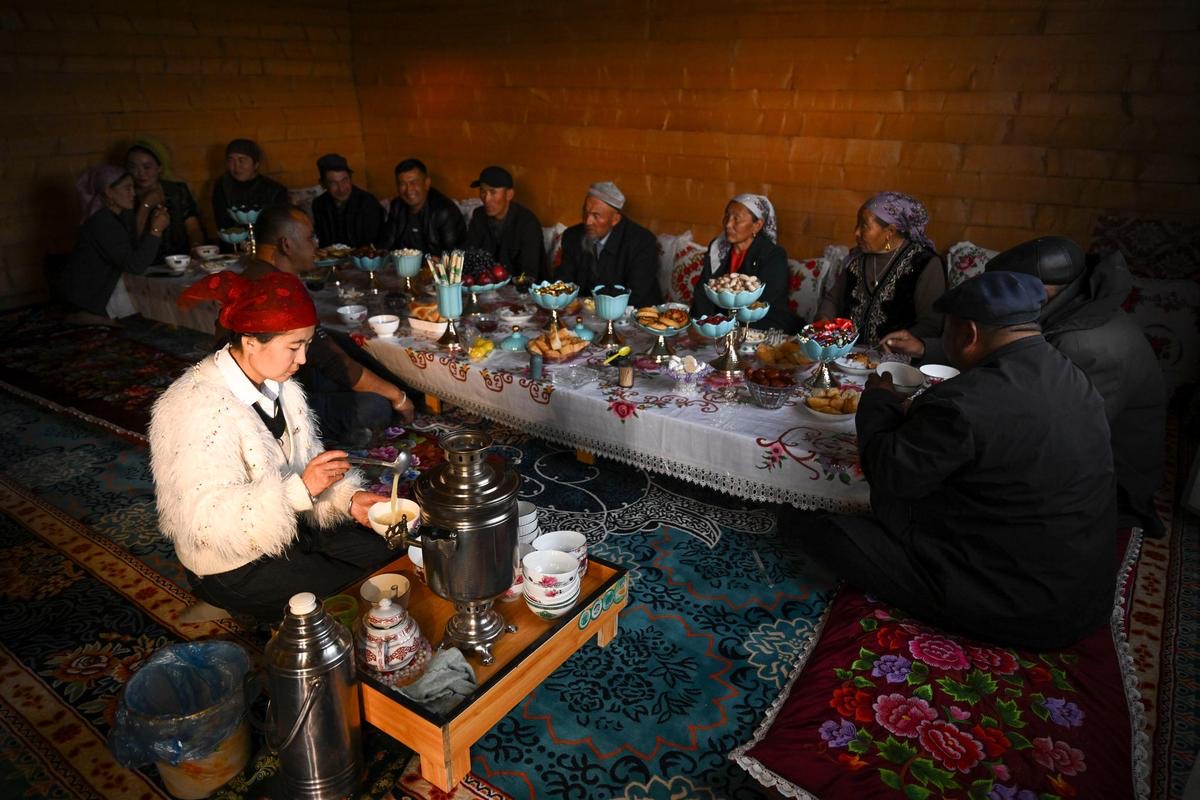
Drinking it is its own etiquette. Koumiss is served in a bowl, often with a blessing, and should be sipped rather than gulped; the nomads believe it warms the body from within. At a yurt feast it may accompany beshbarmak or be offered on its own as a welcome. Some travelers find the sourness challenging at first, but a second bowl usually goes down easier than the first as the palate adjusts.
Beyond the taste, koumiss has a reputation as a health tonic across the steppe, claimed to aid digestion and stamina. Whether or not the science supports every folk claim, the drink is undeniably alive with probiotics. Watching a Kazakh family tend their fermentation bag at dawn, with the herd lowing nearby, is a window into a self-sufficient food culture that cities have not touched.
If you are invited to help with the churning, accept. The rhythmic swinging of the leather bag is harder than it looks and is a genuine piece of steppe labor that few visitors ever try. Doing it once gives you a new respect for the drink and a story to tell, and hosts are invariably delighted to see a guest take part in the work rather than only the eating. Participation is the deepest form of respect on the grasslands.
What to sort out early
Approach koumiss with an open mind and an empty stomach. Tell your host if you are sensitive to alcohol or dairy, since even a mild batch contains both. Pregnant travelers and those avoiding alcohol should skip it or ask for a very fresh, weakly fermented sample. Drink it at room temperature; chilling is not traditional and dulls the flavor.
Because koumiss is homemade and unpasteurized, hygiene varies by household, so choose established yurt camps or guesthouses with a good reputation. Do not bargain over the price — it is usually part of the hospitality rather than a commercial sale. A respectful sip and a word of thanks will be remembered far longer than a critique of the taste.
Go easy on the quantity at first. A strong, well-fermented koumiss contains enough alcohol to affect someone with an empty stomach and no tolerance, and the sourness can surprise a first-timer into drinking too fast. Two or three small bowls across an afternoon is plenty to say you have tried it properly. Save the deeper tasting for a return visit once your steppe legs have grown in.

Places you can combine
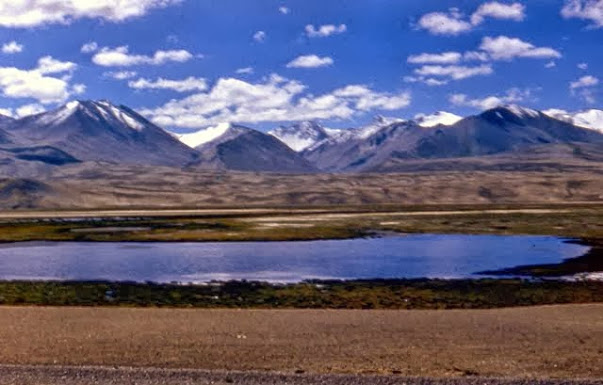
The grasslands of Nalati and Kuerdening are the obvious companions to a koumiss tasting, with wildflower meadows and Kazakh yurts set against snow peaks. In the Altai, the villages of Hemu and the shores of Kanas Lake offer a cooler, more forested version of the same nomadic life. Sayram Lake, ringed by pasture, is another place where Kazakh herders keep the tradition alive through summer.
If you are driving the northern loop, build a yurt overnight into the schedule rather than treating koumiss as a roadside stop. The drink is meaningless without the steppe around it, and a night under the stars with a bowl in hand is the only way to understand why the nomads have guarded this recipe for millennia. Let the landscape do the explaining.
Combine the tasting with a horseback ride if your camp offers one. The animal that produces the milk is the same one carrying you across the meadow, and seeing that loop close — mare, milk, fermentation, bowl — makes the whole tradition click into place. Few experiences tie a traveler so directly to the logic of a landscape as a morning of koumiss and horses on the Xinjiang steppe.
The short of it
Koumiss is not the easiest thing on the Xinjiang menu, and it is certainly not for everyone. But as a window into the region’s nomadic soul, it has no equal. Sour, fizzy, ancient, and stubbornly tied to the horse, it is the taste of the steppe itself, bottled by no one and sold almost nowhere.
If you find yourself in a yurt with a bowl pressed into your hands, drink it slowly and thank your host. You are tasting a beverage that predates Xinjiang as a concept — and that is a story worth far more than the few unfamiliar sips it takes to finish.
And if the first bowl makes you wince, smile anyway. The nomads who raised it have been drinking it since childhood, and your willingness to try is the real gift you bring to the yurt. Koumiss is less a flavor than a handshake across a thousand years of grassland life, and that handshake is worth accepting however it tastes.