Xinjiang Food Tours and Culinary Walks: How to Eat Your Way Through the Silk Road
The first time I went looking for a “food tour” in Xinjiang I found exactly one listing, run by a guy who turned out to be a retired railway worker who just loved lamb. A decade later the scene has matured, but it is still nothing like the polished walking-tours of European capitals. Here the best culinary experiences are improvised, family-run, and deeply local — and knowing how to find them is the difference between eating well and eating the same three dishes on every corner. This guide is built from a dozen trips, a lot of wrong turns, and more bowls of laghman than I can count.
What a Xinjiang “Food Tour” Actually Means
Forget the bus-with-headphones model. In Xinjiang a food tour is usually one of three things: a market crawl with a local who knows the vendors, a restaurant-hopping evening led by a food-obsessed resident, or a hands-on cooking session in someone’s home. None of them are heavily advertised, and almost none appear on the big global booking platforms. The reward is access — to the back-room dishes most travelers never see and to the people who make them. Think of it less as a tour and more as borrowed local knowledge for an evening.
The Three Shapes of a Culinary Walk
Market Crawls
These are the easiest to arrange and the highest-value. A good guide walks you through a bazaar ingredient by ingredient: which samsa oven runs hottest, how to judge a Hami melon by its netting, why the dried-apricot stall at the far end beats the one by the gate, and what the spice man is really mixing into his chili blend. In Kashgar the Sunday livestock and produce bazaar is the obvious stage; in Urumqi the international bazaar’s food hall works year-round; in Yining the morning county markets are gentler and more Kazakh in flavor.
Restaurant-Hopping Evenings
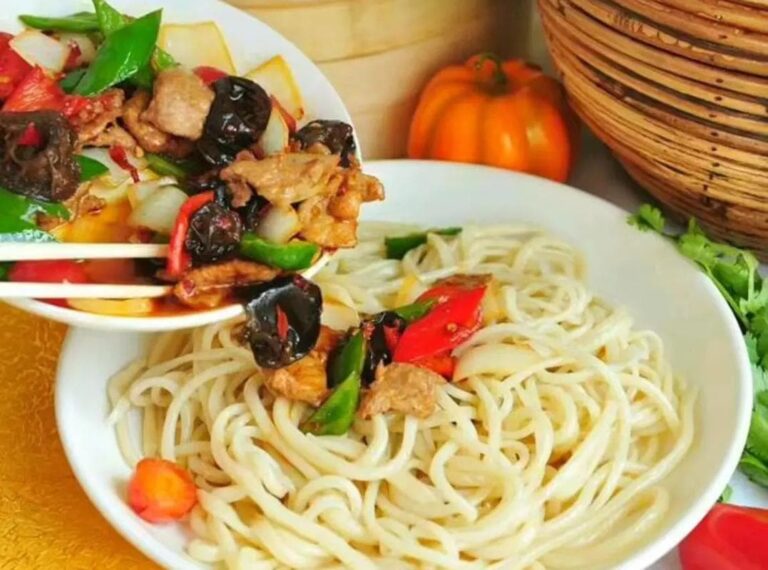
Usually three to five stops over three or four hours, ending late. Expect hand-pulled laghman, a plate of polo, a round of skewers, and something offal-adjacent you did not know you would like. These run best in cities where kitchens stay open — Urumqi, Kashgar, and Yining after dark. The rhythm matters: a good guide paces the stops so you are hungry at the right moments, not stuffed after the second bowl. If you are traveling solo, these evenings are also the easiest way to meet other food-obsessed travelers and a few locals who would never show up to a formal “tour.”
Hands-On Cooking
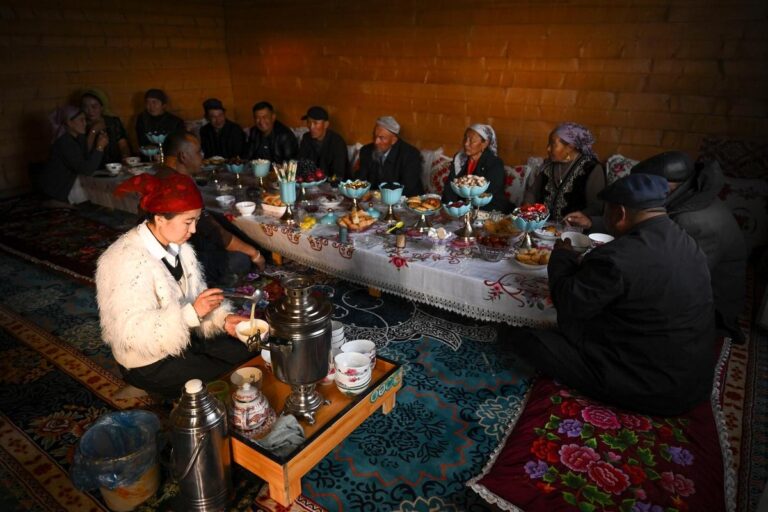
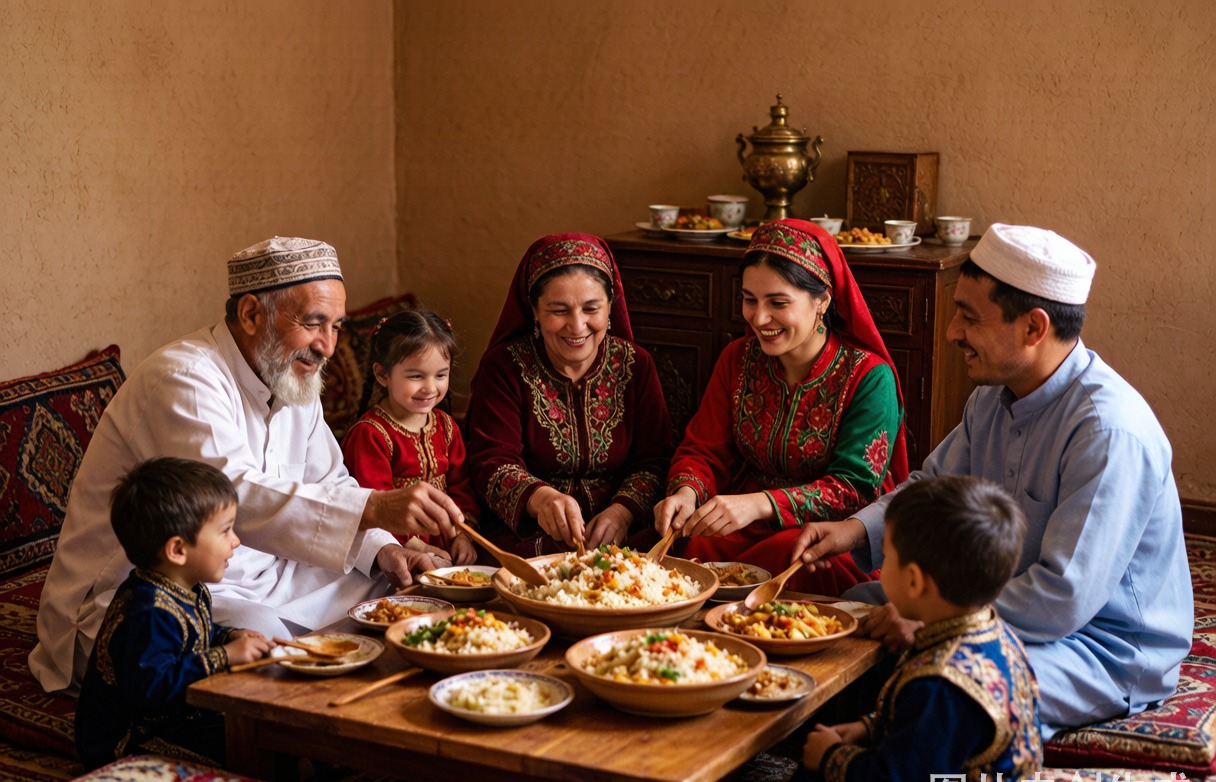
A smaller, quieter category: you knead the dough, pull the noodles, and eat what you made. Often hosted by a family, sometimes for free out of pure hospitality, sometimes for a modest fee that covers ingredients. The Urumqi food scene has the most reliable options, but Kashgar old-town guesthouses increasingly offer a naan- or noodle-making morning.
Where the Tours Are Best
Three cities stand out for visitors who want structure without a tour-bus vibe:
| City | Best for | Typical duration | Booking lead time |
|---|---|---|---|
| Urumqi | Noodle alleys, modern cafés, Han–Uyghur fusion | 3–4 hours | 1–2 days |
| Kashgar | Old-town snacks, bakery crawl, Sunday bazaar | 4–6 hours | 2–4 days |
| Yining (Ili) | Kazakh & Russian-influenced home cooking | Half day | 3–5 days |
A Sample Half-Day Kashgar Crawl
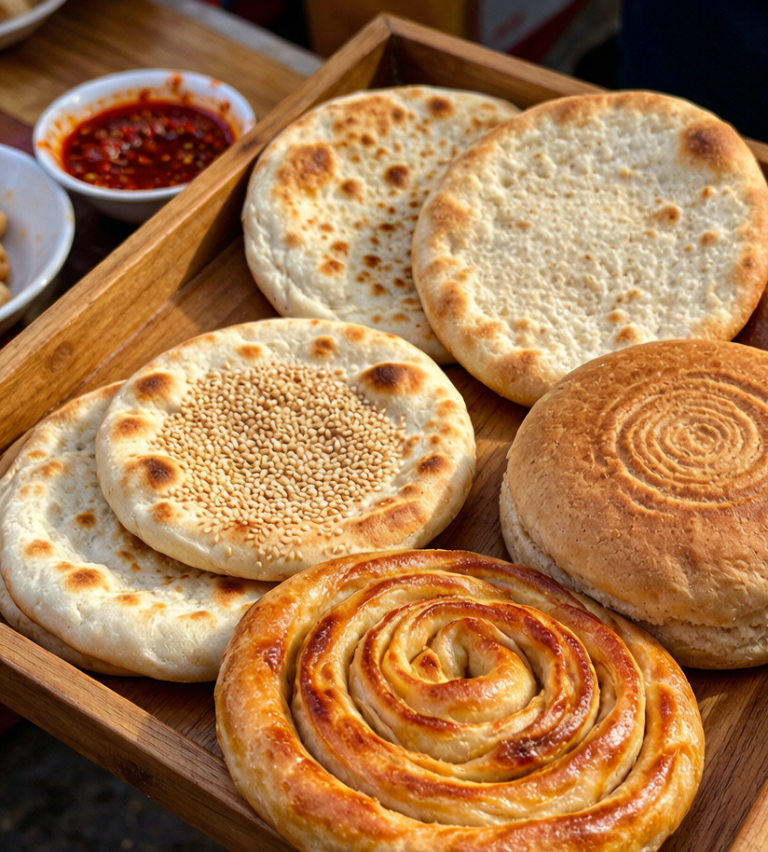
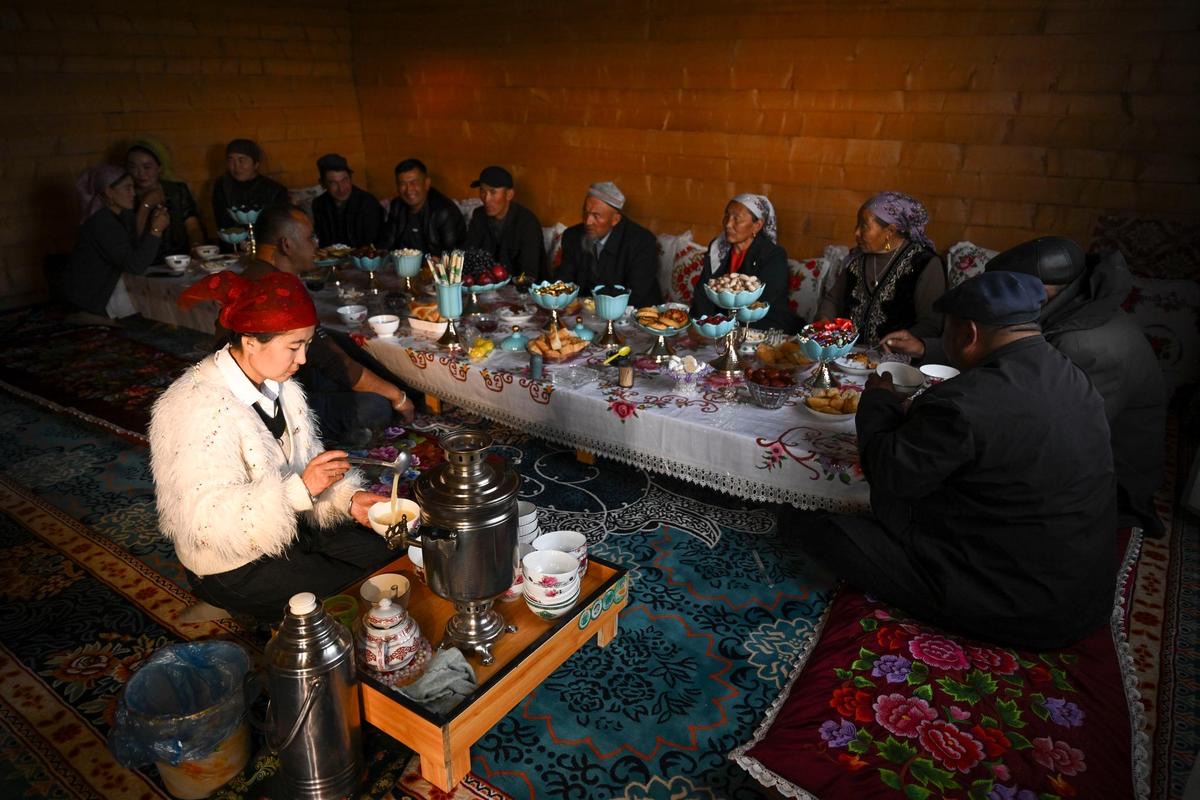
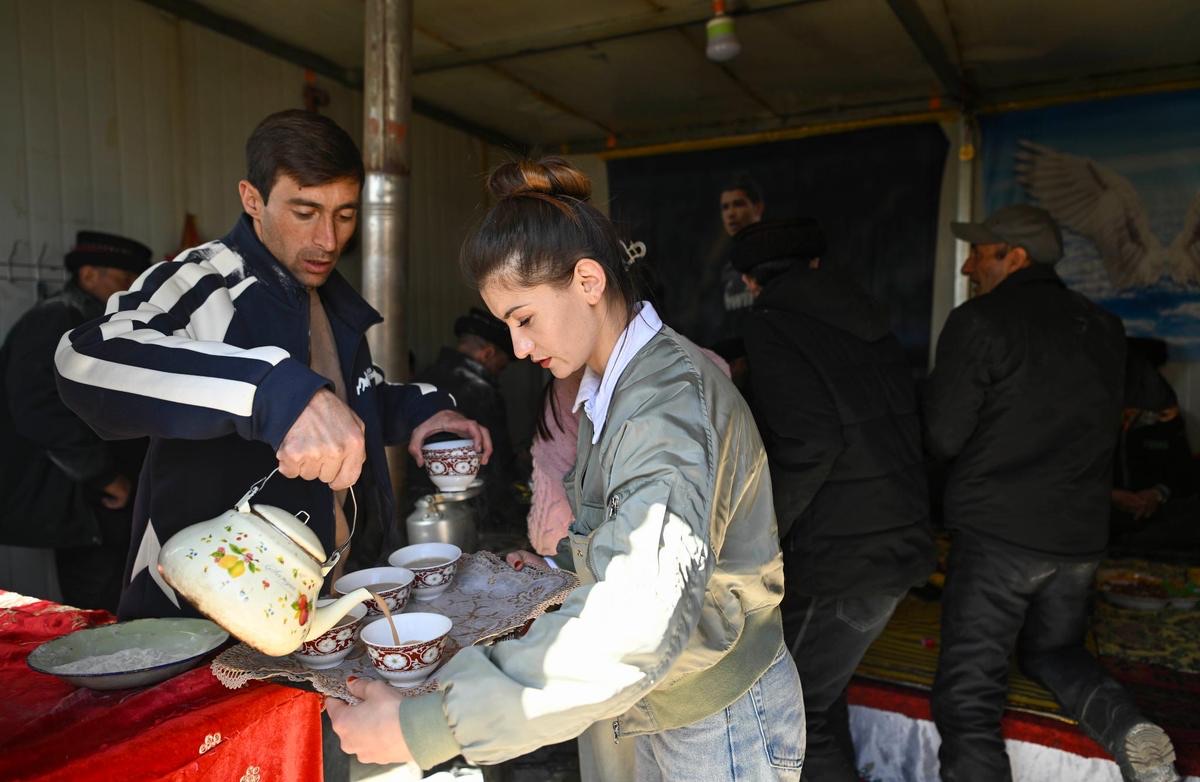
If you want a template, this is the walk I send friends on: start at the old-town east gate for fresh naan straight from the tandir (eat one while hot, save one for later), drift to the laghman cook stirring belt-noodles in a wok the size of a tractor tyre, then duck into a tea house for samovar chai and a view of the rooftops. Finish at a kebab stall after sunset when the coals are glowing. That single loop touches four of the region’s defining foods and costs well under 100 RMB per person.
How to Book Without Getting Burned
Most legit operators are found through word of mouth, a hotel concierge who actually lives in the city, or small local platforms rather than global ones. Red flags: a fixed “authentic village buffet” with no named guide, prices wildly below market (often a resold bus meal), and any tour that refuses to tell you the stops in advance. A real food walk tells you the neighborhoods and lets the food decide the rest. If a listing promises “all the famous dishes” with a stock photo and no specifics, keep looking.
Pricing Reality Check
In 2026 a private half-day crawl for two runs roughly 200–400 RMB including food; a group evening is often 120–250 RMB per person. If someone quotes you 80 RMB for a “full feast tour,” you are the product, not the guest. Tipping is not expected on market crawls but is appreciated for a private guide who clearly went out of their way. As a baseline, budget about the same as a nice dinner for two back home and you will rarely be disappointed — the value is in access, not volume of food.
Etiquette on a Culinary Walk
Arrive hungry but not rude. Let your guide order; refusing a dish in front of a vendor can read as an insult. Tip only where you see locals doing it — in most Uyghur and Kazakh settings the better currency is a thank-you and, if invited home, a small gift like fruit or sweets. Photograph the food freely; photograph people only after asking, and offer to show them the shot on your screen.
Dietary Needs on a Walk
Vegetarians do fine on market crawls and bakery stops but should flag it early for restaurant-hopping evenings, which are meat-forward. Nut and dairy allergies are common enough that guides understand, but double-check every skewer and pastry. Gluten-free travelers will struggle with the noodle-and-bread backbone of the cuisine, so lean on rice polo, grilled vegetables, and fruit.
What I now look for in a food walk is not the number of stops but the length of time the guide spends at one. The best one I took sat for forty minutes in a single courtyard teahouse letting the owner explain the difference between three teas before anyone ate anything, and the rest of the afternoon made obvious sense after that. Short eat-stops in a hurry produce a full stomach and no story.
Frequently Asked Questions
Are Xinjiang food tours vegetarian-friendly?
Partly. Market crawls and bakery stops work well for vegetarians, but restaurant-hopping evenings are meat-forward. Tell your guide clearly in advance and confirm at least two solid non-meat stops, or pick a cooking session where the menu is negotiable.
Do I need to speak Chinese or Uyghur?
No, but a guide who speaks your language and the local tongue is essential for the back-alley versions. English-speaking food guides exist in Urumqi and Kashgar; book early in peak season.
Is street food on a tour safe to eat?
Generally yes when your guide vets the stall — they know which ones move product fast. The main risks are unfamiliar spice heat and dairy richness, not hygiene. Carry your usual stomach remedies and ease in on day one.
Can I do a self-guided food tour?
Absolutely, and many travelers prefer it. Use a market as your anchor, follow where locals queue, and learn a handful of dish names. The trade-off is missing the stories and the kitchen access a guide provides.
When is the best season for food touring?
Late summer and early autumn, when fruit, nuts, and fresh noodles are at their peak and night markets run late. Winter is quieter and cozier but with shorter hours and fewer stalls.
How far ahead should I book?
Private guides in Urumqi and Kashgar book out a few days in peak months; in smaller cities like Yining, line something up a week ahead or rely on a good hotel concierge who lives locally.