Polo (Hand-Grabbed Rice): Xinjiang’s Iconic Pilaf and the Ritual of Eating with Your Hands
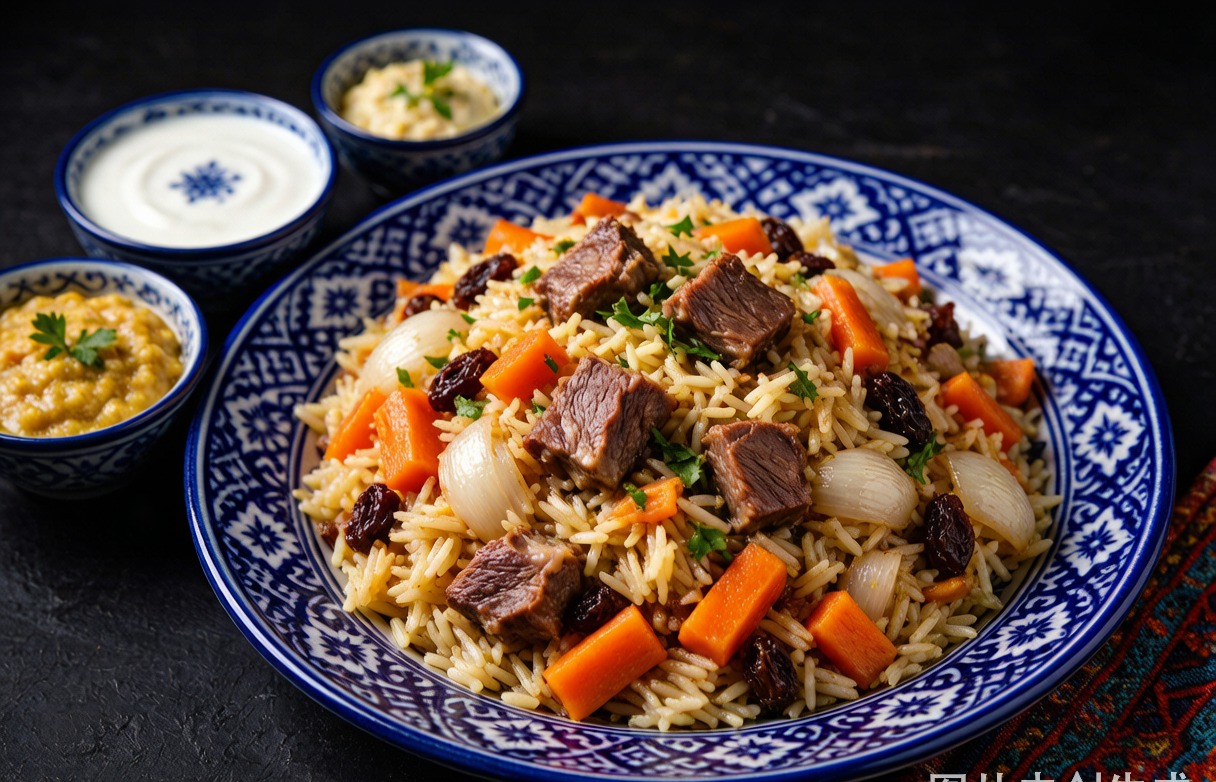
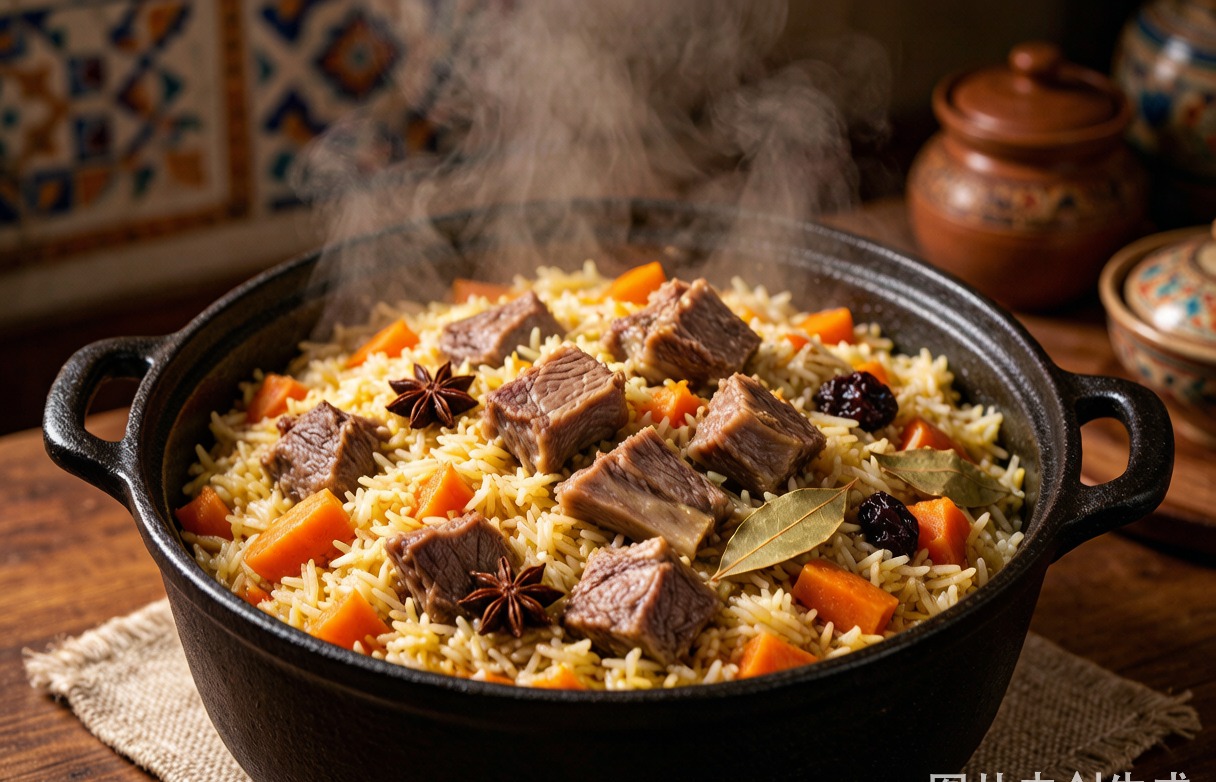
Ask any Xinjiang local for the region’s true everyday dish and many will say polo (also spelled pilaf, plov, or 抓饭 — ‘grabbed rice’). It is the food of weddings and funerals, of roadside stops and family Sundays, of celebrations and of quiet recovery after a long drive. At its core it is deceptively plain: rice, lamb, carrot, and onion, cooked together until the grains are separate and golden. In practice it is one of the most satisfying things you will eat in the region.
The dish traveled the Silk Road from Central Asia — Uzbek and Uyghur plov share the same DNA — and settled into a Xinjiang form that varies town by town. What unites them is the method: build flavor in the fat first, then let the rice steam up through it.
How Polo Is Made
The base is lamb tail fat or oil heated in a heavy wok (a kazan). Onion goes in, then lamb pieces browned at the edges. Carrot — usually a mix of yellow and red, cut into long matchsticks — softens into the fat. Then rice (a long-grain variety that stays separate) is rinsed and laid on top with water and salt, sometimes raisins or chickpeas, and the whole thing is covered to steam. Done right, the bottom forms a crisp layer (the ‘kazan kabu’) that everyone fights for.
The defining move is the fat. Unlike a light fried rice, polo is unapologetically rich; the rice absorbs the lamb fat and turns fragrant and slightly sticky. That is the point. A ‘healthy’ polo is a contradiction in terms, and nobody in Xinjiang wants one.
Regional Differences
Uyghur polo leans on carrot, lamb, and onion, often with a few raisins for sweetness. It is the default across the south.
Kazakh and Kyrgyz versions in the north sometimes add more meat and less carrot, and use horse meat in some areas.
‘Yangan polo’ (literally ‘buried’) is cooked slowly over coals in a sealed pot — a festival version.
Vegetable polo exists for vegetarians but is the exception; the canonical bowl is lamb-forward.
Three words that change the order
What you need is the phrase for not spicy, the hand signal for a smaller portion, and the knowledge that one word covers what locals drink in winter, which is salt and butter, and what visitors get, which is sweet. Point at what the next table has. You do not need Uyghur. In Polo Hand Grabbed Rice that single gesture has never once got me the wrong dish, and it saves you ordering a second plate you did not want. Where most people get the logistics wrong is covered in our [[xinjiang-polo-pilaf-rice-dish-guide-2|Polo (手抓饭): Xinjiang’s Iconic Pilaf Rice…]].
How to order, and what a portion really costs
The number on the board is for one, and one here is enough for a European adult if you share two. Tips are not expected in the small places and are quietly welcome where there is table service, but do not build the visit around it. Card and phone payment both work everywhere in Polo Hand Grabbed Rice. Order one less than you think, because the rice arrives in a bowl the size of a small basin and the second helping does not need ordering.
How to Eat It
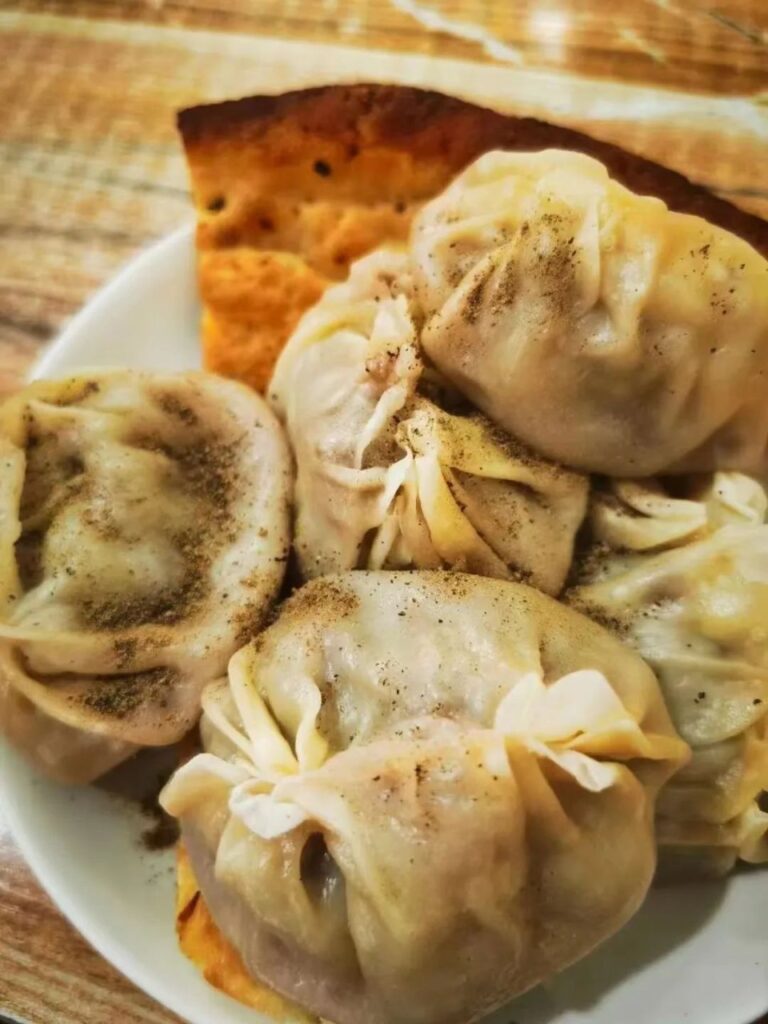
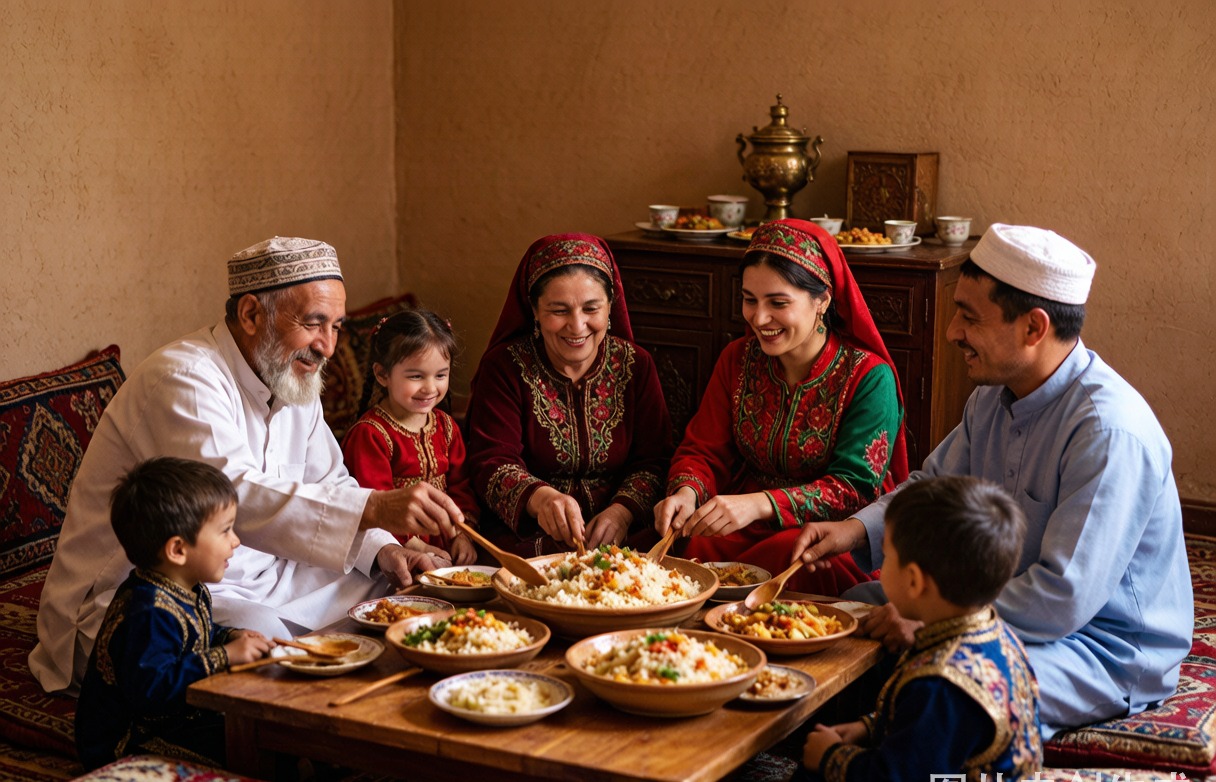
The name says it: traditionally you eat polo with your right hand, scooping rice and a piece of lamb, pressing it lightly to form a small ball, and popping it in. Most restaurants now provide spoons (and tourists are not expected to hand-eat), but the communal platter is real — polo is served on a shared plate meant for two or more, eaten from your side inward. Wash your hands first; the right hand only.
Order it with a side of pickled garlic or a cold salad (like tomato-onion or vinegary cabbage) to cut the richness, and finish with black tea. Portions are generous; a ‘small’ platter often feeds two.
Where to Find the Best
Look for specialist polo houses (polokhana) — restaurants that do one thing all day and do it constantly. The morning batch, cooked before opening, is often the best; by evening the rice can sit. In Urumqi, the areas around the bazaars and the university district are reliable. In Kashgar and Hotan, the early-morning polo stalls near the markets feed workers and travelers alike.
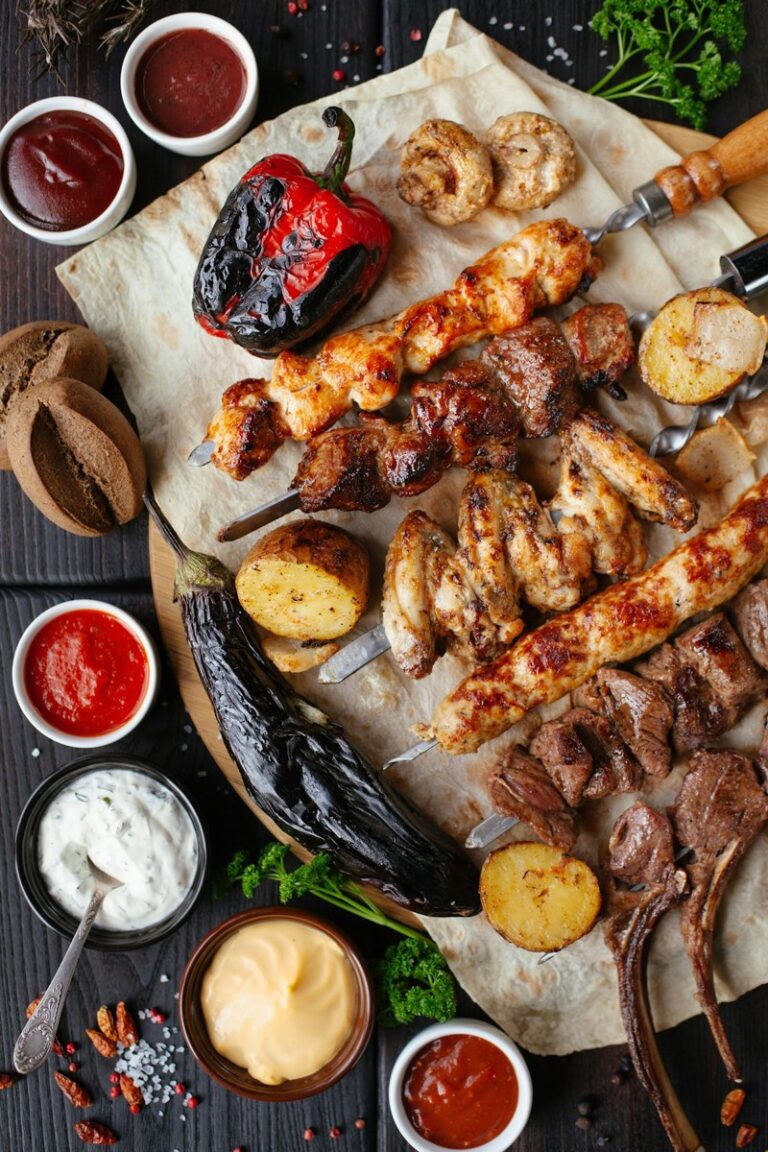
Polo is the dish that tells you the most about Xinjiang in the fewest bites: the Central Asian roots, the lamb economy, the communal table, the unspoken rule that fat is flavor. For the food chapters of any Xinjiang Travel Guide, it belongs near the top of the list — right next to the skewers, and ideally eaten with both.