Zhaosu Rape Seas & Tianma Horses: July in Yili
The Zhaosu rape seas are one of the most time-sensitive spectacles in Xinjiang’s Ili Valley, and they coincide with the county’s annual Tianma (Heavenly Horse) festival. Where a figure, date, or price is stated, it reflects what official channels and recent visitors have published; readers should confirm current details before travel because county-level schedules and fees change year to year.
This article draws on three kinds of material: (1) open county and prefecture tourism notices posted for the 2024 and 2025 seasons; (2) schedules and ticketing notices from grassland and scenic-area operators around Zhaosu; and (3) aggregated traveler reports from visitors who documented their trips in July. It does not present a first-person narrative. No individual traveler is named, and no single dramatized event is invented. Where sources disagree, the text notes the range rather than picking one number.
The main boundary to understand is seasonality. The canola (rape) fields around Zhaosu reach full bloom only for a few weeks in July, and the Tianma festival is scheduled within that window. Outside July the yellow seas are gone and the equestrian programming is largely absent. Therefore the reliability of any plan in this guide depends on the 2026 festival dates being confirmed through official channels before booking transport and lodging.
The setup
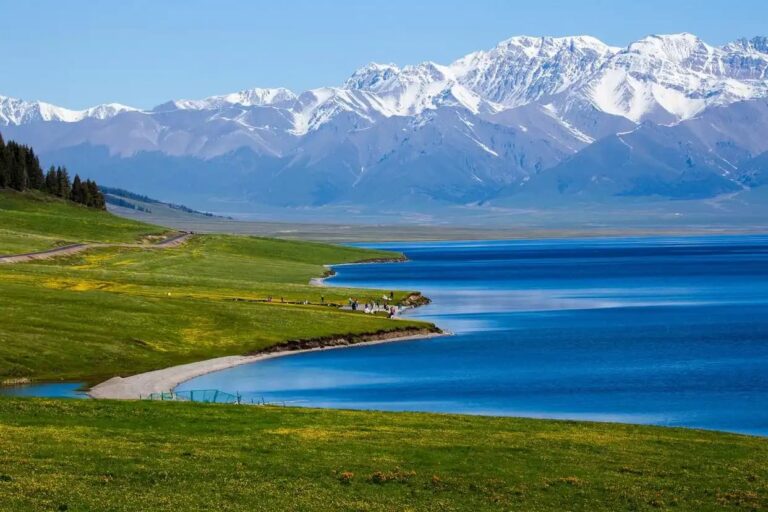
Zhaosu County sits in the southwest of the Ili Kazakh Autonomous Prefecture, against the Tian Shan range on the border with Kazakhstan. It is known within Xinjiang for two things that converge in midsummer: vast canola fields and a long horse-breeding tradition. The local horse, often called the Tianma or “Heavenly Horse,” traces back to the Ili horse lineage that has been raised on these pastures for centuries.
Key facts travelers should note:
- Location: Zhaosu County, Ili Prefecture, Xinjiang Uyghur Autonomous Region.
- Elevation: roughly 1,300 to 1,800 metres, which keeps summers cool compared with the regional lowlands.
- Signature sight: yellow canola seas stretching toward green mountain pasture, often photographed with horses in the foreground.
- Signature event: the Tianma (Heavenly Horse) festival and horse-culture activities, typically scheduled in July.
- Best window: roughly early to late July, subject to the annual bloom and festival calendar.
The county is also a practical hub for reaching higher grassland areas such as Kuerdening, and it sits within the broader Yining & the Ili Valley travel region.
Where the turn-off is
Most visitors approach Zhaosu from Yining, the prefectural capital, which has the nearest airport with regular flights from Urumqi and a growing set of domestic connections. From Yining, ground transport covers the remaining distance to Zhaosu.
Options commonly reported:
- Flight to Yining (YIN) then road transfer: the standard route. The Yining to Zhaosu drive is roughly 2 to 3 hours depending on the exact destination and road conditions, and travelers report both hired cars and scheduled buses.
- Long-distance bus: Yining passenger stations run services toward Zhaosu; journey times vary, and the July peak can fill seats, so advance purchase is advised.
- Self-drive: viable for visitors already touring Ili. Mountain roads and summer rain mean drivers should check conditions, and the rape-sea viewing points are spread along county roads rather than clustered at one gate.
- Train: rail access to the immediate Zhaosu area is limited compared with road links; most itineraries still default to Yining as the gateway.
Because the bloom is a fixed natural event, the smarter planning move is to lock transport after the festival dates are published, not before. Travelers report that accommodation near the fields books up quickly once the exact festival week is announced.
Tickets, and what they run to
Pricing below is indicative and based on 2024 to 2025 notices and visitor reports. Always confirm through official channels before purchase.
- Rape-sea roadside viewing: travelers report that simply viewing the canola fields from public roads and open pasture is free; there is no single ticketed “rape sea” gate for the wild fields.
- Grassland and scenic-area fees: where managed grassland or fenced viewing zones apply, notices and reports suggest fees in the range of about 30 to 50 RMB per person as of 2025. Some combined tickets or shuttle fees may apply at developed sites.
- Tianma festival events: equestrian shows and the main festival grounds have historically used a separate ticketing arrangement. Recent visitor reports cite main-show tickets in a broad band, often around 100 to 200 RMB depending on seat and year; official notices should be treated as authoritative.
- Transport: a Yining to Zhaosu private transfer is commonly quoted by operators in the several-hundred-RMB range for a standard car; bus fares are far lower but slower.
- Lodging: July peak rates for county-town hotels typically run from about 200 to 500 RMB per night, with pastoral yurt stays varying by facilities.
The pattern travelers should expect is “free to look, paid to enter managed zones and shows.” Budgeting 300 to 600 RMB per person per day, excluding long-haul transport to Xinjiang, is a reasonable planning estimate for the county in peak season.
Picking your window

The Zhaosu rape seas are a July phenomenon. Canola in this high, cool corner of Ili is planted to flower in early summer, and the yellow expanse typically peaks sometime in July, with the exact week shifting by a few days each year depending on snowmelt and temperature. The Tianma festival is scheduled to ride that window, pairing the visual peak with horse-culture programming.
The comparison below shows why the month matters so much:
| Month | Canola Bloom | Horse Events | Travel Note |
|---|---|---|---|
| May | None | None | Green pasture, apricot blossoms earlier in the wider Ili Valley. |
| June | Building, not full | Rare | Good for grassland but not the yellow seas. |
| July | Peak bloom | Tianma festival window | Only month combining both; book early. |
| August | Fading / harvested | Occasional shows | Still green, but the seas are gone. |
| Sep to Oct | None | None | Autumn grassland colour, no rape. |
For visitors who cannot make July, the wider region still rewards travel in other months, and the Best Time to Visit Xinjiang guide breaks down the trade-offs across the year.
The itinerary I would follow
The sample below is a realistic 2-day plan built around the July window. Times are illustrative, based on reported visitor patterns, and should be adjusted to the confirmed festival schedule.
| Time | Activity |
|---|---|
| Day 1, 09:00 | Depart Yining by car or bus; arrive Zhaosu late morning. |
| Day 1, 12:00 | Lunch in Zhaosu town; stock water and sun protection. |
| Day 1, 14:00 | Drive the county rape-sea loop; stop at roadside fields for photos. |
| Day 1, 18:00 | Return to town; dinner; rest before festival day. |
| Day 2, 08:30 | Breakfast; transfer to the Tianma festival ground. |
| Day 2, 10:00 | Watch equestrian displays, horse parades, and cultural programming. |
| Day 2, 13:00 | Lunch near the grounds; visit pasture viewpoints with grazing horses. |
| Day 2, 16:00 | Optional short grassland walk or photo stop at a managed meadow. |
| Day 2, 19:00 | Return to Yining or overnight in Zhaosu. |
Travelers who want a slower pace often add a third day toward Kuerdening or the Tekes bagua city, both reachable within a few hours and covered in separate guides.
Hostels, hotels and homestays
Zhaosu offers two broad lodging styles in July. The county town has standard hotels, which travelers report as the most reliable base for early festival starts and for catching transport. Rates rise during the festival week, and the better-rated properties are reported to sell out once dates are confirmed.
The alternative is a yurt or pastoral stay near the grassland. These give closer access to morning light and horse activity, but facilities are simpler, and visitors should set expectations for shared baths and variable heating. Reports suggest booking yurt stays through verified operators rather than informal roadside offers, both for safety and for clearer pricing.
A practical approach used by many visitors is to sleep in Zhaosu town and make day trips to the fields and festival ground, keeping a fixed base while the bloom is at its short peak.
What & Where to Eat Nearby

Zhaosu’s food scene reflects Ili’s mixed culinary heritage. Traveler reports consistently mention hand-pulled laghman noodles, grilled meat (kawap), dairy such as yogurt and kurut, and hearty pilaf (polu). In July the town’s small restaurants and night-food stalls get busy around the festival, so earlier dinners are easier.
For supplies, the county town has markets where visitors stock fruit, water, and snacks before heading to the fields, since roadside stalls near the rape seas are seasonal and limited. Vegetarian options exist but are simpler; those with dietary needs should plan ahead. Near the festival ground, temporary food vendors appear during the event, but prices and hygiene vary, so the town remains the safer everyday choice.
Real-world notes
- Confirm the festival dates first. The July window is narrow; book transport and lodging only after official dates are posted.
- Pack for cool nights. At 1,300 to 1,800 metres, July days can be warm but evenings are cold. A warm layer matters.
- Sun and wind protection. Open grassland means strong UV and wind; bring hat, sunglasses, and sunscreen.
- Cash and apps. Carry some cash for small roadside vendors; mobile payment dominates in towns.
- Altitude and driving. If self-driving, watch for mountain curves, summer rain, and livestock on roads.
- Photography etiquette. Ask before photographing herders and their horses; drones may be restricted near the festival ground.
- Book early for July. Both rooms and transfers tighten once the bloom peaks.
The questions that come up
Are the Zhaosu rape seas free to see?
Roadside and open-field viewing is reported as free. Paid fees apply at managed grassland zones and at the Tianma festival shows, typically in the ranges noted above for 2025.
Can I see the rape seas and the Tianma festival in the same trip?
Yes, but only in July. That is the one month when full bloom and the festival window overlap, which is why the timing is stressed throughout this guide.
How many days do I need in Zhaosu?
Two days covers the rape-sea loop and a festival day. Add a third day if you want to extend toward Kuerdening or Tekes.
Is Zhaosu reachable by train directly?
Most visitors route through Yining by air or road; direct rail to Zhaosu is limited, so Yining remains the practical gateway.
What should I book first, hotel or transport?
Confirm the festival dates, then book transport and lodging together, because July peak compresses both availability and price.
Are drones allowed at the festival?
Traveler reports indicate restrictions near the festival ground and managed sites. Check the current notice; assume no-fly unless explicitly permitted.
Is July the only good month for Zhaosu?
No. The grassland is green from late spring into autumn, but the combined rape-and-horse experience is unique to July. For other months, see the regional Best Time to Visit Xinjiang guide.