Getting Around Xinjiang: Trains, Flights, and Driving Distances Explained
Xinjiang is massive — it covers 1.66 million square kilometers (640,000 square miles), which is larger than many countries. Getting around requires planning, patience, and an understanding of the available transportation options.
Last updated: July 15, 2026 · Written by Karl Huang, a Xinjiang travel specialist who has spent time across the region. Practical details are cross-checked against official tourism, transport, and border-regulation sources.
This guide covers every way to get around Xinjiang: high-speed trains, flights, long-distance buses, car rental, and self-drive. By the end, you will know which option is best for your itinerary and budget.
Option 1: High-Speed Trains (高铁)
High-speed trains are the most comfortable and efficient way to travel between major cities in Xinjiang.
Key Routes
- Urumqi to Turpan: 2-3 hours
- Urumqi to Hami: 3-4 hours
- Urumqi to Korla: 4-5 hours
Pros
- Comfortable seats
- Reliable schedules
- No security checks as strict as flights
Cons
- Limited routes (only major cities)
- Can be fully booked during peak season
Option 2: Flights
Flights are the fastest way to cover long distances in Xinjiang.
Key Routes
- Urumqi to Kashgar: 2 hours (vs. 15+ hours by road)
- Urumqi to Hotan: 2 hours
- Urumqi to Altai (for Kanas): 1.5 hours (seasonal)
Pros
- Fastest option for long distances
- Multiple flights per day on popular routes
Cons
- More expensive than trains or buses
- Strict security checks at airports
- Flights can be delayed or cancelled due to weather

Option 3: Long-Distance Buses
Long-distance buses are the budget option for traveling between cities.
Pros
- Cheapest option
- Connects to smaller towns that trains and flights don’t reach
Cons
- Slow (a 500km journey can take 8-10 hours)
- Less comfortable than trains
- No onboard toilet on some buses
Option 4: Car Rental / Self-Drive
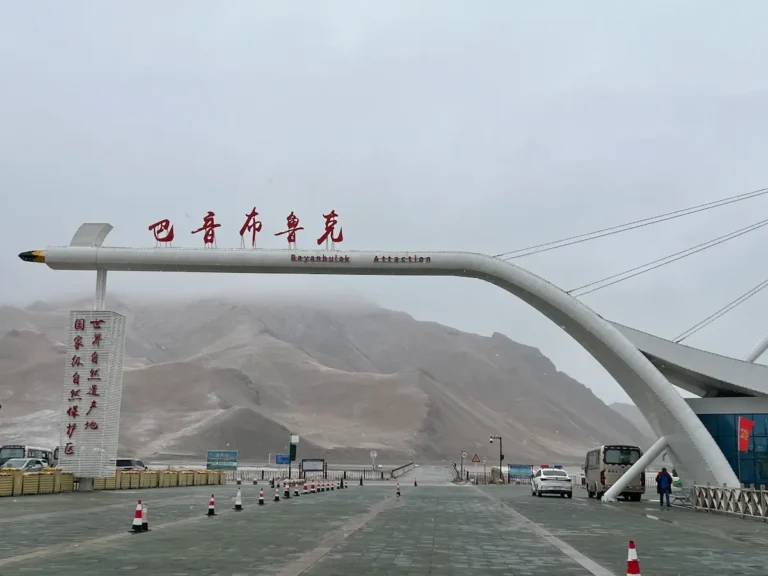
Car rental is the most flexible option for exploring Xinjiang, especially for remote areas like Kanas, Bayinbuluke, and the Duku Highway.
Requirements
- Chinese driver’s license: Foreign licenses are not accepted.
- Deposit: Usually 3,000-5,000 RMB
- Insurance: Recommended
Pros
- Maximum flexibility
- Can stop wherever you want
- Good for groups (cost-effective)
Cons
- Requires a Chinese driver’s license
- Long driving days (500km+ per day is common)
- Can be tiring for the driver
Option 5: Private Car with Driver
If you don’t have a Chinese driver’s license, hire a private car with driver. This is a popular option for foreign travelers.
Cost
- About 800-1,500 RMB per day (including driver, fuel, and driver’s meals)
Pros
- No need to drive
- Driver can act as a guide
- Flexible itinerary
Conclusion
Getting around Xinjiang requires planning. My recommendations:
- For major cities: High-speed train (comfortable and efficient)
- For long distances: Flight (saves time)
- For flexibility: Self-drive or private car
Pro tip: Book trains and flights in advance (2-4 weeks) during peak season (July-August). They can sell out.
Is Xinjiang safe to visit?
Yes, Xinjiang is considered very safe for tourists with strong security presence throughout the region.
Do I need a visa?
Foreigners need a valid Chinese visa. No separate Xinjiang permit needed for most tourist areas.
What currency should I bring?
Chinese Yuan (RMB). Credit cards accepted in hotels; carry cash for markets and rural areas.
Can I find English-speaking guides?
Available in major tourist areas through hotels or travel agencies. Book in advance for best results.