Xinjiang Border Permit (边防证) Guide: Who Needs It and How to Apply
Last updated: July 2026 · Written by Karl Huang, a Xinjiang travel specialist who has spent time across the region. Practical details are cross-checked against official tourism, transport, and border-regulation sources.
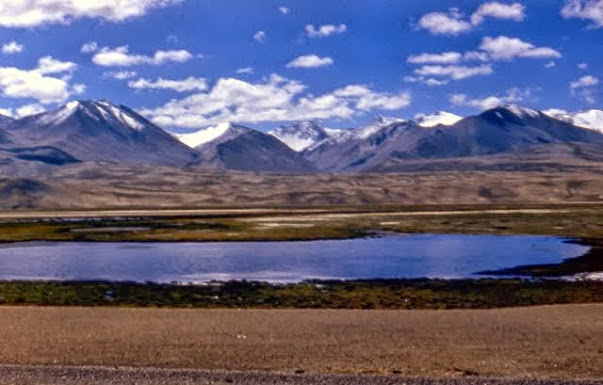
One of the most confusing parts of planning a Xinjiang trip is the border permit, known in Chinese as 边防证 (biānfáng zhèng). The good news: most tourists never need one. The permit is only required for specific border-defense zones, mainly in the Pamir region around Tashkurgan and parts of the Karakoram corridor. This guide explains exactly who needs it, where to get it, and what to bring — drawn from my own trips to the Pamir Plateau and the official PSB process, so you can avoid the panic of reaching a checkpoint without the right paperwork.
If you are staying in the main cities and classic routes, you can skip this entirely. Our main Xinjiang travel hub and Xinjiang travel FAQ confirm that headline sights like Kashgar Old City need no permit. Read on only if the Pamir is on your list.
At a Glance: Border Permit Basics
| Key fact | Details |
|---|---|
| Permit needed for | Tashkurgan, Karakoram Hwy, Khunjerab, some Pamir zones |
| Needed for most tourists | No — classic routes are open |
| Where to apply | PSB border-defense office in Kashgar or Urumqi |
| Cost | Usually free |
| Validity | Typically limited to your stated trip dates |
| Documents needed | Passport, visa, photo, itinerary |
Which Areas Require the Permit
The permit is tied to border-defense counties. The big one for travelers is Tashkurgan Tajik Autonomous County, which sits on the Pamir Plateau and borders Pakistan, Tajikistan, Afghanistan, and Kyrgyzstan. To reach Karakoram Highway viewpoints, Karakul Lake, and the Khunjerab Pass area, you need the permit. A handful of northern frontier counties also fall under border-defense rules, but they are rarely on a standard tourist route.
Pamir and Tashkurgan
When we drove south from Kashgar toward Tashkurgan, the first checkpoint requiring the 边防证 was well before the town — somewhere past the turnoff near the plateau edge. Without it you simply will not pass, and there is no arguing at the gate. The Karakoram Highway itself is the headline reason most visitors get the permit: the mountain scenery, with Muztagh Ata rising over Karakul Lake, is unlike anywhere else in China.
Other border zones
A few other frontier areas in northern Xinjiang also fall under border-defense rules, but they are rarely on a standard tourist itinerary. Always ask your hotel or driver if your specific route touches a controlled county, especially if you are self-driving near remote passes.
Who Is Exempt
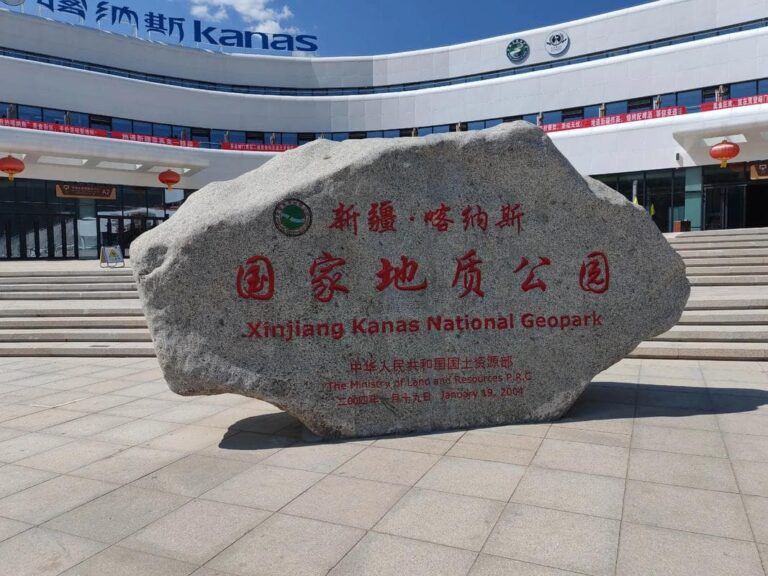
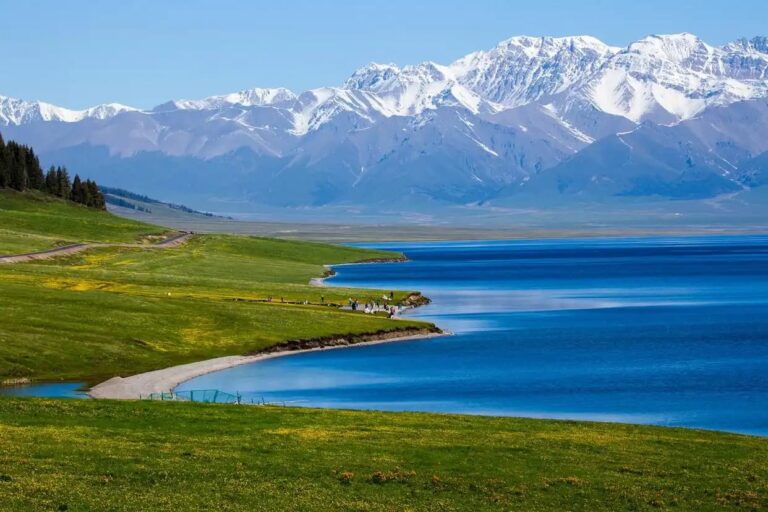
If your trip stays within Urumqi, Turpan, Ili grasslands, Kanas, and the Kashgar Old City itself, you do not need the permit. The controlled zone begins only when you head into the Pamir toward Tashkurgan. We tell every first-timer: if you are not going past the Kashgar ring road into the mountains, don’t worry about it. Plenty of visitors see the best of Xinjiang never touching a border zone, and they return with no paperwork stress at all. The permit is a Pamir-specific tool, not a general requirement for the region.
How to Apply
At the PSB border-defense office
The standard method is to apply in person at the border-defense office of the public security bureau (PSB) in Kashgar or Urumqi. You fill out a form with your planned route and dates, show your passport and valid visa, and usually hand over a passport-style photo. Processing is typically same-day and free. On a trip to Kashgar we went in the morning and had the stamped permit by early afternoon — bring photocopies to avoid delays, and go on a weekday since hours are limited.
Through a travel agency or tour
If you book a Pamir tour, the agency often handles the permit for you as part of the package, which is the smoothest option for foreign visitors. They collect your documents in advance and give you the permit on departure day, and they know exactly which counties to list. This removes the language barrier at the office entirely.
Obtained en route
Some travelers arrange it through their driver or at the Kashgar office right before heading south. This works but leaves less margin if there is a holiday or queue, so apply a day early when you can. We once saw a line of thirty people the morning of a public holiday — applying the day before saved our trip.
Step-by-Step Application Walkthrough
- List your route: write every border county you will enter (usually Tashkurgan).
- Gather documents: passport, valid visa, photo, itinerary, and photocopies.
- Visit the office: Kashgar PSB border-defense section is easiest if you are already south.
- Fill the form: state dates and destinations clearly; vague answers get rejected.
- Collect: return the same day, usually within a few hours, at no cost.
Keep the original with your passport. A photo on your phone is not accepted at checkpoints — they want the stamped paper. If you lose it inside the controlled zone, return to the nearest police station promptly; replacements are possible but disrupt your schedule, so treat the document like your passport. We keep ours in the same zip pocket as our passports to avoid separation.
Documents and Practical Details
- Passport with a valid Chinese visa (see visaforchina.cn for visa info).
- Passport photo (some offices take one on site, but bring your own to be safe).
- Itinerary listing the counties you will enter.
- Photocopies of passport and visa.
The permit is usually free and valid only for the dates and areas you declare. Carry it with your passport at all times in the Pamir, since checkpoints are frequent. Note that this is separate from any Tibet or other regional permits — the Xinjiang 边防证 only covers Xinjiang border zones, and it does not substitute for a Chinese entry visa.
Common Mistakes to Avoid
- Assuming Kashgar needs it: the city does not; only the Pamir south of it does.
- Applying too late: do it a day before you travel, not the same morning.
- Vague routes: list exact counties or your application may be refused.
- Forgetting the paper: a phone photo will not pass a physical checkpoint.
Most Tourist Areas Do NOT Need It
To repeat the key reassurance: the vast majority of Xinjiang’s attractions — the grasslands of Ili, the Kanas Lake forests, the Duku Highway, Turpan’s ruins — are open without any permit. Only the Pamir/Tashkurgan corridor requires it. Plan the permit only if that corridor is on your list, and pair it with our what to pack for Xinjiang advice for high-altitude plateau conditions, since the Pamir sits above 3,000 meters and catches travelers off guard.
Sample Pamir Itinerary (Permit Required)
Day 1: Kashgar → Oytagh → Karakul Lake (overnight in a yurt or guesthouse). Day 2: Continue to Tashkurgan, visit the stone fortress and local bazaar. Day 3: Drive toward Khunjerab Pass viewpoint (permit checked) and return to Kashgar. This loop is the classic reason visitors get the 边防证, and it rewards the paperwork with some of China’s most dramatic mountain scenery.
FAQ