Xinjiang in Winter: What’s Open, What’s Closed, and Why It’s Worth the Cold
Last updated: July 2026 · Written by Karl Huang, a Xinjiang travel specialist who has spent time across the region. Practical details are cross-checked against official tourism, transport, and border-regulation sources.
Most people picture Xinjiang in autumn gold or summer green, but winter is the region’s secret season. From December to February, temperatures drop brutally — think −15°C to −25°C in the north — yet the trade-off is extraordinary: empty attractions, rock-bottom hotel rates, and a fairy-tale version of the Silk Road under snow. This guide explains what closes, what stays gloriously open, and how to do it safely.
On our first winter trip we expected a frozen wasteland and instead found Kashgar’s lanes more photogenic than in summer, and a Sayram Lake we had entirely to ourselves.
At a Glance
| Topic | Winter reality |
|---|---|
| Closes | Duku Highway, some Tianshan/Pamir passes (Nov–Apr) |
| Stays open | Kashgar, Turpan, Urumqi, Ili, ski resorts, frozen Sayram |
| Events | Ice & snow festivals, ski season, Spring Festival markets |
| Upside | Fewer crowds, 30–50% lower prices |
| Driving | Snow tires/chains essential; see winter self-driving guide |
| Packing | Severe cold gear — link our pack list |
What Closes in Winter
The headline closure is the Duku Highway, the spectacular north–south shortcut through the Tianshan. It typically shuts from late October or November until May or June, when snow blocks the high passes. Several Pamir and Tianshan mountain routes toward Tashkurgan and the Karakoram Highway also close or become unreliable. High alpine spots like Kanas and Hemu can be reached but only via limited shuttle or closed to day-trippers in deep winter.
What Stays Open — and Shines
The good news: the best cultural and low-altitude destinations stay open all winter.
Kashgar Old City
Kashgar Old City is magical in winter. The morning haze, the steam from naan ovens, and the lack of summer tour groups make it my favourite time there. Flights and trains run normally.
Turpan and Urumqi
Turpan’s ruins and the Flaming Mountains are cold but clear; Urumqi is a comfortable base with museums, food, and the Tianchi lake (often frozen and beautiful).
Ili and Sayram Lake
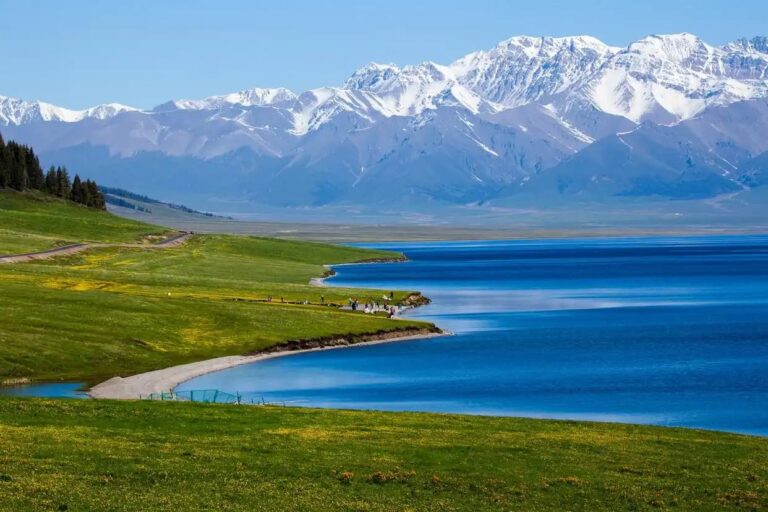
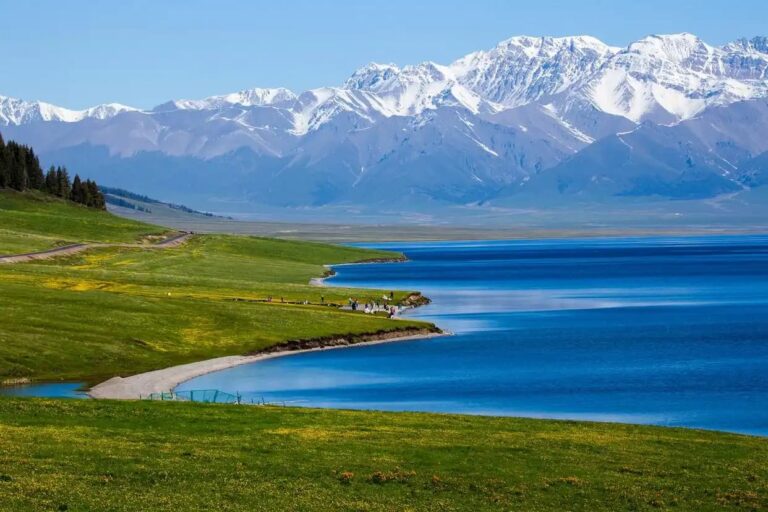
The Ili valley gets a soft snow blanket, and Xinjiang travel in winter means Sayram Lake freezes into a glassy mirror — on our trip we walked the frozen shore with maybe ten other people all day.
Ski Resorts
Xinjiang has become China’s skiing frontier. Resorts near Urumqi (Nanshan) and Altay — the “birthplace of skiing” — offer deep, reliable powder and short lift lines compared with Europe or Japan.
Winter Festivals and Events
- Ice and snow festivals — Urumqi and other cities host sculpture exhibits and light shows through January and February.
- Ski season — roughly December to March, peaking around the Spring Festival holiday (book ahead then).
- Spring Festival markets — lanterns, food stalls, and local performances in every city.
- Altai snow town events — Hemu and Baihaba host cottage-style winter stays and dog-sledding.
The Upside: Cold but Cheap and Empty
Winter is the cheapest time to visit. We paid about 40% less for the same hotels that cost a fortune in October. Attractions that need timed tickets in peak season are walk-up. If you can tolerate the cold, the value and calm are unbeatable — a point we keep returning to in our best time to visit Xinjiang analysis.
Winter Driving: Read This First
If you plan to self-drive, winter is not the time to improvise. Mountain passes can ice over within hours, and the Duku is closed entirely. Snow tires are mandatory in many areas and chains advisable. Black-ice on untreated roads is the main hazard. We cover the full checklist — tires, chains, emergency kits, and which passes to avoid — in our Winter Self-Driving in Xinjiang guide. On our winter drive a sudden squall dropped visibility to metres; we pulled over and waited it out — the right call.
Packing for Severe Cold
Do not wing the clothing. Down jacket rated to −25°C, thermal base layers, insulated boots, windproof gloves, and a balaclava are the baseline. We are not repeating the full list — our what to pack for Xinjiang guide covers every layer, plus camera-battery and skincare notes for the dry cold.
Is Winter Right for You?
Choose winter if you want culture, snow scenes, skiing, and solitude on a budget. Skip it if your heart is set on the Duku Highway or high alpine lakes by car. Either way, transportation in Xinjiang by train and flight runs reliably all season.