Xinjiang for First-Time Visitors: The Complete 2026 Starter Guide
Last updated: July 2026 · Written by Karl Huang, a Xinjiang travel specialist who has spent time across the region. Practical details are cross-checked against official tourism, transport, and border-regulation sources.
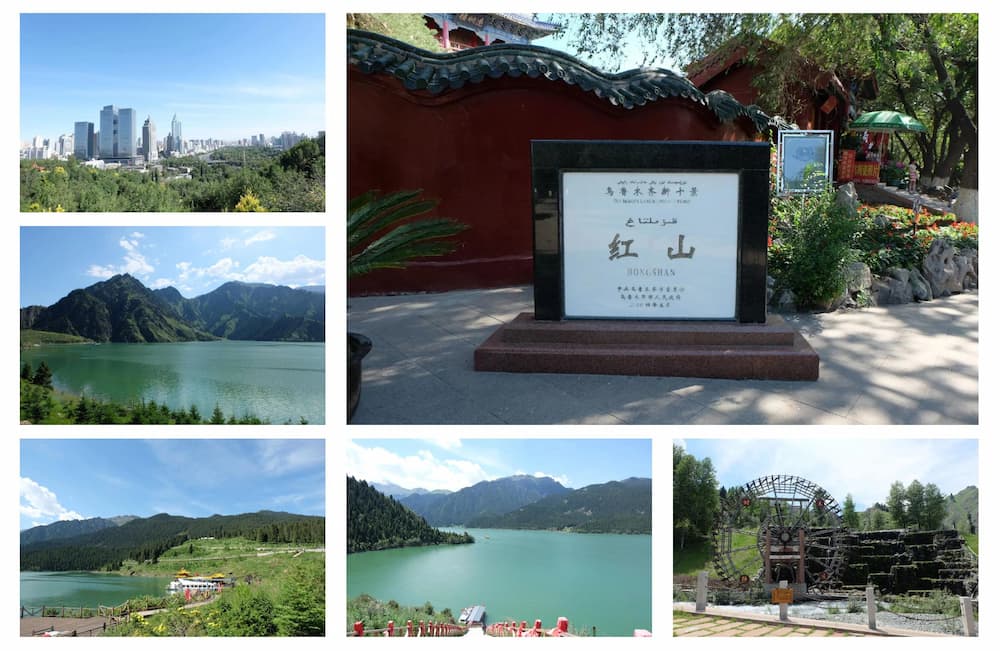
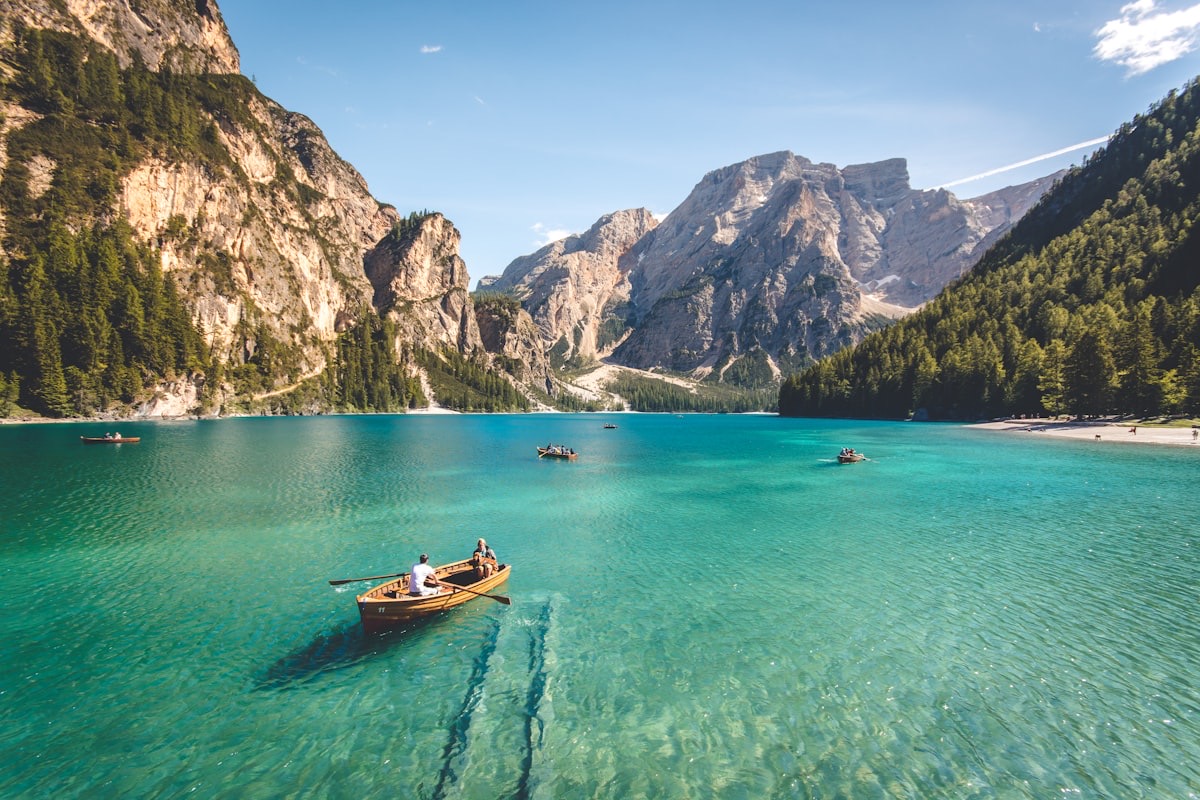
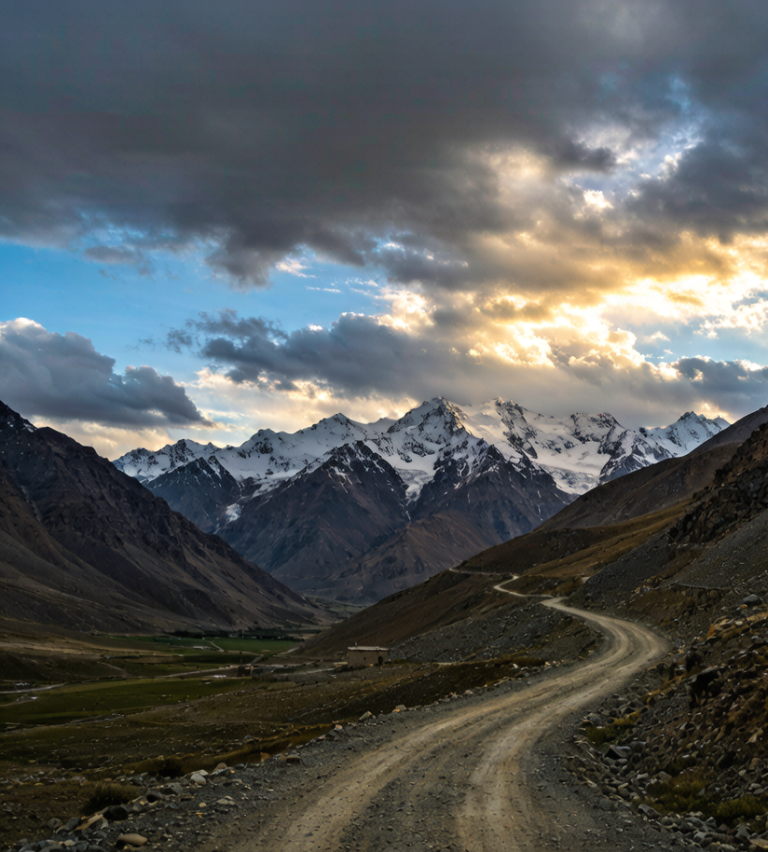
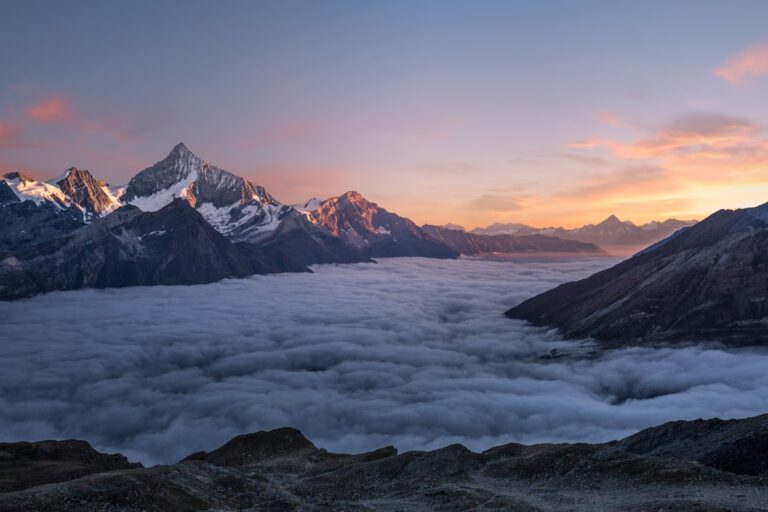
If you are reading this, you have probably already seen the photos: emerald lakes, golden grasslands, and Silk Road towns that look like nowhere else on earth. Welcome. Xinjiang travel rewards first-timers enormously, but it is also the largest provincial-level region in China, roughly the size of Western Europe, and the planning questions come fast. This guide is the practical starting point I wish I had before my own first trip, covering how long to stay, which half to choose, and the paperwork and money basics that trip up newcomers.
On our first trip we tried to do too much in too little time and spent more hours on night trains than we did looking at scenery. Below is what I tell friends now: slow down, pick a side, and let the region surprise you.
At a Glance
| Topic | Quick answer |
|---|---|
| Minimum realistic trip | 8–12 days for one region |
| North vs South | North = alpine lakes & grasslands; South = deserts, Silk Road & Uyghur culture |
| Entry | Valid China visa or visa-free eligibility; apply via visaforchina.cn |
| Border permits | Needed only for areas near Pakistan/Tajikistan borders |
| Money | Carry some cash; mobile pay dominates but foreign cards are limited |
| Safety | Calm, heavily policed, and safe for tourists — see Xinjiang safety |
Who This Guide Is For
This is for the first-timer who has decided Xinjiang is worth the effort but is unsure where to begin. If you already know the difference between the Duku and Karakoram highways, you can skip ahead to our Xinjiang travel FAQ. For everyone else, read on.
How Long Should Your First Trip Be?
My honest minimum is 8 days, and the sweet spot is 10–12. Any less and the internal flights and long drives eat your whole holiday. On our first trip we landed with nine days and regretted not having two more for the north. Distance is the hidden tax here: Urumqi to Kashgar is about 1,500 km, and even a “short” leg can be five hours by road.
If you only have a week, pick one region (below) and resist the urge to cross the whole map. Better one deep experience than four rushed ones.
North Xinjiang vs Southern Xinjiang
This is the single most important decision, and it shapes everything else. We cover the trade-offs in depth in Northern Xinjiang vs Southern Xinjiang, but the short version:
Northern Xinjiang
- Alpine scenery: Kanas Lake, Hemu, Sayram Lake, the Ili grasslands.
- Best in late September to early October for autumn colour.
- Cooler, greener, more Kazakh and Mongol influence.
Southern Xinjiang
- Desert, oasis towns, and the heart of Uyghur culture: Kashgar Old City, Turpan, Hotan, the Taklamakan.
- The Karakoram Highway toward Pakistan.
- Best in spring and autumn; summer is extremely hot.
First-timers who love mountains usually start north; those drawn to culture and history start south.
Visa and Entry Overview
Most visitors need a standard Chinese tourist (L) visa obtained before arrival. Apply through the official channel at visaforchina.cn — the government-run centre that handles Chinese visa applications worldwide. Some nationalities enjoy unilateral visa-free entry or transit exemptions; check your eligibility before booking flights. We do not over-explain the process here because rules change; the official site is authoritative.
Border Permits: Do You Need One?
For ordinary sightseeing in Urumqi, Kashgar town, Turpan, or Kanas, you do not need a special permit. However, trips toward the Pakistan or Tajikistan borders — the Khunjerab Pass, parts of the Pamirs around Tashkurgan, and the Karakoram Highway — require a Border Defense Permit (边境管理区通行证). On our first attempt to reach Tashkurgan we forgot this and had to arrange it in Kashgar, which cost us a morning. Get it at the local Public Security bureau in Kashgar with your passport and visa; some tour packages arrange it for you. We have a dedicated permit walkthrough you can follow.
Money and Connectivity
China is near-cashless: Alipay and WeChat Pay run almost everything. Foreign cards rarely work at small vendors, so set up tourist-friendly payment before you arrive, and still carry a few hundred yuan in cash for markets, tips, and remote stops. ATMs exist in every city but can reject foreign cards; withdraw in Urumqi or Kashgar before heading remote. Mobile data is cheap and fast — an eSIM or local SIM keeps maps working where signage is in Chinese only.
Is Xinjiang Safe? A Quick Reassurance
Many first-timers ask this, so we addressed it head-on in Xinjiang safety. The short answer: tourists move around freely, the region is heavily policed at transport hubs, and violent crime against visitors is rare. Expect security checks at stations and some scenic areas; they are routine, not a signal of danger.
When to Go (and How to Get Around)
We are not rewriting the seasonal detail here — read our best time to visit Xinjiang guide for month-by-month weather and crowds. For logistics, our transportation in Xinjiang guide explains trains (book early via China Railway), domestic flights, and car hire. Trains are comfortable and cheap; flights save days; a private driver unlocks the scenic loops.
A Simple First-10-Days Skeleton
This north-leaning plan is what I recommend to most first-timers with 10 days:
- Days 1–2: Arrive Urumqi, see the regional museum, rest, sort permits/cash.
- Days 3–5: Urumqi → Sayram Lake → Ili grasslands (hire a car).
- Days 6–8: Fly to Altai; Kanas Lake and Hemu village.
- Days 9–10: Return to Urumqi; short flight home or extend south.
For a ready-made route combining both regions, see our Xinjiang 10-day itinerary.
Final First-Timer Tips
Pack for big temperature swings (see our what to pack for Xinjiang guide), download offline maps, and tell your bank you are travelling. Xinjiang is huge, but with one region chosen and a loose plan, your first trip will likely become your first of many.