How to Get to Xinjiang: Entry Requirements and Arrival Tips
What “Going to Xinjiang” Actually Means
People search “how to go to Xinjiang“ thinking it’s a place you “get to” like a resort island. It’s not. Xinjiang is one-sixth of China’s territory — larger than Iran, larger than Turkey, nearly half the size of India. You don’t just “arrive.” You choose which door you walk through, and that choice determines your budget, your itinerary shape, and how tired you’ll be on Day 1.
Last updated: July 15, 2026 · Written by Karl Huang, a Xinjiang travel specialist who has spent time across the region. Practical details are cross-checked against official tourism, transport, and border-regulation sources.
There are effectively three entry doors for foreign travelers:
| Door | Gateway City | Best For |
|---|---|---|
| By Air | Ürümqi (URC) — Capital hub | Everyone: fastest, most flight options |
| By Air (Scenic) | Kashgar (KHG) / Yining (YIN) / Altay (AAT) | Southbound / Northbound specialists skipping Urumqi |
| By Rail | Ürümqi / Turpan / Kashgar via national rail net | Budget travelers, overland fans, scenery lovers |
(No tables on the live page — use the narrative breakdown below instead.)
1) The History Frame: Why Getting InWas Always the Hard Part
The Silk Road wasn’t hard because the distance was long. It was hard because access was controlled — passes, oases, and border forts decided who moved and who waited. Two thousand years later, that logic hasn’t disappeared. Modern Xinjiang is China’s most checkpoint-conscious region, and the smart traveler doesn’t fight it — they front-load the paperwork so the trip flows.
When you understand that history — Kashgar as the western customs house, Turpan as the eastern furnace-gate, the Tianshan passes as seasonal valves — “how to go to Xinjiang” stops being a flight search and becomes a logistics strategy.
2) Visa & Entry Paperwork — The Non-Negotiable Layer
A. Do You Need a Visa?
| Situation | What You Do |
|---|---|
| Your nationality is on China’s 30-day visa-free trial list (50+ countries incl. EU majors, UK, Japan, Aus, NZ, SGP, etc. — verify the currentofficial list) | Enter with passport only; immigration stamps you in. Simple. |
| Not on the visa-free list | Apply for an L (Tourist) Visa at a Chinese consulate beforeyou fly. Standard requirement: itinerary, proof of funds/flights, hotel bookings. Allow 3–6 weeks in peak season. |
| Transiting through China | Check if you qualify for the 240-hour (10-day) visa-free transit scheme (55 eligible nationalities). Strict routing rules apply — this is nota hack for a full Xinjiang loop. |
EEAT note: Dates, lists, and policies shift. The only source that counts is china-embassy.org / official Chinese consulate channels + the National Immigration Administration. If a travel blog gives you a “2026 visa guarantee,” ignore it.
B. One Document You’ll Use Daily: Your Passport
Once in China, your passport becomes your check-in key, your ticket ID, and your checkpoint answer. Keep it:
- On your body (zip pocket / neck pouch), not buried in a locked suitcase
- Dry (Xinjiang = dust, melon juice, sudden mountain rain)
- Backed up: two paper copies + phone scan stored separately
Hotels mustrun your passport through the police registration system within 24 hours of arrival. That’s not bureaucracy for show — it’s the law, and reputable hotels do it in 5 minutes at check-in.

3) The Three Gateways: Which Flight / Station You Target Changes Everything
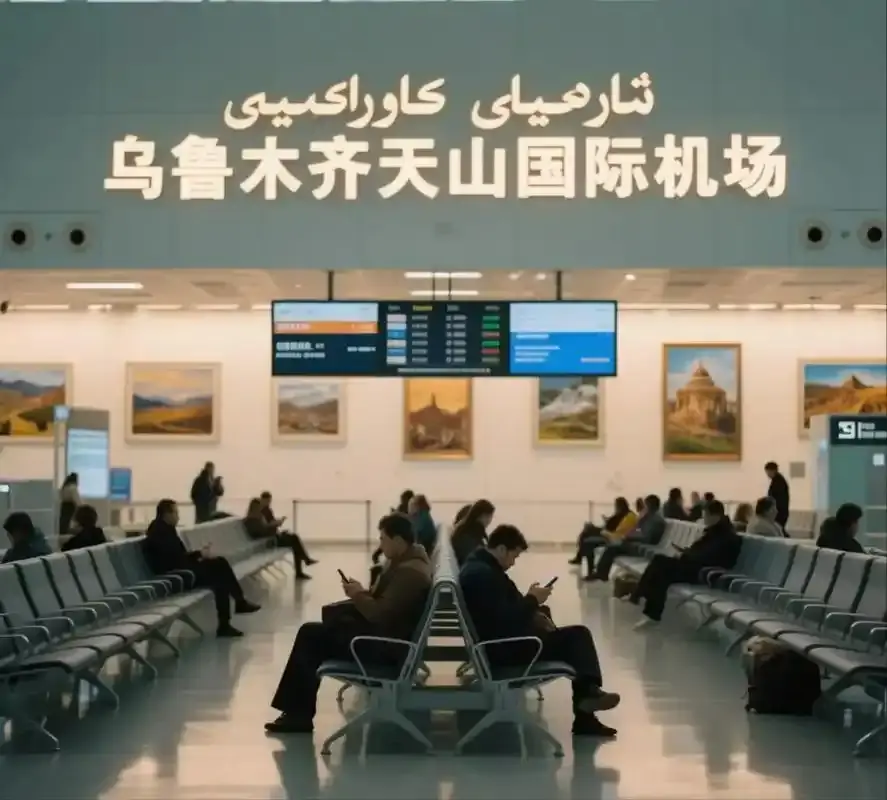
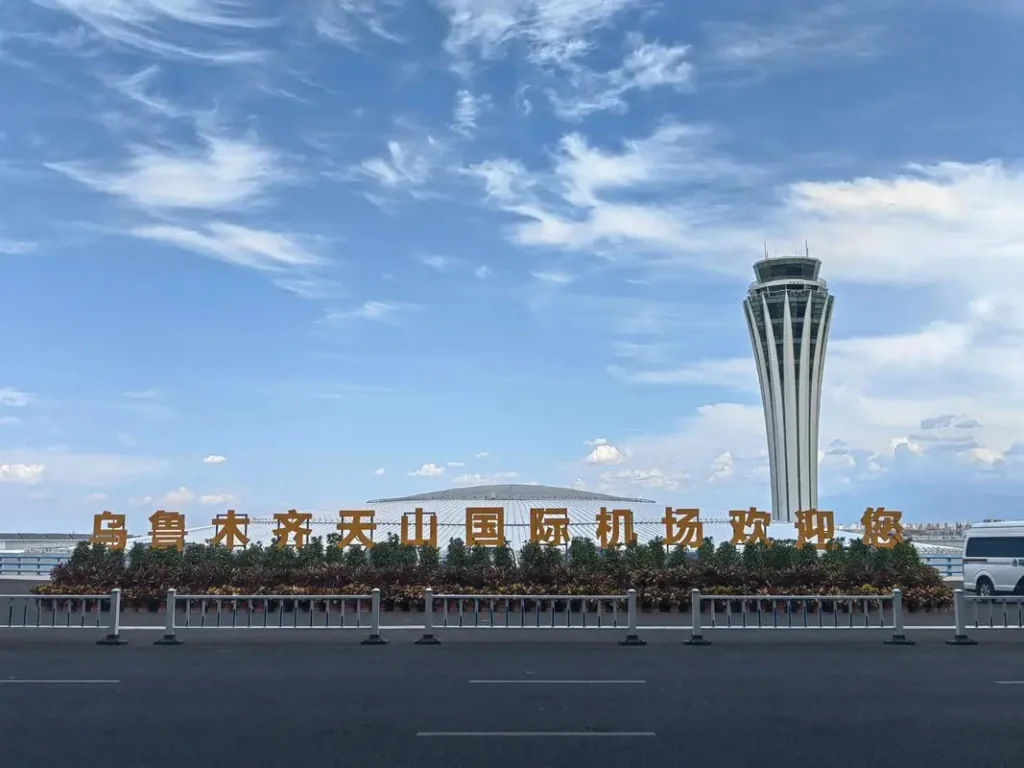
Gateway ① Ürümqi Diwopu International (URC) — The Main Door
- Flights from: Beijing, Shanghai, Guangzhou, Xi’an, Chengdu — multiple dailies. International connections via Beijing/Shanghai/Hong Kong.
- Why pick it: Maximum frequency, best onward transport, most English-capable services, widest hotel selection.
- The downside: It’s the least “Xinjiang-feeling” Xinjiang city. You’re here to transit, not fall in love. Spend a night if you must (jetlag recovery), then push west/south/north the next morning.
First 48 hours from Ürümqi (recommended):
- Land → SIM card at airport counter (China Mobile/Unicom) → taxi/metro to hotel → drop bags → walk the Xinjiang Regional Museum (quick Silk Road context) → evening at the Bazaar for skewers and orientation.
Gateway ② Kashgar (KHG) — The Silk Road Endgame
- Flights from: Ürümqi (daily, ~2 hrs), plus seasonal direct from some hubs via Ürümqi connection.
- Why pick it: You land straight into the most atmospheric city in the region. If your dream is mosques, minarets, mutton-fat-smelling alleys, start here.
- The catch: Before you go south of Kashgar(Tashkurgan / Karakul / Pamir), you need a border-zone permit processed in Kashgar city. Don’t book the Pamir for Day 1. Use Day 1 to handle documents, recover from travel, and wander the Old City.
Gateway ③ Yining (YIN) / Altay (AAT) — The Scenic Bypass
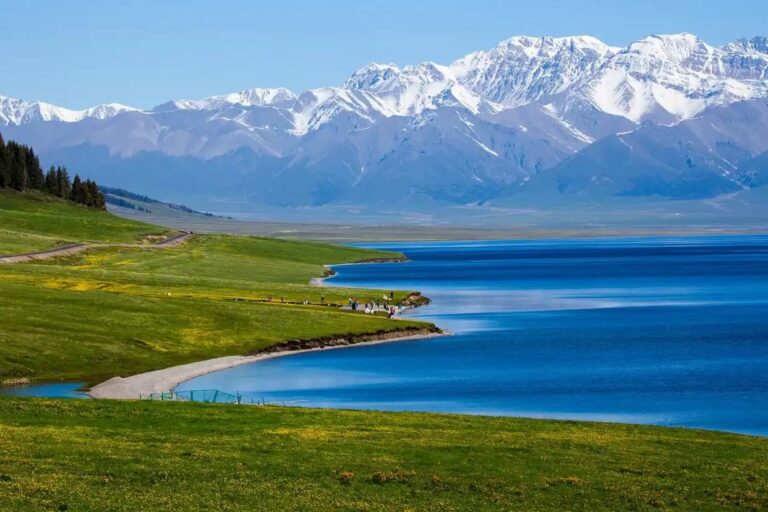
- Yining: Best if your plan is Ili Valley + Sayram Lake + grasslands and you want to skip the capital entirely.
- Altay (AAT): Best if Kanas / Hemu is your only goal and you refuse the 10-hour bus.
Rule of thumb for how to go to Xinjiangefficiently: Fly international → major China hub → connect to your Xinjiang gateway. Trying to overland all the way from Europe/SE Asia into Xinjiang is romantic but eats 2–4 days you could spend seeing things.
4) Overland & Rail — Can You Train/Bus Into Xinjiang?
By Train (Recommended Overland Option)
China’s rail net reaches Xinjiang properly:
- Ürümqi is on the national network — you can sleeper-train from Beijing (~30 hrs), Xi’an, Lanzhou, etc. Comfortable, safe, strangely beautiful when you wake up approaching the Gobi margin.
- Turpan is a rail junction south of Ürümqi — convenient if your first stop is the oasis circuit.
- Kashgar has a station — but trains from the east are very long. Good for budget travelers; brutal for tight schedules.

By Road Border Crossing?
- Khunjerab Pass (Pakistan ↔ China) — Not a casual tourist crossing. It requires specific permits and is frequently closed for weather/security/admin reasons. Assume closed unless your tour operator confirms a live crossing window with documents.
- Other historical crossings are not open for independent foot/bus entry.
Bottom line: For 95% of foreign travelers, “how to go to Xinjiang” = fly in. Overland rail is valid; overland road borders are specialist expeditions, not backpacker hops.
5) When to Go — The Calendar That Decides Your Itinerary
This is where most first-timers mess up. They google “best time Xinjiang” and see “June–September.” True — but incomplete.
The Real Seasonal Split
🌸 Late April–May — The Quiet Opener
- Turpan heats up fast; Ili starts greening; crowds thin.
- Risk: Mountain passes (Duku, some Pamir side roads) may still be snow-closed.
☀️ June–August — The Big Window
- Everything openwindow: Duku Highway, high grasslands, Pamir accessibility at its peak.
- Cost: highest. Hotels fill. Flights cost more.
- Heat warning: Turpan / Tarim basin = 40–48°C days. Do outdoor sites at 07:00–10:00 and 18:00+.
🍂 September–Early October — The Photographer’s Choice
- Ili turns gold; Kanas is theimage; air stabilizes; crowds drop after National Holiday (Oct 1–7 is domestic surge — avoid insidethose dates if you can).
- Risk: First snow can close high passes late in the month. Build buffer days.
❄️ November–March — The Shut-Down
- Many mountain destinations partially or fully close. Duku shuts. Bayanbulak shuts. Kanas operates on winter mode (limited access, extreme cold).
- Only recommend if: your plan is strictly city-based (Ürümqi / Kashgar / Turpan low-season) + you have winter gear + you verified every door before buying tickets.
The One Calendar Rule I Give every reader:
If Pamir / Tashkurgan is on your list → plan for mid-June through September. Outside that band, your permit window and road access both shrink fast.
6) Documents Checklist — Print This, Tick It
Before you fly, not after:
- [ ] Passport — 6+ months validity, 2+ blank visa pages
- [ ] Visa / visa-free entry confirmed (print your e-ticket + entry stamp evidence)
- [ ] Round-trip / onward ticket (immigration mayask)
- [ ] First 3 nights’ accommodation printed (name + address in English + Chinese)
- [ ] Travel insurance certificate (not mandatory by law, but if you get sick/injured in remote Xinjiang you’ll thank yourself)
- [ ] Emergency contacts written down (embassy, tour contact, credit card bank hotline)
- [ ] Cash — ¥200–500 small bills (not every mountain stall takes Apple Pay)
- [ ] Medication in original packaging + prescription slip (China is strict on drugs; if it’s controlled, declare it)
7) Your First 24 Hours On the Ground: The Flow That Prevents Chaos
Step 1 — Airport → SIM Card → Cash → Hotel
At Ürümqi or Kashgar airport:
- Buy a local SIM (China Mobile/Unicom counter airside or arrivals hall) — data packages are cheap, signal quality is solid in cities.
- Withdraw ¥300–500 cash at an ATM (Bank of China / ICBC machines inside arrivals).
- Official taxi rank only(ignore men offering rides inside the hall). In Xinjiang, ride-hailing app = DiDi (WeChat-based), but many foreign cards fail at app-payment — cash to the taxi is fine; agree a rough fare or ensure meter first.
Step 2 — Check In & Eat Something Filling
You’ll sleep better if Day 1 dinner is:
- Ürümqi: Laghman + skewers near the Bazaar / Hongshan area
- Kashgar: Polu in a family-run spot + naan bought hot from a pit on the walk back
Step 3 — Tomorrow’s Transport Locked Tonight
If you’re heading to:
- Sayram Lake / Yining → book that flight/bus now(summer sells out)
- Tashkurgan → start the permit process tomorrow morningat the PSB window (don’t guess)
- Kanas → shuttle + ticket system means you want reservations done before you leave the city
8) Common Mistakes in “How to Go to Xinjiang” Searches — And How to Avoid Them
❌ Mistake 1: Treating Xinjiang like Bangkok + mountains
→ Reality: It’s China’s frontier province. Security checks are real, distances are savage, and your passport is your ID everywhere.
❌ Mistake 2: Assuming every border county is open
→ Fix in your head early: Kashgar proper = open / Tashkurgan = permit / random side valleys = maybe not. Build the itinerary around what’s confirmed, not what’s pinned on Instagram.
❌ Mistake 3: Sleeping on the calendar
→ Booking a September 25 arrival for a “full Xinjiang loop” is rolling dice with early snow closures. Give yourself buffer days before departure.
❌ Mistake 4: No cash, no SIM, no backup docs
→ The “everything is digital in China!” myth breaks first in remote mountain areas. Paper copies + ¥300 cash = you never become thattraveler.
9) Why Xinjiang Rewards the Prepared Traveler
People frame how to go to Xinjiang as a hurdle. It’s not. It’s a filter. The travelers who do the paperwork, learn the rhythm, and show up with respect get greeted with tea, bread, glacier-blue water, and a kind of hospitality that hasn’t changed since caravan bells were the internet.
The region is big enough to humble you, old enough to contradict you, and beautiful enough to justify every hour you spent figuring out the entry right.
Fly in. Bring your passport. Get the permit if Pamir’s on your list. Eat where the smoke is. Keep moving.
Frequently Asked Questions About Xinjiang Travel
What is the best time to visit Sayram Lake?
June through September offers the best weather with temperatures between 15-25°C and wildflowers in full bloom around the lake.
How do I get to Sayram Lake from Urumqi?
Sayram Lake is about 450km from Urumqi. You can drive via the G30 highway (5-6 hours), take a bus from Urumqi West Bus Station (6-7 hours), or hire a private driver for the most flexibility.
Is there an entrance fee for Sayram Lake?
Yes, the entrance fee is approximately 70 RMB per person. Additional fees may apply for the lake island boat tour (about 100 RMB) and the scenic area shuttle bus.
Can I camp near Sayram Lake?
Camping is allowed in designated areas around the lake. The best spots are on the eastern shore where you can wake up to stunning sunrise views over the water.
What should I pack for a trip to Sayram Lake?
Even in summer, temperatures can drop significantly at night. Bring layers, a windproof jacket, sunscreen (UV is strong at high altitude), and comfortable walking shoes.
Discover more about traveling in Xinjiang with our expert Xinjiang travel tips and guides.