Northern Xinjiang vs Southern Xinjiang: Which Region Should You Choose?
If you are planning a trip to Xinjiang, the single most important decision you will make is: north, south, or both? Xinjiang is not a monolith. The north (Beijiang) and south (Nanjiang) are separated by the Tianshan Mountains and feel like different countries—different landscapes, different dominant ethnic groups, different food, different travel rhythms.
Last updated: July 15, 2026 · Written by Karl Huang, a Xinjiang travel specialist who has spent time across the region. Practical details are cross-checked against official tourism, transport, and border-regulation sources.
I have spent time in both regions, and the contrast is sharper than I expected. The north is alpine, forested, and nomadic. The south is desert, oasis, and Silk Road. Both are spectacular. But they suit different travelers and different seasons. This guide breaks down the differences so you can choose—or better yet, figure out how to do both.
The Basic Divide: Tianshan Mountains
The Tianshan (Heavenly Mountains) run east-west across the middle of Xinjiang, dividing the region into two distinct halves:
- Northern Xinjiang (Beijiang): Grasslands, spruce forests, alpine lakes, Kazakh and Mongol nomadic culture. Key cities: Urumqi, Burqin, Yining.
- Southern Xinjiang (Nanjiang): Desert, oases, Silk Road ruins, Uyghur culture. Key cities: Kashgar, Hotan, Aksu, Kuqa.
The Duku Highway (G217) crosses the Tianshan and is the only road that directly connects north and south. It is also one of the most scenic roads in China—and the reason you can feasibly do both regions in one trip.
Landscape: Alpine Lakes vs Desert Oases
Northern Xinjiang: The Alpine North

Iconic landscapes:
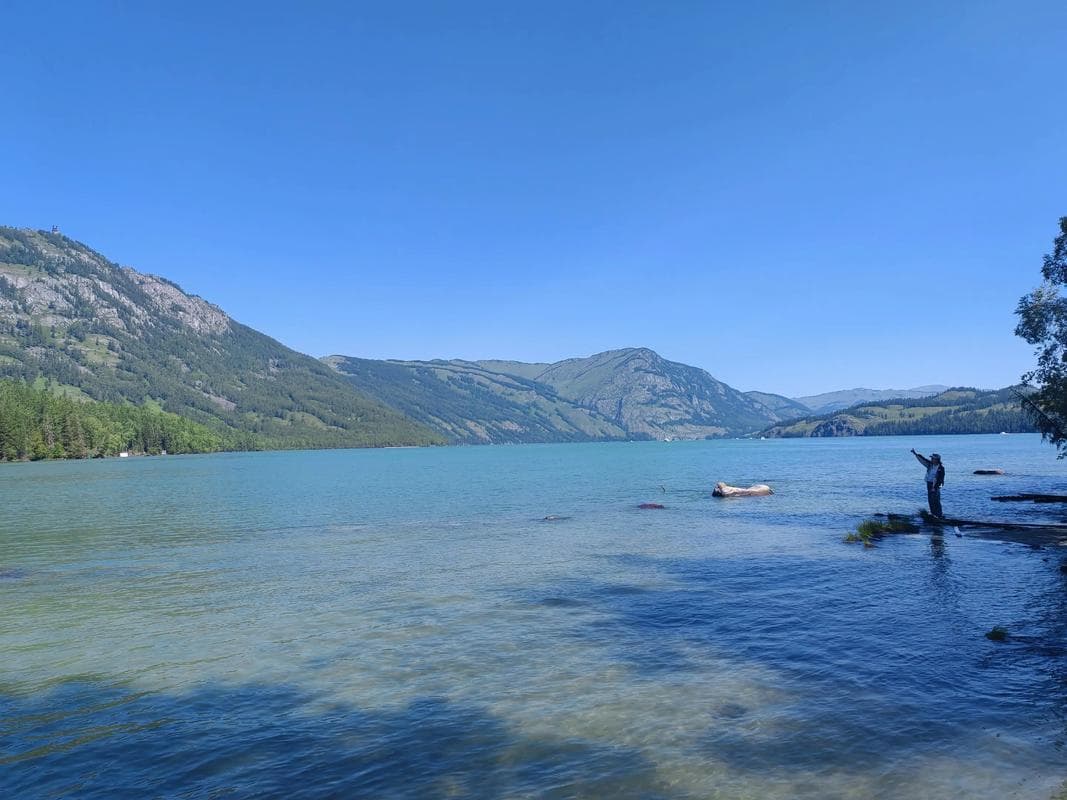
- Kanas Lake: Glacial turquoise lake surrounded by taiga forest and snow peaks.
- Nalati Grassland: Alpine meadow at 2,000+ meters, dotted with Kazakh yurts.
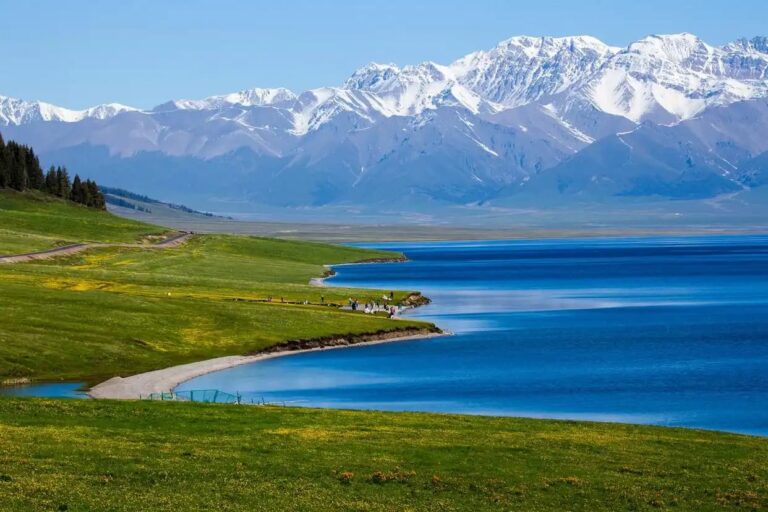
- Sayram Lake: High-altitude alpine lake (2,073 m) with intense blue water.
- Hemu Village: Birch forest timber-cabin village, golden in autumn.
Best season: June–September for green; mid-September–early October for autumn colors.
Southern Xinjiang: The Silk Road South
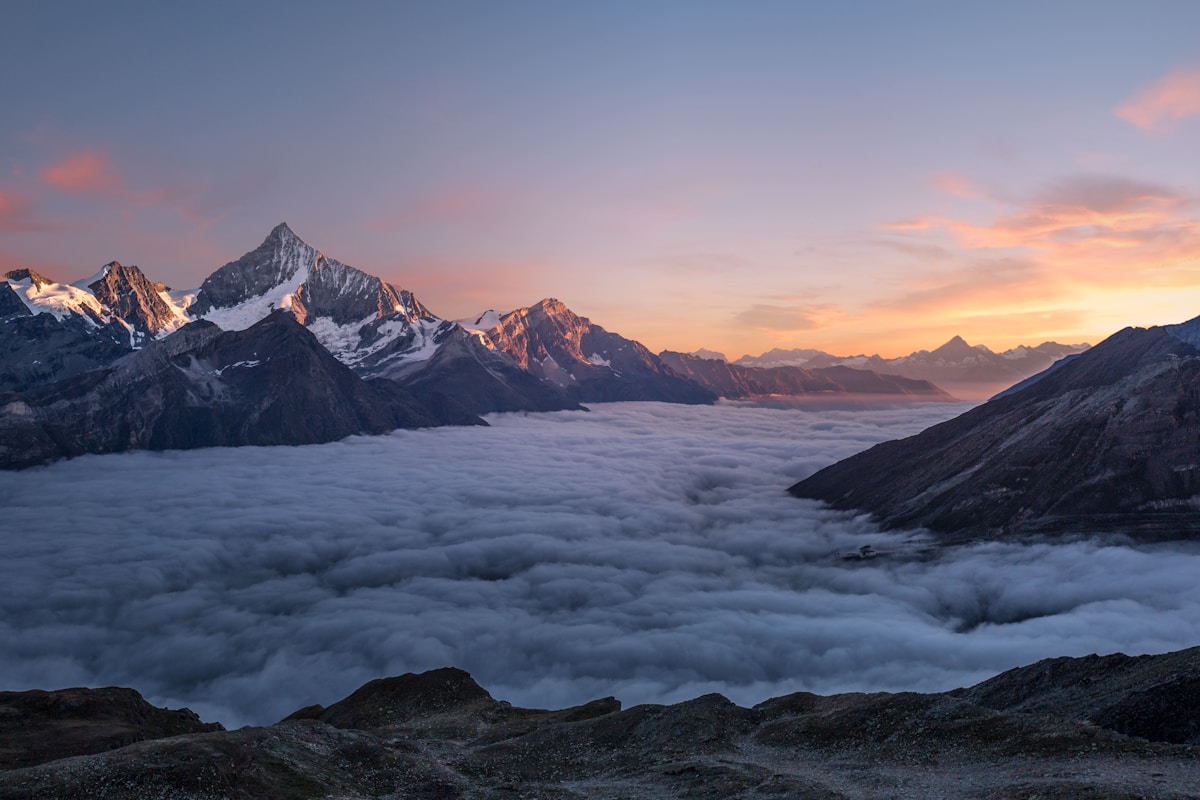
Iconic landscapes:
- Taklamakan Desert Highway: A 522 km road through the world’s largest shifting-sand desert.
- Karakul Lake: Glacial lake at 3,600 m on the Karakoram Highway.
- The Pamir Plateau: High-altitude grassland near Tashkurgan, home to Tajik nomads.
- Flaming Mountains (Turpan): Red sandstone ridges. The hottest place in China.
Best season: April–May (spring) and September–October (autumn).
Culture: Nomadic vs Oasis
Northern Xinjiang: Kazakh and Mongol Nomads
- Food: More dairy-heavy. Nai cha (milk tea), yogurt, cheese.
- Housing: Yurts on summer pastures. Timber cabins in winter villages.
- Music: The dombra (two-string lute) and long improvisational songs.
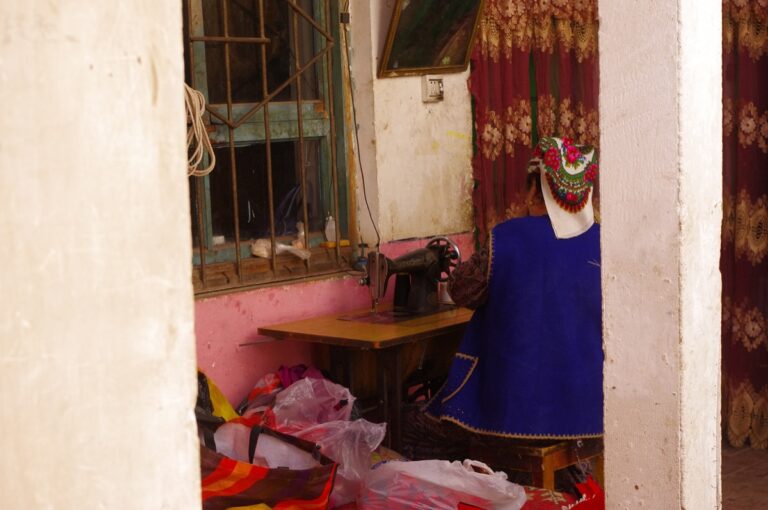
Southern Xinjiang: Uyghur Oasis Culture
- Food: More carb-heavy. Polu (pilaf), laghman, samsa, naan.
- Housing: Mud-brick timber-framed houses in old city alleys.
- Music: The rawap, dutar, and the muqam (12-part classical suite, UNESCO-listed).
Food: A Tale of Two Cuisines
Both regions share the core Xinjiang repertoire, but there are regional differences:
| Feature | Northern Xinjiang | Southern Xinjiang |
|---|---|---|
| Staple grain | Naan, sometimes pasta | Naan, polu, laghman |
| Meat style | More beef, horse meat | More lamb, whole roast lamb |
| Dairy | Heavy (yogurt, cheese, milk tea) | Moderate |
| Fruit | Apples, berries | Melons, grapes, apricots |
The hour I go back for
Go early or go late and the same ground gives you two different subjects. Between the two I would pick the later one, mostly because the early version costs you the rest of the day. The whole face of Northern Xinjiang Vs Southern turns a colour that does not exist at any other time, and the site is empty enough that you can stand still and hear nothing. Sunrise is the one worth an alarm for. By ten the coaches are here, and by one it is an hour of people shuffling past.
Whatever the guidebook says about golden hour, go on a weekday. I have come to like the last forty minutes before the gate shuts, when the groups have gone and the staff are sweeping, because that is when you can look up properly instead of squeezing a shoulder past strangers. The light is only free of company on a Tuesday. Midday is the hour to avoid, not the hour to schedule. Everything goes flat, the shade disappears, and the temperature on an open plateau rises in a way that stops you caring about photographs.
That stretch of the trip is described in our [[xinjiang-10-day-itinerary-northern-southern-xinjiang|Xinjiang 10-Day Itinerary: The Perfect…]] too.
The mistake I made the first time
I did come back the following trip, at seven in the morning, and it was a different site. The whole point of coming this far is to have the place to yourself for a while, and that only happens if you are willing to be there when it opens or when it is nearly shut. The other mistake is about distance on the map. The gate is not the site. There is a shuttle, a walk, sometimes another shuttle, and the stretch everybody underestimates is between the second gate and the thing you crossed the country to see.
So: work out how far it is from where the vehicle drops you to the feature, then double it. That is the number of hours the visit needs. It was, in the sense that I saw everything, and it was ruined in the sense that I saw everything at the same hour with the same crowd, and I spent the drive home meaning to come back and never did. I assumed two hours would be plenty. What I would tell the version of me who planned it: put the slow hours in, not the fast ones.
The evening version of that plan is in our [[epic-9-day-8-night-adventure-across-northern-southern-xinjiang|Epic 9-Day 8-Night Adventure Across…]].
Which Should You Choose? Decision Framework
Choose Northern Xinjiang if you:
- Love alpine landscapes, lakes, and forests
- Want to experience nomadic culture
- Are traveling in autumn for the colors
- Have 5–7 days
Choose Southern Xinjiang if you:
- Are fascinated by Silk Road history
- Want deep cultural immersion in Uyghur communities
- Love desert landscapes and oasis towns
- Have 7–10 days
Do Both if you:
- Have 10–14 days
- Want the full Xinjiang experience
- Can travel in June–September (when the Duku Highway is open)
Final Recommendation
If it is your first time in Xinjiang: do the south. The cultural depth and the sense of walking in the footsteps of Silk Road traders make it a more complete introduction. If it is your second time: do the north in autumn. The Kanas area in late September is one of the most beautiful places in Asia.
And if you have the time: do both. The contrast is the point. Xinjiang is not one thing—it is a collision of mountains and desert, nomads and oasis dwellers. Give it two weeks, and you will see both sides of the story.