The Tuva People of Xinjiang: Inside the Log-Cabin Villages of Kanas and Hemu
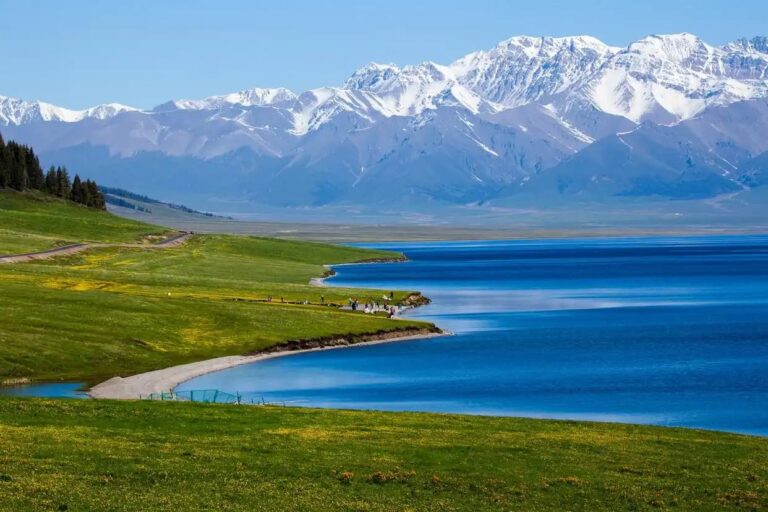
Most visitors to Xinjiang know Kanas Lake for its mirror-still water and the “lake monster” legend. Far fewer know that the wooden villages clinging to the hillsides above the lake are home to one of China’s smallest and least-understood ethnic groups: the Tuva (图瓦人). On my first overnight stay in Hemu, I woke to woodsmoke and the clop of horses, and realized I had stumbled into a culture that barely appears on most travel itineraries. This is a practical, first-hand guide to who the Tuva are, where they live, and how to visit their villages respectfully.
Who Are the Xinjiang Tuva People?
The Tuva in Xinjiang number only around 2,500 people, concentrated in the Kanas scenic area of Altay Prefecture. Linguistically they speak a Turkic language closely related to those of Tuva Republic (in Russia) and Kyrgyz. Genetically and culturally they sit at a crossroads: reindeer-herding Siberians to the north, Kazakh nomads to the west, and Han and Mongol influences filtering in over centuries. What makes them remarkable is how deliberately they have preserved a pastoral, horse-based life inside a heavily visited tourist zone.
Where the Tuva Live: Kanas, Hemu, and Baihaba
There are three main Tuva-inhabited villages inside the Kanas reserve: Kanas village (near the lake outlet), Hemu (the largest and most photogenic), and Baihaba (right on the Kazakhstan border, requiring an extra border permit). Each is built from squared pine logs in a distinct “cabin with a pitched roof” style that looks more like Siberia than Central Asia. Hemu in particular, with its watchtower hill, is the iconic postcard view.
A Typical Day in a Tuva Village
Life here follows the light and the livestock. Having spent two nights in a family guesthouse, I can describe the rhythm plainly.
Morning
By 7 a.m. the milking is done and smoke rises from every chimney as families heat water on wood stoves. Horses are driven down from the summer pasture; children ride bareback to the small village school. Breakfast is milk tea, fried dough, and sometimes fresh cream.
Evening
After sunset (late in summer), villagers gather around bonfires. I joined one such evening where an elder played a two-stringed lute and sang a throat-song that seemed to imitate the wind off the lake. Guests are welcomed but not performed-to; it is genuinely a family evening you are allowed to witness.
Language, Beliefs, and Daily Life
Tuva households typically speak Tuva at home, Kazakh with neighbours, and increasingly Mandarin for school and business. Traditional belief blends Siberian shamanism with Tibetan Buddhism — you will see both prayer flags and shamans’ birch trees. Hospitality is instantaneous: a stranger at the door is given tea before being asked his name.
How Tuva Differ From Other Xinjiang Groups
| Group | Heartland | Signature lifestyle | Language family |
|---|---|---|---|
| Tuva | Kanas / Hemu / Baihaba | Log-cabin pastoralists, horse-centered | Turkic (Siberian branch) |
| Kazakh | Altay & Ili grasslands | Yurt nomads, transhumance | Turkic |
| Kyrgyz | Pamir (Wuqia, Akto) | High-altitude herders | Turkic |
| Mongol (Oirat) | Bortala, Hoboksar | Steppe pastoralists | Mongolic |
The takeaway: the Tuva are the only group in Xinjiang whose architecture and shamanic practice read as distinctly Siberian. That uniqueness is exactly why they reward a detour.
Visiting a Tuva Home: Etiquette That Matters
I was invited into a Hemu kitchen on my second morning, and a few simple rules made the difference between “tourist” and “guest”: step over the threshold, never on it; accept the tea bowl with both hands; do not point the sole of your foot at the stove; and if offered mare’s milk or cream, take at least a sip. Small gestures, big goodwill.
Best Time to Visit the Tuva Villages
| Month | Conditions | Notes |
|---|---|---|
| Jun | Green pastures, wildflowers | Pleasant, fewer crowds than July |
| Jul–Aug | Peak green, warmest | Busiest; book homestays early |
| Sep | Golden birch forest | Best photography window |
| Oct–May | Snow, road closures | Scenic but access limited |
Getting to Kanas and Hemu
The villages sit deep inside the Kanas reserve, reachable by shuttle bus from the Jiadengyu gateway after flying into Altay or driving the northern Xinjiang road-trip route. Private cars cannot enter the core; you park and transfer to the reserve buses. Budget a half-day of transit each way in summer.
Where to Stay
Hemu and Kanas both offer a range of wooden guesthouses, from basic family rooms to polished eco-lodges. Staying inside the reserve (rather than outside at Jiadengyu) lets you catch sunrise and avoid the day-tripper crush. Book through your accommodation well ahead in July and August.
Things to Do Beyond the Lake
Beyond the famous viewpoint, I recommend: a guided birch-forest walk, an evening bonfire, horse-riding to a nearby herder camp, and — if you are lucky — a shamanic blessing ceremony. The Kanas Lake guide covers the lake itself; pair the two for a full picture of the valley.
Common Misconceptions
| Myth | Reality |
|---|---|
| “They are just Kazakhs” | Distinct language, cabins, and shamanic tradition |
| “It is a staged tourist show” | Villages are lived-in; tourism is layered on real life |
| “You need a guide to enter” | Independent entry is fine; only Baihaba needs a border pass |
Tuva Music and Throat Singing
One sound defines a Tuva evening: khöömei, or throat singing, where a single voice produces a low drone and a whistling overtone at once. In Hemu I heard it unamplified by a village elder, and the harmonic seemed to rise from the birch trees themselves. It is informal and sacred at once — not a staged performance but a way of echoing the surrounding landscape.
Food You Will Taste in a Tuva Home
Meals are hearty and pastoral: salted milk tea, fried dough (boortsog), homemade cream, and in season fresh river fish from the Kanas river. Mare’s milk (koumiss) may be offered in summer — tangy and lightly fizzy; a small bowl is the polite response. Vegetarians should note that dairy and starch dominate the table while meat is reserved for guests of honor.
Photography Ethics in the Villages
The log cabins and morning mist are irresistible to cameras, but these are working homes. Ask before photographing people, especially elders and children; shoot the landscapes freely, but treat interiors as private. A small purchase from a family shop, or a tip after a hosted bonfire evening, earns far more goodwill than any permit.
Straight answers to common questions
Do I need a special permit to visit the Tuva villages?
Kanas and Hemu require the standard Kanas reserve entry ticket and the Xinjiang border permit is only needed for Baihaba village, which sits on the Kazakhstan frontier.
Can I stay overnight with a Tuva family?
Yes. Many wooden guesthouses are family-run. Booking directly or through your reserve shuttle operator is the most reliable way to secure a room inside the village.
Is the Tuva language written?
It is primarily spoken. Most signage and schooling use Mandarin, so don’t expect to read Tuva on menus or maps.
What should I pack for a Hemu overnight?
Warm layers even in summer — nights at altitude drop sharply — plus cash (card readers are unreliable) and a headlamp for unlit paths.
Are the villages wheelchair accessible?
Not really. Boardwalks exist at main viewpoints, but village lanes are uneven earth and wood. Plan accordingly if mobility is limited.
When is the birch forest golden?
Late September to early October is the narrow window when Hemu’s birch groves turn gold against the snow-dusted peaks.