Xinjiang Folktales and Legends: The Stories Behind the Silk Road’s Mountains and Lakes
The first time a Uyghur driver told me about the “water ghost” in Kanas Lake, he slowed the car and lowered his voice, as if the thing might hear us across the valley. I have since heard that same hush in Kazakh yurts, at Kyrgyz feasts, and in the courtyards of old Kashgar: Xinjiang does not just show you landscapes, it tells you stories about them. The region’s folktales are not tourist props – they are how half a dozen cultures have explained glaciers, salt flats, and lost cities for a thousand years. Knowing a few before you travel changes the way the map reads.
Why Xinjiang’s stories matter to travellers
Unlike a guidebook fact, a legend sticks. When you stand at the shore of a alpine lake or walk a ruined desert town, the local story gives the place a face. Most Xinjiang folktales are oral – passed down in Uyghur, Kazakh, Kyrgyz, Tajik, Mongol, and Mandarin – and many are tied to a specific mountain pass, lake, or oasis. That means the tales double as a travel itinerary: follow the stories and you follow the most memorable corners of the region.
The lake that hides a monster: Kanas
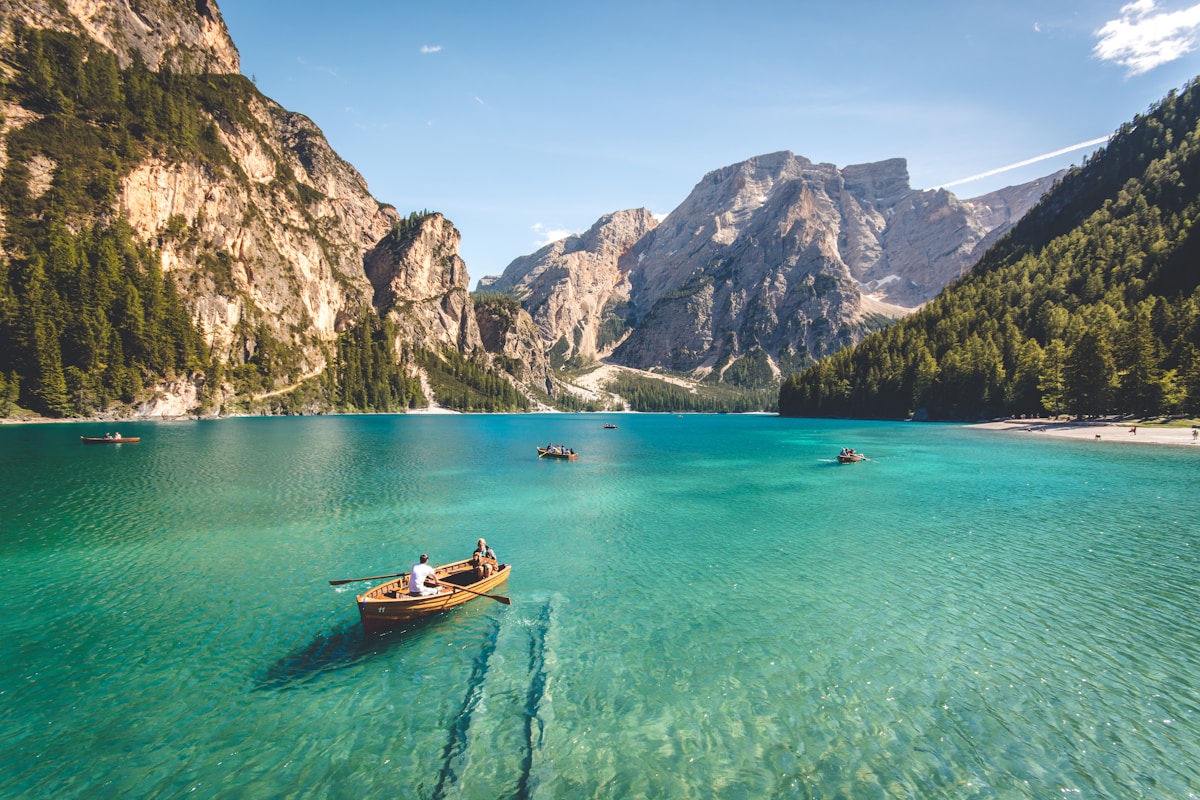
Kanas Lake, in the far north near the Kazakh and Russian border, is the source of Xinjiang’s most famous modern legend. Locals and a handful of breathless TV reports describe a long, dark shape moving under the green water – a “lake monster” locals call the shui guai. Biologists say the sightings are almost certainly huge Kanas Lake trout (some over a metre long), but the story has outlived every explanation. Boatmen still point to the deep, narrow section of the lake where the creature is said to surface at dawn.
The “water ghost” sightings
What makes the Kanas tale travel-friendly is that it is told with a wink. Elders describe it as a guardian rather than a threat, and the surrounding Tuva villages have folded the story into homestay evenings, complete with butter tea and a fireside recital. You are unlikely to see anything but reflection – but you will leave understanding why a cold northern lake feels alive.
The Kyrgyz epic of Manas
If Kanas is a campfire ghost story, Manas is a national treasure. The Manas is a Kyrgyz oral epic said to run over 200,000 lines – roughly twenty times the length of the Iliad and Odyssey combined – recounting the warrior Manas and his descendants uniting the Kyrgyz tribes. It is performed by specialist bards called manaschi, who can recite for hours from memory. UNESCO lists it as intangible cultural heritage.
Where to hear it
In Xinjiang you are most likely to encounter Manas in the Ili Valley and among Kyrgyz communities near Tashkurgan and the Pamir. Festivals are the best bet: during Xinjiang festivals such as Nowruz, cultural centres and yurt encampments sometimes host a manaschi. Even a short recital is electric – the rhythm, the sudden shifts in voice, the audience finishing lines they know by heart.
Tianshan love stories and the frozen bride
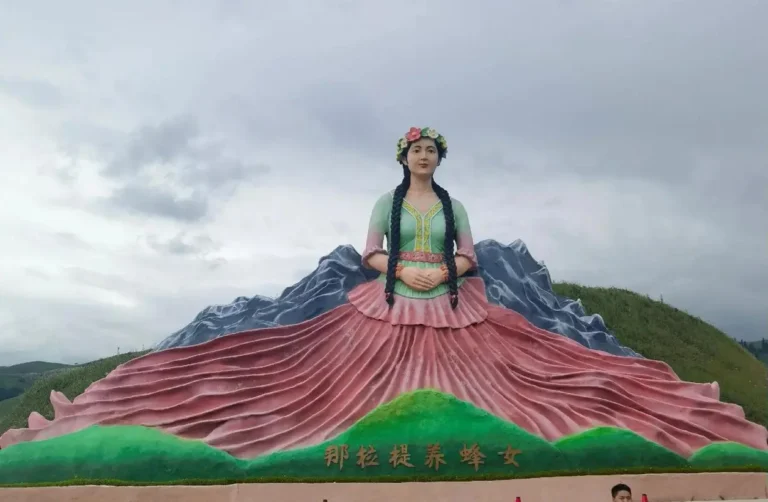
The Tianshan range carries a clutch of romantic tragedies, the most repeated being the tale of a herder girl who, forbidden from marrying the boy she loved, was transformed into a glacier or a frozen peak so she could watch over him forever. Variants appear across Kazakh, Kyrgyz, and Mongol tellings, often attached to a specific snow mountain you can point at from the highway. These are the stories local drivers love to share on long passes – part distraction, part warning about the cold.
The lost kingdoms of the desert: Loulan and the Tarim mummies
South of the Tianshan, the Taklamakan’s edge is lined with legends of vanished cities. Loulan, a Silk Road oasis swallowed by sand, produced the famous “Loulan Beauty” – a remarkably preserved 4,000-year-old mummy. Local lore blends archaeology with ghost-town dread: travellers speak of hearing bells in the wind where a city once stood. The stories are a useful primer before visiting the museum halls and ruined forts that hold the real artefacts.
Uyghur and Kazakh animal fables
Not every tale is grand. A rich stock of short fables uses the fox, the camel, the eagle, and the goat to teach wit, patience, and hospitality – the same virtues praised at every dinner table. Kazakh stories lean on the golden eagle and the grey wolf; Uyghur tales favour the clever fox and the proud peacock. They are the bedtime versions of the region’s moral code, and hearing one at a family meal is a small privilege.

Tajik eagle legends of the Pamir
The Tajiks of the Pamir Plateau tell of the golden eagle as a messenger between the high valleys and the sky, and the eagle dance performed at weddings is said to imitate the bird’s search for a mate. For travellers crossing the Pamir Highway, knowing this adds weight to the raptors wheeling over the passes – they are not just wildlife but characters in a story centuries old.
The singing sands and the wind that carries voices
Near the Kumtag and other dune fields, locals speak of “singing sand” – the low hum a dune makes when wind sweeps its face. The legend says the sound is the voice of a lost caravan still calling across the desert. Science explains it as resonant grain movement, but standing on a warm dune at dusk you understand why the story stuck.
How legends leak into daily life
You will hear these tales in unexpected places: a restaurant named after a lake monster, a bus decorated with Manas imagery, a roadside teahouse whose owner insists on telling you why the mountain across the valley is “married” to another. Treat them as living folklore, not museum pieces. Ask a friendly local which tale belongs to the hill you are looking at and you often get a better answer than any signboard provides.
A quick map of Xinjiang’s greatest tales
| Story | Region | Cultural source | Best place to encounter it |
|---|---|---|---|
| Kanas lake monster | Northern Xinjiang (Altay) | Tuva / Kazakh | Kanas Lake boat tour & Tuva homestays |
| Epic of Manas | Ili Valley & Pamir | Kyrgyz | Nowruz festivals, yurt encampments |
| Frozen bride of the Tianshan | Central Tianshan passes | Kazakh / Kyrgyz / Mongol | Driving the mountain highways |
| Lost city of Loulan | Taklamakan edge (south) | Uyghur / Han historiography | Regional museums, ruins near Turpan & Hotan |
| Animal fables | Throughout the steppe | Uyghur / Kazakh | Family dinners, children’s programmes |
How to respectfully enjoy the storytelling tradition
Storytelling here is hospitality, not a performance for sale. If an elder begins a tale, give it your full attention, don’t interrupt to film, and accept the tea or bread offered alongside it. Ask before recording, and if you share the story later, name the culture it came from. The quickest way to be welcomed into the next story is to have listened well to the last one.

What to do when it breaks
If this happens: Kanas lake monster stories real
No verified creature exists; biologists attribute sightings to large native trout and optical effects on a deep, narrow lake. The legend itself is very real to locals and is part of the Kanas experience.
When it goes sideways: Seeing a performance of manas
Sometimes. Cultural centres in Ili and Kyrgyz areas, plus festivals like Nowruz, occasionally host a manaschi. Schedules are informal, so ask at your hotel or a local tourism desk when you arrive.
If you run into this: Legends change by region
Yes. The same broad theme – a lake spirit, a lost city, a forbidden love – is retold with local names and heroes. A Tianshan bride story in one valley may have a different ending a hundred kilometres away.
On the ground: Okay to record a village storyteller
Only with clear permission. Many elders consider the stories sacred or family-owned. A polite ask, and putting the phone down if they hesitate, goes a long way.
If this happens: Read more about xinjiang folklore
Start with the regional museums in Urumqi and Kashgar, which caption exhibits with the legends attached, then follow the specific sites in the table above on your route.