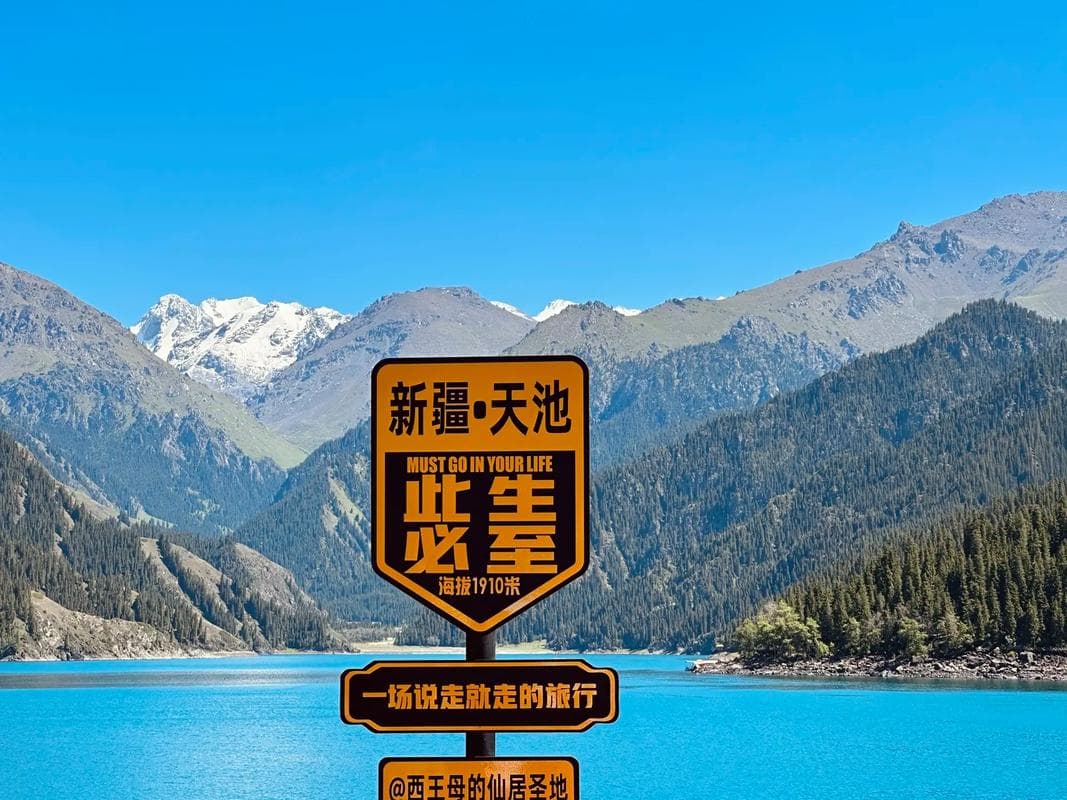
Xinjiang Altitude Sickness: How to Prepare for the Pamir and Tianshan
Most people picture Xinjiang as desert and grassland at modest elevation, and for the popular routes — Urumqi, Turpan, Kashgar town — that is true. The trouble starts when you point the car south toward the Pamir or up into the Tianshan passes. On my first drive from Kashgar to Tashkurgan I climbed from 1,200 meters to 3,200 meters in a single afternoon and spent the night with a headache that no water would touch. Altitude sickness in Xinjiang is real, it is common, and almost nobody warns you about it because the rest of the region sits low. This guide is the warning I wish I had.
Why Xinjiang Catches Travelers Off Guard
The region’s headline destinations are low. It is the edges — the Pamir Highway and the high Tianshan — that climb. Here are the elevations that matter for planning:
| Place | Elevation | Risk note |
|---|---|---|
| Urumqi | ~800 m | No risk |
| Kashgar | ~1,200 m | No risk |
| Tianshan Grand Canyon (Urumqi) | ~1,800 m | Minimal |
| Nalati grassland | ~2,000 m | Low |
| Karabulun / Tianshan passes | ~3,000 m | Moderate |
| Tashkurgan (Pamir) | ~3,200 m | Moderate–high |
| Khunjerab Pass (border) | ~4,700 m | High |
The jump from Kashgar to Tashkurgan is the classic trap: you sleep at more than double the elevation you started the day at, with no chance to adjust.
Acute vs Chronic: the Symptoms That Matter
Acute mountain sickness (AMS) is the version you will likely meet. The early signs are a headache, loss of appetite, trouble sleeping, and mild breathlessness on flat ground. These are normal at 3,000 m and usually fade in a day if you rest. The dangerous version — high altitude pulmonary or cerebral edema — is rarer but serious: a worsening headache that painkillers do not touch, confusion, staggering walk, or breathlessness at rest. If you see those, descend immediately; do not wait for morning.
Who Is at Risk (and Who Isn’t)
Fitness does not protect you. I have seen marathon runners flattened at 3,000 m and unfit travelers fine. Age, a recent cold, and a fast ascent matter more than how many pull-ups you can do. If you live at sea level and flew into Urumqi yesterday, treat the Pamir as a real acclimatization challenge, not a day trip.
My First Night at 3,200 Meters
In Tashkurgan I did everything wrong: I arrived late, ate a huge dinner, and went straight to a warm room and slept with the window shut. I woke at 2am with a pounding head and a racing heart. The fix was boring and effective — I drank two liters of water across the night, took an ibuprofen, and cracked the window for thin but moving air. By morning the headache was gone. The lesson: hydrate, eat light, and let the room breathe.
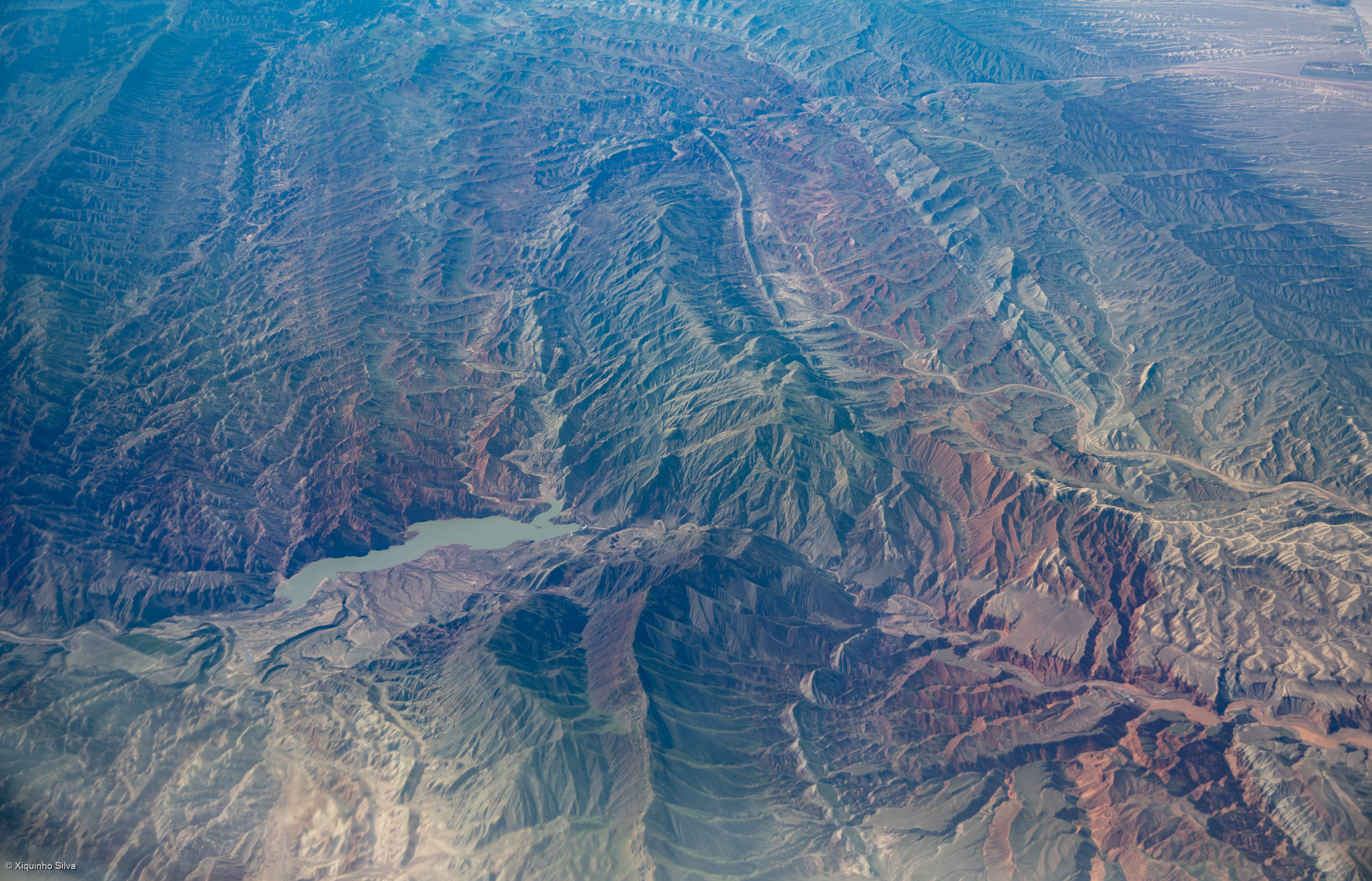
Prevention: the Week Before and the Day Of
You cannot fully prevent AMS, but you can shrink the odds. The single most effective move is a slow ascent — and on the Pamir that means spending a night in Upal or Bulunkou (around 2,500–2,800 m) before pushing to Tashkurgan. Concrete steps:
| Action | When | Why it helps |
|---|---|---|
| Hydrate hard (3+ L/day) | All travel days | Thin air dehydrates you faster than you feel |
| Sleep one night at mid-elevation | Before 3,000 m | Gives the body time to adjust |
| Avoid alcohol for 48h | Around ascent | Alcohol worsens altitude headache and sleep |
| Eat carbs, not heavy meat | First night high | Carbs are easier fuel at altitude |
| Acetazolamide (ask a doctor) | Start 1 day before | Speeds acclimatization for some travelers |
A Simple Acclimatization Day Plan
If you have one spare day before the Pamir, use it in Kashgar (1,200 m) or better in Upal (2,500 m): wake without rushing, walk gently for 30 minutes, drink steadily, eat a carb-heavy lunch, skip the long afternoon nap in favor of light movement, and sleep with the window cracked. The goal is not to tire yourself but to let your breathing rate and red-cell count start adjusting before the big climb. Travelers who do this almost always report a milder first night in Tashkurgan than those who spend the whole day crammed in a car with the windows up and a belly full of lamb.
What to Do If You Feel Bad
First, stop climbing. Mild symptoms are a signal to rest a day, not push on. If you feel worse after a night’s rest, descend — even 500 meters helps, and 1,000 meters usually resolves mild AMS within hours. Do not try to “sleep it off” if the headache is getting sharper rather than steadier; that is the moment to go down, not wait. Oxygen cans sold in Kashgar and Tashkurgan take the edge off a headache but do not fix the underlying lack of adaptation; treat them as a band-aid, not a plan.
Medication and Where to Get It
Acetazolamide (Diamox) is the standard preventive drug, and dexamethasone is the emergency drug for severe cases. Bring these from home — a pharmacy run in rural Xinjiang is unreliable, and the Xinjiang entry guide will not list one you can count on. A basic kit: ibuprofen, rehydration salts, and your prescribed altitude meds. For the deeper background on the Pamir route specifically, read the Pamir altitude briefing before you commit to the border drive.
Driving and Altitude
If you are self-driving, altitude compounds fatigue. The Pamir Highway has long empty stretches where a headache makes you slow and careless. Share the driving, take a break every two hours, and never push the Khunjerab Pass if you felt ill the night before — the top is near 4,700 m and there is no hospital for hours. Time your trip with the best-season guide; summer melts the passes open but also brings the crowds.
The usual missteps
The trap here: Needing to worry about altitude in most
No. Urumqi, Turpan, Kashgar, and the standard grassland loops sit low enough that almost nobody feels anything. Only the Pamir Highway, Tashkurgan, and the highest Tianshan passes warrant preparation.
Where people slip: Fast is too fast an ascent
Climbing more than about 500 meters of sleeping elevation per day above 2,500 m is the rough danger line. Kashgar-to-Tashkurgan in one day breaks that rule, which is exactly why a mid-elevation stop helps so much.
The usual error: Drinking water really help
It will not prevent AMS, but dehydration makes every symptom worse and is the easiest mistake to fix. At altitude you lose fluid through faster breathing and dry air, often without feeling thirsty. Drink on a schedule, not on impulse.
Easy to get this wrong: Oxygen from a can useful
It relieves a headache for a while and can buy you time to descend or sleep. It is not a substitute for acclimatization or for going down if symptoms worsen. Treat it as comfort, not treatment.
The trap here: Children
Yes, with the same rules and extra caution. Children may not describe a headache well, so watch for irritability and poor sleep. Older travelers with heart or lung conditions should check with a doctor before any route above 3,000 m.
Where people slip: One thing that actually fixes bad altitude sic
Descending. No drug, no oxygen, no rest at the same elevation replaces going lower. If symptoms are worsening rather than stable, move down — even a few hundred meters — before doing anything else.