Xinjiang Beer and Local Brews: What to Drink Beyond Milk Tea
Most travelers arrive in Xinjiang expecting milk tea and nothing stronger. They leave having discovered that this is one of China’s great beer-drinking regions. The star is Wusu beer (乌苏啤酒), a lager so beloved and so deceptively strong that locals nicknamed it the “life-ending beer” (夺命大乌苏). I first met it on a rooftop in Yining, watching the sunset turn the ili valley gold, and by the third bottle understood exactly why the nickname stuck. This is a practical, first-person guide to what Xinjiang actually drinks — and where you’ll find it.
Why Xinjiang drinks differently
Xinjiang sits on the old Silk Road, where grape-growing and fermentation arrived early. The climate — long, hot summers and cold winters — suits both grain brewing and fruit wine. Beer here is not a coastal import; it is local industry. Wusu Brewery was founded in 1986 in Wusu, a small city in northern Xinjiang, and it now dominates fridges from Urumqi to Kashgar. The water comes from melted Tianshan snow, which regulars swear gives the beer its clean finish. Whether or not you believe the water myth, the cultural fact is real: in Xinjiang, beer is the default social drink, served cold, in big bottles, and shared.
The big one: Wusu beer (乌苏啤酒)
Order “a Wusu” (来瓶乌苏) and you’ll get a 620 ml brown bottle at roughly 4% ABV — stronger than the standard 2.5–3% Chinese lagers you find down south. It is a malty, slightly sweet pale lager with a thick head and a bitter tail. The “life-ending” joke is mostly about the hangover and the pace: bottles are large, the toasts are frequent, and nobody is counting.
Why it’s called “life-ending beer”
The Chinese nickname 夺命大乌苏 (duó mìng dà wūsū) is affectionate, not literal. It refers to the combination of high volume and higher alcohol than expected — easy to overdo when you think you’re drinking a light lager. Travelers who treat it like a European pilsner usually learn the lesson once. Drink slowly, eat while you drink, and you’ll be fine.
Where to find it
Every restaurant, night market, and convenience store sells it. In Urumqi and Kashgar you’ll also find craft spin-offs and the premium “Wusu Pure Raw” (乌苏原浆) lines in better bars. Prices run from about ¥6 for a standard bottle at a shop to ¥15–25 in a tourist-frequented restaurant.
Xinjiang’s main brews at a glance
| Drink | Type | Typical ABV | Where it shines |
|---|---|---|---|
| Wusu (乌苏) | Pale lager | ~4% | Everywhere; the default |
| Xinjiang Black Beer (新疆黑啤) | Dark lager | ~4.5% | Winter, Urumqi bars |
| Turpan grape wine | Red / white wine | 11–13% | Turpan vineyards |
| Mulberry wine (桑葚酒) | Fruit wine | 8–12% | Southern oasis towns |
| Koumiss (库木孜) | Fermented mare’s milk | 1–3% | Grassland yurts |
Mulberry wine, grape wine, and fruit spirits
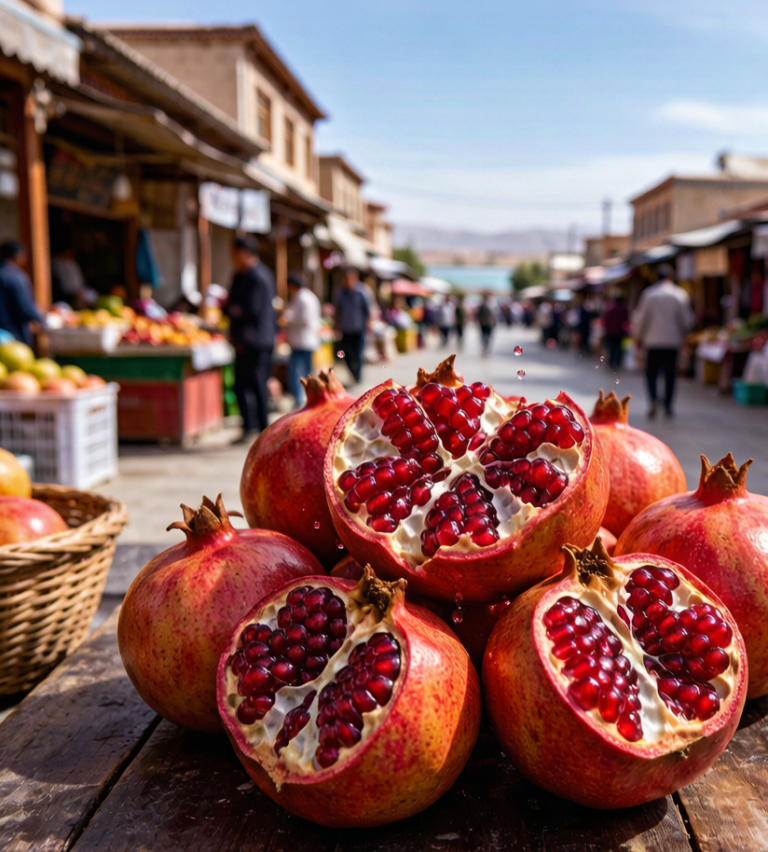
Away from beer, Xinjiang makes genuinely good wine. Turpan, with its thousand-year-old vineyards, produces reds and whites that punch above their price. The grape harvest season is the best time to visit a small winery. In southern towns like Yarkand and Hotan you’ll find mulberry wine (桑葚酒), a sweet, dark fruit wine made from the same white mulberries sold on summer streets. It is low-proof, easy to like, and makes a good souvenir if you can carry glass.
Turpan’s vineyards
The grape valley near Turpan has family-run cellars where a tasting costs almost nothing and a bottle of decent red runs ¥40–80. Buy from the producer, not the airport, and you’ll drink far better for less.
Koumiss and fermented drinks (yes, also boozy)
On the grasslands of Ili and the northern pastures, the traditional drink is koumiss (库木孜 / kumys) — fermented mare’s milk. It is lightly alcoholic (usually 1–3%), sour, fizzy, and an acquired taste. Kazakh and Kyrgyz hosts will offer it in a bowl as a sign of welcome. Try a little; refusing flatly can read as rude, but you are not obliged to finish a full bowl.
Drinking etiquette and the toast
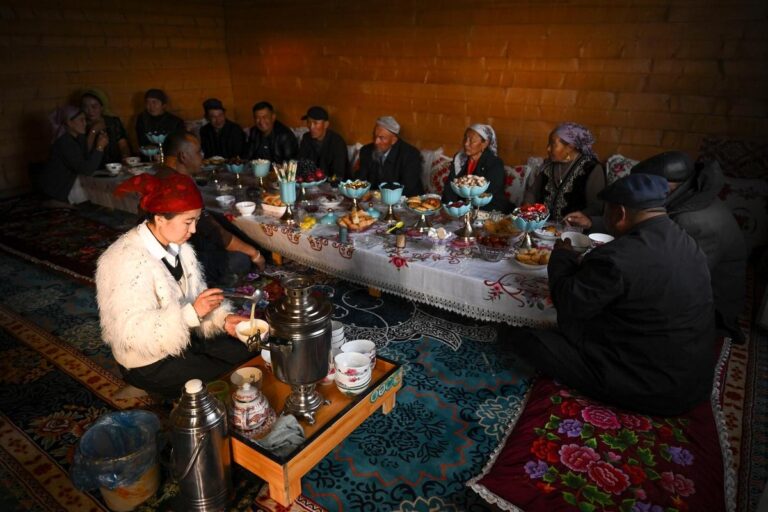
Group drinking follows a rhythm. The host raises the first glass; everyone clinks and drinks. The Uyghur toast is “qakirqan!” (cheers), and among Han friends you’ll hear the universal “gānbēi!” (干杯 — literally “dry the cup”). On the grasslands, Kyrgyz and Kazakh hosts may pour a splash of liquor as an offering before drinking. Match the pace of your hosts, keep eating, and nobody will push you past your limit.
Practical notes: price, ABV, and buying
Convenience stores sell standard Wusu for ¥5–8. Restaurants mark it up; a tourist night-market stall may charge ¥15–25. Supermarkets in Urumqi and larger cities stock the broader range including dark and craft lines. ID checks are rare for beer but can happen in bars, so carry your passport. Public drunkenness is uncommon and frowned upon — Xinjiang is a conservative, family-oriented region, and the local style is steady, not sloppy.
Beer and food pairings: what to order with it
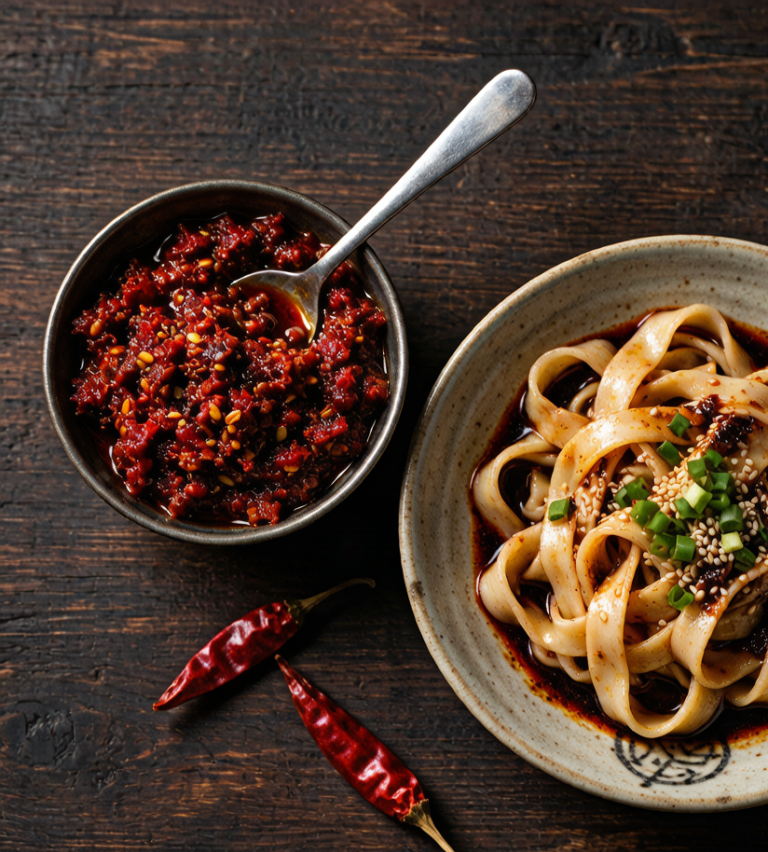
Wusu’s malty body loves grilled meat, which is exactly what Xinjiang does best. The classic move is a cold bottle alongside kawap (lamb skewers) at a night market; the fat cuts the bitterness and the salt makes you drink faster, which is the whole point. Spicy dishes and the region’s hand-pulled noodles also pair well. If you want to look local, order the beer first, let the head settle for a minute, and sip rather than chug, the bottle is bigger than you think and the pace here is steady.
Buying beer to take home
Standard Wusu travels poorly in checked luggage (glass, pressure changes), but canned versions and the smaller “pure raw” lines survive better in a suitcase. For wine, Turpan reds in padded bottles are the safer souvenir and far more interesting to share back home. Urumqi airport duty-free sells local labels if you’d rather not risk the bag. Always wrap glass in clothes or a padded sleeve, declare it if your home customs require it, and keep the receipt.
Timing it right
Spring and early summer
Yes. Beer and wine are sold openly in supermarkets, restaurants, and night markets across the region. A few strictly religious venues and some southern oasis towns may have fewer options, but you will never struggle to find a cold beer in a city.
Summer
Stronger than typical Chinese lagers but not extreme — about 4% ABV in a 620 ml bottle. The reputation comes from the large size and the drinking pace, not the percentage. Treat it with the respect you’d give a normal European beer and you’ll be fine.
Autumn
In Uyghur, “qakirqan” (چاقىرىقان). In Mandarin, “gānbēi” (干杯). On the grasslands, hosts often simply raise the bowl and smile — the gesture matters more than the words.
Winter
In Kashgar’s Old Town and across Urumqi you’ll find rooftop cafés, beer houses, and night-market stalls. The liveliest scenes are the open-air night markets, where beer pairs naturally with grilled meat.
4
Plenty. Xinjiang milk tea, mulberry juice, and sour yogurt drinks are everywhere and pair just as well with the food. You won’t feel left out skipping alcohol.