Xinjiang Manti: Steam, History, and the Dumplings Worth Building a Trip Around
The first time I ordered manti in a Kashgar teahouse I expected a snack. What arrived was a wide, shallow bowl holding three fist-sized parcels, each one glistening with steam, dusted with a little dried chili and a thread of sour cream. I cut into the first and the broth ran out onto the plate. That was the moment I understood why people in this part of the world will travel a full day just to eat dumplings in the right town. Xinjiang’s broader food culture is built on exactly these small, regional obsessions.
What Exactly Is Manti?
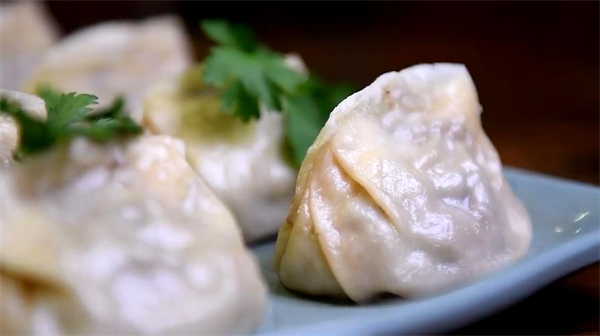
Manti (also spelled manty or mantu) are large steamed dumplings with a thin wheat-dough skin wrapped around a filling of minced lamb or beef, onion, and often a little pumpkin or squash in the colder north. They are not the bite-sized dumplings you might know from elsewhere in Asia. A single Xinjiang manti can be the size of a small fist, and the dough is rolled thin enough that you can see the filling blush through it before cooking. The defining feature is the broth: good manti are juicy enough that cutting one open releases a spoonful of hot, meaty stock.
Where the Word Comes From
The name travels the Silk Road. Linguists trace ‘manti’ back through Turkish, Persian and ultimately a reconstructed Central Asian root for ‘dough parcel’. You will find cousins of it from Turkey (manti, served with yogurt and oil) all the way to China’s northeast (mantou, a plain steamed bun). Xinjiang‘s version sits in the middle of that arc: unmistakably Central Asian, but shaped by the Uyghur, Kazakh, Kyrgyz and Uzbek hands that have folded it for centuries.
How Manti Are Made
The process is simple to describe and hard to do well. Dough is rested, rolled into thin squares or circles, then a spoon of filling is centered and the corners are gathered and pinched. The parcels are stacked in a multi-tier metal steamer called a mantovarka and steamed over boiling water for about 40 minutes. The long steam does two things: it cooks the lamb through and it condenses a pocket of broth inside the skin. Done right, the dumpling is tender but never soggy.
Regional Differences Across Xinjiang
Order manti in three different cities and you will get three different dumplings. Here is the rough map I learned by eating my way across the region.
| Region | Filling | Size & serving |
|---|---|---|
| Kashgar (south) | Lamb + onion, sometimes pumpkin | Large, served 3 per bowl with chili and kaymak (clotted cream) |
| Urumqi (center) | Lamb + onion, lighter broth | Medium, often with a vinegar-garlic dip |
| Ili / Yili (north) | Beef or lamb + pumpkin | Smaller, juicier, Kazakh-style with sour cream |
| Hotan (far south) | Lamb + onion, firmer skin | Large, less broth, more spice |
Where to Eat Manti
You do not need a famous restaurant. The best manti I ate came from a nameless corner spot in Kashgar’s old town where the steamer never stopped. That said, a few reliable patterns help.
| Where | What to expect | Typical price |
|---|---|---|
| Old-town teahouses | Hand-folded, slow, atmospheric | 15-25 yuan per bowl |
| Bazaar food stalls | Fast, big portions, uneven quality | 10-18 yuan per bowl |
| Uyghur family restaurants | Consistent, eat with bread | 20-35 yuan per bowl |
| Kazakh yurts (Ili) | Fresh pumpkin filling, sour cream | 25-40 yuan per bowl |
Reading the Room
A busy steamer is the only review that matters. If locals are queuing and the mantovarka is hissing, sit down. If the steamer is cold at lunchtime, leave. Freshness is everything: manti reheated from the morning are a different, sadder food. Watch how the cook lifts the trays, too. A confident flip of the wrist that keeps the broth inside signals someone who has folded ten thousand dumplings, and that counts for more than any online rating. When in doubt, order what the table next to you is already eating.
How to Order and Eat Them
Order by the bowl (usually three pieces). Most places bring them plain and set down small dishes of chili flakes, vinegar, garlic water, and kaymak or sour cream. Tear off a piece of the flatbreads that anchor every Xinjiang meal to mop the broth. Eat them hot, with your hands if you like, cutting the top open first to let the steam escape and the broth cool a moment.
What to Drink with Manti
Manti are rarely eaten without something to cut the richness. In tea houses the default is a pot of black or milk tea, poured weak and refilled constantly. In the north, especially among Kazakh families, a small bowl of koumiss (fermented mare’s milk) or airan (salty yogurt drink) often sits beside the plate. I found the tea the safer choice on a full stomach, but the koumiss is worth a taste for the cultural experience alone. Some Uyghur households also serve a cold sweet apricot or mulberry syrup mixed with soda as a sharp contrast to the savory filling. Avoid icy soft drinks with a hot, fatty dumpling; the locals are right that warm tea sits better.
Manti at a Family Table vs a Restaurant
The restaurant version is consistent and fast. The home version, if you are lucky enough to be invited, is the real education: dough rolled thinner, filling seasoned by memory rather than a recipe, and the whole meal stretched over hours of talking. If a local invites you for manti, accept. It is one of the cheapest, warmest ways into the region’s hospitality, and you will eat better than in any restaurant.
Can You Make Manti at Home?
Yes, and it is a good travel souvenir skill. The three stages: make a soft dough and rest it an hour; fold a lamb-onion filling with a little grated pumpkin for moisture; steam in a stacked steamer for 40 minutes and resist opening the lid early. The hardest part is the broth, which comes from using fatty lamb shoulder and not overworking the filling.
Questions people keep asking me
Are manti the same as baozi or jiaozi?
No. Baozi are Chinese steamed buns with a thicker, breadier skin and no broth pocket. Jiaozi are small boiled or pan-fried dumplings. Manti are larger, thinner-skinned, Central Asian, and defined by the broth sealed inside.
Are manti halal?
In Xinjiang they are almost always made with halal lamb or beef, prepared according to Islamic custom. If you avoid pork for any reason, you are safe; just confirm the filling is lamb or beef, not a mixed meat.
Is manti very spicy?
Not by default. The dumplings themselves are mild and savory. The heat is optional and comes from the chili flakes and garlic-vinegar dip served on the side, so you control it.
Can vegetarians eat manti in Xinjiang?
It is rare. Most manti contain lamb or beef. A few northern spots offer pumpkin-only versions, but you should ask specifically and expect limited options outside the largest cities.
How many manti make a meal?
Three large pieces with bread and tea is a full meal for one person. If you are very hungry, order a second bowl or add a plate of salad and nan.