Pitimanta: Xinjiang’s Baked Stuffed Naan and the Tandir That Makes It
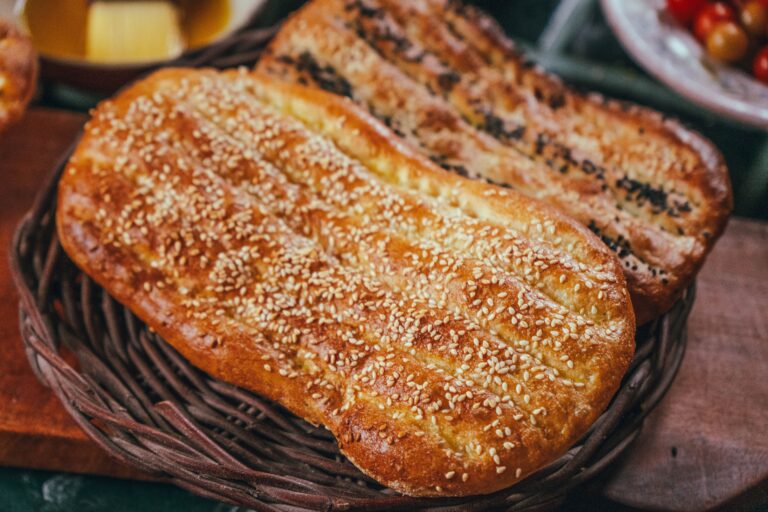
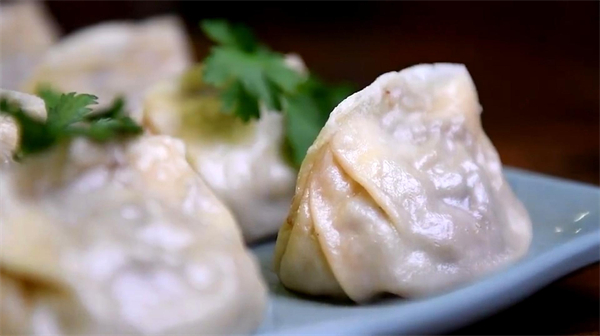
Plain naan is the daily bread of Xinjiang; pitimanta is its indulgent cousin. Take a disc of naan dough, lay in a filling of minced lamb, onion, and spice, fold it, press it flat, and slap it against the wall of the tandir oven — out comes a stuffed, savory flatbread that’s part snack, part meal, and entirely portable. It’s the bread you take on a long drive, because it’s good cold and gone before you reach the next town.
The name varies by dialect (also ‘pijirma’ or ‘pitir’), but the idea is constant: naan with a secret inside.
How It’s Made
A cook rolls the dough thin, spreads the lamb-onion filling (sometimes with a little tomato or pepper), folds the edges over, and rolls it again into a disc. Slapped on the tandir wall, the outside bakes to a crisp, blistered shell while the inside stays soft and the meat steams. Pulled off with the same hook used for naan, it’s best within minutes — the crust crackling, the filling hot.
Where to Find It
Any neighborhood bakery with a tandir sells pitimanta, especially in the morning and early evening when the ovens are hot. Kashgar and Hotan bakeries are reliable; the Urumqi bazaar has specialists too. Point to the stuffed one if your Uyghur isn’t ready — the round, fuller shape gives it away. Buy one per person; they’re filling.
The one thing I order every time
It is the rhythm of it: someone puts a glass in your hand, another arrives, you sit for ten minutes, and suddenly the rest of the day is sorted. In Pitimanta Xinjiangs Baked Stuffed that is the tea, and the reason is not the flavour. Ask for it plain the first time. The sweet version is the one for the market, not for a morning. The short version, with the numbers, is in our [[naan-%e9%a6%95-xinjiangs-essential-flatbread-and-the-oven-that-defines-a-region|Naan (馕): Xinjiang’s Essential Flatbread…]].
The stall, the teahouse and the restaurant
The restaurant is where you take someone you want to impress. The food is the same and the price gap is not small. I eat at the first two most days and take people to the third when they ask for somewhere proper. Everything else is right there.
What you lose at the stall is a seat and some shade. Three kinds of place sell the same dish in Pitimanta Xinjiangs Baked Stuffed, and they are not competing so much as serving different occasions. The street stall is fastest, cheapest and eaten standing up. The teahouse is where you sit an hour and get refilled.
What travels home and what does not
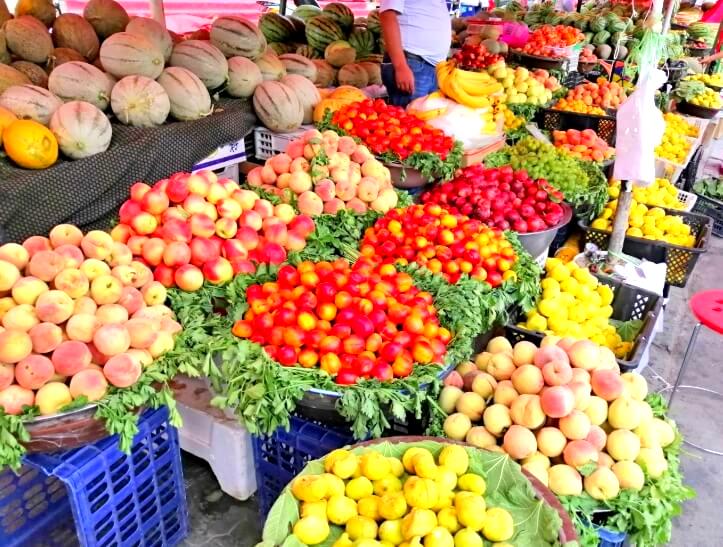
What does not work is anything fried or saucy, which turns in transit, and anything you cannot repeat at home. Nuts, dried grapes, an uncut flatbread and vacuum-packed lamb all survive a long-haul flight. Buy the dried fruit in the market rather than at the airport and ask for it packed at the stall. It is cheaper, the staff wrap it properly, and it spends a week in your bag as the best thing about the trip.
How to order, and what a portion really costs
The number on the board is for one, and one here is enough for a European adult if you share two. Order one less than you think, because the rice arrives in a bowl the size of a small basin and the second helping does not need ordering. Card and phone payment both work everywhere in Pitimanta Xinjiangs Baked Stuffed. Tips are not expected in the small places and are quietly welcome where there is table service, but do not build the visit around it.
Why It Travels
Unlike polo or noodles, pitimanta holds up for hours and needs no utensils — the ideal road food for a self-drive day. Locals buy a stack before a long haul and eat them cold at a scenic pull-off. The filling stays moist, the bread stays chewy, and nothing leaks. It’s the original Xinjiang packed lunch.
Variations
Some bakeries do a vegetable or potato version for non-meat eaters; a few add pumpkin or herb. The lamb-onion standard is the one to try first. Eat it with tea (salty milk tea in the north, sweet in the south) and you have a complete, cheap, satisfying meal that explains why the tandir is the heart of every Xinjiang kitchen.