Taxkorgan (Tashkurgan) County: A Traveler’s Guide to Xinjiang’s Pamir Frontier
Taxkorgan Xinjiang: A Traveler’s Guide to the Pamir Frontier County
Taxkorgan Xinjiang is the Pamir-frontier county of Kashgar prefecture, where the Karakoram and Pamir ranges meet.
This guide is compiled from public tourism sources, border-permit regulations, and traveler reports. The author has not personally crossed every checkpoint described. Travelers report that the road from Kashgar to the Pakistani and Tajik borders passes through some of the most remote high-altitude terrain in China, and official sources state that a border permit remains mandatory for foreign nationals and most domestic visitors entering the restricted zone. The following information is presented for planning purposes and should be confirmed with local authorities before travel.
1. Hook: Why the Pamir Frontier Draws Researchers and Travelers
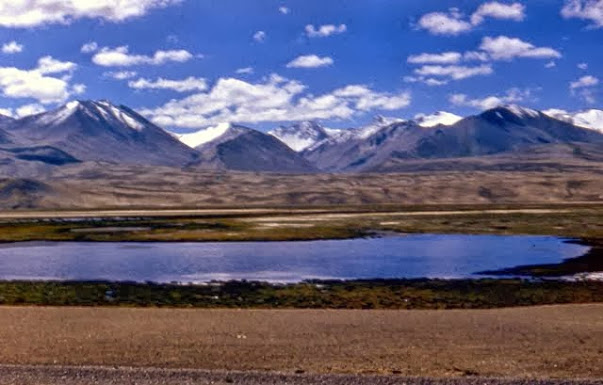
The western edge of the Tarim Basin rises abruptly into the Pamir plateau, a region often called the Roof of the World. Taxkorgan sits at roughly 3,090 meters above sea level and serves as the administrative seat of Taxkorgan Tajik Autonomous County. Official sources state that the county covers a vast area of glaciers, passes, and pastoral valleys bordering Tajikistan, Afghanistan, and Pakistan. Travelers report that the draw is not a single monument but the combination of a living Tajik culture, snow peaks such as Muztagh Ata, and the historical Karakoram route that once linked Central Asia to the Silk Road.
What makes this corner of Xinjiang distinctive is its remoteness. Public transport thins out, mobile coverage becomes unreliable, and the air pressure drops well below what most lowland visitors expect. For that reason, this article treats the region as a logistics puzzle first and a sightseeing list second.
2. Overview & Key Facts: Taxkorgan Xinjiang
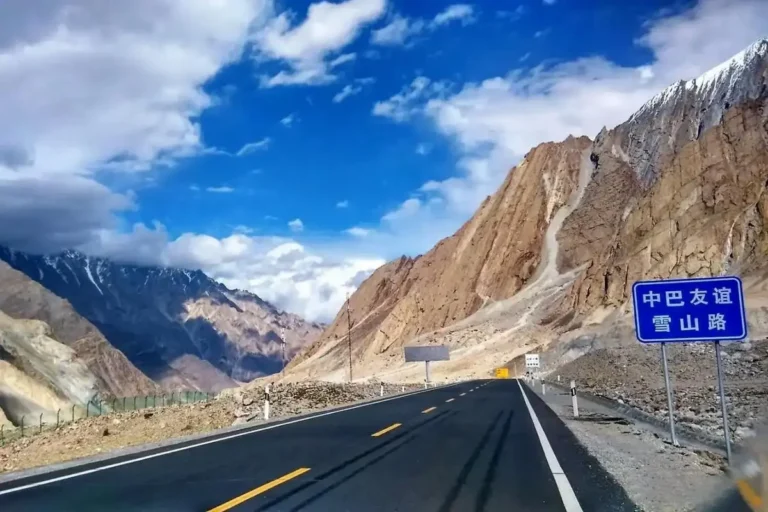
Taxkorgan Xinjiang is the short form many travel planners use when searching for the county also spelled Tashkurgan. The two spellings refer to the same place: a Uygur and Tajik name transliteration that appears on permits, maps, and hotel signage in different forms. Official sources state that the county is part of Kashi (Kashgar) Prefecture and lies along the China-Pakistan Friendship Highway, also known as the Karakoram Highway (KKH).
Key facts compiled from public sources include the following points. The county town is commonly called Taxkorgan Town or Tashkurgan Town. The population is small and ethnically mixed, with Tajik (Sarikoli and Wakhi speakers) and Uygur communities predominant. The economy relies on pastoralism, border trade, and a growing tourism sector centered on Stone City, the Karakul Lake corridor, and the Khunjerab crossing.
The table below clarifies the naming travelers encounter most often.
| Term on signage / documents | What it means | Used for |
|---|---|---|
| Taxkorgan (Taxkorgan Xinjiang) | Standard pinyin spelling of the county | Official documents, permits, search queries |
| Tashkurgan / Tashkurgan county | Common alternate romanization | Travel blogs, older maps, hotel names |
| Taxkorgan Town / Tashkurgan Town | The county seat where hotels and the PSB office sit | Navigation, accommodation booking |
| Pamir / Taxkorgan Pamir | Descriptive reference to the plateau region | Marketing, tour itineraries |
3. Getting There
The main gateway is Kashgar, about 290 kilometers east of Taxkorgan Town by the G314 highway. Travelers report that the Tashkurgan Town route is almost always done as a two-day drive because of the altitude gain and the permit checks near the Opal checkpoint. Official sources state that private cars, chartered vans, and long-distance buses all use the same G314 corridor through Gez, the Karakul Lake area, and the Bulunkou pass.
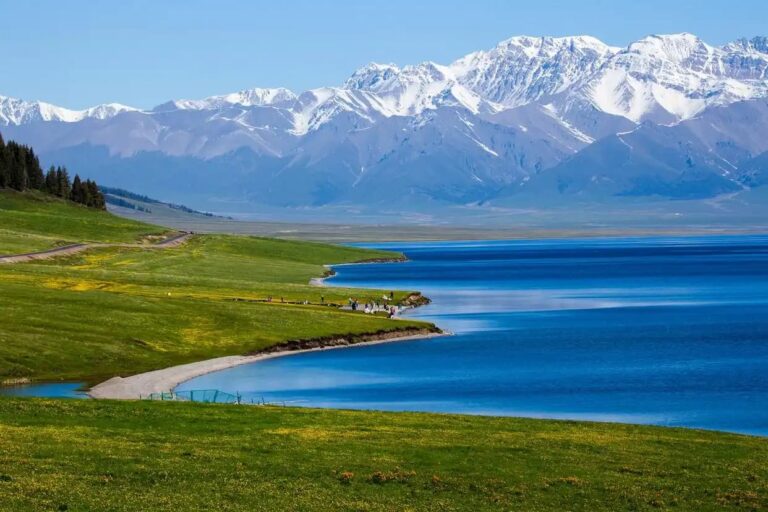
For the Kashgar to Tashkurgan journey, most visitors book a private driver or join a small group tour. Public buses exist but run on limited schedules and do not stop for photography as freely as a charter. The road itself climbs past the White Sand Lake and the Karakul Lake before reaching the county town. Travelers report that snow can close high passes in winter, so the G314 is most reliable from late April through October.
Reaching the Khunjerab Pass toward Pakistan requires additional paperwork and is generally handled through tour operators, not independent travel. This article does not describe personal crossings; official sources state that the land border procedures change frequently and should be verified at the time of booking.

4. Tickets & Costs
Prices below reflect figures travelers reported and official sources published for 2024 and 2025. Always reconfirm at the gate, because plateau attractions in Xinjiang have adjusted fees in recent years.
| Item | Reported cost | Notes (year) |
|---|---|---|
| Border permit (边境管理区通行证) | Free but required | Must be obtained in Kashgar; 2024-2025 |
| Stone City (石头城) entry | ~30 RMB | Combined ticket sometimes sold with grassland, 2025 |
| Karakul Lake entry | ~50 RMB as of 2025 | Some tours include it; check locally |
| Khunjerab Port scenic area | ~75 RMB reported | Seasonal; verify before going |
| Private chartered car, Kashgar round trip | ~1,500-2,500 RMB for 2-3 days | Driver, fuel, and stops included |
The single most overlooked cost is time. Travelers report that the Kashgar to Tashkurgan drive eats a full day each way, so a realistic budget includes at least two nights of accommodation and meals. A detailed Xinjiang Border Pass Guide explains where the free permit is issued and what documents are needed.
5. Best Time to Visit
Official tourism notices and traveler reports agree that the plateau has a short comfortable season. Late May through early October is the window when roads are clear and guesthouses are open. July and August bring the warmest days, with daytime highs that can reach the low twenties Celsius in the county town, though nights stay cold.
Spring (April to May) offers blooming apricot orchards in nearby valleys but carries a higher chance of closed passes from late snow. Autumn (September to October) is favored by photographers for clear air and golden poplar stands. Winter travel is possible only for well-prepared visitors; several hotels close and the Karakul Lake road can be icy.
For those sensitive to elevation, the warmer months also allow a slower ascent, which helps with the adjustment discussed later in the practical tips.
6. Day-by-Day Itinerary
The schedule below is a research-based template used by many tour operators for a two-day Kashgar to Tashkurgan drive. Times are approximate and depend on permit checks and weather.
| Day | Time | Activity | Notes |
|---|---|---|---|
| Day 1 | 08:00 | Depart Kashgar, collect border permit if not done earlier | Fill fuel and water in Kashgar |
| Day 1 | 10:30 | Opal checkpoint, permit inspection | Slow, bring ID copies |
| Day 1 | 13:00 | White Sand Lake photo stop | High altitude, walk slowly |
| Day 1 | 15:00 | Karakul Lake & Muztagh Ata viewpoint | See Karakul Lake & Muztagh Ata |
| Day 1 | 18:30 | Arrive Taxkorgan Town, check in | Rest, hydrate for altitude |
| Day 2 | 09:00 | Stone City and grassland ruins | ~30 RMB entry reported |
| Day 2 | 11:30 | Taxkorgan Pamir museum or local market | Confirm opening hours |
| Day 2 | 14:00 | Drive back toward Kashgar via Bulunkou | Allow 6-7 hours |
Travelers report that adding a third day improves comfort because it lets the body adjust before the return climb. Some itineraries extend to the Khunjerab Pass, but that requires extra permits and a longer window.

7. Where to Stay
Accommodation in the county town clusters around the main road and the PSB office. Travelers report a range from basic guesthouses to a few mid-range hotels that meet international booking standards. Official sources state that during the peak summer months rooms fill quickly, so advance booking is advised.
Budget options typically cost 120 to 250 RMB per night for a standard room, while newer hotels near the town center run 300 to 600 RMB. Heating matters more than luxury at this elevation; travelers report that well-sealed windows and working radiators make the cold nights manageable. For those continuing to Tashkurgan heritage sites, staying in town is the only practical base because outlying areas have little lodging.
8. What & Where to Eat Nearby
The food scene in Taxkorgan Xinjiang reflects its Tajik and Uygur heritage. Travelers report that the most common meals are hand-pulled noodles (laghman), manty (steamed dumplings), and hearty lamb soups that help with the cold. Dairy products such as suutei tsai (salty milk tea) appear at guesthouses and small eateries.
Where to eat nearby: the county town has a handful of noodle shops and halal restaurants along the main street, plus a market where dried fruit and flatbread are sold. Travelers report that options thin out dramatically outside the town, so stocking water and snacks for the drive is wise. Vegetarian choices are limited but not impossible; rice dishes with vegetables appear on most menus.
For a practical note, the altitude can suppress appetite. Official sources and travelers both suggest eating lightly but often, and avoiding heavy alcohol on the first night.

9. Practical Tips
The two issues every planner must handle are the border permit and the altitude. Official sources state that the border permit (边境管理区通行证) is free but mandatory for the restricted zone that includes Taxkorgan. It is usually issued in Kashgar with an ID card or passport and a passport photo; some travelers report that tour operators arrange it on behalf of clients. The the Xinjiang Border Pass Guide on this site walks through the current steps.
Altitude is the second concern. The county town sits near 3,090 meters, and the Karakul Lake stop is higher. The altitude sickness guidance guide explains symptoms and prevention in detail. Travelers report that common sense helps most: ascend gradually, drink water, sleep low if possible, and avoid strenuous walking on arrival day.
Other tips from public reports: carry cash because card terminals fail in remote stretches; download offline maps before leaving Kashgar; pack layers even in summer; and keep permit and ID accessible because checks repeat along the G314.
10. Original FAQ
Do I need a special permit to visit Taxkorgan Xinjiang?
Official sources state that yes, the border permit is required for the restricted county. It is free and issued in Kashgar with identification.
How long is the Kashgar to Tashkurgan drive?
Travelers report roughly six to seven hours one way without long stops, which is why most itineraries spread it over two days.
Is the Karakul Lake entry fee separate from a tour?
Reported 2025 pricing puts Karakul Lake entry at about 50 RMB, and some charters include it while others ask you to pay at the gate.
What altitude is Taxkorgan Town and will I feel it?
The town is near 3,090 meters. Travelers report mild breathlessness on arrival for those coming straight from lowland Kashgar, which sits much lower.
Can I cross to Pakistan from here independently?
Official sources state the Khunjerab crossing involves border procedures that change often; most visitors use licensed operators rather than independent crossing.
When do hotels and the Karakul road close?
Travelers report that many guesthouses reduce winter operations, and snow can limit the high road from roughly November to March.
Is the county safe for foreign visitors?
Public travel reports describe routine tourism with permit checks; the main practical risks are altitude and weather rather than security, though conditions should be confirmed before any trip.