
Tipping in Xinjiang: What Locals Expect and What Confuses Visitors
On my first night in Kashgar I tried to tip a waiter who had tolerated my terrible Uyghur and refilled my tea four times. He looked at the note, looked at me, and pushed it back like I had insulted him. It took a local friend to explain: in Xinjiang, as across China, tipping is simply not part of the deal. Leaving money on the table reads as confusion, not generosity. If you are coming from North America or Europe, unlearning the tip reflex is one of the small adjustments that makes you travel smoother here — and occasionally a tip is welcome, if you know the few exceptions.
The Short Answer: No, Tipping Isn’t Expected
Wages in Xinjiang hospitality are built on a salary, not on tips, and menus already include the full price of the meal. A waiter, a taxi driver, or a hotel receptionist is not calculating their nightly income around your leftover change. Leaving a tip is not rude, but it is unusual enough to cause a moment of awkwardness — the staff may chase you down to return it, worried they mischarged you. The calmest move is to pay the exact bill and say thank you.
Where Tipping Is (Sometimes) Done
There are a handful of situations where a small gesture is understood, usually tied to tourists rather than locals. Use this as a rough map:
| Situation | Expected? | What works |
|---|---|---|
| Restaurant / teahouse | No | Pay exactly; a thank-you is enough |
| Taxi / shared car | No | Round up a yuan or two only if you insist |
| Hotel housekeeping | No | Not expected; leave nothing |
| Private tour guide / driver | Soft yes | ¥50–100/day if happy; not required |
| Desert / Pamir homestay host | Soft yes | A small gift or ¥20–50 appreciated |
| Free walking-tour leader | Yes | ¥20–50 per person if offered |
The pattern is simple: fixed-price, local-staffed services do not want tips; personalized, tourist-facing services appreciate them but rarely expect them.
Restaurants and Teahouses
In a halal dining setting the etiquette is warm but not tip-based. What locals actually appreciate is manners: let the eldest sit first, accept tea when offered, and do not waste food. If you loved the meal, say so to the owner on the way out — that lands harder than a banknote. At a chaykhana (teahouse), the same rule applies: pay your bill, maybe buy the next round for your own table, and leave.
Why the Waiter Returned My Money
Because tips are so rare, an unreturned note looks like a mistake the staff might get blamed for. Returning it protects both of you. Once I understood this, I stopped leaving cash and started leaving a good review or a few words of thanks, which the owner could actually use.
Taxis and Shared Cars
Urumqi taxis run on the meter; pay the meter. Shared cars between towns charge a fixed per-seat price agreed up front — there is no tip and no bargaining after you are parked. If a driver hauls your bag or waits past the pickup time, rounding up one or two yuan is a friendly gesture, but pressing a larger tip makes both of you uncomfortable. Keep small bills; drivers often cannot break a ¥100.
Hotels and Guesthouses
At city hotels, nothing. At a family Kashgar guesthouse or a yurt stay, the host is providing both a room and a cultural exchange; a small tip of ¥20–50 or a practical gift (fruit, cigarettes for an older host, stationery for kids) is received more naturally than cash. The gift route avoids the “is this a mistake?” reflex entirely.
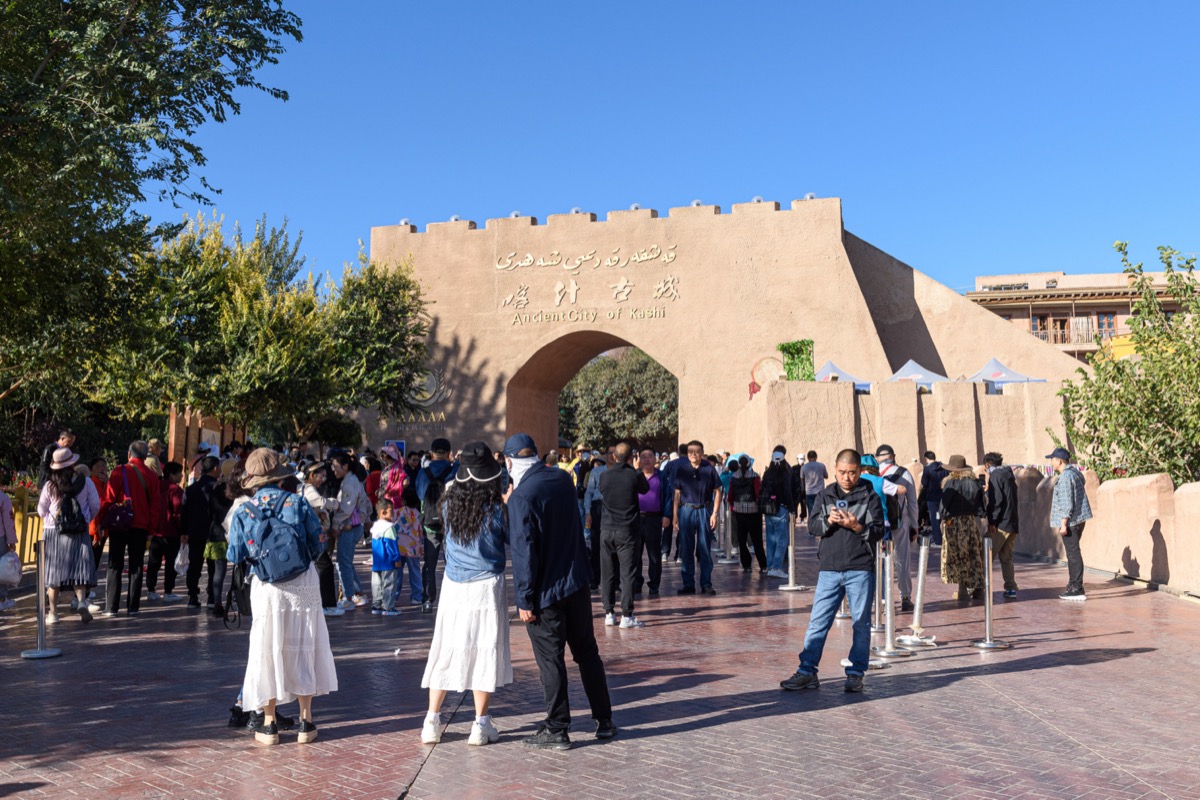
Tour Guides and Drivers
This is the one place a tip is genuinely welcome. A private guide or driver who spends a full day with you, especially on the Pamir or a multi-day loop, is used to modest tips from foreign travelers. ¥50–100 per day for a guide you were happy with is reasonable and never expected. Hand it over quietly at the end with a thank-you; public tipping in front of others is less comfortable in this culture.
A Story From Kashgar
A friend who runs a guesthouse in the old town told me her worst moment was a guest who left ¥200 on the pillow. She spent ten minutes worrying she had overcharged before realizing it was a tip. The guest meant well; the gesture just did not fit. She would have preferred the guest joining her family for the evening nan and teaching her kid a word of English. In Xinjiang, time and respect outrank money almost every time.
Reading the Room
The fastest rule of thumb: if a price was agreed or posted and the service was routine, no tip. If someone went out of their way for you personally — waited in the cold, translated a problem, rearranged their day — a small, private thank-you in cash or kind is appropriate. Travelers who follow that single line rarely put a foot wrong, and they avoid the awkward chase scene I caused on night one in Kashgar.
What to Do Instead of Tipping
If you want to show appreciation without the awkwardness, these land better than cash:
- Learn three phrases and use them — a greeting, a thank-you, a compliment on the food.
- Leave a short positive note or an online review naming the place and the staff.
- Accept tea and food offered to you; refusing is the bigger slight.
- Bring a small, practical gift if you stay with a family.
- Pay exactly and without fuss; haggling over a few yuan at a small shop stings more than no tip.
Small questions, honest answers
Should I tip at restaurants in Xinjiang?
No. Menus are full-price and staff are salaried. Pay the exact bill and thank the team. If you want to show you enjoyed it, say so to the owner or leave a review — that is what carries weight.
Is it rude NOT to tip a tour guide?
Not rude, but a small tip is appreciated if the guide did a good job. It is never required, and a quiet ¥50–100 at the end of a day is plenty. Hand it over in private rather than in front of the group.
Can I tip a taxi driver?
You can round up a yuan or two if you insist, but it is unnecessary and sometimes declined. Pay the meter or the agreed shared-car fare exactly and keep small change handy.
What gift is appropriate for a homestay host?
Something practical and shareable: a bag of fruit, a pack of good tea, or simple stationery for the children. Avoid alcohol if the family is observant, and avoid overly expensive gifts that create obligation.
Will leaving a tip offend anyone?
Rarely offend, but it can confuse. The main risk is the staff returning it because they assume a billing error — so a tip often creates a small chase rather than a thank-you. A few words of genuine thanks avoid the whole loop.
Do foreign tourists ever tip successfully?
Yes, at the obvious tourist-facing services: private guides, homestay hosts, and free walking-tour leaders. There the gesture fits and is welcome. The mismatch is only at salaried local venues like restaurants and taxis, where it simply is not part of the culture.