
Cultural Taboos in Xinjiang: What Not to Do as a Visitor
Most of my worst moments in Xinjiang came from not knowing, not from malice. I once propped my feet on a low table while waiting for tea and didn’t notice the wince. Another time I pointed my camera at a quiet shrine and got a firm wave-off. None of it was catastrophic, but each was a small tear in the trust between guest and place. This guide collects the don’ts I’ve learned — the cultural taboos worth knowing before you go, so your mistakes are fewer and smaller than mine.
It pairs naturally with our 30 things to know before you go and the money and bargaining overview.
Body and Space Taboos
Don’t point the soles of your feet at people or at a mihrab/shrine. Don’t step on thresholds. Don’t touch someone’s head (especially a child’s) without permission. Don’t use the left hand for eating, handing things, or greeting. These aren’t superstitions to mock — they’re the grammar of respect here.
Food and Drink Don’ts
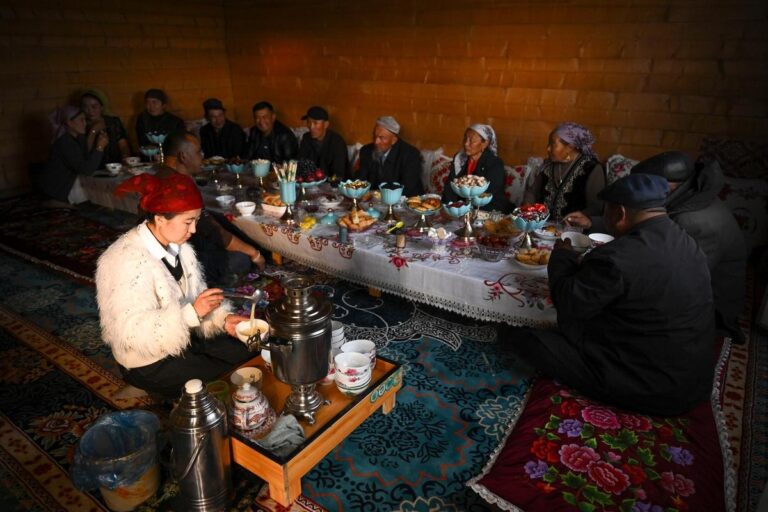
Don’t waste bread or drop it on the ground — pick it up, kiss it, and set it aside if you must. Don’t bring pork or alcohol into a Muslim home or conservative setting. Don’t eat or drink conspicuously in public during Ramadan daylight. Don’t refuse food repeatedly when a host insists — taste, compliment, and move on.
Photography and Privacy
Don’t photograph people at prayer, at funerals, or without consent. Don’t fly drones over villages or near sensitive sites (see our drone rules). Don’t sneak shots after someone declines. The camera is not a passport to ignore people.
| Don’t | Why | Do instead |
|---|---|---|
| Step on thresholds | Disrespects the home | Step over |
| Use left hand for food | Considered unclean | Use right hand |
| Photograph prayers | Sacred moment | Ask, usually wait |
| Waste bread | Deeply valued | Finish or set aside kindly |
| Debate religion/politics | Hostile topic | Keep talk warm, light |
Conversation Taboos
Don’t probe into politics, ethnic tension, or personal income. Don’t debate religion. Don’t compare groups negatively. These topics can turn a warm host cold in seconds. Curiosity about crafts, food, and festivals is always safe and welcome.
Religious Site Don’ts
At mosques and mausoleums, don’t enter the prayer hall with shoes, don’t dress immodestly, don’t photograph worshippers, and don’t visit during congregational prayers. The Abakh Khoja Mausoleum and similar sites are working holy places, not backdrops.
The Deeper Logic of Taboo
Taboos aren’t random rules; they’re compressed respect. The left-hand rule traces to ancient cleanliness codes; the threshold reverence to the home as sanctuary; the prayer-privacy rule to the sacredness of worship. When you understand the why, the don’t becomes intuitive rather than a checklist. I stopped feeling policed once I saw each taboo as a local saying, wordlessly, “this matters to us.”
Feet, Shoes, and the Body
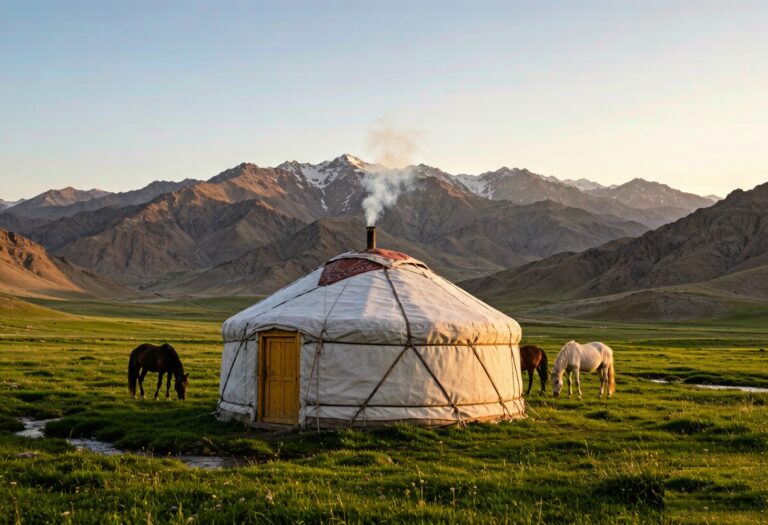
Feet are the low part of the body and, symbolically, the low part of social space. Pointing soles at people, at a shrine’s mihrab, or at the shanyrak roof wheel is a quiet insult. Shoes stay off carpets and out of yurts’ inner space. Touching someone’s head — especially a child’s — without permission is another easy slip; the head is the highest, most respected part. Keep hands to your own body and your feet tucked, and you clear most physical-taboo risk.
Food Taboos Worth Memorizing
Beyond not wasting bread, note these: don’t bring pork or alcohol into a Muslim home or conservative setting; don’t eat or drink conspicuously in public during Ramadan daylight; don’t refuse food repeatedly when a host insists (taste, compliment, move on). The money and bargaining overview complements this with market manners.
| Taboo | Better behavior |
|---|---|
| Pointing soles at people | Tuck legs, sit cross-legged |
| Stepping on threshold | Step over cleanly |
| Wasting bread | Finish or set aside kindly |
| Photographing prayer | Ask; usually wait |
| Debating religion | Keep talk light |
Photo and Privacy Taboos
The camera is where tourists most often err. Don’t photograph people at prayer, at funerals, or after they’ve declined. Don’t fly drones over villages or near sensitive sites — our drone rules guide details the legal no-fly zones, but the etiquette rule is simpler: if a human is the subject, consent first. A lens is not a license.
What to Do When You Slip
Everyone breaches something. The recovery is what counts: a sincere “Kechürüng” (sorry), a willingness to be corrected, and not repeating it. Locals are accustomed to learners and generally forgiving of obvious good intent. The traveler who laughs at their own mistake and adjusts is remembered fondly; the one who argues the rule is the one remembered unkindly.
Taboos Are Teachable, Not Terminal
The fear that traps many travelers is the fear of offending. Relax: Xinjiang‘s taboo system is forgiving of learners. Locals read intent quickly, and a visible effort to respect — even if fumbled — is met with patience, often affection. The traveler who asks “Is this okay?” with a gesture is never in trouble. The only true taboo is arrogance: acting as if local custom doesn’t apply to you. Curiosity plus humility clears nearly every mistake.
A Short Pre-Trip Mental List
Before any village or shrine visit, run a quick check: shoes off where others do, right hand only for food and greeting, soles tucked, camera asked-for, politics and religion off the table, alcohol and pork left behind. That five-second list prevents ninety percent of missteps. The rest you’ll learn on the ground, and the learning itself is part of the trip. Our 30 things to know expands this into a fuller primer.
The Taboo Tourists Rarely Hear About
One taboo that surprises visitors is around the mazars and shrines: don’t walk in front of someone at prayer there, don’t sit on the shrine structure, and don’t let children climb on it. These sites are active places of devotion, not ruins. I’ve seen a careless lean on a mazar wall draw quiet disapproval; a moment of awareness avoids it. Treat every shrine as a church, not a checkpoint, and you’ll move through the sacred landscape without friction.
Turning Taboos Into Bridges
Here’s the paradox: knowing the taboos makes you a better guest, and being a better guest earns invitations the careless traveler never gets. The same respect that keeps you from pointing soles at someone also opens a yurt door. I’ve been pulled into family meals precisely because I’d shown I understood the unspoken rules — proof that etiquette isn’t restriction but access. Our Old Town guide shows the living culture behind these norms.
Common traps at this stop
The trap here: Single biggest mistake tourists make
Treating people and sacred spaces as photo opportunities rather than living contexts. Ask, wait, respect.
Where people slip: Taboo to talk about ethnicity at all
You can notice and appreciate culture kindly; just avoid loaded debate or ranking groups. Curiosity without judgment is fine.
The usual error: If i commit a taboo by accident
A sincere “Kechürüng” (sorry) goes far. Locals are used to learners and generally forgiving of obvious good intent.
Easy to get this wrong: Taboos the same for all groups
Core ones (feet, left hand, prayer privacy) are shared; specifics vary. When unsure, mirror locals and ask quietly.
The trap here: Applying in big cities too
Cities are more relaxed socially, but religious sites and rural visits follow the same rules. Keep the basics everywhere.