Altitude Sickness on the Pamir Plateau: What to Know Before You Go
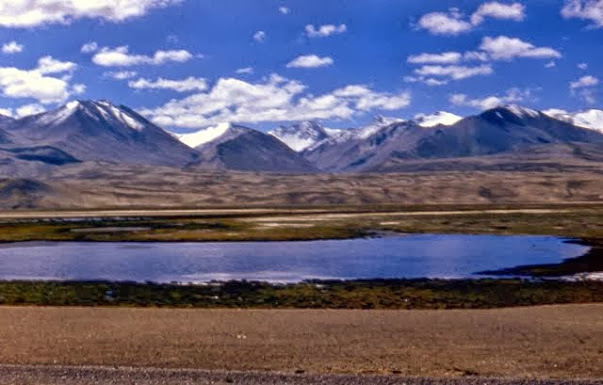
The Pamir Plateau — the ‘roof of the world’ — is the most beautiful and the most physically demanding part of a Xinjiang trip. Tashkurgan sits at about 3,100 m, Karakul Lake at 3,600 m, and the Khunjerab Pass at roughly 4,700 m. At those heights, altitude sickness (acute mountain sickness, AMS) is common, and ignoring it is the fastest way to ruin a Pamir visit. This is a practical health guide, not medical advice — but it covers what most travelers wish they’d known.
Why It Happens Here
Thin air means less oxygen per breath. Most people feel something above 2,500 m; the Pamir starts there and keeps climbing. The risk is higher if you fly into Kashgar (1,300 m) and drive up within a day or two, giving your body no time to adapt. The plateau’s dry, cold air also dehydrates you faster, which worsens symptoms.
Symptoms
Mild (common): headache, shortness of breath on exertion, disturbed sleep, mild nausea, loss of appetite. These are normal adjustments, not danger signs by themselves.
Warning signs (descend now): severe headache unrelieved by painkillers, vomiting, loss of coordination, confusion, breathlessness at rest. These suggest moderate-to-severe AMS or HAPE/HACE and need immediate descent and medical help.
The stall, the teahouse and the restaurant
Everything else is right there. What you lose at the stall is a seat and some shade. The street stall is fastest, cheapest and eaten standing up. Three kinds of place sell the same dish in Altitude Sickness On The, and they are not competing so much as serving different occasions.
The teahouse is where you sit an hour and get refilled. The restaurant is where you take someone you want to impress. The food is the same and the price gap is not small. I eat at the first two most days and take people to the third when they ask for somewhere proper.
The evening version of that plan is in our [[altitude-sickness-pamir-plateau-xinjiang-guide|Pamir Acclimatization Plan: A Day-by-Day…]].
Three words that change the order
In Altitude Sickness On The that single gesture has never once got me the wrong dish, and it saves you ordering a second plate you did not want. What you need is the phrase for not spicy, the hand signal for a smaller portion, and the knowledge that one word covers what locals drink in winter, which is salt and butter, and what visitors get, which is sweet. Point at what the next table has. You do not need Uyghur. More on the other end of that day is in our [[xinjiang-altitude-sickness-pamir-guide|Altitude and Health on the Pamir Plateau:…]].
The one thing I order every time
The sweet version is the one for the market, not for a morning. In Altitude Sickness On The that is the tea, and the reason is not the flavour. It is the rhythm of it: someone puts a glass in your hand, another arrives, you sit for ten minutes, and suddenly the rest of the day is sorted. Ask for it plain the first time. I wrote the driving side up in our [[xinjiang-altitude-sickness-pamir-tianshan-health-guide|Xinjiang Altitude Sickness: How to Stay…]] as well.
Prevention
Ascend gradually. Spend a night in Kashgar, then Tashkurgan, before the high passes. Don’t leap to Khunjerab and back in one go.
Hydrate. Drink more water than feels necessary; the dry air hides dehydration.
Go easy. Skip alcohol and heavy meals on the first plateau nights; rest rather than hike hard.
Medication. Acetazolamide (Diamox) helps some people prevent AMS — discuss with a doctor before travel. Carry it if prone.
Sleep low. Base in Tashkurgan (lower than the lake and pass), not at the high viewpoints.
What to Do If You Feel Bad
For mild symptoms: rest, hydrate, descend a little if you can. For warning signs: descend immediately — even a few hundred meters helps — and seek medical care in Tashkurgan or Kashgar. Do not push on to Khunjerab if you are unwell; the pass is the highest point and the worst place to be sick.
Most travelers adapt fine with a slow approach and common sense. The Pamir is worth the caution: take the altitude seriously, and the plateau gives you some of the most spectacular driving and photography in Asia. For health and logistics on the high routes, the plateau sections of our Xinjiang Travel Guide lay out the acclimatization plan so the only thing taking your breath away is the view.