Korla (Kurla): The Pear City Gateway Between the Tianshan and the Taklamakan
A practical Korla travel guide needs to start with a simple truth: Korla is the transport and logistics hinge of southern Xinjiang, the place where the green belt of the Tianshan meets the edge of the Taklamakan Desert. This guide is built from official tourism listings, operator schedules, and traveler reports rather than a single personal trip, and it aims to give you realistic, checkable information before you book.
Why This Korla Travel Guide Is Research-Based, and Where Its Limits Are
This Korla travel guide is compiled from official sources, operator information, and traveler reports, and is not the author’s personal visit. What follows instead is a synthesis of published data: airport and railway timetables, county-level scenic area notices, and accounts shared by independent travelers who posted their routes and costs online.
The limits are real. Prices and opening hours in Xinjiang shift with season, with local policy, and with the operating companies that run each scenic area. Official sources state that Bosten Lake and Tiemenguan are managed by separate entities, so their ticketing and shuttle rules are handled independently. Operators list package tours and car-hire rates that change year to year. Travelers report that what was true in one season was adjusted in the next. Where a figure appears here, treat it as a planning estimate and confirm locally before travel.
It is the administrative seat of Bayingolin Mongol Autonomous Prefecture and a major oil and gas hub, which shapes its hotels and pace. That character shapes everything: hotels fill with business travelers, the airport connects to many cities, and the tourist sights sit at the edge of an industrial, multi-ethnic city rather than inside a historic old town. Knowing that up front prevents disappointment.
Overview and Key Facts About Korla
Korla sits on the north bank of the Konqi River, at the southern foot of the Tianshan Mountains, where the irrigated Tarim River basin gives way to desert. It is the capital of Bayingolin Mongol Autonomous Prefecture, the largest prefecture in China by area. Official sources state the prefecture covers a vast territory that includes desert, mountain, grassland, and lake systems.
The city is famous for the Korla pear, a fragrant, juicy pear with protected geographical status that gives the city its nickname, the Pear City. Travelers report that the pears are sold in late summer and autumn at roadside stalls and markets, and that they are noticeably different from the hard pears common in northern China. The pear is more than a symbol: it is part of the local identity and a seasonal reason to time a visit.
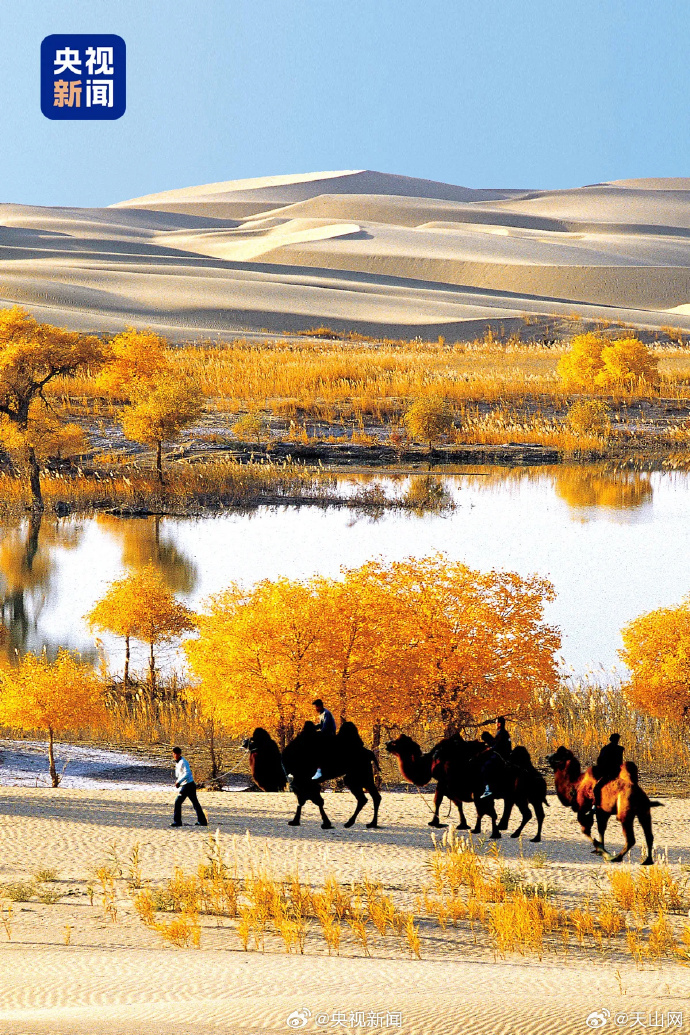
Korla’s role as a gateway is geographic and infrastructural. To the north rise the Tianshan; to the south opens the Taklamakan, the largest shifting-sand desert in China. The city is the northern anchor of the Taklamakan Desert Highway, the road that runs south to Minfeng and connects the Tarim basin’s rim towns. It is also the rail and road junction for travelers moving between Urumqi, Kuqa, Aksu, and the southern route toward Ruoqiang and the青海 corridor.

Ethnically, Bayingolin is mixed. Official census and prefecture materials describe a population that includes Han, Uyghur, Mongol, and Hui communities, among others. That mix shows in the food, the signage, and the festivals. A visitor who expects a single homogeneous culture will miss what makes the place interesting.
The following table compares Korla with two common alternatives as a travel base in this part of Xinjiang.
| Factor | Korla | Urumqi | Kuqa |
|---|---|---|---|
| Regional role | Prefecture seat, oil hub, southern gateway | Regional capital, air and rail hub | Historic town on the southern Silk Road |
| Best as a base for | Bosten Lake, Tiemenguan, desert highway start | Northern Tianshan, Turpan, overall logistics | Kizil caves, Kuqa old town, western Tarim |
| Transport depth | Airport plus rail plus highway junction | Largest airport and main rail hub | Rail and road, fewer direct flights |
| Tourist old town feel | Low, modern industrial city | Mixed, larger bazaar districts | Higher, more Silk Road heritage |
| Peak-season hotel pressure | Moderate, business demand | High, regional demand | Moderate, growing tourism |
Getting There: Flights, Trains and Roads into Korla
Korla has its own airport, Korla Licheng Airport, with scheduled flights to and from Urumqi and several other cities in the region and inland China. Published schedules indicate daily services to Urumqi, with seasonal additions to cities such as Chengdu and Xi’an depending on the year. Travelers report that flights are the fastest way in if you are coming from outside Xinjiang, but that frequency and routes change, so check the current timetable when planning.
By rail, Korla is on the southern Xinjiang railway and connected by the Golmud to Korla railway, which opened a direct line toward Qinghai and the Tibetan plateau corridor. Operators list multiple train services daily between Urumqi and Korla, with journey times that vary by train type. Travelers report that the train is comfortable and scenic in sections, passing from the Tianshan foothills into the basin. For a full picture of getting around the region, see our transportation in Xinjiang guide.
| Mode | From Urumqi roughly | Notes from reports | Best for |
|---|---|---|---|
| Flight | 1 hour, several daily | Fastest, price varies by season | Travelers short on time |
| High-speed or regular train | Several hours, multiple daily | Comfortable, scenic sections | Relaxed land travelers |
| Long-distance bus or car | A half day by road | Flexible, allows side stops | Those chaining Tarim towns |
Tickets and Costs Around Korla
As a planning estimate detailed in our Xinjiang travel budget guide, scenic area entry around Korla tends to fall in a modest range: think roughly 40 to 80 RMB per major site as of 2025, with boat or shuttle supplements on top, and confirm locally before travel. City transport, meals, and budget hotel rooms are comparatively affordable. A mid-range hotel night in Korla is reported at roughly 200 to 450 RMB as of 2025, while a local meal runs roughly 25 to 60 RMB per person.
Best Time to Visit Korla
A Suggested Three-Day Korla Itinerary, Hour by Hour

Below is a realistic plan built from reported visit patterns and published opening windows. It assumes you arrive the evening before Day 1. Adjust times to the season and confirm scenic area hours locally.
Day 1, arrival and city orientation:
07:30: Breakfast at a local noodle shop near your hotel, order laghman or congee with flatbread.
09:00: Walk the Konqi River greenbelt in the city, a riverside park locals use in the morning.
11:00: Visit the Korla pear market area or a fruit shop to see the named local pear and compare varieties.
13:00: Lunch of拌面 or grilled meat at a city restaurant, keep it light before the afternoon drive.
14:30: Hire a car or join a shuttle toward Tiemenguan, the Iron Gate Pass, about an hour from the city.
16:00: Walk the Tiemenguan gorge and the pass fortifications, read the posted history panels.
18:30: Return to Korla, dinner at a Uyghur or Han restaurant, try the local pepper chicken dish reported around the city.
21:00: Evening stroll through a night market for pears, nuts, and skewers.
Day 2, Bosten Lake and the wetlands:
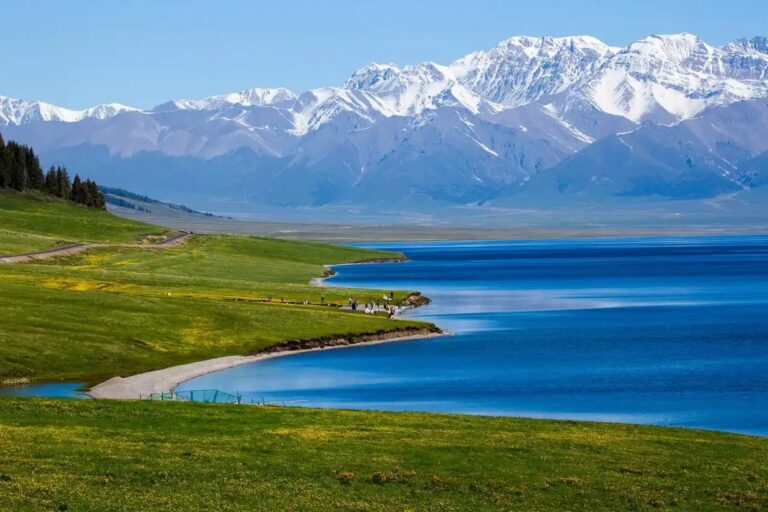
07:30: Early departure from Korla to Bosten Lake, the largest inland freshwater lake in Xinjiang (see our Bosten Lake guide). The Taklamakan Desert Highway guide helps if you cross further.
09:30: Arrive at the Bosten Lake scenic area, buy entry and the boat or shuttle supplement.
10:30: Take the boat or lakeside walk, watch for waterbirds reported across the reed beds.
12:30: Lunch at the lakefront area, simple grilled fish and noodles are commonly available.
14:00: Move to the nearby Kaidu River wetlands, the area travelers call Swan Lake for its migratory swans.
16:00: Walk the wetland boardwalk, bring binoculars if birding is your interest.
18:00: Drive back to Korla, rest at the hotel.
20:00: Dinner and an early night before the long desert drive.
Day 3, the Taklamakan Highway start and onward:
07:30: Depart Korla south toward the start of the Taklamakan Desert Highway.
09:00: Stop at the desert edge viewpoint where the green belt ends and the sand begins.
10:30: Continue a short way onto the highway to feel the scale of the planted shelterbelt that holds the road.
12:30: Lunch in a roadside town, simple halal options are the norm.
14:00: Decide onward: return to Korla to fly out, or continue south if your route allows.
16:00: Back in Korla, final pear purchase and pack for departure.
19:00: Farewell dinner, then transfer to airport or station.
Where to Stay in Korla
Budget options exist, including guesthouses and economy chains, but families and those wanting consistent hot water and heating should book a recognized mid-range brand, especially in winter. Operators list rooms year round, but peak summer sees business and leisure demand overlap, so booking ahead is wise.
What and Where to Eat in Korla

Korla’s food reflects its mixed population. You will find Uyghur grilled meat and naan, Han-style noodles and dumplings, Mongol dairy dishes in some venues, and Hui halal cooking. Travelers report that the night markets and the areas around the bus station are good hunting grounds for cheap, filling food.
The local signature dish travelers mention is Korla pepper chicken, a stir-fry of chicken with green peppers and a savory sauce, served with noodles or rice. It is not exclusive to Korla but is commonly associated with the city in regional guides. Beyond that, try the laghman noodles, the mutton skewers, and the fresh Korla pear as a dessert or snack.
For fruit lovers, the pear is the headline, but the wider region produces many fruits. Our Xinjiang fruits guide maps what is in season where, useful if you are timing a trip around harvests. In Korla, late summer and autumn are when the pear is at its best, and melons and grapes from nearby oasis towns appear in the markets too.
Practical Tips for a Korla Travel Guide You Can Actually Use
This Korla travel guide closes with the details that make or break a trip. First, distances are large. Bosten Lake and Tiemenguan are each roughly an hour or more from the city by road, so a hired car or a planned shuttle day is the realistic way to see them. Public buses exist but run on fixed times that do not suit a loose schedule.
Fourth, payments. Cards and mobile pay work in the city, but small stalls and rural tolls may prefer cash or a specific app. Keep some small notes. Fifth, language: Mandarin is standard, Uyghur is widely spoken, and a translation app helps at markets.
Korla FAQ
What makes the Korla pear different from other Chinese pears?
Official agricultural sources describe the Korla pear as a protected geographical product with a thin skin, high juice content, and a sweet, aromatic flavor. Travelers report it is softer and more fragrant than the crisp northern pears found in many cities, and that the late-summer harvest is when it tastes best.
Can you visit Bosten Lake independently, or do you need a tour?
Travelers report that Bosten Lake is reachable by hired car or, in some seasons, by public bus from Korla, but a tour is not required. The scenic area runs its own ticketing and shuttle or boat service, so you buy entry at the gate. Confirm the current shuttle times locally, because the lake is spread out and walking the whole shore is not practical.
Is Tiemenguan worth the trip from Korla?
Tiemenguan, the Iron Gate Pass, is roughly an hour from the city and is valued for its gorge scenery and its role as a historic Silk Road chokepoint. Official sources state it was a strategic pass defended for centuries. Travelers who enjoy history and short hikes rate it a half-day worthwhile stop, while those wanting only lakes may skip it.
Where exactly does the Taklamakan Desert Highway begin near Korla?
The highway south from Korla runs toward the desert interior and connects the Tarim basin towns before reaching the southern edge at Minfeng. Travelers report the transition from green belt to open sand is visible within a short drive south of the city. This Korla travel guide notes that the full crossing is a multi-day drive, so most visitors sample the northern entrance rather than attempt the whole road.
How mixed is Korla’s population, and does it show in daily life?
Official prefecture materials describe Bayingolin as home to Han, Uyghur, Mongol, Hui, and other communities. Travelers report that the mix shows in the food options, the bilingual signage, and the festivals. It is part of what distinguishes Korla from a single-culture tourist town.
Does Korla feel like a tourist city or an industrial one?
Korla is primarily an industrial and administrative city built around oil and gas, and travelers report that it lacks a dense historic old town compared with places like Kashgar or Kuqa. The tourist appeal is in the gateways it offers, Bosten Lake, Tiemenguan, and the desert road, rather than in the city streets themselves.
Are the Kaidu River Swan Lake wetlands near Korla, and when are the swans there?
The Kaidu River wetlands, often called Swan Lake by travelers, lie near Bosten Lake and are reached on the same day trip from Korla. Official and traveler sources state that migratory swans appear in colder months and that the reed beds host many waterbirds through the year. Bring binoculars and check the season, because the bird numbers change with the calendar.
How many days should I give Korla as a base?
Two to three days covers the city plus Bosten Lake, Tiemenguan, and a desert-edge sampler. Travelers report that one day is too tight for the lake and the pass together. This Korla travel guide suggests three days if you want the hour-by-hour plan above without rushing, or two focused days if you cut the desert start.
About the author: Karl Huang writes research-based Xinjiang travel guides for xinjiangtraveltips.com. He has traveled the region extensively, including the Duku Highway, Kashgar, and the Pamir plateau. This particular Korla guide is desk research compiled from official sources, operator information, and traveler reports, rather than a personal visit, and readers should confirm prices and hours locally before travel.