Xinjiang Camping: A Practical Guide to Overnight Stops and Wild Camps
Xinjiang Camping: Overview & Key Facts
Xinjiang camping spans three very different environments. Desert camping near the Taklamakan and Gobi edges means dry air, brilliant stars, and bone-chilling nights even in summer. Mountain camping along routes like the Duku Highway brings thin air, sudden storms, and snow any month above 3,000 meters.
Key facts travelers should keep in mind:
- Temperature swings of 20 to 30°C between afternoon and pre-dawn are normal at altitude and in the desert.
- Many scenic areas forbid free camping and require use of managed campgrounds or guesthouses.
- Border zones near Kazakhstan, Kyrgyzstan, Tajikistan, and Pakistan require permits and sometimes a local escort.
- Wind is the biggest comfort killer; a tent rated for high gusts matters more than one rated only for cold.
The region is vast, and distances between reliable supply points can exceed 200 kilometers on routes such as the southern desert highways. Travelers report that fuel, water, and cell coverage all thin out together, so a camping plan is really a logistics plan.

Getting There With Camping Gear
Most campers reach Xinjiang by flying into Urumqi, Kashgar, or Yining and then renting a vehicle, or by driving their own car or motorcycle across provincial borders on a long overland route. If you fly in, note that checked baggage rules limit fuel canisters and some stoves, so many travelers buy gas locally rather than carry it. A roof box or a well-secured cargo area keeps gear from becoming a projectile on rough tracks.
Vehicle choice shapes the trip more than most first-timers expect. A higher-clearance SUV or a properly equipped 4×4 handles washboard desert tracks and the occasional river crossing better than a low sedan, though many scenic campsites sit on paved or graded access roads reachable by any careful driver. Motorcycle travelers report that soft panniers survive falls better than rigid boxes, and that tying a tent to the rear seat keeps it dry.
When packing for a self-drive camping trip, weight and volume compete. Prioritize a four-season tent, a sleeping system rated below the coldest night you expect, a windproof shelter or tarp, and at least 5 liters of water per person per day in desert sections. The Xinjiang Road Trip Budget guide helps estimate fuel and toll costs once your vehicle is loaded with gear. Bear in mind that fully packed campers consume more fuel because of aerodynamic drag from roof boxes.
Tickets, Fees & Permits
Fees vary by site and year. The figures below come from traveler reports and published park notices; always confirm locally because prices are revised frequently.
| Area / Site | Typical Entry or Camping Fee | Notes |
|---|---|---|
| Kanas scenic area (managed campsite) | Entry about 100 to 230 RMB (2023 to 2024 reports), campsite use often extra | Free wild camping inside the reserve is not permitted; use designated sites |
| Duku Highway sections | No separate camping fee; scenic entry 50 to 100 RMB at some stops | Open season roughly June to September; snow closes passes otherwise |
| Taklamakan desert edge (informal) | Often free, no services | Not an official campground; carry everything out |
| Border areas (e.g. Tashkurgan, Khunjerab direction) | Border permit free or low cost, but required | Apply via local PSB; foreign passport holders face extra checks |
Permits deserve special attention. Chinese citizens can usually obtain border permits (边境管理区通行证) at county public security offices. Foreign travelers should check current rules, as some border counties restrict entry without prior approval. Park regulations state that drones and open fires are restricted or banned in many reserves, so plan cooking around a contained stove.
Beyond the border permit, some scenic areas sell a combined ticket that covers entry, shuttle bus, and sometimes a camping surcharge. Travelers report that buying these at the official gate is simpler than arranging separate approvals, and that off-season discounts of 20 to 40 percent appear in reports from spring and autumn visits.
Best Time to Go Camping
The safest and most comfortable window runs from late May through September. In this period, mountain passes are snow-free, lakes are accessible, and night temperatures, while cold, stay survivable with proper gear. Desert sections are best in spring and autumn; summer daytime heat above 40°C makes tent life unpleasant, though nights remain cool.
Winter camping is possible for experienced cold-weather travelers but brings road closures, fuel gelling, and whiteout risk. We advise first-time Xinjiang campers to avoid November through March except in low-elevation southern oasis towns.
Within the main season, timing still matters. July and August are busiest and bring the warmest nights, but also the highest campsite prices and the largest crowds at lakeside reserves. June and September offer a calmer balance: snow has cleared from most passes by mid June, and September delivers crisp air and autumn color before the first freezes. Travelers report that September nights near Kanas can already drop below freezing, so even late-season trips need real cold-weather gear. Watching the local forecast for the specific county you plan to sleep in is more useful than a regional outlook, because mountain weather changes block by block.
A Sample Camping Day Plan
This timed plan reflects a typical lakeside-to-mountain drive adapted from traveler reports along northern Xinjiang routes. Clock times are illustrative.
| Time | Activity | Notes |
|---|---|---|
| 07:30 | Wake, pack tent while dew is light | Strike camp before wind picks up mid-morning |
| 08:00 | Breakfast on stove, boil water for day | Use a windscreen; gas burns slowly in cold |
| 09:30 | Drive to next scenic stop | Fill fuel and water at last town before remote stretch |
| 13:00 | Lunch at a roadside picnic area | Carry out all waste; no open fires outside sites |
| 16:00 | Arrive campsite, pitch tent early | Beat afternoon thunderstorms in mountains |
| 19:00 | Dinner, then stargazing | Desert and high plateau have the clearest skies |
| 22:00 | In tent, layered sleep system | Night low can drop near 5°C even in July at altitude |

Where to Stay (Campgrounds vs Wild)
Travelers face a basic choice: managed campgrounds or informal wild camping. Managed sites near popular lakes and parks offer flat ground, toilets, and sometimes showers, but cost more and book out in peak season. Wild camping on open land away from reserves is where most overland travelers sleep, yet it provides zero services and zero protection if weather turns.
The comparison below helps match terrain to expectation.
| Environment | Comfort | Rules | Gear Priority |
|---|---|---|---|
| Desert (Taklamakan edge) | Hot days, cold clear nights, no shade | Often informal; pack out all waste | Wind anchors, sun shade, extra water |
| Mountain (Duku, Tianshan) | Cold, storm risk, thin air above 3,000m | Some zones restrict camping; check locally | Four-season tent, warm sleep system |
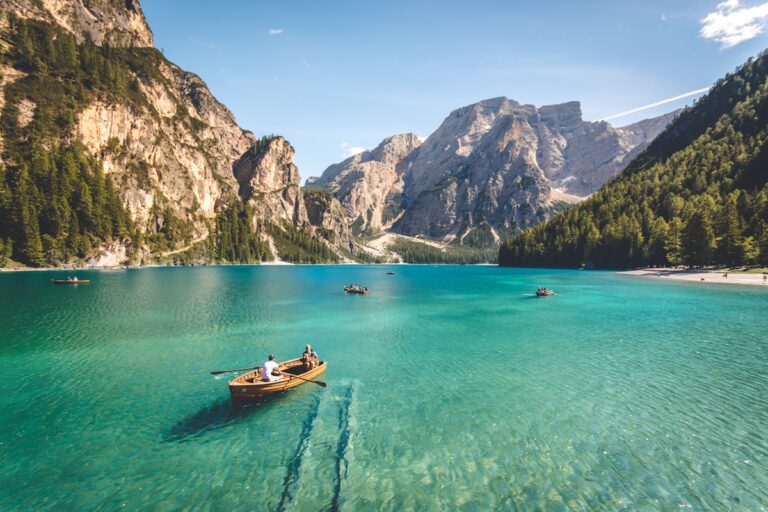
| Lakeside (Kanas, Sayram) | Scenic, humid, strict reserve rules | Designated sites only in protected areas | Moisture-resistant groundsheet, bug net |
For those unsure whether to drive themselves or join a group, the Group Tour vs. Self-Drive in Xinjiang comparison explains trade-offs that also affect camping freedom.
One more point about site selection: ground matters as much as rules. Travelers report that sandy desert soil holds stakes poorly, so bring wide sand anchors or bury spare water bottles as deadmen.
What & Where to Eat While Camping
Stock up in cities and county towns before entering remote stretches. Urumqi, Kashgar, and Yining have large markets where you can buy naan, dried fruit, instant noodles, vacuum-packed lamb, and vegetables. Once on the road, cooked meals come from your own stove or from the occasional roadside noodle stop.
A practical food plan balances weight and morale. Carry a base of rice or pasta, add shelf-stable protein, and rely on fresh produce only for the first two days. Travelers report that a small pressure cooker on a camp stove saves fuel and softens tough dried beans. Keep all food sealed and away from your tent at night; while large predators are rare near busy routes, rodents and stray dogs are not.
Hydration deserves its own note. At altitude and in dry desert air, the body loses water through breathing and sweat faster than thirst signals, so travelers often feel fine until they are already dehydrated. Drink on a schedule rather than waiting for thirst, and add electrolyte powder to one bottle a day if you are active. Tea and instant soup pull double duty by warming you at night and contributing to fluid intake. Avoid relying on alcohol to unwind at camp; it speeds heat loss and worsens the effects of altitude, two problems you do not want at a remote site with no quick exit.

Practical Tips for Safe Camping
- Water first: carry more than you think. In desert sections, 5 liters per person per day is a floor, not a target.
- Wind discipline: orient the tent door away from the prevailing wind and use every guy-line and stake.
- Fire safety: open fires are banned in most reserves. Use a contained stove and fully cool ash before packing.
- Altitude: above 3,000 meters, ascend slowly and watch for headache or nausea; descend if symptoms worsen.
- Signal: a power bank, paper maps, and a whistle cover the gaps where phone coverage disappears.
- Borders: never cross into a restricted county without the correct permit; fines and turnarounds are reported.
- Waste: pack out everything. Remote Xinjiang has no pickup, and glass and plastic linger for years.
Finally, tell someone your plan. A simple message with your route, expected campsite, and return time lets family or a hotel host raise the alarm if you go silent. Travelers report that cell coverage vanishes on long desert and mountain sections, so a satellite messenger or a phone with offline maps loaded beforehand adds a layer of safety that pays for itself the one time you need it. The goal of Xinjiang camping is not to test your limits but to enjoy the silence, the stars, and the open road with enough margin that a small problem stays small.
Frequently Asked Questions About Xinjiang Camping
Can I just pull over and camp anywhere on the highway?
Travelers report that informal roadside camping happens on remote stretches, but it is not an official right. Inside scenic reserves and near borders, rules are stricter, and rangers may move you on.
Do I need a special permit to camp near the border?
A border management permit is required to enter restricted counties regardless of whether you camp. Foreign travelers should confirm current entry rules, as some areas are off-limits without prior approval.
What tent rating do I actually need?
A four-season tent is the safe choice because wind and sudden cold matter more than the average low. A three-season tent can fail in a plateau storm even in July.
Is it safe to drink stream water at a mountain camp?
Park regulations and health guidance advise treating or boiling all surface water. Giardia and other pathogens are reported in remote streams, so filter or boil before drinking.
How much does a camping night cost?
Informal desert or roadside camping is often free with no services. Managed campsites and reserve areas may charge entry plus a site fee; traveler reports put combined costs anywhere from about 100 to 250 RMB depending on the year and location.