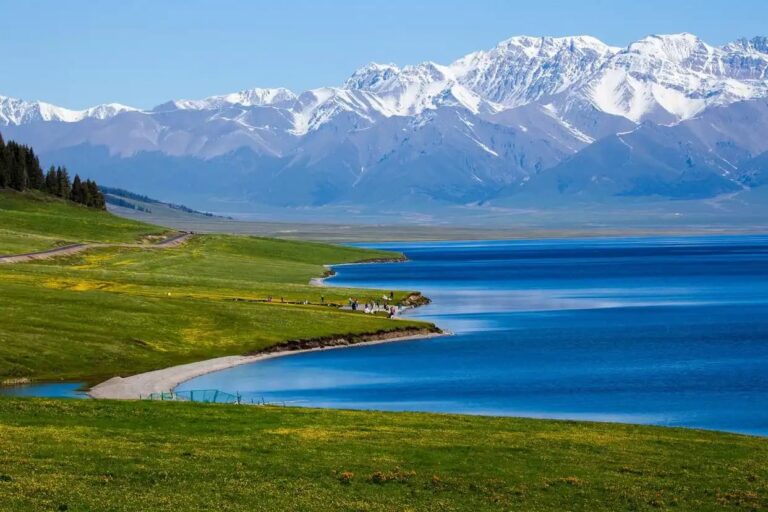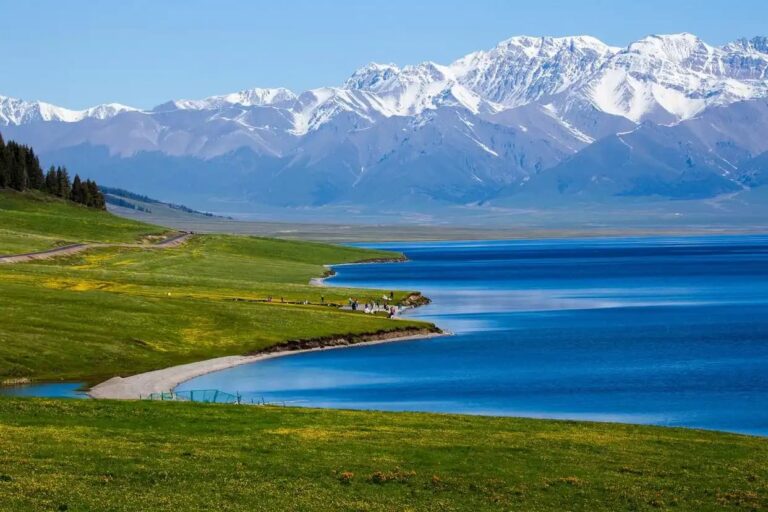
Best Time to Visit Xinjiang: Month-by-Month Weather Guide
Why Timing Your Xinjiang Trip Matters
Xinjiang isn’t a place you casually add to your schedule—it’s a region where the difference between a magical experience and a miserable one often comes down to a single factor: when you go. Spanning over 1.6 million square kilometers (about the size of Iran or Alaska), Xinjiang has not one climate but several. The Dzungarian Basin in the north can be 20°C cooler than the Turpan Depression in the south on the same afternoon.
Last updated: July 15, 2026 · Written by Karl Huang, a Xinjiang travel specialist who has spent time across the region. Practical details are cross-checked against official tourism, transport, and border-regulation sources.
This guide breaks down every month of the year with the practical detail you actually need: real temperature ranges, which roads are open, where the mosquitos will eat you alive, and which month delivers the iconic blue of Sayram Lake without the tour-bus convoys.
January — Deep Winter, Only for the Prepared
North Xinjiang (Kanas, Yining): −25°C to −10°C. Heavy snow. Kanas Road closed; you’d need to ski or snowmobile in. Hemu Village is accessible only by specialized winter transport. The birch trees are sculptural, the smoke from log chimneys is real—but this is expedition-grade travel, not a casual visit.
South Xinjiang (Kashgar, Turpan): −10°C to 5°C. Kashgar’s Old City is magical in snow, and the Pamir Highway is technically open to Tashkurgan (if Border Permit is current and weather allows). Turpan stays above freezing most days—this is the “accessible” part of Xinjiang in January.
Verdict: Only come in January if you’re an experienced winter traveler or you specifically want Kashgar’s snow-draped adobe lanes without another human in frame.
February — Still Winter, But Days Lengthen
Early February: Same as January. Chinese New Year (Lunar New Year) timing varies between late Jan and mid-February. If you’re already in China, Kashgar during CNY has occasional celebratory events—but confirm what’s open, as many guesthouses close for the holiday.
Verdict: Still deep winter. Not recommended unless you have a specific winter objective.
March — The Transition That Isn’t Quite Ready
Early March: Still winter conditions in the north. Snow persists in Kanas; roads are unreliable. In the south, apricot blossoms in the Hotan region begin toward late March—but don’t book flights based on a flower forecast three weeks out.
Late March: Ili Prefecture (Yining) starts to wake up. The Daxigou Wild Apricot Forest (大西沟) can bloom in late March in warm years, but April is a safer bet.
Verdict: Transitional and unpredictable. Flights are cheap; patience is required.
April — Spring Arrives (Unpredictably)
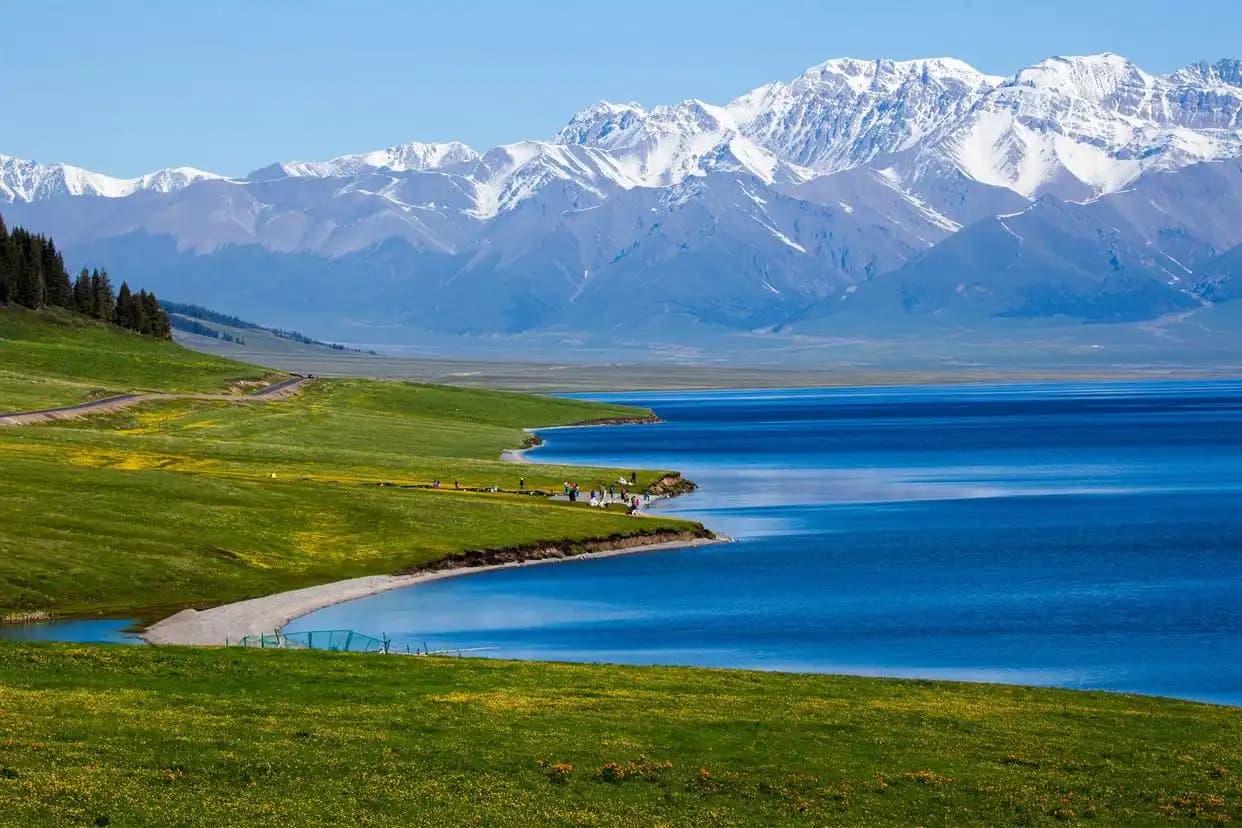
North Xinjiang: Snow is melting in the Ili valley. Grass starts greening. Sayram Lake’s ice begins to break (late April). Temperatures: 5°C to 18°C during the day, still near freezing at night.
South Xinjiang: Warm days (15–25°C), cold nights. Turpan hits 25°C midday by late April. This is the best month for Turpan sightseeing without heatstroke.
Key Event: Wild apricot blossom in Ili’s Daxigou area—typically early-to-mid April, but it shifts with altitude and warmth. Plan flexibility; don’t lock dates months out.
Verdict: A sleeper month. Hotels are cheap, domestic tourists haven’t arrived, and the light is crystalline.
May — The First True Window
Why May works: Kanas Road reopens (usually early-to-mid May, snow depending). Sayram Lake is fully accessible. The Nalati Grassland turns green. Daytime temperatures: 15–25°C in most of Xinjiang. Nights are cool (5–10°C).
Downside: Wind. The Dabancheng corridor (between Urumqi and Turpan) is notorious for gale-force winds in spring. Carry extra water in the car; dust storms can whiteout the highway.
Verdict: One of the two best months. Come in May if you want green landscapes and manageable crowds.
June — High Season Begins
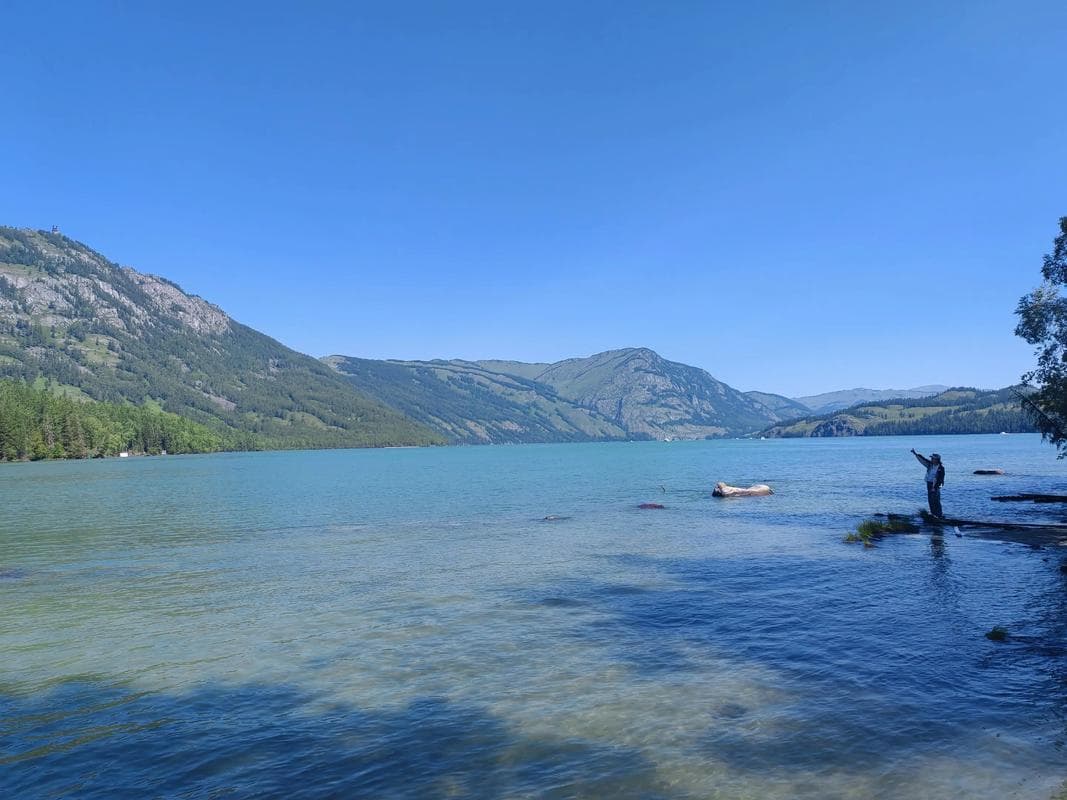
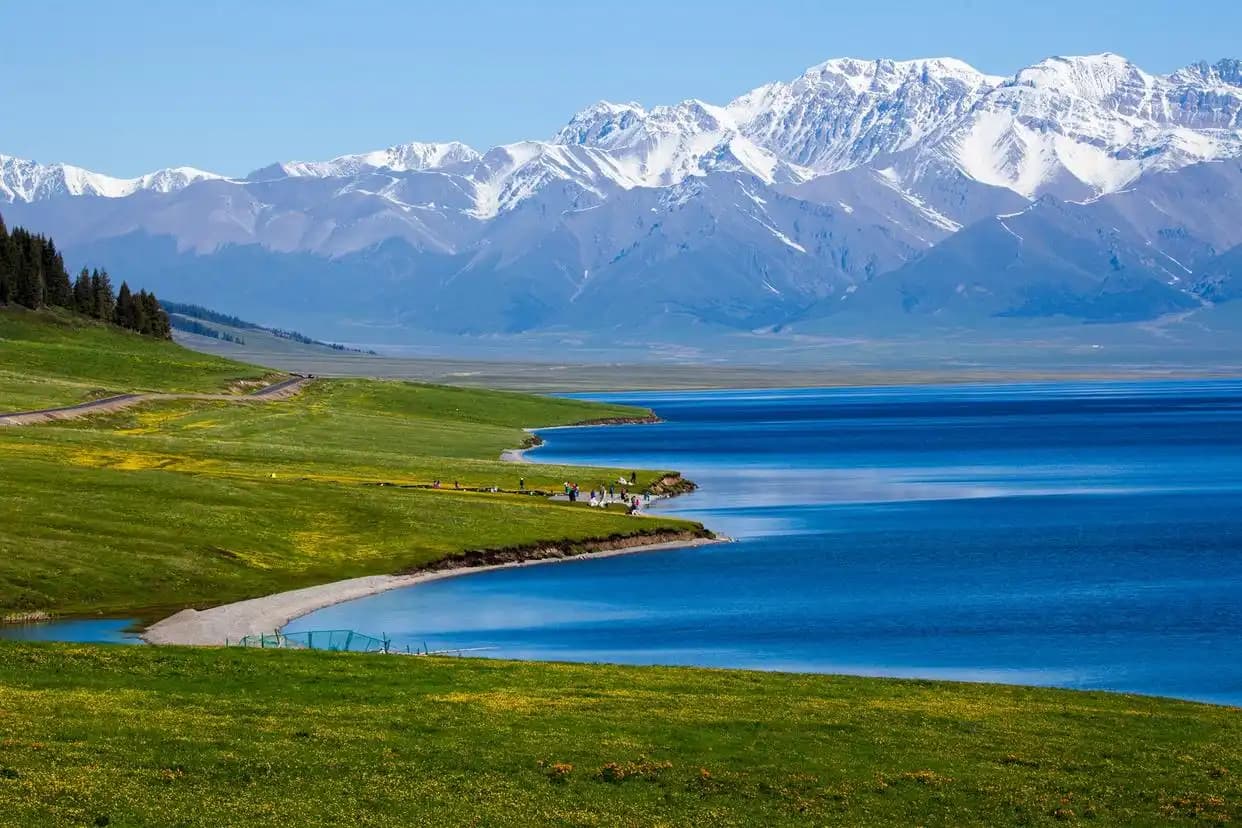
The June sweet spot: Sayram Lake hits its “electric cyan” phase. Wildflowers carpet the Ili grasslands. Kanas Lake is green-forest perfection. Daytime highs: 20–28°C across most of the region.
Where it gets busy: Domestic Chinese tourism ramps up from late June (post-Dragon Boat Festival). Kanas Village and Hemu book out. You need reservations by mid-June for July stays.
Verdict: Come in early-to-mid June for the best balance of weather and crowd levels. Late June = start of peak season pricing.
July — Peak Summer, Prepare for Crowds
Weather: 25–35°C in most lowland areas. Turpan hits 40–45°C regularly—sightseeing only at dawn and dusk. The Duku Highway (独库公路) is fully open (usually June 1–Oct 10), drawing massive domestic road-trip traffic.
Festivals: Horse racing and aitysh (traditional games) in Zhaosu County peak in July. The atmosphere in Kyrgyz and Kazakh communities is at its most vibrant.
Photography note: The golden hour at Sayram Lake is crowded but still worth it. Arrive before 6 a.m. for the boardwalk shot without 40 people in frame.
Verdict: Only come in July if your schedule forces it, or if you specifically want festival energy. Otherwise, the heat and crowds are real.
August — Continued Peak, Slightly Softer at High Elevation
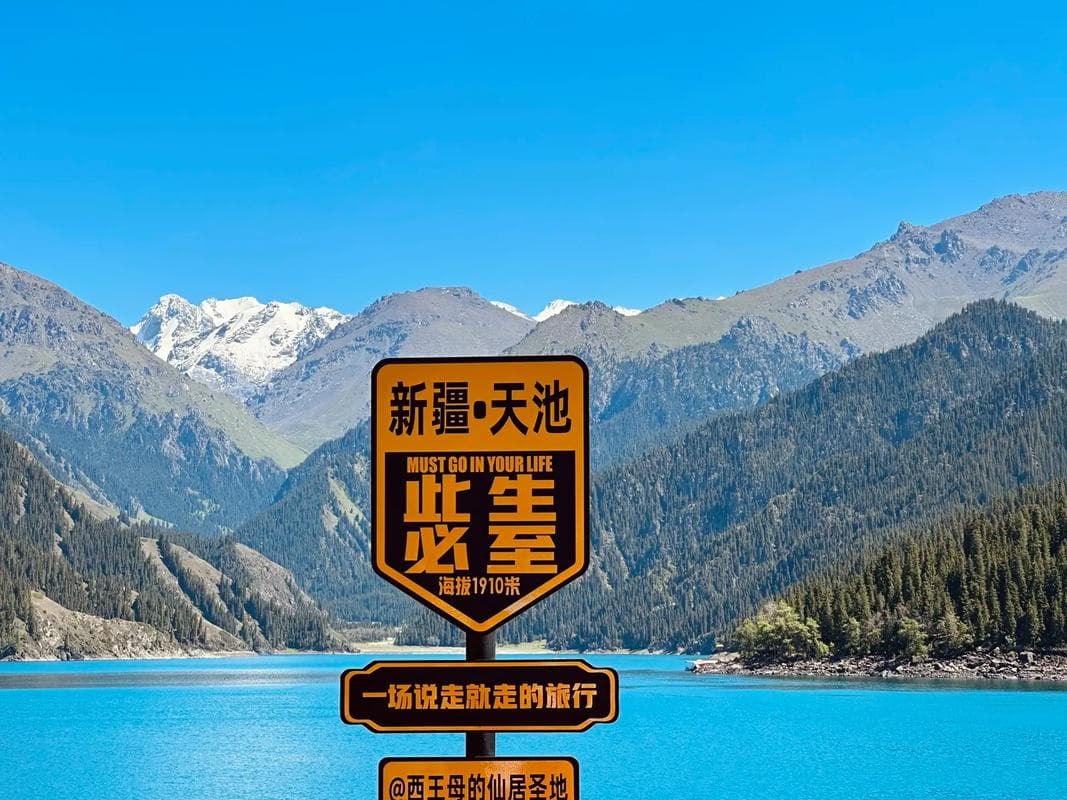
Similar to July but with one advantage: the high-altitude areas (Kanas at 1,374m, Bayanbulak at 2,500m) stay cool (15–22°C daytime). Turpan remains brutally hot.
What’s happening: The Heavenly Lake (Tianchi) boardwalk is packed but the water is stunningly blue. The Bayanbulak grassland has the Nine-Bend River sunset—arrive 90 minutes before sunset to claim a railing spot.
Verdict: If you must travel in August, prioritize north Xinjiang’s mountains and skip Turpan’s midday heat.
September — The Best Month (Quietly)
If you ask travel writers who’ve done Xinjiang repeatedly, September is the answer. Here’s why:
- Weather: 10–22°C daytime, crisp air, almost zero dust storms.
- Foliage: Kanas and Hemu turn gold—the birch and larch forests that define “God’s Garden” are at peak color from roughly Sept 10–30 (varies by altitude).
- Crowds: Domestic tourists have returned to school/work by mid-September. You can have a lakeside plank trail mostly to yourself by Sept 15.
- Photography: The Kanas Three Bays (Shenxian Bay morning mist, Moon Bay crescent, Guanyu Tai overlook) are all accessible without shoulder-to-shoulder tour groups.
Verdict: The single best month. Book accommodations in Kanas/Hemu by August for September stays.
October — The Golden Extension
Early October (National Day “Golden Week” — Oct 1–7): Avoid. This is China’s single biggest domestic travel week. Kanas gets 50,000+ visitors per day. Hotels triple in price. The scenery is still spectacular, but you’ll experience it with half of China.
Late October (Oct 8–31): Again spectacular. The larch gold lingers into early October. First snow often hits Kanas by mid-to-late October—creating a surreal gold-and-white landscape. Temperatures: 0–12°C daytime, below freezing at night.
Verdict: Avoid Oct 1–7. Come Oct 8–25 for the tail end of autumn colors and first snow.
November — Winter Closes In
North Xinjiang: Kanas Road closes (typically late Oct or early Nov depending on first snow). Hemu becomes a ski-touring destination for the dedicated. Temperatures: −10°C to 5°C.
South Xinjiang: This is when the south becomes the only accessible region. Kashgar’s Old City is calm. The Pamir Highway may close after the first heavy snow (typically November or December).
Verdict: Only for South Xinjiang cultural travel (Kashgar, Tashkurgan pre-snow).
December — South Xinjiang’s Quiet Season
North: Full winter. Only for winter sports enthusiasts.
South: Kashgar gets occasional snow but remains accessible. Hotels are cheap. The light in December is low-angle and photogenic. Christmas isn’t celebrated locally, but if you’re a solo traveler who likes empty streets and atmospheric tea houses, this works.
Verdict: Come in December for Kashgar’s atmospheric winter stillness—but bring a very warm jacket.
Summary: The Calender at a Glance
| Month | North Xinjiang | South Xinjiang | Recommended? |
|---|---|---|---|
| Jan | ❌ Closed/Extreme | ⚠️ Cold but possible | Only for winter travel |
| Feb | ❌ Winter | ⚠️ Cool | Not recommended |
| Mar | ⚠️ Transitional | ✅ Warning | Unpredictable |
| Apr | ✅ Spring (cool) | ✅ Warm days | Sleeper month |
| May | ✅ Green, mild | ✅ Warm | Best window #1 |
| Jun | ✅ Lush, flowers | ✅ Hot days | Best window #2 |
| Jul | ⚠️ Peak crowds | ❌ Very hot (Turpan) | Only if necessary |
| Aug | ⚠️ Peak crowds | ❌ Very hot | High elevation only |
| Sep | ✅ Golden, crisp | ✅ Warm days | THE best month |
| Oct | ⚠️ Golden (avoid Oct 1-7) | ✅ Mild | Good (post-National Day) |
| Nov | ❌ Closing for winter | ✅ Cool, calm | South only |
| Dec | ❌ Full winter | ⚠️ Cold but calm | Kashgar winter mood |
What to Pack (By Season)
Spring (Apr–May): Layers (t-shirt + fleece + windbreaker). Sunglasses + SPF 50+. Sturdy walking shoes. Power bank (cold drains batteries). First-aid kit with altitude remedy if going above 2,500m.
Summer (Jun–Aug): Lightweight long sleeves (sun protection > tank tops). Wide-brim hat. 3L water capacity per person in Turpan. Lip balm (the air is desert-dry).
Autumn (Sep–Oct): Down vest + layers. Gloves for Kanas mornings. Camera batteries (cold = short life). Booked accommodations (September is popular with photograpers).
Winter (Nov–Mar): Extreme-grade gear if attempting North Xinjiang. For South Xinjiang: warm jacket, layers, moisturizer (indoor heating is dry).
Final Word
If you take nothing else from this guide: come in May, June, or September. Those three months give you the weather window, the landscape payoff, and (mostly) the crowd avoidance that make Xinjiang the most photogenic place you’ll visit this decade. Everything else is compromise—some of it still wonderful, but compromise nonetheless.
Check our homepage for more detailed guides to each region, and start planning the timing that matches what you actually want to see.
How much this really adds up to
| Item | What it costs | Note |
|---|---|---|
| there an entrance fee for sayram lake | 70 RMB | Yes, the entrance fee is approximately 70 RMB per person. Additional fees may apply for the lake island boat tour (about 100 RMB) and the scenic area shuttle bus. |
| pack for a trip to sayram lake | 70 RMB |
The numbers above are what I paid on my own trips; add roughly a fifth for a private car and driver if you are travelling with someone else. Anything marked roughly is a bazaar price in high season, and it moves with demand.