Crossing the Torugart Pass to Kyrgyzstan: A Border Guide for Overlanders
There are border crossings, and then there is Torugart. Sitting high on the Xinjiang-Kyrgyzstan line, it is less a gateway than an expedition, and I include it here because so many overlanders ask about it after driving the south. I crossed it as a passenger on a planned trip, and the experience taught me to respect the paperwork as much as the road.
The first thing to understand is that Torugart is not a casual stamp-and-go. It sits at serious altitude, the weather turns without warning, and the crossing itself is wrapped in permit requirements that begin long before you reach the mountains. My reading of the formal side is the same as for any Pamir-bound travel: start with the border permit guide for Tashkurgan and the Pamirs and confirm current rules, because they change.
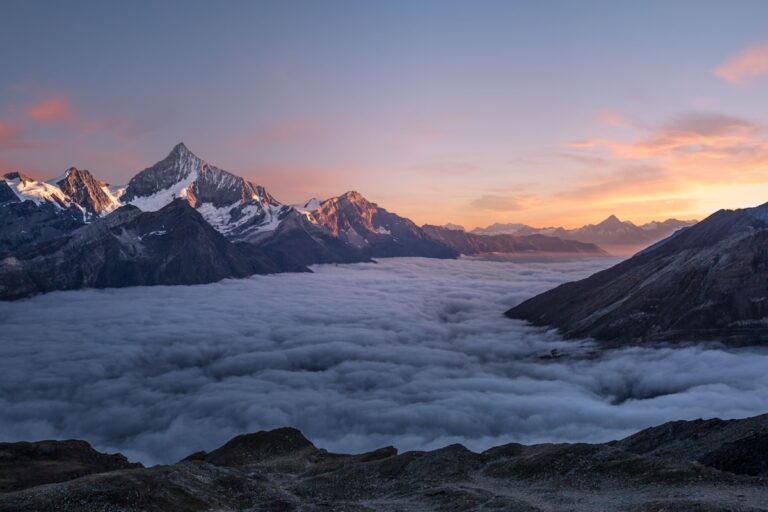
Logistically, Torugart belongs to the same family as the Pamir Highway approach from Kashgar, and most travellers reach it from the Kashgar side. That means the same rhythm of checks, the same need for a calm morning start, and the same reward of high plateau scenery that few roads on earth can match. Tashkurgan is the natural last town before the climb.
Altitude is the quiet hazard. The pass is high enough that I felt it, and I was only a passenger. Anyone driving should build in slow acclimatisation and not treat the crossing day as a normal driving day. The body needs the buffer, and the road gives you no second chances to rest once you are committed.
Documents and patience matter more than vehicle choice. I had already done the overland entry into Xinjiang on an earlier trip, so I knew the feeling of a border day: early start, orderly queue, polite officials, long waits. Torugart compresses all of that and adds thin air. Go rested, go documented, and go expecting the clock to be outside your control.
My honest advice is to treat Torugart as a trip in itself, not a box to tick on a longer loop. If the paperwork lines up and the weather holds, it is unforgettable. If either does not, the smarter move is to enjoy the Pamir from the Xinjiang side and save the crossing for a trip built around it. The plateau will wait, and it is better respected than rushed.
For those who only want the view without the border, the Pamir from the Xinjiang side is enough. You can climb toward the pass, feel the altitude, and turn back with the memory intact, no permit required. I have done both, and the in-country version is the one I recommend to most travellers: all the drama, none of the embassy paperwork.
The takeaway is respect. Torugart is a working frontier, not a tourist attraction, and the people who cross it for real life deserve the lane. Go as a guest of the road, not its master, and it will show you a corner of Asia that few will ever see.
The paperwork, for the record, is the part travellers underestimate. Beyond the Chinese border permit there is usually a Kyrgyz visa side and a vehicle document trail if you are driving your own car, and I watched a couple turned back for a missing stamp they could have fixed at home. My rule is to confirm the full chain with an embassy or a specialist agent weeks ahead, not days. The romance of the pass is real, but the romance does not get you across; the folder does.
The checkpoints, honestly
Keep passport and car documents in the glovebox rather than the boot so you are not unpacking in front of a queue. They are short, they are not hostile, and the whole process for a foreign plate takes longer than for a local one because the officer has to make an entry. Write down the address of tonight’s accommodation, because that is the question they ask. They are tedious rather than dangerous, and the driver’s document pack is the only thing that makes them quick. Nobody has ever been rude to me at one of these. You will stop at checkpoints. If the timing is the question, our [[xinjiang-border-pass-permit-tashkurgan-guide|Xinjiang Border Pass Guide: How to Get the…]] goes through it properly.
What a local driver would refuse to do
My host in Xinjiang said the pass was two hours, meaning two hours driving without the stops, and that is the number to plan around, not the one the map shows. What they will refuse is a night drive over the high sections in winter, and they are right. What they will happily do is leave at five in the morning to catch the light, and that is the version worth asking for. A driver who knows this road gives you the honest distance. For the part people underestimate, see our [[xinjiang-border-pass-guide-how-to-get-permits-for-tashkurgan-and-the-pamirs|Xinjiang Border Pass Guide: How to Get…]].