Renting a Car and Driving in Xinjiang: Licenses, Costs, and Route Planning
Renting a Car and Driving in Xinjiang: The Independent Way
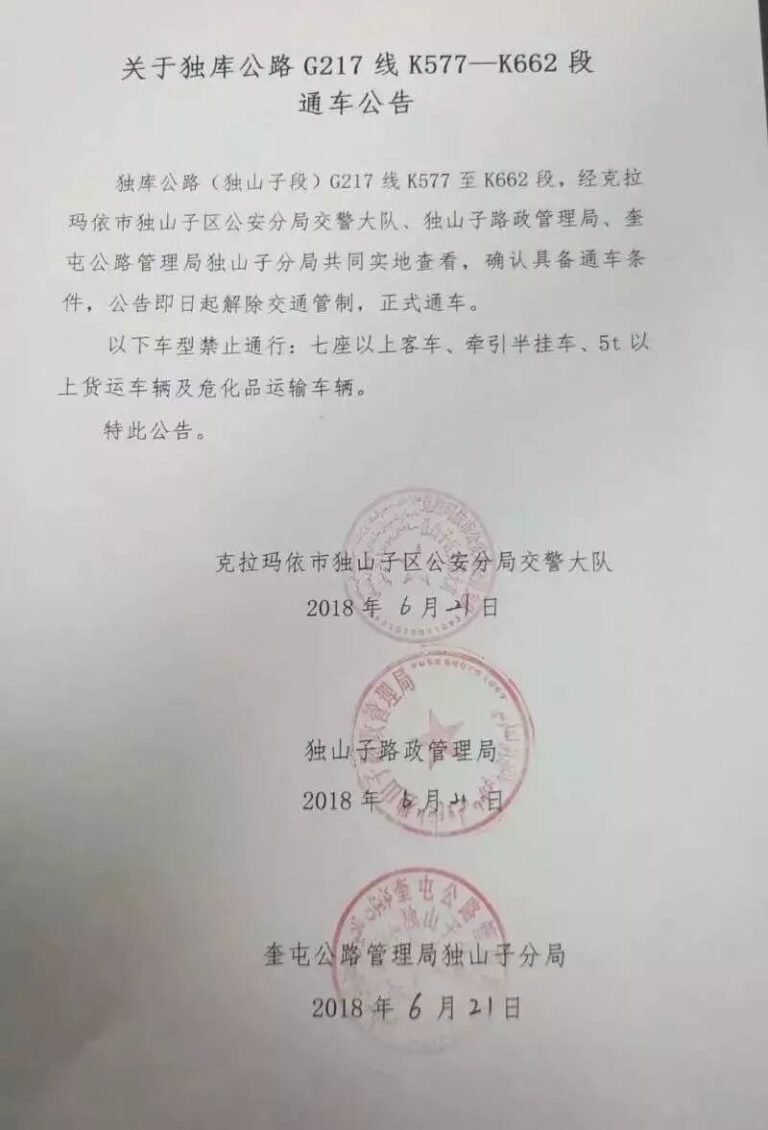
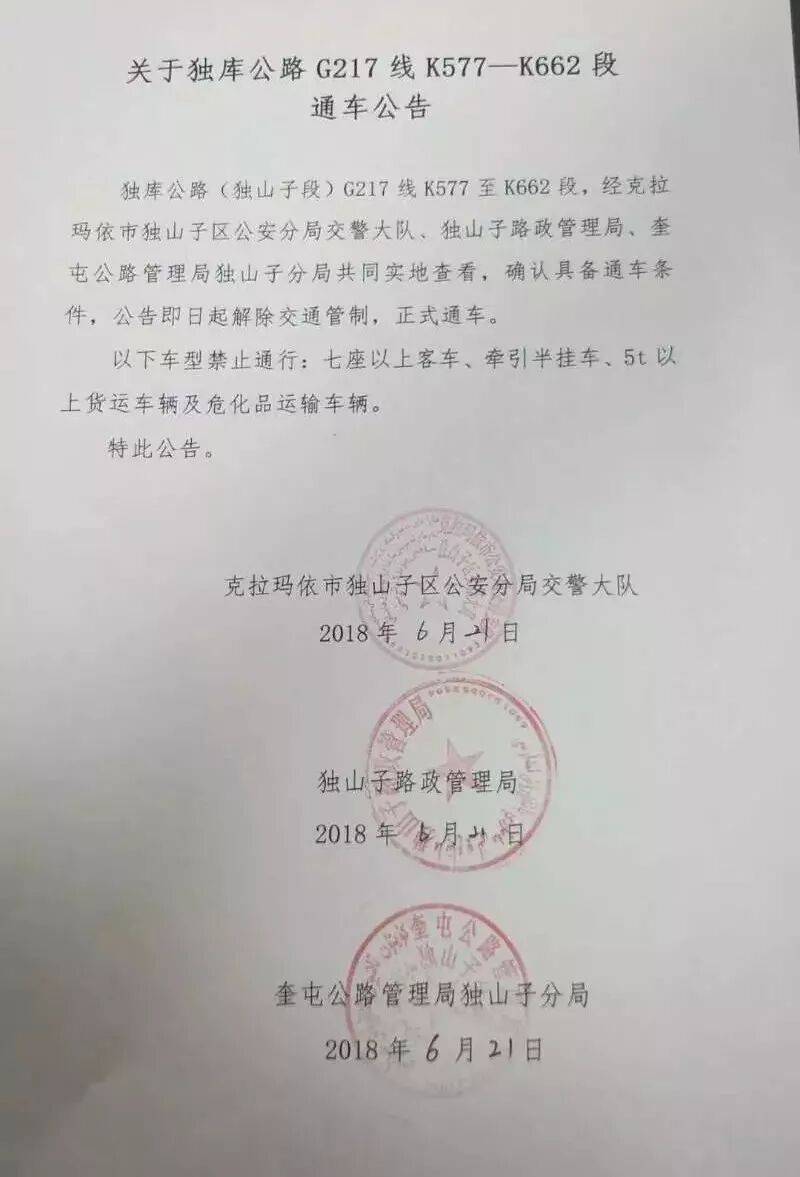
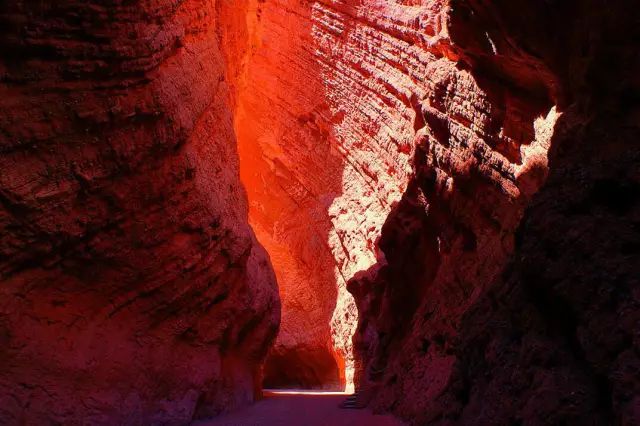
Xinjiang is huge — bigger than many countries — and a car unlocks routes that buses and trains simply don’t serve. The Duku Highway alone justifies the effort: a single day of driving there shows more landscape than a week elsewhere. This guide covers licenses, costs, and route planning for visitors who want to drive themselves.
Can Foreign Visitors Rent a Car?
Officially, self-driving in China requires a Chinese driving license. Visitors holding only a foreign license generally cannot legally rent a car and drive solo. Two practical workarounds exist:
- International Driving Permit + temporary Chinese license: some cities issue a short-term permit to IDP holders, but acceptance varies and is not guaranteed for independent tourists.
- Hire a car with a driver: this is the standard solution. A local driver handles the roads, fuel, and navigation while you enjoy the scenery. Costs run roughly 500–1,200 RMB/day depending on vehicle and region.
For most foreign travelers, a car with driver is the realistic, legal, and lower-stress option. You still control the itinerary.
Where to Rent
Urumqi, Kashgar, Yining, and Turpan have the most rental options. Airport pickup is common. Book ahead in July–August and during the National Day holiday, when demand spikes. Check that the company allows cross-region travel if your loop spans multiple prefectures.
Costs and Fuel
- Self-drive (license holder): rental 200–500 RMB/day plus fuel (~7–8 RMB/L for gasoline).
- With driver: 500–1,200 RMB/day all-in, often excluding fuel and the driver’s meals/lodging on long trips.
- Tolls: modest on expressways; mountain roads are usually free.
- Insurance: take the full cover — gravel and livestock on rural roads are real risks.
Route Planning Basics
Xinjiang splits into north, south, and east, with the Tianshan range between them. Distances are long: Urumqi to Kashgar is ~1,500 km. Plan 300–500 km driving days, not 800. A sensible first loop links Urumqi – Tianchi – Yining – Naraty – Duku back to Urumqi over 7–9 days.
Many roads close seasonally. The Duku Highway opens roughly June to October; high passes can snow over early. Our winter driving guide explains what stays open when the cold arrives.
Rules and Realities
- Speed cameras are common on expressways and near towns — watch limits.
- Police checkpoints appear on regional roads; carry your passport and visa.
- Livestock and slow vehicles share mountain roads; drive defensively.
- Signal is patchy — download offline maps before remote stretches.
- Never drink and drive; random checks are frequent.
What a local driver would refuse to do
They will happily depart at five in the morning for the light, which is the plan worth asking for. The two hours my host quoted meant wheels-turning time, excluding stops, and that is the realistic number to plan on, not what the map claims. Ask for a night run over the high ground in winter and they will say no, with good reason. A driver familiar with the road will give you a realistic distance. That stretch of the trip is described in our [[renting-a-car-in-xinjiang-self-drive-rules-costs-and-routes|Renting a Car in Xinjiang: Self-Drive…]] too.
Where to sleep on the road and where to park
Request a room facing away from the yard, because that is where the lorries overnight. In Xinjiang the hotels cluster along the through road and the value one is usually the second block back, five minutes from the misnamed central place and half the price. Overnight in the county town: the scenic stops offer neither quiet parking nor food after eight. If the timing is the question, our [[xinjiang-night-driving|Night Driving in Xinjiang: When It Helps…]] goes through it properly.
The checkpoints, honestly
Have your documents to hand in the glovebox rather than the boot, so you are not digging around with a queue behind you. They are courteous and quick, but foreign-registered vehicles need an extra log entry, which slows things down. Have tonight’s lodging address written down, as it is the question you will be asked. In all of them, I have yet to meet anything but polite staff. You will stop at checkpoints. Tedious rather than dangerous, and they only go fast when the driver’s paperwork is in order. For the part people underestimate, see our [[xinjiang-driving-rules|Driving in Xinjiang: Road Rules,…]].
Self-Drive vs Tour
If you want maximum freedom and have the license, self-drive wins. If you want zero paperwork and local knowledge, read our comparison of independent travel versus joining a tour before booking. Many visitors do a hybrid: train between hubs, car-with-driver for the scenic loops.
Bottom Line
Driving is the best way to see Xinjiang’s interior, but for foreign visitors the practical route is a rented car with a local driver. Budget for it, plan short days, and the region’s scale becomes a feature rather than a frustration.