Tibetan Culture in Xinjiang: The Plateau Communities Most Visitors Miss
Most travellers who come to Xinjiang never meet them. Tucked against the Changtang plateau on the far western fringe, Xinjiang is home to Tibetan communities whose dialect, religion, and herding life resemble the Tibetan plateau more than the bazaars of Kashgar an hour’s flight east. I spent a slow week along the western edge and came away convinced this is one of the region’s least-written-about cultural corners. Here is what I learned about where they live, what they herd, and how to visit without being a nuisance.
Who Are the Tibetans of Xinjiang?
Xinjiang’s Tibetan population is small, maybe a few tens of thousands, concentrated in the southwest near the borders with Tibet, India, and Pakistan. They are ethnic Tibetans, speakers of a western Tibetan dialect, and practitioners of Tibetan Buddhism. Unlike the Turkic and Tajik groups that dominate most travel writing about the region, these communities trace their identity to the plateau rather than the oasis. Their yearly rhythm is set by the yak, the barley field, and the monastery calendar.
The Changtang Connection
The Changtang is the vast cold desert of the Tibetan plateau. The Xinjiang Tibetans are essentially the northern edge of that world, living at altitudes where most visitors feel the thin air within minutes. If you have read about Tashkurgan and the Pamir, think of these settlements as the plateau continuing south and west rather than the Pamir continuing north.
Where They Live
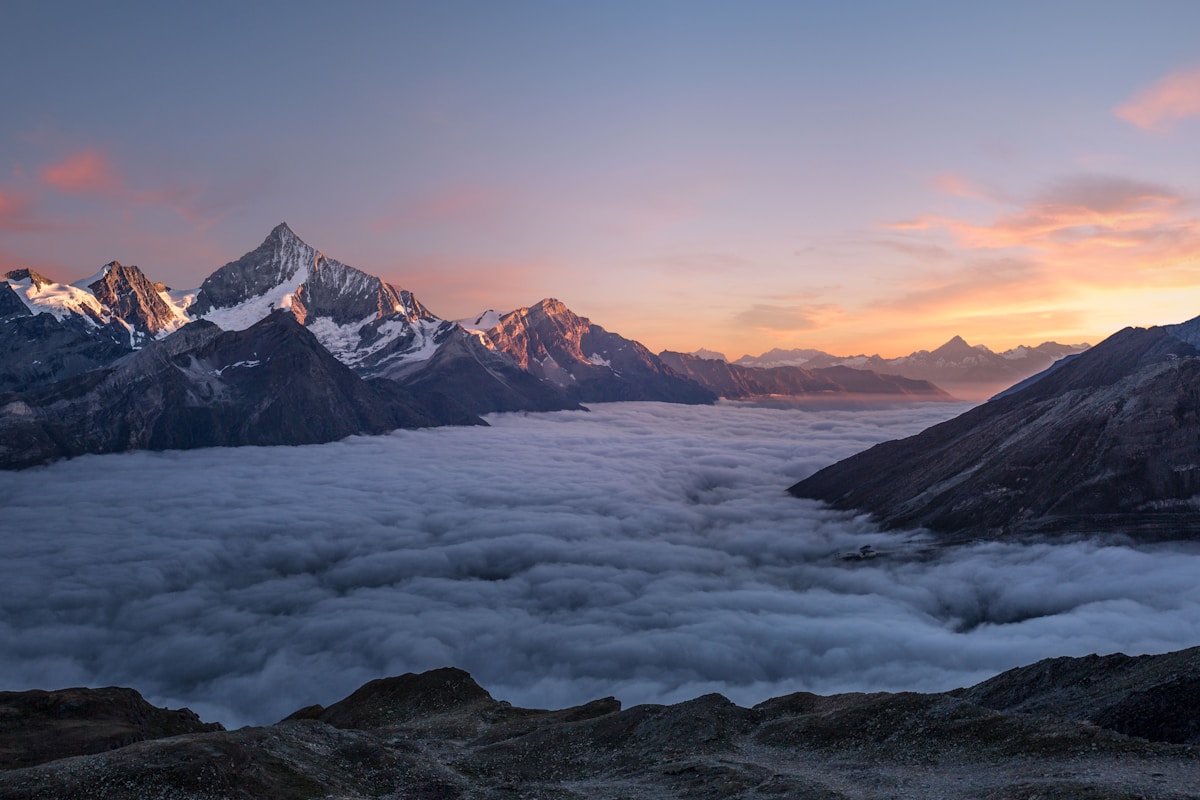
The communities sit in the mountainous southwest, in valleys and high pastures that touch the frontier. They are not a tourist circuit, and that is the point. You will not find a ticket booth. What you will find is a cluster of mud-brick and stone houses, prayer flags, and yaks grazing the slate-colored slopes.
| Settlement type | Approx. altitude | What you’ll see |
|---|---|---|
| Valley village | 3,000-3,600 m | Stone houses, barley terraces, monastery |
| Summer pasture | 4,000-4,800 m | Yak herds, black tents, prayer flags |
| Border garrison town | 3,200-3,800 m | Checkpoints, small markets, guesthouses |
Getting There from Kashgar
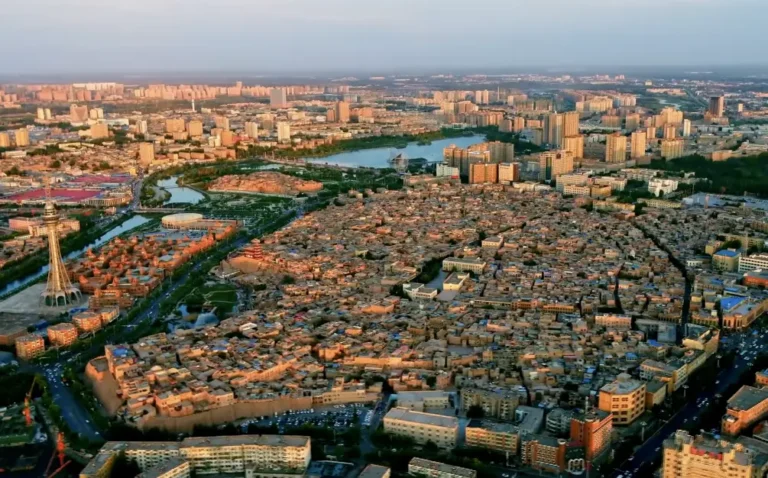
Most overland approaches start from Kashgar Old City, the natural hub for any southwestern Xinjiang journey. From there a combination of long-distance bus and local transport reaches the frontier counties. Expect permits, checkpoints, and a great deal of patience.
What They Herd: Yak, Sheep, and the Plateau Economy
The economy is pastoral and has been for a thousand years. Yaks provide milk, meat, transport, and dung for fuel. Sheep fatten on the short alpine grass. In autumn, families move down to the valley; in summer, they climb to the high pastures. Cash comes from selling animals, butter, and wool, plus a little trade across the nearby borders.
The Yak
Do not underestimate the yak. On the Changtang it is the center of gravity: its milk becomes butter and cheese, its hair becomes rope and tent, its dung becomes the only fuel for warmth. A family’s wealth is counted in yak.
Religion and Daily Life
Tibetan Buddhism shapes the day. Morning prayers, butter-lamp offerings, and the turning of prayer wheels mark time. Monasteries are small and understated compared with the great institutions of Lhasa, but they are the social heart of each valley.
Monasteries and Stupas
You may come across mani walls (piles of inscribed stones), chortens, and faded murals. Photograph respectfully: ask before shooting people, and never climb on a shrine.
Food: Tsampa, Butter Tea, and Barley
The plateau diet is built for cold and altitude. Tsampa is roasted barley flour mixed with butter tea into a dough you roll in your hand. Butter tea is salty, viscous, and surprisingly warming. Yak meat is dried for winter. If you are invited to eat, accept, but eat modestly and follow your host’s lead.
How to Visit Respectfully
This is not a theme park. The single most important rule is to be a guest, not a spectator. Ask before photographing people. Dress so shoulders and knees are covered at religious sites. Hand things with both hands. Do not touch a prayer wheel except to spin it clockwise.
| Do | Don’t |
|---|---|
| Ask before taking portraits | March into a shrine uninvited |
| Carry small gifts (sugar, tea) | Offer alcohol at a monastery |
| Dress for cold and modesty | Drone-fly over villages |
| Learn a few Tibetan greetings | Assume everyone speaks Mandarin |
Festivals You Might Catch
Timing a visit around a monastery gathering or a harvest celebration turns a drive-by into a memory. The Losar (Tibetan New Year) festival is the big one, but local summer pasture gatherings are easier to stumble into and far warmer to visitors. Confirm dates locally, as they follow the lunar calendar.
Language and a Few Greetings
The local dialect is a western Tibetan tongue, close to what you hear in Ladakh or Baltistan. You will not need much, but a greeting opens doors. “Tashi delek” works as both hello and good wish. “Kushok” is a polite term of respect. Learning even these two marks you as a guest rather than a passer-through, and villagers respond warmly to the effort.
Crafts: Wool, Rugs, and Knots
Where there are yaks and sheep, there is wool work. Tibetan families in Xinjiang spin, dye, and weave at home, producing thick rugs, saddle blankets, and the knotted belts worn at festivals. The dyes are often local: walnut husk for brown, madder for red, wild indigo for blue. A small woven piece makes a meaningful souvenir that supports the household directly, with no middleman.
A Sample Day in a Valley Village
Start with butter tea at first light while the cold still bites. By mid-morning the yaks are driven up to pasture and the women set to spinning or tending the barley. Around noon the single shop opens for an hour. Evening brings a meal of tsampa and dried meat, prayer-flag shadows long across the stones, and a silence so complete it takes a night to get used to.
When to Go
Summer (June to August) is the only comfortable window for the high pastures, when wildflowers carpet the slopes and the snow line retreats. Spring and autumn are cold but quiet and good for valley life. Winter closes the passes and is best avoided unless you are experienced in extreme cold travel.
Getting the paperwork right
- Needing a special permit — Yes.
- Altitude sickness a real risk here — Absolutely.
- Staying with a tibetan family — Sometimes, through a local guesthouse or a recommended host, but never show up unannounced.
- Anyone speak english — Rarely.
- Pack for the plateau — Layers, a real windproof jacket, sunscreen, lip balm, and more water than you think.
- Safe to travel there — The area is calm but remote, with long distances between services.
Work through that list a few days before departure, not on the morning you fly. Most of the grief I have seen on this route comes from leaving it until the last minute.
A Final Word
Xinjiang’s Tibetan corner rewards the slow and the curious. It will not hand you a postcard view, but it will hand you a version of the region almost no visitor writes about. Go gently, ask before you point a camera, and the plateau opens up.