
Turpan Wine: Tasting Xinjiang’s Ancient Desert Vineyards
What makes it special
Xinjiang grows some of the sweetest grapes on earth, and nowhere is that more obvious than Turpan, the furnace-hot oasis where vineyards have shaded the roads for two thousand years. Most visitors know Turpan for its dried grapes — the seedless raisins hung in the famous通风 houses — but the same fruit fuels a living wine tradition that is among the oldest in China. Turpan wine is the liquid side of the region’s grape obsession.
The logic is simple. Turpan’s extreme continental climate, with scorching days and cool nights, concentrates sugar in the grapes and keeps pests away, producing fruit with the intensity that winemakers crave. Vineyards here predate the Han dynasty, and the Silk Road carried both the grapes and the technique westward and eastward. Today the oasis makes both table wines and the intensely sweet dessert wines that echo its raisin heritage.
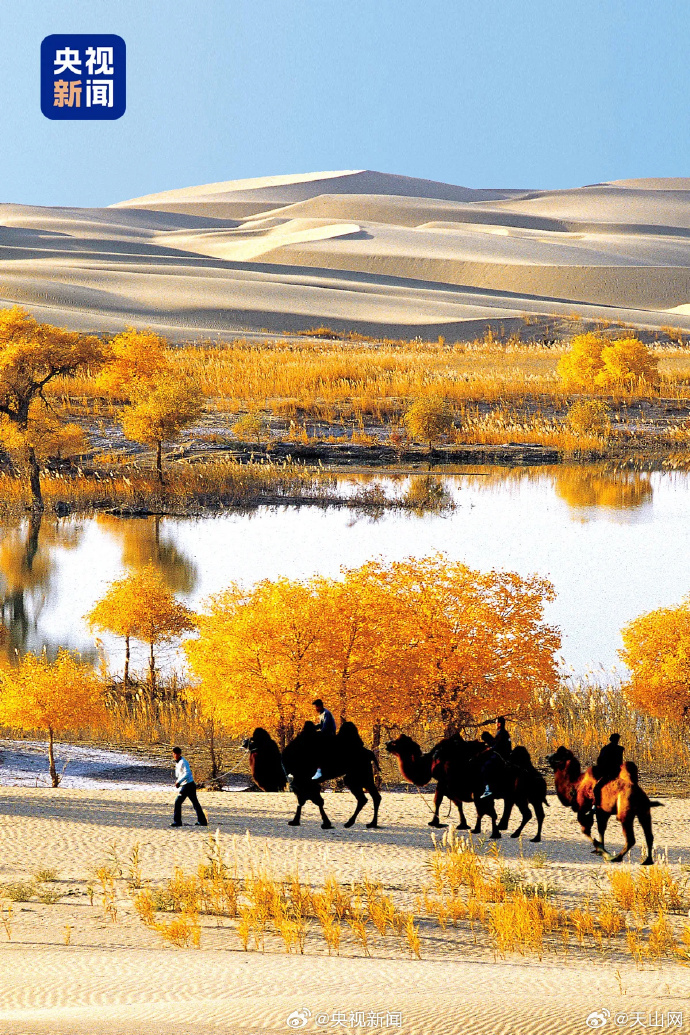
For a traveler, Turpan wine is a chance to drink the landscape. The dry heat, the sand, and the ancient irrigation of the karez channels all end up in the glass. Tasting it in the shade of a grape arbor, with the Flaming Mountains glowing red in the distance, is one of the most atmospheric food experiences the region offers.
There is also a surprising international thread. The vineyards of Turpan are among the ancestors of the wine cultures that spread across Central Asia and into Europe, and the local grape varieties have kin from Georgia to the Rhine. Sipping a glass here is, in a quiet way, tasting a root of the entire wine world — a fact that makes even a modest cellar visit feel like a meeting with deep history.
Roads, signposts and distances
Turpan sits on the rail line and the highway southeast of Urumqi, about two to three hours by high-speed train from the capital, which makes it an easy day trip or overnight stop. The main vineyard areas lie around the city and in the villages of the Turpan Basin, particularly near the grape-growing centers that supply both the raisin trade and the wineries. Local tours and many hotels can arrange visits to a vineyard or a wine cellar.
Within Turpan, the Grape Valley — a green belt of arbors and streams on the city’s edge — is the most accessible place to see the vines and sample produce, and some nearby estates offer tastings. For a more serious pour, ask at the tourist centers about the larger wineries operating in the basin; a taxi or a hired driver can reach them in under an hour from the city center.
Getting around the basin is easiest with a driver for the day. The vineyards are spread out and public transport is thin once you leave the city core, so a car lets you link a cellar, the Grape Valley, and a ruin or two into a single relaxed loop. Negotiate the half-day rate in advance, agree that wine stops are included, and you remove the only real logistical friction between you and a good tasting.
A month-by-month read
The grape harvest from August to October is the ideal window. This is when the vines sag with fruit, the raisin houses fill with drying clusters, and the wineries are at their most active. A visit in early autumn lets you taste fresh grapes, see the harvest, and try young wines made from the current season’s fruit. The weather, though still warm, is gentler than the furnace peak of July.
Spring and winter are quieter but have their own appeal. Spring brings blossom in the vineyards and fewer crowds, while winter offers a stark, frozen version of the oasis with the grape arbors bare. Wine is available year-round, but the sense of a living vineyard is strongest in the late-summer and early-autumn months when the place is working at full tilt.
If your trip is fixed for summer, go early or late in the day to avoid the worst heat. The Grape Valley is shaded and blessedly cooler than the open basin, so a morning or late-afternoon visit is comfortable even in July. Carry water, wear a hat, and treat the midday hours as rest time at your hotel rather than touring time; the wine will taste better when you are not heat-addled.
The highlights
A Turpan wine experience has two halves: the vines and the glass. Start among the arbors, where the grape varieties — many of them local, some ancient — grow in sandy soil fed by the underground karez water system. Seeing how the oasis sustains its vines in the middle of near-desert is the context that makes the wine taste different afterward.
Then move to the tasting. Turpan’s wines range from dry reds and whites made from both local and introduced varieties to the region’s signature sweet wines, which taste unmistakably of the raisins that made the oasis famous. Try a dry table wine beside a sweet one to understand the range. Many cellars also pour grape juice for non-drinkers and children, so the experience is inclusive.
Do not overlook the food pairing. Turpan’s Uyghur kitchens serve grilled lamb, polo, and flatbreads that match the local wines better than any imported cheese would. A long lunch under the vines, with a carafe of something sweet and a plate of kebabs, is the right way to do it. The wine here is a companion to the table, not a museum piece to be analyzed.
Spend a few minutes in a raisin house if you can. The multi-story ventilated buildings where grapes are laid out to dry on stacked racks are unique to Turpan, and they explain the sweetness that defines the local palate. Seeing the transformation from fresh grape to wrinkled raisin right next to the winery closes the loop between the two sides of the oasis’s grape economy in a way no tasting room alone can.

Bits that save time
Buy and taste locally rather than at the airport, where selection is thin and prices are high. At a vineyard or a reputable shop in the Grape Valley you can try before you buy and ship bottles home if your itinerary allows. Carry cash for small stalls, though larger estates take cards. If you plan to visit multiple cellars, hire a driver for the day so no one has to worry about the road.
Mind the heat and the alcohol together. Turpan in summer is brutally hot, and wine in the sun dehydrates fast; drink water alongside and keep tastings in the shade. Halal considerations do not apply to wine itself, but be discreet about drinking in public, as the region is culturally conservative. Save the serious pouring for the vineyard or your hotel, not the street.
Ask what grapes are in the glass. The local varieties have names worth learning, and a good winemaker will happily walk you through them; showing curiosity turns a quick tasting into a proper conversation. Avoid the mistake of judging Turpan wine by international standards alone — its sweet styles are an acquired and regional taste, best appreciated as a product of the desert rather than a rival to Bordeaux.

What to add on
Turpan is dense with sights that pair perfectly with a wine stop. The Grape Valley, the Jiaohe and Gaochang ruins, and the Bezeklik Thousand-Buddha Caves are all within easy reach and share the same oasis setting. The Flaming Mountains and the Karez Well system — the underground channels that water the vines — explain exactly why the wine tastes the way it does.
If you are on a silk-road route, Turpan fits naturally between Urumqi and the southern destinations like Kashgar, or as a loop with the Tianshan foothills. Build a half-day around the vineyards and a half-day around the ruins, and you will leave understanding both the agriculture and the history that made this unlikely desert a garden. The wine is the thread that ties them together.
A clever itinerary pairs the cellar with the karez demonstration site, because the two are the same story told differently: one shows you the water that makes the vines possible, the other shows you the fruit that water becomes. Do them on the same afternoon and the whole oasis suddenly makes sense, with the glass of wine at the end as the satisfying punctuation to a day of cause and effect.
Lessons from the trip
Turpan wine is the drink most travelers overlook, distracted by raisins and ruins, but it may be the most surprising glass in Xinjiang. Born of heat, sand, and an irrigation system older than the vineyards themselves, it is a taste of the oasis distilled. Sweet or dry, it carries the place in every sip.
Next time you find yourself in Turpan’s heat, trade the usual soda for a carafe under the arbors. Turpan wine will give you a new reason to remember the oasis — and a story about Xinjiang that starts, fittingly, with a grape.
And if you leave with a bottle wrapped in your bag, you will be carrying more than a souvenir. You will be carrying a little of the desert’s patience, the karez’s ingenuity, and two thousand years of people who looked at a furnace and decided, against the odds, to grow something worth drinking. That is a heavier cargo than the glass suggests.
Pulling a Turpan trip together? My Turpan: Xinjiang’s Hottest City, Ancient Oasis, and Silk Road Crossroads covers the oasis sights and how many days to set aside.